



Valencia vs Barcelona: Which is Spain's Best City to Live In 2026?
I remember the first time I stepped off the train in Valencia, sweat-soaked from a sweltering August afternoon in 2014, my backpack heavier than my expectations. Barcelona had already claimed a chunk of my heart years earlier—those Gaudí spirals twisting into the sky, the salty tang of paella wafting from every corner of the Gothic Quarter. But Valencia? It whispered rather than shouted. Wide boulevards baked under the sun, orange trees dropping fruit like forgotten confetti, and a beach that felt like it belonged to locals, not the selfie-stick hordes. Fast-forward to 2026 projections, and the debate rages on. I've crisscrossed both cities more times than I can count, from bleary-eyed dawn runs along the Mediterranean to late-night vermouth sessions that blurred into morning. Spoiler: there's no tidy winner, but let's unpack why one might edge out the other depending on your life script.
Best City to Live In: Pace and Personality
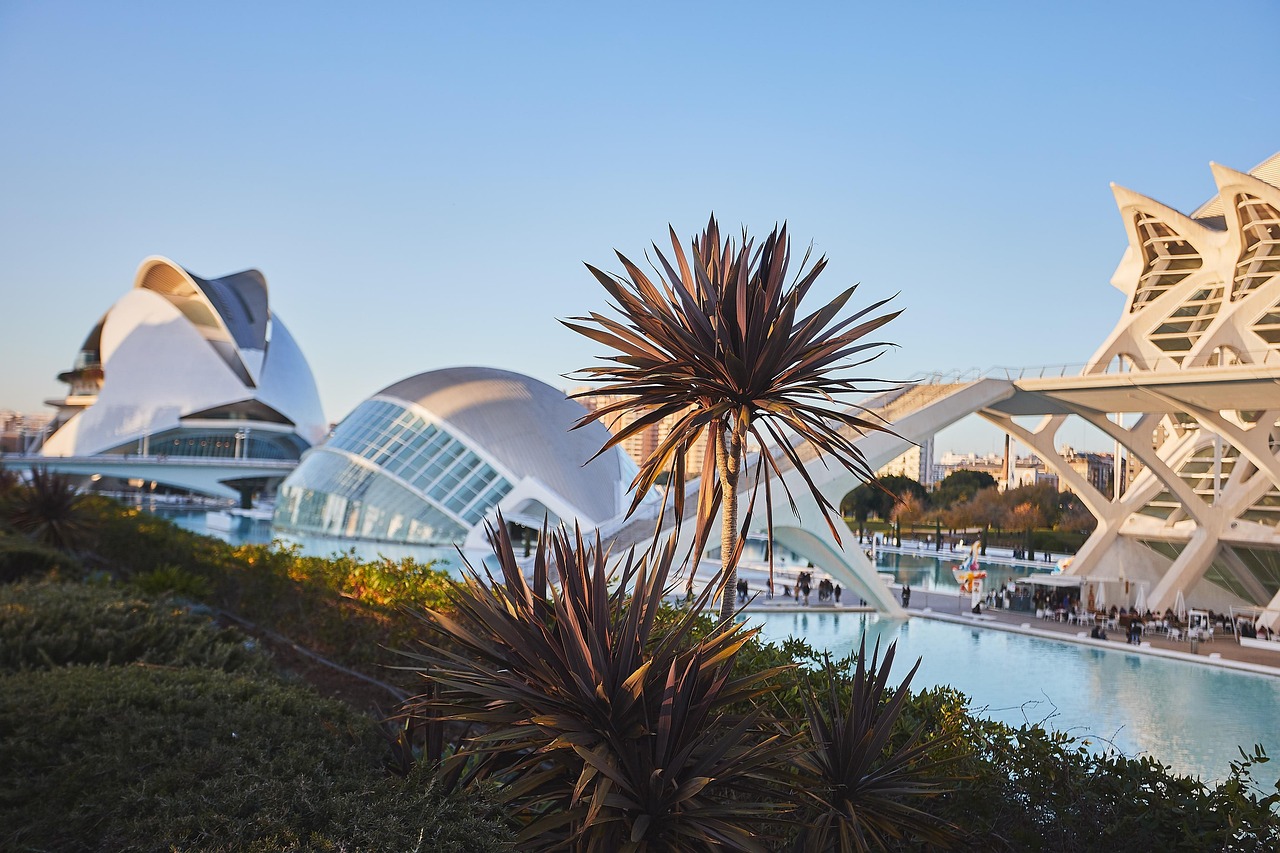
If you're pondering a move, it boils down to pace and personality. Barcelona's a whirlwind—1.6 million souls packed into a coastal frenzy, where every alley hums with global ambition. It's the city that never sleeps, reinventing itself post-Olympics with tech hubs and influencer brunches. Valencia, with its 800,000 residents, stretches out languidly, the Turia Gardens—a 9-kilometer green lung carved from a dried-up riverbed—inviting you to breathe easy. I once spent a whole Sunday pedaling rented bikes through those gardens, past futuristic Ciutat de les Arts i les Ciències domes that shimmer like alien eggshells (Av. del Professor López Piñero, 7, 46013 Valencia; open daily 10am-8pm, varying by exhibit—Hemisfèric shows are €9, worth it for the IMAX stars). The complex is a marvel, especially at dusk when the lights dance on the water pools, but it's not just spectacle; families picnic here, kids shrieking on playgrounds, dogs chasing frisbees. Barcelona's got Park Güell (Carrer d’Olot, 08029 Barcelona; entry slots from 8am-10pm in summer, €10 online), but it's mobbed, a tourist treadmill. Valencia feels more livable, less like you're competing for oxygen.
Which is Better for Digital Nomads?
Valencia's pulling ahead for remote workers. Coworking spots like Wayco (Calle de Sueca, 44, 46004 Valencia; open Mon-Fri 8:30am-8pm, €15/day) buzz with expats tapping away on laptops, fueled by €1.50 cortados. Internet's fiber-fast (average 500Mbps), visas like the nomad one make it seamless, and the vibe? Chill. I holed up there for a month in 2022, debugging code between beach swims—no FOMO from party distractions. Barcelona's got WeWork glamour (Carrer de Tuset, 8-10, 08006 Barcelona; 24/7 access for members, €300/month), but pickpockets shadow your laptop bag, rents spike, and the scene's oversaturated with bro-grammers. Valencia's nomad community is growing—think surf-and-code meetups at Marina Beach—without Barcelona's burnout edge.
Cost of Living Comparison
Money talks loudest here. Barcelona's index hovers around 70 (Numbeo scale), Valencia's a breezy 55. A one-bedroom in Barcelona's Eixample? €1,200-1,800/month. Valencia's Ruzafa neighborhood? €800-1,200 for something with balcony views of street art murals. Groceries: €50/week in Valencia's Mercat Central (Av. de Gimeno Tomás, 46008 Valencia; Mon-Sat 7am-2:30pm, a riot of fresh oysters €1.50 each, horchatas that taste like liquid almonds—spend an hour weaving through stalls piled with Valencian oranges, chatty vendors slipping you free samples; it's UNESCO-listed for a reason, architecture soaring like a tiled cathedral). Barcelona's La Boqueria (La Rambla, 91, 08001 Barcelona; Mon-Sat 8am-8:30pm) is iconic, jamón slices melting on your tongue (€20/100g), but it's pricier, pickpocket central. Dining out: Valencia paella at La Pepica (Passeig Neptú, 6, 46022 Malvarrosa; daily 1pm-midnight, €20/person for authentic rice simmered with rabbit and snails—I've queued two hours for a seaside table, waves crashing, worth every soggy napkin) versus Barcelona's €30+ tapas crawls. Utilities? Valencia €120/month, Barcelona €160. It's not chump change—over a year, you're saving €5k easy.
Safer City for Families?
Barcelona's tourist traps breed petty crime—Las Ramblas snatches bags like clockwork (stats show 1 in 50 visitors hit). I lost a phone there once, lesson learned. Valencia's mellow; neighborhoods like El Carmen feel bohemian-safe, even at 2am. Family stats favor Valencia: lower violent crime (per 1,000: Barcelona 1.2 assaults, Valencia 0.7), cleaner streets. Oceanogràfic in Valencia (Ciutat de les Arts, open 10am-6pm daily, €40 family ticket—dive into the dolphin lagoon, belugas gliding like ghosts; we spent half a day mesmerized, kids pressing noses to glass, emerging salty from mock pirate ship exhibits) is pure joy, less crowded than Barcelona's Aquarium (Moll d'Espanya del Port Vell; 9:30am-11pm, €25/adult—shark tunnel thrills, but lines snake forever).
Best Beaches Showdown
Beaches tip the scales. Barcelona's Barceloneta is gritty-glam: golden sand, chiringuitos slinging mojitos, but summer sardine-packs (Passeig Marítim de la Barceloneta, 08003; open 24/7 beach access). Nudists mingle with jet-skiers, vibe electric but overwhelming—I dodged volleyball spikes last visit. Valencia's Malvarrosa and La Devesa stretch 10km of silky dunes, pine-backed calm (Passeig Marítim, 46011 Valencia; year-round, lifeguards 10am-7pm summer). I bike it end-to-end, stopping for arroz a banda at Casa Isabel (Av. del Neptú, 6; daily 1pm-4pm/8pm-midnight, €18 plates of garlicky rice and fish—tables spill onto sand, sunset pinking the waves; legend since 1933, no reservations, elbow your way in amid locals debating Real Madrid, fresh cigalas grilled to perfection, horchata chasers cutting the seafood richness—pure bliss after a dune nap). Less trash, warmer shallows for kids. Pinedo beach nearby? Wild, empty, perfect kite-surfing.
Food Scene and Nightlife Face-Off
Neck-and-neck, but Valencia's underdog charm wins me. Barcelona's got molecular gastronomy at Tickets (Avinguda del Paral·lel, 164; tasting menus €150+, book months ahead—foie spheres bursting like fireworks). Valencia counters with honest guts: fideuà at Restaurante Navarro (Carrer d'Aragó, 28, 46002; lunch/dinner, €15—thin noodles slick with squid ink, aioli kick). Nightlife: Barcelona's Razzmatazz clubs throb till dawn (Carrer dels Almogàvers, 122; doors 1am-6am, €20 entry). Valencia's Marina Real (Puerto de Valencia; yacht-backed bars hopping midnight-oil), or Canovas rooftop (Gran Vía de les Germanies, 37; 11pm-3am, €10 cocktails overlooking the opera house—sangria flows, DJs spin chill house; intimate, no velvet ropes). Both evolve by '26 with eco-popups, but Valencia's less hungover mornings.
Housing Prices Comparison
Barcelona averages €4,500/sqm in Gràcia; Valencia's Ciutat Vella €3,200/sqm. Post-2026 regulations cap tourist flats in Barcelona, spiking locals—Valencia's gentler boom favors renters.
Retire in Spain: Pros and Cons
Valencia's pros: milder winters (15°C avg), expat enclaves in El Cabanyal (colorful fishermen houses, walkable to beach), healthcare top-tier (Hospital La Fe, world-ranked). Cons: fewer direct flights. Barcelona's cons: crowds erode serenity; pros: culture overload. Valencia's walkscore 95%, Barcelona 92%, but feels airier.
Quality of Life Ranking
Valencia top-20 EU (Mercer), Barcelona mid-40s—pollution, noise drag it. Valencia's bike lanes, siesta culture score high.
Best City Break for Tourists
Barcelona for whirlwind Gaudí-Barceloneta blitz (3 days max). Valencia for unhurried Turia-meets-paella (5 days ideal). Me? Valencia's my forever return—authentic, affordable, alive without the assault. In 2026, it might just be Spain's sleeper king.