



How to Explore Valencia Like a Local in 2026: 12 Must-Know Tips
I first stumbled into Valencia on a whim back in 2012, chasing a lead on some forgotten Moorish tiles for a story I was chasing. Jet-lagged and mapless, I ditched the taxi line at the airport and hopped on the metro to Russafa—now Ruzafa—with nothing but a crumpled note from a friend who'd lived there a decade earlier. That scruffy, graffiti-splashed neighborhood swallowed me whole, spitting me out hours later with a belly full of fresh oysters from a hole-in-the-wall and a realization that this city wasn't about postcard-perfect facades. Valencia, with its sprawling paella fields in the Albufera, hidden coves where the Mediterranean crashes like a secret, and neighborhoods pulsing with the kind of lived-in chaos that tourists miss, rewards those who blend in. If you're plotting your trip for 2026—maybe dodging the post-Olympic hype or just craving authenticity amid the rising buzz—here's how to explore Valencia like a local in 2026. These aren't checklists; they're the hard-won secrets from years of wandering its sun-baked streets, eavesdropping on abuelos at vermouth hour, and learning the hard way that blending in means ditching the guidebook glow.
1. Wake Up in El Cabanyal, the Fishermen's Quarter
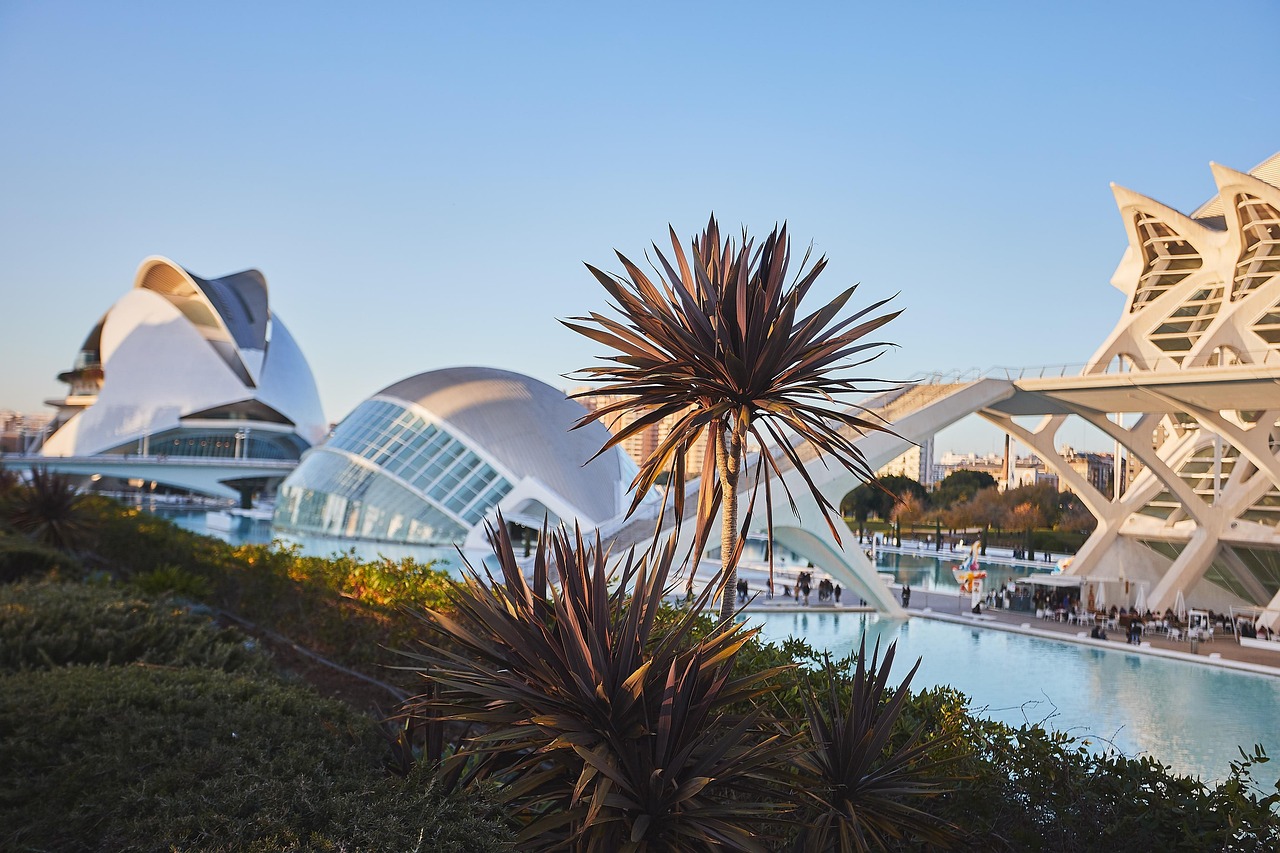
Forget the gleaming City of Arts and Sciences on day one. Yeah, it's a futuristic marvel, but locals treat it like that fancy cousin you visit once a year. Instead, wake up in El Cabanyal, the old fishermen's quarter hugging the beach, where laundry flaps from wrought-iron balconies and the air smells of salt and grilled sardines. I rented a tiny flat there last spring, steps from the sand, and watched fishermen haul in the dawn catch.
2. Breakfast Ritual at Casa Montaña
Start your mornings with a café con leche at Casa Montaña (Calle de José Benlliure, 69, 46011 Valencia; open Tue-Sat 1pm-4pm and 8pm-midnight, Sun 1pm-4pm; closed Mon). This 1836 bodega feels like stepping into your eccentric uncle's basement—barrels stacked to the ceiling, hams dangling like stalactites, and a clientele of salty-haired locals nursing txakoli wine from tiny glasses. Order the anchovies in vinegar (they're plump, briny bursts that make you forget tinned supermarket sludge) or the stuffed squid in ink, which arrives steaming, tentacles curled like a lover's embrace. The walls are papered with faded photos of fishermen posing with tuna the size of toddlers; chat up the bartender, who's probably seen more sea storms than you have birthdays. It's not just food—it's a ritual. Locals linger for hours, dissecting the day's soccer scores or the latest regatta gossip. I once spent three hours there after getting turned around on my bike, emerging with a new friend who insisted on driving me home. Budget €30-40 per person, but the stories are priceless. This spot alone is a masterclass in how to avoid tourist traps in Valencia 2026, where the beachfront joints will fleece you for watery sangria while charging double for half the soul.
3. Bike the Turia Gardens' Hidden Paths
Wander from there into the Turia Gardens, but not the touristy stretch near the bridges. Locals bike the full 9km loop, dodging joggers and picnickers under the canopy of orange trees that drop fruit like confetti in winter. Rent a Valenbisi bike (stations everywhere, €1 first 30 mins via app)—it's the hack every resident swears by. Pedal south toward the Bioparc if you've got kids, but veer off into the lesser-trodden paths where feral cats sun themselves on ancient bridges. This is prime territory for Valencia hidden gems only locals know 2026, like the forgotten Viveros citrus groves tucked behind the Palacio de Congresos. Pluck a fallen orange (they're free and explosive with juice), slice it with your pocketknife, and eat it standing amid the blossoms. The scent hits you first—floral, zesty, almost dizzying—before the tart spray coats your chin. I did this once during a solo trip, juice dripping down my shirt as a group of Valencian teens zoomed by on scooters, laughing and yelling "¡Guiri!" (foreigner) until I yelled back in broken Spanish, earning grins and an invitation to their asado.
4. Mercado de Ruzafa: What Locals Eat and Do
By noon, hunger strikes again, and that's when you pivot to what locals eat and do in Valencia: markets that aren't the postcard-pretty Mercado Central. Head to Mercado de Ruzafa (Calle del Pintor Gisbert, 1, 46006 Valencia; open Mon-Sat 9am-2:30pm, closed Sun). This is the beating heart of the neighborhood, a riot of color in a converted cinema with stalls hawking spiky sea urchins, heirloom tomatoes that taste like summer, and piles of arroz bomba rice destined for paella. I got hooked here on my third visit, haggling (badly) for a kilo of garrofó beans from a vendor named Maria, who slipped me extra olives "para el guiri simpático." Squeeze through the crowds—pensioners elbowing for the freshest cuttlefish, hipsters eyeing artisanal cheeses—and grab a stool at one of the bars for a plato del día: think fideuà (noodle paella) slick with seafood broth, or grilled sepia that snaps under your teeth. The air hums with vendors hawking "¡Fresquito!" and the sizzle of planchas. It's chaotic, unpretentious, with zero English menus—perfect training for immersion. Spend €15 on lunch and a bag of provisions, then picnic in nearby Trinidad Bernard neighborhood park. Ruzafa itself is gold for insider tips for Valencia neighborhoods: street art murals that shift with each festival, vintage shops like Borges 17 (Calle de Cádiz, 17) stuffed with 70s records and leather jackets, and cafés where remote workers sip horchata (that creamy tiger-nut drink, thicker than rice pudding, served iced with fartons—those sugar-dusted pastries you dip till they disintegrate).
5–6. Secret Beaches and Markets Locals Love
Afternoons call for the beach, but skip the crowded Malvarrosa boardwalk where tourists slather on factor 50 and order mojitos at €12 a pop. Locals head to secret beaches and markets in Valencia locals love, reached by bus 25 from the city center (25 mins, €1.50). El Saler beach (Playa del Saler, Parque Natural de la Albufera, no exact address but access via Camí del Saler; open 24/7, free). This pine-backed stretch is wilder, with dunes whispering in the breeze and water so clear you spot mullet darting below. I arrived once at golden hour, the sun melting into the sea, and joined a family roasting corn over a driftwood fire—permitted here, unlike the patrolled main beaches. Waves crash with a rhythmic roar, carrying the faint brine of posidonia seagrass, and the sand is scorching underfoot until you hit the surf. Walk 2km north to the wrecked ship skeletons, perfect for photos without the selfie-stick hordes. Nearby, the mercado de abastos in El Palmar village sells fresh oysters straight from the lagoon (€1 each, slurped with lemon from the shell). It's raw, elemental Valencia—no lifeguards barking orders, just the elements reminding you who's boss. I swam till my fingers pruned, then napped under the pines, waking to the distant hum of cicadas. Valencia travel hacks from residents 2026? Bus it early (before 10am) to claim a shady spot; pack a cooler with Ruzafa market finds.
7. Authentic Paella in El Palmar
As the sun dips, ease into paella territory, but the authentic Valencia itinerary for locals 2026 skips the lakeside tourist traps. Rent a car or e-scooter for the 15km hop to El Palmar in the Albufera Natural Park (main access via CV-500). Locals swear by Casa Julia (Camí Vell de El Palmar, 5, 46012 El Palmar; open daily 9am-5pm, reservations essential via +34 961 620 057). Tucked amid rice paddles that glow emerald at dusk, this family-run spot has been slinging paella since 1959. The arroz a banda—rice cooked in fish stock, served with alioli—is transcendent: grains separate yet soaked in umami, flecked with monkfish and prawns that pop with sweetness. I went with a local architect named Paco, who ordered the all-i-peix (rice with fish and veggies), insisting I try it "sin trampa" (no tricks). The dining room overlooks the lagoon where egrets fish at twilight, and the wine list favors crisp Utiel-Requena whites. €25-35/head, but linger for the digestif of herbero (anise liqueur made onsite). Paddle a boat through the rice fields beforehand (rentals €10/hr at nearby bases)—the air thick with frog croaks and the slap of oars. This is Valencia day trips like a local guide at its finest: serene, seasonal (best spring/fall 2026 to dodge summer heat), and utterly immersive.
8. Pintxos Crawl in Barrio del Carmen
Back in town, evenings unfold in Barrio del Carmen (Ciutat Vella), but burrow deeper than the Instagram alleys. Wander Calle Baja for pintxos crawls—those Basque-style bites on bread skewers—at La Bodeguilla del Gato (Calle Baja, 5, 46001 Valencia; open Mon-Thu 7pm-midnight, Fri-Sat 1pm-4pm & 7pm-1am, Sun closed). Dimly lit with jazz humming, it's packed with twenty-somethings and artists spearing croquetas oozing jamón or foie-wrapped dates in balsamic reduction. The txakoli pours frothy from the tap, and the vibe? Electric yet intimate, with graffiti peeking through velvet curtains. I nursed a vermut here after a rain-soaked hike, the warmth seeping into my bones as conversations swirled in Valenciano. €20 does a feast; it's where locals decompress post-work.
9. Nightlife at Radio City in Ruzafa
For nightlife without the velvet-rope nonsense, hit Radio City (Calle Santa Teresa, 19, Russafa; open Wed-Sat 11pm-6am). This cavernous warehouse throbs with indie bands and DJs spinning flamenco-electronica fusions. I danced till 4am once, sweat-soaked amid locals who move like they've got rhythm in their DNA—hips swaying, hands clapping overhead. Cover €5-10, drinks €4; arrive post-1am.
10. Best Off the Beaten Path Spots: Poblats Marítims
Day two? Best off the beaten path spots in Valencia await in Poblats Marítims. Ferry across to La Malvarrosa proper, but detour to the Canyamelar market (Carrer de l'Atlàntic, 111, 46017; Tue-Sat 9am-2pm). Raw fish, local cheeses, and vermella (sobrasada sausage) that locals slather on pan con tomate. From there, hike to the Torre de Benicalap ruins for panoramic views minus crowds.
11. Valencia Day Trips Like a Local Guide
Extend outward with a Sagunto day trip (train 40mins, €4). Explore the Roman theater (Plaza Cronista Chabret, s/n, 46500 Sagunto; open Tue-Sun 10am-2pm & 4pm-8pm, €3) carved into a hilltop castle. I picnicked there with manchego and membrillo, the Med shimmering below.
Or Requena, 1hr by bus, for underground wine cellars (Bodegas Navarro López, Plaza de la Concepción, 46500 Requena; tours daily 10am-6pm, €12). Labyrinthine tunnels cool as a cave, barrels yielding bold bobal reds.
12. Insider Rhythms, Festivals, and Budget Hacks
Insider rhythm: Siesta 2-5pm. Shop at Colmado La Lenta (Calle del Almirante, 12, Russafa) for olives and turrón.
Festivals in 2026: Las Fallas (March)—burn effigies, eat churros. Mercat de Nit (nights)—street food frenzy.
Budget hacks: Metro pass (€10/week), hostels in Russafa (€25/night), free gardens.
Valencia's magic is its pulse—orange-scented, rice-steamed, wave-crashing. Go slow, speak Spanish phrases ("¿Cuánto es?"), laugh at mishaps. You'll leave sunburned, stuffed, and locals at heart.