


10 Proven Ways to Get Around Valencia Without a Car in 2026
I still remember that humid August afternoon in 2019 when I stepped off the plane at Valencia Airport, backpack slung over one shoulder, no rental car keys jingling in my pocket. I'd sworn off driving in Europe after a nightmare traffic jam in Rome years back—horns blaring like angry geese, scooters weaving through gridlock. Valencia, with its sun-baked streets and paella-scented air, felt like the perfect place to test my car-free vow. Little did I know, it would become my blueprint for every return trip, refined over half a dozen visits, and now updated for 2026 with fresh apps, expanded lines, and that post-pandemic push toward greener rides. If you're wondering how to get around Valencia Spain without a car, you've landed in the right spot. This isn't some sterile checklist; it's the gritty, joyful reality of zipping through this Mediterranean gem on foot, rail, pedal, and wheel—saving cash, dodging parking hell, and inhaling the orange blossom breeze along the way.
1. Metro from Valencia Airport to the City Center
Let's start where most journeys do: the airport. Forget taxis queuing like vultures; the metro is your sleek savior. Line 3 or 5 whisks you from Valencia Airport (Manises, Aeropuerto station) straight to the city center in about 25 minutes. Tickets? A single ride's around €4.20 in 2026 (up a smidge from pre-COVID fares), but grab the €12.50 10-trip Móbilis pass for multiple hops—it's shareable, too, if you're traveling with a mate who snores on public seats. I once watched a family juggle suitcases on that crowded train during Las Fallas festival, laughing as fireworks smoke wafted in from open doors. Pro tip born from sweat: the Xàtiva station drops you smack in the heart, steps from the Turia Gardens. For the ambitious (or cash-strapped), there are walking routes from Valencia airport to city center, but honestly, after a red-eye flight, lugging bags 12km along suburban sidewalks feels masochistic. Stick to the rails unless you're channeling some ultra-marathoner vibe.
2. Mastering Valencia's Metro Network
Once downtown, the metro becomes your urban vein. Valencia's Metrovalencia sprawls like a spiderweb—five lines, 170 stations if you count trams and buses in the ecosystem. Pull up the Valencia metro map tickets and fares 2026 on the official EMT app or website (emtvalencia.es); it's interactive, with real-time disruptions (because strikes happen, siesta-style). Fares range from €1.50 one-way to €8.50 for a full-day summons pass covering metro, bus, tram, and bike docks. I got hooked during a rainy November trip, ducking underground from Colón station to marvel at the futuristic platforms lit like sci-fi sets. It's efficient, air-conditioned bliss, but watch for pickpockets in tourist-heavy spots like Alameda—keep that phone zipped.
3. Buses: Routes and Passes for Visitors
Buses? They're the unsung heroes, especially for bus passes and routes for Valencia visitors. The EMT network blankets the city with 60+ lines, color-coded on maps that look like a kid's crayon explosion. The Valencia Tourist Card (from €15 for 24 hours) bundles unlimited rides plus museum discounts—buy it at the airport info desk or online. Route 19 hugs the coast to Malvarrosa Beach, where waves crash like applause and chiringuito beers foam under striped umbrellas. I once hopped the N1 night bus after a late-night horchata binge at Santa Catalina market, swaying home as neon horchaterías blurred by. Fares are €1.50 single, but passes make sense if you're beach-hopping. Schedules shift seasonally—summer sees extras to the beaches—but the app's got live tracking, no guesswork.
4. Trams to Beach Destinations
For that salty seaside fix, trams shine. The Valencia tram schedule beach destinations is a dream for car-avoiders: Line 4 or 6 from Pont de Fusta glides to El Cabanyal in 15 minutes, then on to Malvarrosa or the futuristic Oceanogràfic. Tickets mirror metro prices; use contactless cards now standard in 2026. Picture this: tram doors hiss open at Neptú station, spilling you onto sand where locals kick footballs and paella pans sizzle nearby. Last summer, I rode it post-surf lesson, board under arm, dripping seawater everywhere—conductor just grinned. It's sustainable, scenic, and sidesteps the parking wars that plague beach roads.
5. Best Bike Rentals for Tourists
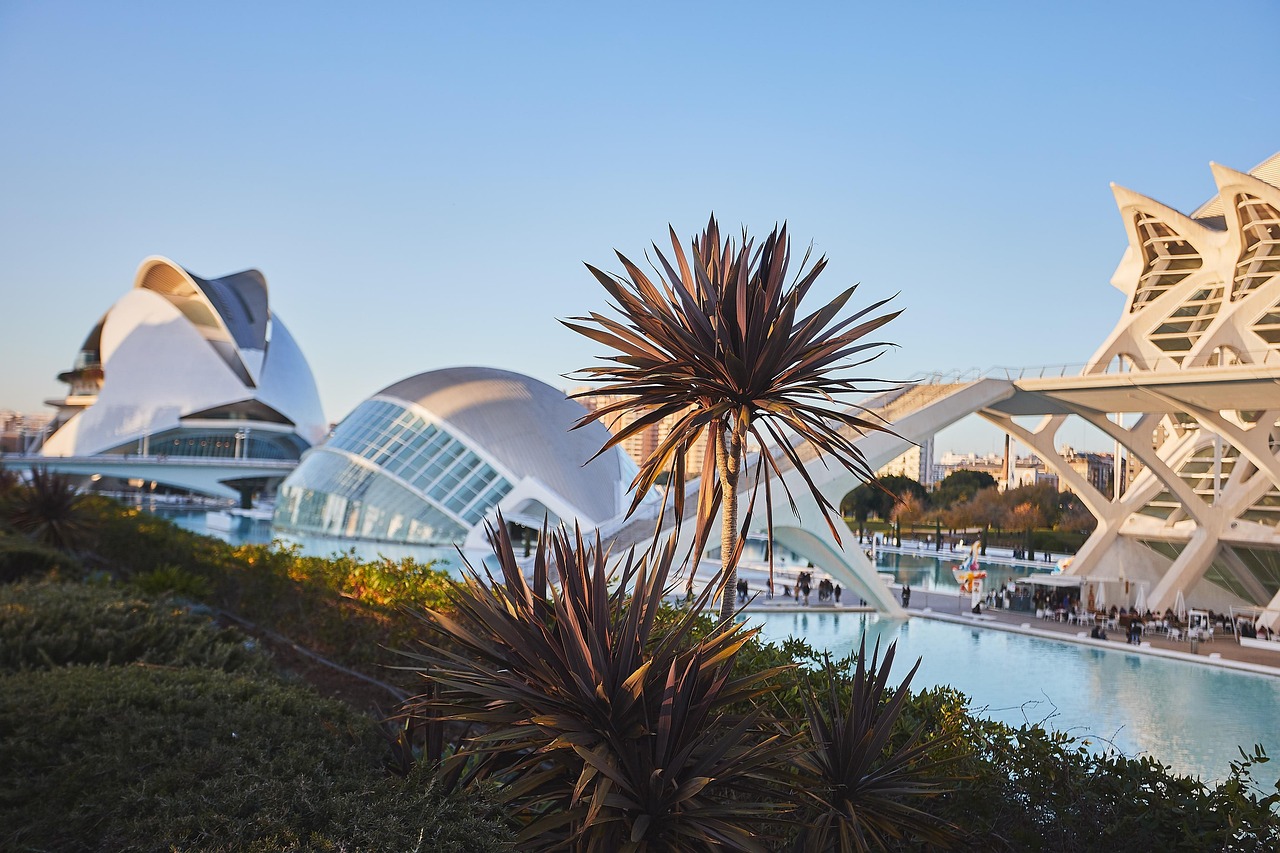
Pedal power? Valencia's flat as a paella pan, begging for bikes. Valenbisi, the public system, rules with 300+ stations—rent a classic or electric for €1.04 first half-hour, scaling up minimally. Download the app for best bike rentals for tourists in Valencia; it's idiot-proof with geolocation docks. I pedaled the Turia Gardens' 9km path once, from Bioparc's monkey shrieks to the City of Arts & Sciences' glowing domes at dusk—wind in hair, no gas fumes. For premium picks, try Valencia Bike Rental at Carrer de les Garrigues 3 (open 9am-8pm daily, €15/day for e-bikes with locks/helmets included). They've got 200+ bikes, English-speaking staff who map custom routes, and even guided tours (€35, 3 hours). I rented there during a solo trip, cruising Ruzafa's graffiti alleys, stopping for cortado at cozy Bonica Café. Half a day in, my thighs burned, but the freedom? Priceless. Expect queues in peak season, so book ahead via valenciabikerental.com—stations jam up fast.
6. Electric Scooters for Zipping Around
Scooters add zippy rebellion. Electric scooter sharing apps Valencia like Lime, Bird, or local Acciona (acciona-sostenible.es) pepper sidewalks—unlock via app for €0.25/minute plus unlock fee. I zipped from Russafa to Mercado Central on one, dodging tapas tourists, the motor's hum blending with street buskers' guitars. Helmets mandatory (fines sting), and geofences keep you from highways. Docks are everywhere, but charge levels vary—I've pushed a dead one uphill, cursing in Spanglish. Sustainable? Hell yes, electric and dockless vibes.
7. Sustainable Transport: Walking the Old Town
Walking's the soul of it all, especially in the sustainable transport options Valencia old town. Ciutat Vella's labyrinth—Cathedral quarter, La Lonja silk exchange—unfolds on foot. From Plaza de la Reina, wander to Central Market (Av. de Giménez y López, s/n; open Mon-Sat 7am-2:30pm, closed Sun; a 1928 modernist marvel with 1,200 stalls of jamón ibérico, oysters shucked fresh, and ladies yelling "¡frescos!"—I lost hours there, sampling percebes that tasted like ocean brine, bargaining for saffron at €5/gram. The market's vaulted ceilings echo haggling, air thick with olive oil fry-ups; it's 500m from metro Xàtiva, perfect post-ride). Stroll to La Lonja (Carrer de la Llotja, 2; open Tue-Sat 10am-2pm & 4:30-6:30pm, Sun 10am-2pm; UNESCO gem with twisted columns like frozen flames, Gothic carvings whispering trade tales—spent a rainy afternoon tracing rope motifs, imagining silk merchants. Entry €2, audio guide free; nearby Horchatería Daniel at Carrer dels Germans rights (open daily 8am-midnight) for tiger-nut drink that slides like liquid silk, €2.50/glass). No cars penetrate these alleys—pedestrian-only bliss, with orange trees dropping fruit like confetti. It's slow, sweaty, utterly alive.
8. Train Day Trips, No Car Required
For horizons beyond the city, trains beckon. Train day trips from Valencia no car needed via Renfe's Estació del Nord (Carrer de Xàtiva, 24; open daily 5am-11pm) are effortless. To Sagunto's Roman ruins (30min, €5), or Cullera's dunes (45min, €6)—buy tickets on renfe.com or app, with high-speed AVE to Madrid if you're ambitious (1h40m, €30-60). I day-tripped to Requena for bodega crawls, train rattling past vineyards heavy with tempranillo grapes, returning tipsy with €10 bottles. No driving fatigue, just vinous dreams.
9. The Ultimate Public Transport Guide for Valencia 2026
Tie it all together with smart passes: The public transport guide Valencia 2026 hails the SUMA card (€4.04 loadable, 10% discount for tourists) or €9.50 72-hour pass—covers all metro/bus/tram/bike. Load via machines or app; I maxed one out, hopping from beach to old town without a peso wasted.
10. Why Go Car-Free in Valencia
A decade navigating Valencia car-free, I've scraped knees on scooter spills, bonded with grannies on buses sharing empanada crumbs, chased sunsets on bikes. It's chaotic, fragrant, liberating. In 2026, with EV expansions and app integrations, it's even smoother. Ditch the keys—Valencia's rhythms pulse best without them.
Quick Tips for 2026:
- Download EMT, Renfe, and Valenbisi apps first thing.
- Get a SUMA or Tourist Card for unlimited value.
- Watch for seasonal schedules and festivals.
- Stay sustainable—opt for bikes, walks, and electric options.