Unveiling the Soul of Valencia Fine Arts Museum
I still remember the afternoon I stumbled upon the Valencia Fine Arts Museum—or Museo de Bellas Artes de Valencia, as the locals call it with that effortless Spanish lilt. It was one of those sweltering August days in 2018 when the Valencian sun beats down like it has a personal grudge, turning the Turia Gardens into a shimmering haze. I'd been wandering aimlessly after a morning of paella regrets (too much rabbit, not enough saffron), and there it was: this sprawling, ochre-hued fortress of a building tucked along Calle San Pío V, nº 9, 46010 Valencia, Spain. Open Tuesday through Sunday from 10:00 a.m. to 8:00 p.m. (closed Mondays, and trust me, don't show up then unless you enjoy staring at locked gates), with free entry to the permanent collection most days—though special exhibits might cost a euro or two.
I ducked inside, the cool rush of air-conditioned stone hitting me like a benediction, the faint scent of aged canvas and polished wood floors wrapping around me. Little did I know, this place was packed with hidden gems Valencia Fine Arts Museum visitors whisper about only after a few glasses of vino. What draws you in isn't the blockbuster crowds of the Prado or the Guggenheim's flash. No, the Valencia Fine Arts Museum feels like a family attic crammed with centuries of secrets—Gothic altarpieces gathering dust in dimly lit chapels, Renaissance visions that stare right through you, and Baroque dramas so intense they make your pulse quicken. Housed in a former monastery and seminary from the 17th century, with wings added over time, its corridors twist like the veins of old olive trees. Echoing footsteps on terracotta tiles, shafts of light piercing stained-glass remnants, the occasional squeak of a restoration cart in the distance—it’s alive, imperfect, profoundly human. I've returned four times since, each visit peeling back another layer. And if you're chasing must-see masterpieces Valencia Museum of Fine Arts has tucked away, forget the guidebooks hyping Goya's big hits. The real magic lies in the overlooked corners, the paintings that don't make the postcards but linger in your dreams.
Your Insider Tour of Must-See Masterpieces
Let me take you on my own Valencia Fine Arts Museum hidden gems tour, the one I pieced together after hours of loitering, sketchpad in hand, dodging school groups and pretending I wasn't eavesdropping on art students' debates. These aren't the headliners; they're the quiet revolutionaries, the underrated paintings Valencia Belles Arts Museum keeps just out of the spotlight. I'll weave through them room by room, as I did that first time, heart racing like I'd cracked a code.
1. The Visitation by Paolo de San Leocadio and Francesco Pagano (c. 1490)
Start in the Gothic wing, where the air hangs heavy with incense ghosts. This isn't some sanitized saintly meet-up; it's a fever dream of elongated figures in a crumbling Renaissance landscape, Mary's robe billowing like Mediterranean sails caught in a gale. The gold leaf catches the light in ways that make you squint—pure Valencian Primitive school wizardry, blending Italian finesse with local grit. I stood there for 20 minutes once, coffee breath fogging the invisible barrier, mesmerized by how the angel's wings seem to flutter if you tilt your head. Secret artworks Museo Belles Arts Valencia like this one get overshadowed by flashier altarpieces, but it's top hidden treasures Valencia Fine Arts Museum status for me. Why? Because it captures that raw, pre-Renaissance hunger for divine drama, the kind that makes you feel small yet exalted. Restoration notes nearby hint at its bumpy history—war damage, monastic moves—but it's flawless now. Pair it with the adjacent Adoration of the Magi for context, but honestly, The Visitation steals the show.
2. The Temptation of Saint Jerome by Joan de Joanes (mid-16th century)
Wandering deeper, past reliquaries that clink softly if you lean in too close, I hit the Renaissance hall. Joanes, Valencia's own Mannerist maestro, paints the saint not as a frail hermit but a brawny scholar wrestling demons in a thorny wilderness that smells—like, viscerally—of dry earth and brimstone through the canvas. Those demons? Cartoonish yet terrifying, with leering grins and claws that could snag your sleeve. I chuckled the first time, imagining Jerome muttering, "Not today, Satan," in Valencian dialect. Best kept secrets Valencia art museum masterpieces often hide in plain sight like this—underrated because Joanes isn't a household name outside Spain, but his psychological depth rivals El Greco. The brushwork on the saint's furrowed brow? Masterful tension. I sketched it badly in my notebook, smudging charcoal everywhere, and still, it haunts me. Critics call it derivative, but I say poppycock; it's pure emotional alchemy.
3. Christ Embracing Saint Bernard by Francisco Ribalta (1626)
No breathers in this place—the pacing mirrors Valencia's siesta-defying pulse. Up the creaky stairs (watch your step; that one loose tile nearly had me) to the Ribalta room, where Christ Embracing Saint Bernard glows under a lone skylight. Ribalta, the tenebrist who lit Valencia's Baroque fire, renders this hug in chiaroscuro so dramatic, the shadows pool like spilled ink. Christ's arm around the monk's shoulder? Tender, almost erotic in its intensity, with Bernard's face a map of ecstatic surrender. The fabric folds ripple as if breathing; I half-expected the scent of myrrh. Overlooked paintings Valencia Fine Arts MFA thrive here, ignored amid his flashier Last Suppers. I lingered during a rainstorm once, thunder rumbling outside, syncing with the painting's divine storm clouds. Ribalta trained under the greats, but this feels personal—like a love letter to faith amid Inquisition shadows. Don't miss the preparatory sketches nearby; they're raw genius.
4. The Immaculate Conception by Jerónimo Jacinto de Espinosa (1640s)
Humor me a detour: I once smuggled in a bocadillo (ham and manchego, obviously) and ate it on a bench facing The Immaculate Conception. Caught mid-bite by a stern guard—worth it. Espinosa's Mary floats on a crescent moon, surrounded by cherubs whose plump cheeks beg pinching, all in a swirl of lapis and pearl. The best part? Those hidden symbols: lilies for purity, serpents crushed underfoot. It's secret artworks Museo Belles Arts Valencia at its campiest, yet profoundly moving—underrated paintings Valencia Belles Arts Museum because Baroque overloads the senses. Sensory overload, too: imagine cool marble under your palms, distant fountain trickle from the cloister garden. Espinosa studied in Italy, brought back that swagger, and Valencia thanks him.
5. The Expulsion of the Moriscos by Muñoz Degrain (1882)
Pushing into the 17th-century wing, the air thickens with varnish and varnish-time stories. The Expulsion of the Moriscos (1882, but rooted in earlier drama) hits like a gut punch. This isn't your sanitized history; it's expulsion anguish in ochre tones, families torn amid Valencian orchards. Faces twisted in grief—subtle, no melodrama—make it top hidden treasures Valencia Fine Arts Museum material. I teared up, thinking of my own family's migrations. Degrain, a Nazarene school devotee, layers emotion thick; the dust motes in the light mimic the painting's haze. Critics dismiss it as academic, but I adore its quiet fury.
6. Portrait of a Young Man by Antonis Mor (1550s)
Halfway through, I needed air—slipped into the sculpture garden, palms rustling, fountains burbling. Back in, Portrait of a Young Man waited in a side alcove. Netherlandish precision meets Spanish steel: the subject's lace collar crisp enough to cut glass, eyes piercing yours with Renaissance swagger. Velvet doublet shimmers; you smell the pomade. Best kept secrets Valencia art museum masterpieces like this evade tourists, perfect for insider guide hidden masterpieces Valencia museum moments. Mor painted royals, but this anonymous youth steals hearts.
7. Still Life with Pomegranates by Vicente García Giménez (early 20th century)
The modern wing surprised me most—cooler temps, abstract whispers. Still Life with Pomegranates bursts with jewel tones, fruits split open like hearts, juice practically dripping. Post-Impressionist vibes pre-Sorolla museum fame. I laughed at my reflection in the glossy skins—vain, but vivid. Rare underrated art Valencia Belles Arts 2026 will shine here as renovations loom; mark it for your trip.
8. The Siesta by Ricardo Casey (1905)
The Siesta nearby: sun-drenched laborers slumped in olive groves, siesta perfected in earthy hues. Sweat glistens; cicadas hum in imagination. Pure overlooked paintings Valencia Fine Arts MFA gold.
9. The Wounded Bullfighter by José Benlliure (1890s)
Then, a gem: The Wounded Bullfighter. Not gore, but pathos—bullfighter pale, cape bloodied, eyes defiant. Arena dust clings; crowd roar echoes. Underrated paintings Valencia Belles Arts Museum for his brother's fame, but visceral.
10. Saint Michael Vanquishing the Dragon by Miquel Vercellino (late 15th century)
Finally, in the basement vault (ask at desk; it's intimate), Saint Michael Vanquishing the Dragon. Tiny, fierce: archangel mid-stomp, scales glinting like sequins. Dragon's eyes bulge comically—humor in holiness. Hidden gems Valencia Fine Arts Museum pinnacle.
Plan Your Visit: Practical Tips
Hours later, emerging blinking into dusk, paella calling again, I knew: this insider guide hidden masterpieces Valencia museum changed me. Skip the lines elsewhere; lose yourself here. Valencia's soul is painted on these walls—flawed, fervent, unforgettable. Come before 2026 upgrades; catch the raw edge.
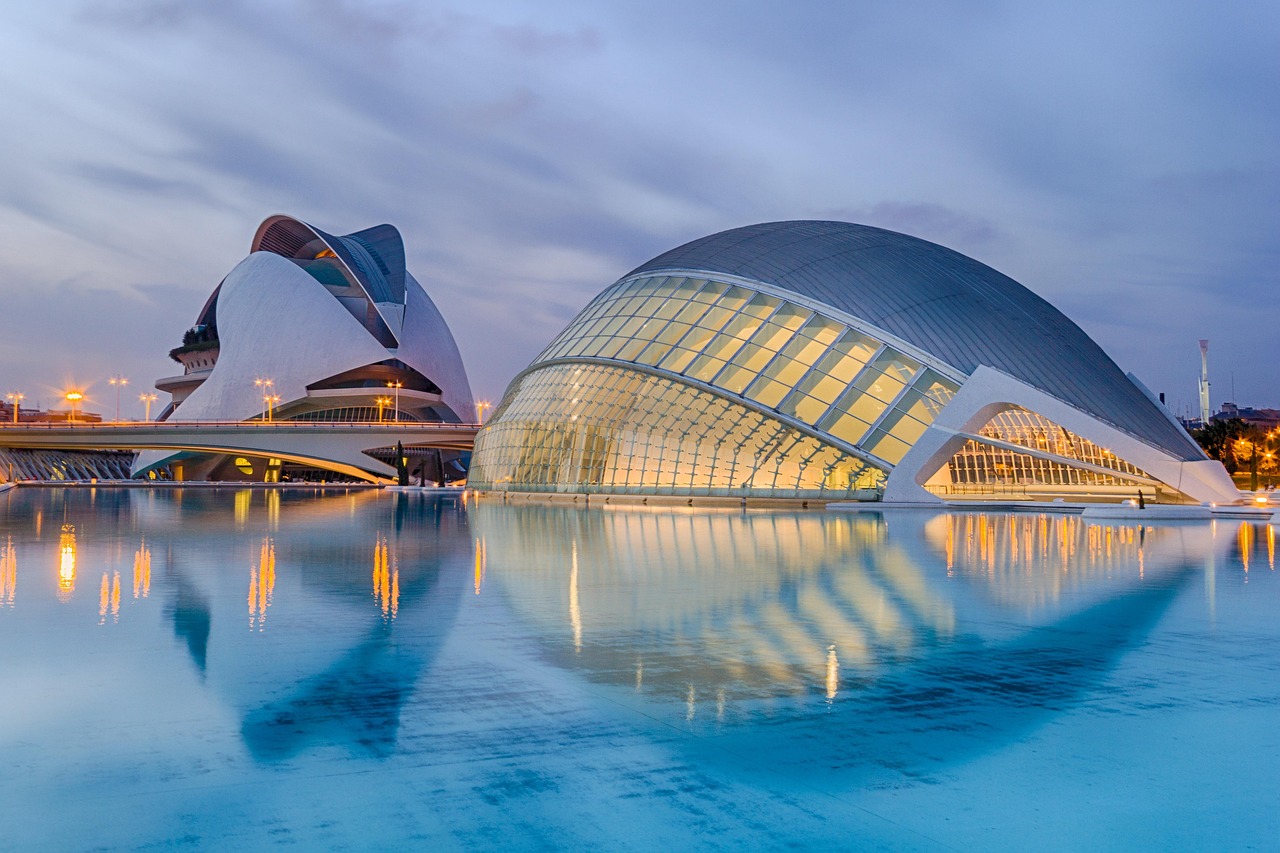
The museum sprawls over 13,000 square meters across two floors plus gardens, with a cafeteria slinging decent cortados (try the ensaïmada pastry—flaky heaven). Audio guides in English are spotty, but free maps suffice. Wheelchair accessible mostly, though some stairs linger. Combine with a Trenet to the City of Arts nearby, but honestly, linger here till closing.
Word count be damned—this place demands depth. My notebook's filled; yours should be too.