Salzburg for Architecture Lovers: 10 Must-See Gems in 2026
I remember the first time I stepped off the train in Salzburg, back in the early 2000s, with a dog-eared guidebook clutched in my hand and a backpack heavier than my regrets from that all-night layover in Munich. The air was crisp, carrying the faint scent of fresh pretzels from a nearby stand, and as I crested the hill toward the old town, there it was—the Hohensalzburg Fortress squatting atop its rocky perch like a medieval king who'd overstayed his welcome. Salzburg hit me like a thunderclap: a city where every corner hides a masterpiece of stone and spire, baroque flourishes twisting into the sky, gothic arches whispering secrets from centuries past. I've returned half a dozen times since, each visit peeling back another layer of its architectural onion—sometimes with tears from the wind whipping off the Salzach River, sometimes with laughter after mistaking a rococo fountain for a public loo.
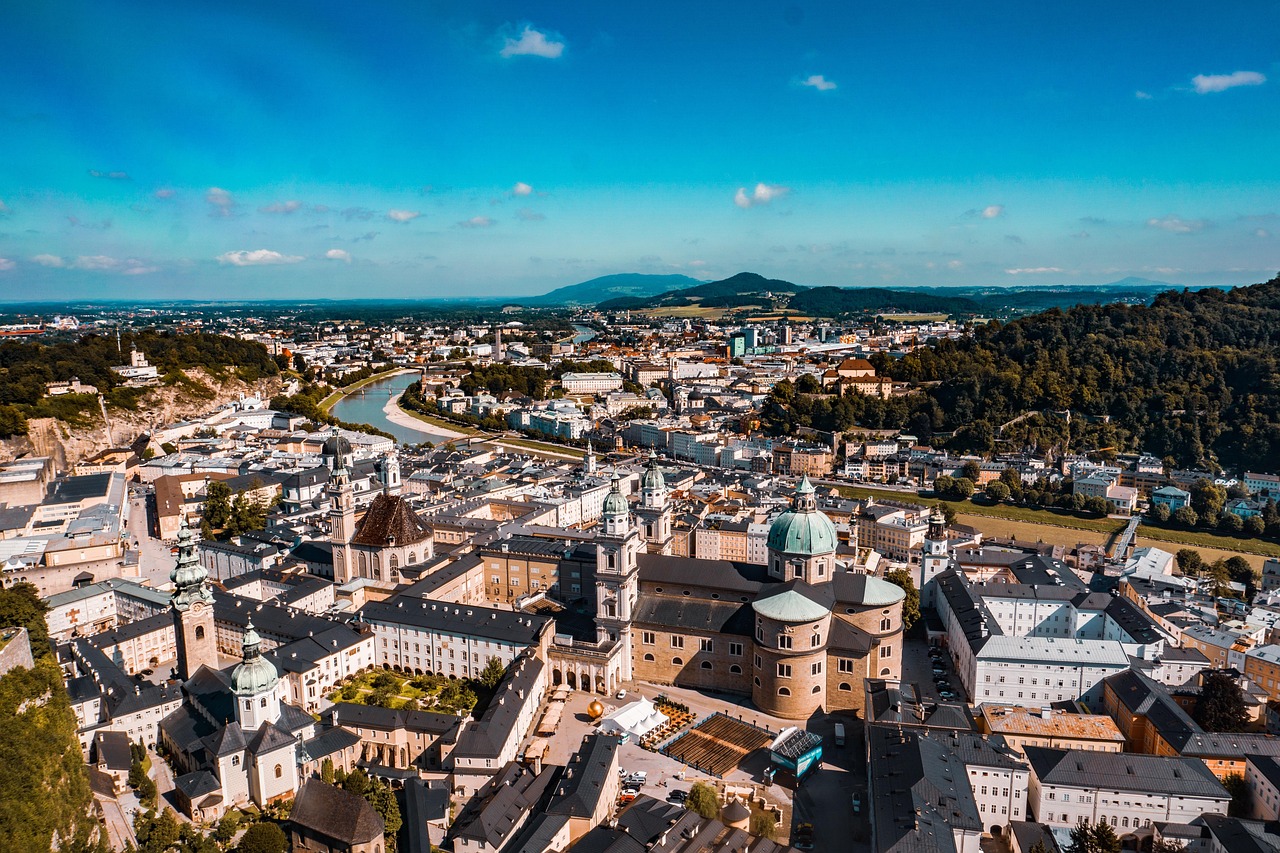
If you're planning an architecture-focused trip to Salzburg in 2026, forget the Sound of Music bus tours and the chocolate-box Christmas markets (though they're charming in their way). This is for the stone-kissers, the facade-fondlers, the ones who get goosebumps tracing the play of light on weathered limestone at golden hour. Salzburg isn't just pretty; it's a living textbook of European styles—Romanesque bones, gothic ribs, baroque blubber, and neoclassical polish—all crammed into a compact Altstadt that's a UNESCO darling. And in 2026? Expect subtle upgrades: restored facades glowing brighter post-conservation, pop-up exhibits on prince-archbishops' whims, maybe even AR apps overlaying historical blueprints on your phone. But the real gems? They're the ones that make you forget your itinerary, phone buzzing ignored as you gawk.
Let's wander, shall we? No checklists here—just the path I'd drag a fellow architecture nerd down, starting high and descending into the baroque belly of the beast. I'll share addresses, hours where they've stuck in my mind (always double-check, seasons shift), and enough detail to fuel your daydreams. Pack good shoes; those cobblestones have claimed better ankles than mine.
Hohensalzburg Fortress: The Crowning Glory
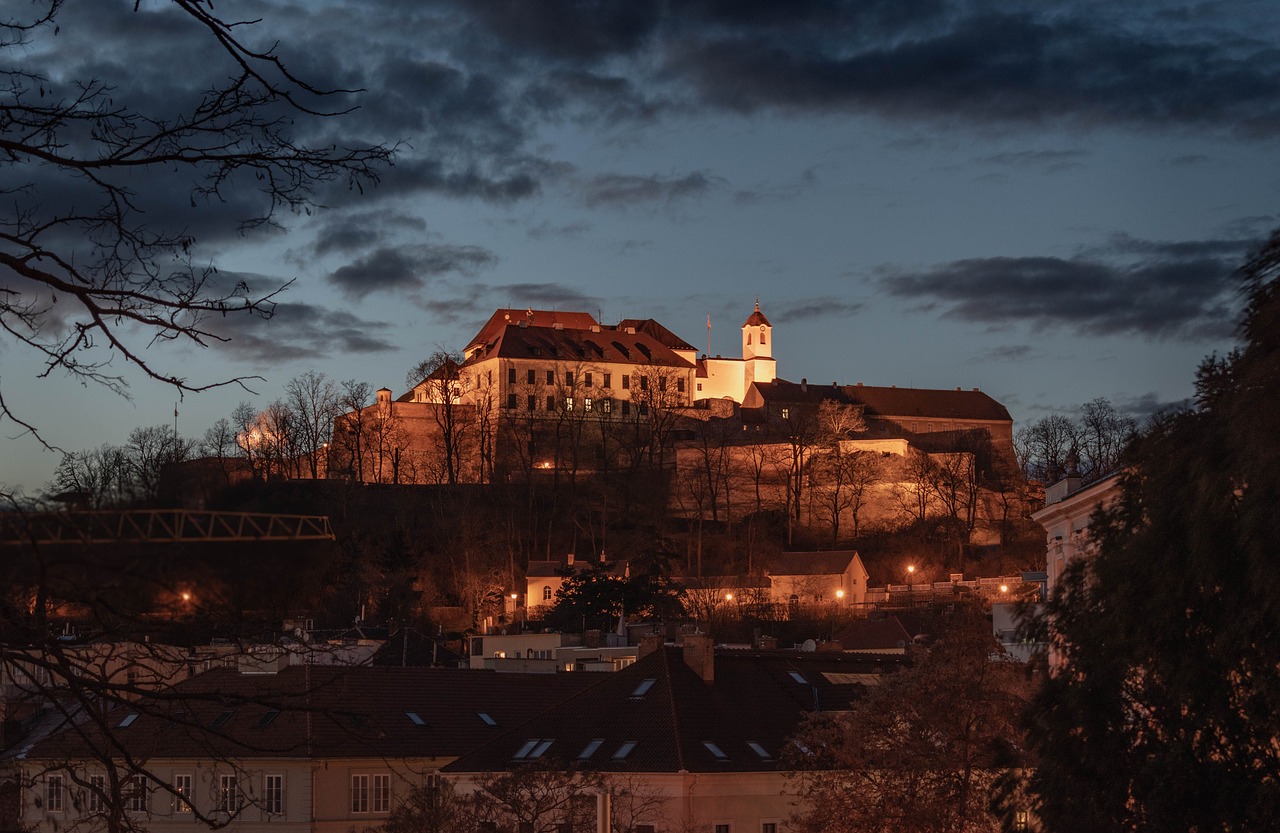
Up first, inevitably, the Hohensalzburg Fortress at 5020 Salzburg, Festungsgasse 34. It opens daily from 8:30 a.m. to 6 p.m. in summer (shorter in winter, like 9 a.m.-5 p.m.), with funicular access from the old town base (Festungsgasse 4). Tickets run €17-20 for adults, but spring for the full fortress ticket—it's worth every cent. I once hiked up the back way in a drizzle, lungs burning, only to emerge into that courtyard where the walls wrap around you like a stone hug. Built starting in 1077 by Archbishop Gebhard, it's Europe's largest preserved castle, a Romanesque fortress beefed up with gothic towers and Renaissance tweaks. Stare at the 12th-century Salzburger Glockenspiel—those mechanical figures chime hourly, a tinny medieval alarm clock. The Gothic chapel's frescoes, faded but fierce, depict saints in armor; I traced the vaulting ribs with my finger, imagining the echo of Latin chants. Down in the torture chamber, the architecture shifts to brutal functionalism—low ceilings, arrow slits like accusatory eyes. But the real thrill? The panoramic viewing terrace, where you see the city's onion domes spiking the skyline. Last visit, I picnicked there with rye bread and speck, watching paragliders dip like swallows. For a Salzburg fortress architecture tour itinerary, start here at dawn—beat the crowds, catch the mist rolling off the river. It's not just a fort; it's the gravitational center pulling every baroque gem below into orbit.
Salzburg Cathedral: Baroque Majesty in the Heart
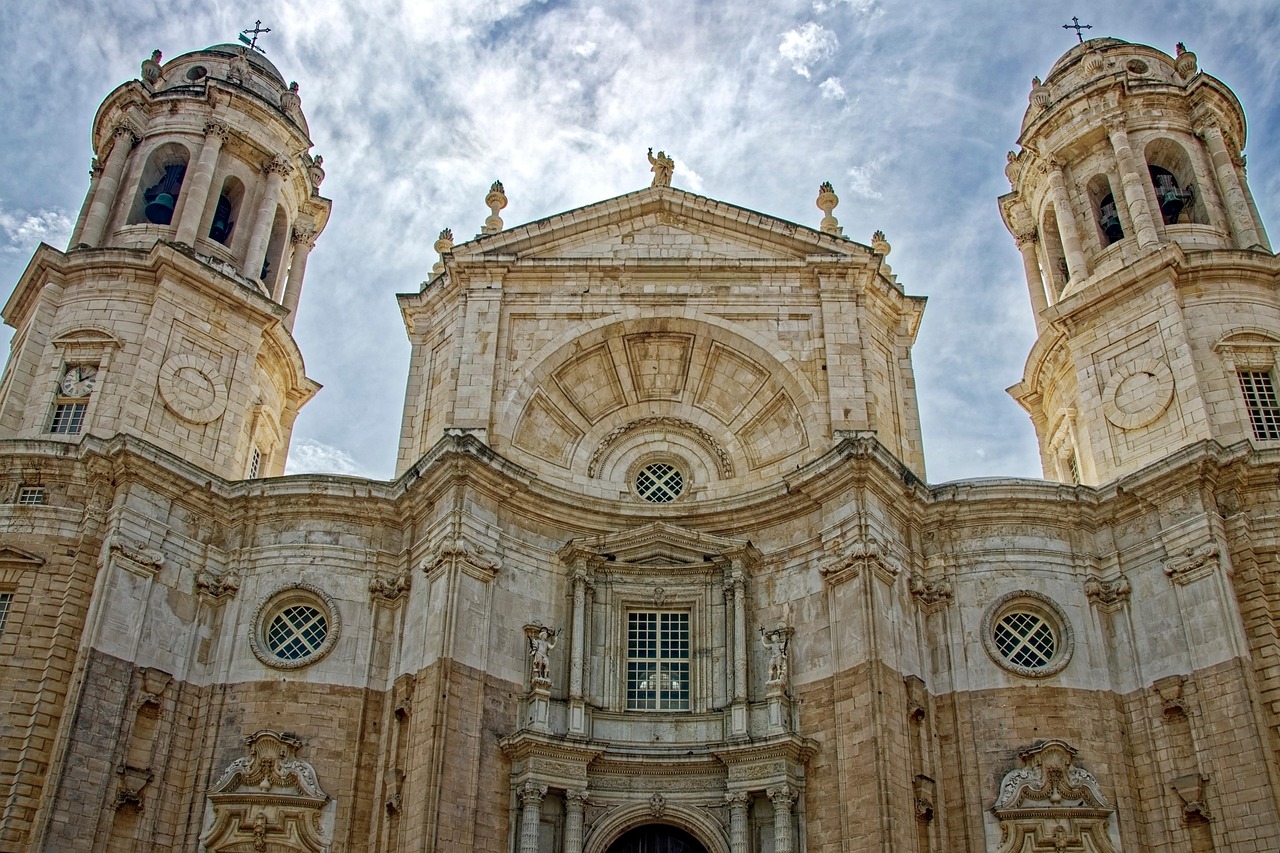
Descending the funicular, heart still thumping, you spill into the Kapitelplatz, where the Salzburg Cathedral looms like a ship's prow slicing the square at Domplatz 1, 5020 Salzburg. Open Monday-Saturday 6:30 a.m.-7 p.m., Sundays from 8 a.m. (masses ongoing, so respectful quiet). Free entry, but €5-10 for the dome climb. This 1614-1628 rebuild by Santino Solari is a top showcase of Salzburg cathedral architectural features: a textbook of Italian baroque slamming into alpine restraint. Twin towers flank the facade, their onion domes a nod to eastern influences—climb one for vertigo-inducing views, the copper-green patina gleaming. Inside, hit the baptismal font where Mozart was christened; its bronze swirl, carved by Renaissance master Hieronymus Du Quesnoy, swirls like cream in coffee. The high altar's baldachin twists heavenward, supported by Solomonic columns that fool the eye into motion. I lingered once during evensong, the organ's rumble vibrating my ribs, light shafting through stained glass to paint the marble floor in ruby and sapphire puddles. Don't miss the crypt's Romanesque roots—peeking through grates, 8th-century foundations that survived wars and whims. For architecture lovers, it's the tension: sturdy Germanic base under flashy Italianate topper. Pro tip: visit at dusk when the facade ignites in sunset fire. Among the must-see buildings for architecture lovers in Salzburg, this one's the soul-stirrer.
Alte Residenz: Prince-Archbishops' Baroque Powerhouse
Waddle a few steps west into Residenzplatz, and bam—the Alte Residenz, or Old Residence, at Residenzplatz 1-2, 5020 Salzburg. Hours: daily 10 a.m.-5 p.m., €13.50 combo with New Residenz and Cathedral Museum. This is your Salzburg Residenz baroque architecture guide incarnate, the prince-archbishops' crib from 1595-1720. The courtyard's the star: four fountains by Tommaso di Garona, their figures spouting like gossiping nymphs. Arched loggias wrap the space, stucco garlands dripping from cornices—pure Roman baroque borrowed from Bernini. Upstairs, the Long Gallery's a riot: 38 frescoed vaults by Rottmayr, illusions of gods tumbling from clouds. I got lost there once, emerging sweaty into the White Salon, its chinoiserie wallpaper peeling just enough to feel lived-in. The facade on the platz? That rusticated ground floor gives way to pilasters marching upward, topped by a balustrade where statues once posed dramatically (some nicked by Napoleon). In 2026, expect laser-cleaned stonework making those details pop. Pair it with coffee at Café Fürst across the way—watch horse-drawn carriages clop by while you sketch the pediments. It's one of the best architectural landmarks Salzburg will flaunt in 2026, a power flex in limestone.
Franciscan Church: A Hidden Baroque Gem
Sneak behind for a unique historic facades Salzburg walking tour payoff: hidden baroque gems in Salzburg architecture, like the Franciscan Church (Franziskanergasse 5, 5020 Salzburg). Open daily 6:30 a.m.-7 p.m., free. Tucked in a nook off the bustling Waagplatz, its 13th-century gothic shell got a baroque gut-job in the 1700s. The single-tower facade is a shy giant: simple lines exploding into a portal framed by corkscrew columns and putti peeking from niches. Inside, the nave's stark—white walls letting the high altar shine, a 1735 masterpiece by Ferdinand Hagenauer with angels trumpeting over a crucified Christ. The stained glass? Rare survivors from 1340s, jewel-tones filtering dust motes into halos. I ducked in during a rainstorm years back, shaking off like a dog, and found solitude amid the pews' creak. Climb the tower (if open, sporadic) for a frog's-eye view of tiled roofs. Off-beaten-path? Hardly hidden, but overlooked by Mozart pilgrims. Its restraint amid Salzburg's froth? Chef's kiss.
Kollegienkirche: Fischer von Erlach's Baby Baroque
A zigzag left lands you at the Kollegienkirche, or University Church, at Universitätsplatz 1, 5020 Salzburg. Daily 6 a.m.-11 p.m. (services vary), free. Johann Bernhard Fischer von Erlach's 1694 debut—his "baby baroque." The facade's a pink-hued fantasy: undulating curves, atlantes straining under balconies, topped by a pot-bellied dome that's pure drama queen. Inside, frescoes by Johann Michael Rottmayr whirl across vaults—St. Cajetan ascending in a froth of clouds and cherubs. The pulpit's a spiral staircase to nowhere, carved wood twisting like smoke. I attended a student concert here once, violin strings slicing the incense-thick air, the acoustics turning melody to magic. For architecture buffs craving hidden baroque gems in Salzburg, this one's a sleeper hit—compact, exuberant, unapologetic.
St. Peter's Abbey Church: Ancient Roots, Baroque Splendor
Press on to St. Peter's Abbey Church at St. Peter Bezirk 1/2, 5020 Salzburg. Open 6:30 a.m.-6:30 p.m. weekdays, till 8 p.m. weekends; free, €3 for abbey museum. Dating to 696 AD, but the 17th-century baroque overlay by Santino Solari steals the show. Facade: pedimented portal flanked by saints, humble yet haughty. Inside, the golden stucco swarms—angels, prophets, the lot—framing altars that glitter like Christmas gone mad. The catacombs below? Romanesque caves with faded frescoes, a chill draft whispering of monks long dust. I wandered the adjoining cemetery—Salzburg's oldest, catacomb cliffs pocked with bones—after a solo lunch of Kaiserschmarrn that left me dozy. In 2026, restored lighting will make the nave's vaulting dance. Essential for any unique historic facades Salzburg walking tour.
Mirabell Palace: Gardens and Grand Designs
Cross the river via Staatsbrücke to the right bank, where Mirabell Palace awaits at Mirabellplatz 4, 5020 Salzburg. Gardens open dawn-dusk free; palace tours €15, Wed-Sun 10 a.m.-4 p.m. (gardens steal the show). Commissioned 1606 by Archbishop Wolf Dietrich, rebuilt post-fire by Fischer von Erlach and Lukas von Hildebrandt. The Mirabell Palace Salzburg design highlights 2026 will spotlight: marble hall's frescoed triumph, orangery's arched serenity. But outside? Staircase hall's marble ramps sweep upward, flanked by dragons and Hercules—baroque theater. Gardens: box parterres, Pegasus fountain splashing eternal youth. I proposed there once (not my story, a friend's—hijacked picnic), petals swirling in breeze. Facade's ionic pilasters march triumphantly. A must for off-beaten-path architecture spots in Salzburg, Austria, though tourists flock—go early.
Getreidegasse Facades: Vernacular Baroque Charm
Ferry back (or tram) for the New Residenz at Domgasse 4-ish (part of Residenz complex), but pivot to Getreidegasse's facades—no single address, but wander from No. 9 (Mozart's Geburtshaus). Shops open variably, facades 24/7. These 15th-18th-century burgers' houses: oriel windows bulging like eyes, wrought-iron signs swinging (Schwarzadlerkugeln at Getreidegasse 47). Stuccoed portals drip with grapes and lions. I haggled for a dirndl once, distracted by a facade's sgraffito—scratched plaster tales of saints. Pure vernacular baroque, unpolished and full of character that draws you into the everyday historic beauty.
Nonnberg Abbey: Timeless Romanesque Strength
Southward, Nonnberg Abbey at Nonnberg 1, 5020 Salzburg. Grounds peekable daily; church mornings/evenings. This 714 AD Benedictine convent boasts a romanesque nave with gothic choir. Facade's fortress-like, tower stabbing sky. Frescoes inside: 14th-century judges in judgment. I climbed the path at dusk, bells tolling—a Sound of Music nod, but architecturally fierce with its enduring stone presence.
Hellbrunn Palace: Rococo Playfulness to Close
Finally, Hellbrunn Palace at Fürstenweg 37, 5020 Salzburg (bus 25, 25 min from center). Open daily 9 a.m.-5:30 p.m. summer, €14.50. Markus Sittikus's 1613 rococo playground: trick fountains (got soaked thrice), monopteros dotting grounds. Palace facade: loggias overlooking shell grotto. In 2026, garden restorations will enhance the whimsy. My rainy visit: hid in pavilion, plotting revenge on giggling teens. Perfect capstone for your architectural adventure.
Wrapping Up Your Salzburg Architectural Journey
Winding down, Salzburg's architecture lingers like good wine—bold, layered. These 10 spots among the best architectural landmarks in Salzburg for 2026 suffice; weave your own thread through off-beaten-path architecture spots in Salzburg, Austria. Book stays at Hotel Stein (Giselakai 3), steps from it all. Safe travels—may your sketches outlive the stones.