
Why Visit Rome in Winter 2026: Best Time from December to February
I remember stepping off the train at Termini that foggy December morning in 2018, my breath puffing out like a dragon's in the chill air, and thinking, "Why on earth did I pick winter for Rome?" Bags dragging behind me, I weaved through the quiet streets toward my little hotel near Piazza Navona, the cobblestones slick from overnight rain. By evening, as the Christmas lights flickered on and I warmed my hands around a paper cup of mulled wine from a street vendor, I had my answer. Rome in winter isn't just good—it's transformative. No scorching sun beating down on your neck, no lines snaking around the Colosseum for blocks. Just you, the Eternal City, and a kind of intimate hush that makes ancient ruins feel like your personal backyard.
The Magic of Rome's Winter Weather in 2026
If you're pondering a trip during cooler months, winter stands out as the best time to visit Rome from December to February. I've chased summer crowds across Italy for years, sweating through Tuscany in July, but winter? That's when Rome reveals its soul. The air is crisp, often hovering around 10-15°C (50-59°F), with occasional drizzles that clear to brilliant blue skies. The Rome Italy winter weather forecast for 2026 looks promising—milder than average thanks to shifting patterns, with fewer rainy days predicted early in the decade, according to long-range models from the Italian Meteorological Service. Pack a coat and sturdy shoes, but no heatwaves or tourists trampling your gelato dreams.
Fewer Crowds: Winter Tips for an Uncrowded Rome
What hits you first is the absence of hordes. Rome off-season feels like a sigh of relief. Those selfie sticks poking your ribs at the Trevi Fountain? Vanished. In summer, you elbow for space; in winter, you linger. Fewer crowds in Rome during winter come with simple tips for 2026: go midweek, dawn visits to big sites, and you'll have the Forum to yourself, mist curling around marble columns like a scene from a Fellini film. I once stood alone in the Pantheon at noon in January, rain pattering on the oculus, feeling like I'd time-traveled. Priceless.
Cheap Hotels and Flights: Planning a Winter Trip to Rome
And the deals—cheap Rome hotels in the winter season of 2026 are a steal. I scored a boutique spot in Trastevere last winter for €90 a night—what costs €250 in peak season. Places like Hotel Santa Maria fill up fast for their courtyard charm, but scout Booking.com or Hotels.com in fall for flash sales. Airbnbs dip too, letting you splurge on apartments with kitchens for those long, lazy suppers of cacio e pepe.
Planning a trip to Rome in winter 2026? Start with flights—Ryanair and ITA dump seats from major hubs for under €50 round-trip if you book early. Trains from airports are cheap and scenic. Once there, a Roma Pass (€52 for 48 hours) covers transport and sites, perfect for hopping trams without the summer crush.
Festive Highlights: Advantages of Rome in December 2026
Let's talk magic. December kicks off with Christmas markets that turn Piazza Navona into a twinkling wonderland. Stalls brim with ornaments, torrone nougat, and vin brulé that warms you from the inside out. I got lost there one night, mesmerized by puppeteers and carousel lights reflecting off the fountains. It's cheesy, sure, but in that perfect Roman way—authentic, not sanitized like some Bavarian knockoff.
January and February extend those advantages of Rome in December 2026 into the new year: Epiphany on January 6 with its Befana witch flying kites over the city, and Carnevale whispers in February. But mostly, it's the hush after holidays. Ruins glow under soft light, churches empty for quiet prayer or just sitting.
Things to Do in Rome's Winter Months
For things to do in Rome winter months, wander without agenda. Start at the Colosseum, but skip the tourist rush—winter opens it up.
Colosseum, Roman Forum, and Palatine Hill
Colosseum (Piazza del Colosseo, 1, 00184 Roma; open daily 8:30 AM–7:15 PM in winter, last entry 6:15 PM; €16 standard ticket, book online via coopculture.it to skip lines). I've circled its arches on foggy mornings when the hypogeum echoes felt otherworldly, imagining gladiators' roars muffled by mist. It's not just stone—climb to the upper tiers for views over the Forum, where snow-dusted pines frame the Palatine Hill. Last winter, I spent three hours there, chatting with a guard about his nonna's carbonara recipe, then descended to the arena floor via special access (extra €9, worth it). The subterranean tunnels drip with history; touch the walls and feel the chill of 2,000 years. Pair it with the Roman Forum and Palatine Hill combo ticket—same hours, seamless wander. In winter, no shade means no sweat, just pure immersion. I picnicked on a bench with prosciutto panini from a nearby vendor, watching ravens wheel overhead. It's 80 hectares of layered time: triumphal arches, basilicas half-buried in ivy. Don't rush; let the cold sharpen your senses—the scent of wet earth, the crunch underfoot. Easily a half-day, and with fewer crowds, you can join a guided tour (€25, 1.5 hours) for gritty tales of beast fights and emperors' excesses. Pro tip: Visit post-rain for that dramatic, cinematic vibe.
The Pantheon
From there, drift to the Pantheon, a short walk away. Pantheon (Piazza della Rotonda, 00186 Roma; open Mon-Sat 8:30 AM–7:30 PM, Sun 9 AM–6 PM, free entry but €5 donation suggested; coffe.it for audio guides). Stepping inside on a rainy January day is spiritual—rain falls through the oculus, pooling on the marble floor amid incense haze. Raphael's tomb glows softly; I knelt there once, overwhelmed, as a beam of sun pierced the dome. Built by Hadrian around 126 AD, its perfect geometry defies time. Winter thins the masses, so circle the portico, tracing Corinthian columns slick with dew. Outside, the square's obelisk fountain spits mist; grab caffe from Tazza d'Oro nearby (Via degli Orfani, 84—espresso so thick it coats your spoon). I lingered hours, sketching bad portraits of passersby bundled in scarves. The engineering marvels never fail: that unreinforced concrete dome, largest of its kind. In cold months, the echo of footsteps amplifies the awe—no chatter to drown it. Combine with nearby churches like Santa Maria sopra Minerva for a holy half-day. It's not a checklist; it's a meditation.
Vatican Museums, Sistine Chapel, and St. Peter's Basilica
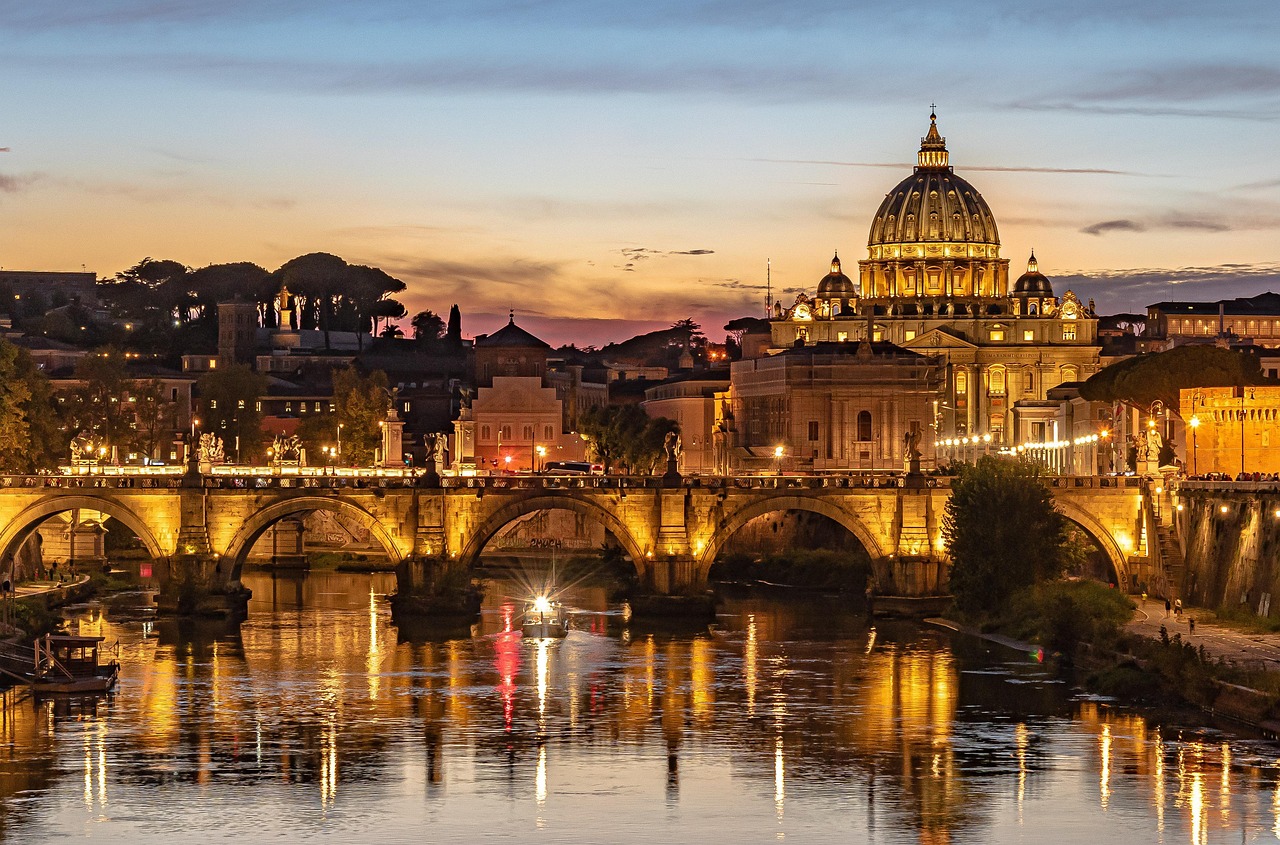
No Rome winter travel guide for 2026 is complete without the Vatican, but winter's your edge. Vatican Museums & Sistine Chapel (Viale Vaticano, 00165 Roma; Mon-Sat 8 AM–7 PM, last entry 5 PM; €17 ticket, museivaticani.va—book slots religiously). I queued once in February drizzle, but pre-booked entry meant gliding past the masses. Michelangelo's ceiling hits harder in quiet light; fingers tracing the Creation frescoes, neck aching but soul soaring. The Raphael Rooms shimmer, Laocoön writhes eternally. Spiral staircase exit spirals you out dizzy with wonder. St. Peter's Basilica next door (Piazza San Pietro; daily 7 AM–7 PM winter; free, but Michelangelo's Pietà gleams under softer indoor lights). Climb the dome (€10 stairs, €14 elevator) for panoramas crisp in winter air—no haze. I huffed up solo, rewarded by city views to the Janiculum. Cafes in Borgo Pio serve hot chocolate thick as mud afterward. Whole complex: full day, but winter pacing lets you breathe.
Hearty Winter Food and a Sample Off-Season Itinerary
Food anchors it all. Winter menus lean hearty: supplì fried rice balls from trapizzini stands, steaming bowls of pasta alla gricia in osterias. Trastevere's Osteria da Zi Umberto (Piazza di San Giovanni della Malva, 14, 00153 Roma; daily 12:30–3 PM, 7–11 PM; no reservations, cash only) is my haunt—rickety tables under vines, walls papered in faded photos. Order tonnarelli cacio e pepe (€12), cheese wheel grated tableside, pepper punch sharp against chill. I devoured it after a Tiber walk, sauce dripping chin, laughing with the owner over limoncello shots. Artichoke alla romana, fried Jewish-style from nearby Ghetto stalls—crisp outside, custardy in. Markets like Campo de' Fiori burst with puntarelle, bitter chicory salad perfect for cold days. Gelato? Never skip; Giolitti (Via degli Uffizi, 40) does nocciola that melts slow in winter bite.
Rome Off-Season Itinerary for January and February
For a Rome off-season itinerary January February, imagine Day 1: Colosseum dawn, Forum ramble, Pantheon lunch at Armando al Pantheon (Salita de' Crescenzi, 31—saltimbocca veal divine, €15). Evening: Navona lights, aperitivo. Day 2: Vatican deep dive, Castel Sant'Angelo sunset (Lungotevere Castello, 50; 9 AM–7:30 PM; €15). Day 3: Jewish Ghetto street food, Capitoline Museums (Piazza del Campidoglio, 1; Tue-Sun 9:30 AM–7:30 PM; €15)—Remus suckling wolf statue under gallery lights. Trastevere dinner. Extend to Appian Way bike rentals for catacomb chills (Via Appia Antica, 136; book catacomb tours €10).
Why Winter Wins: Embracing the Raw Charm
Humor me a mishap: I slipped on wet Via del Corso once, coffee flying, saved by a Nonna's umbrella and gruff "Attenta, bella!" Rome laughs with you in winter—imperfect, alive. January blues? Nah. Fewer tourists mean deeper chats with locals nursing cappuccinos. February teases spring, mimosa blooms hinting Carnevale confetti. Costs plummet: dinners €25/person vs. €50 summer. Trains to day-trip Orvieto (€10) for Umbrian truffles. Drawbacks? Rain—embrace it with €2 umbrellas. Shorter days, but lights compensate.
A Rome off-season itinerary for January and February thrives on flexibility. Base in Centro Storico for walkability, or Monti for hip vibes. In 2026, Jubilee echoes linger—restored sites shine brighter. Metro expansions ease moves. I've summered Rome thrice, wintered five. Winter wins. It's raw, romantic, yours. Pack layers, good boots, optimism. Rome waits, wrapped in frost-kissed wonder.