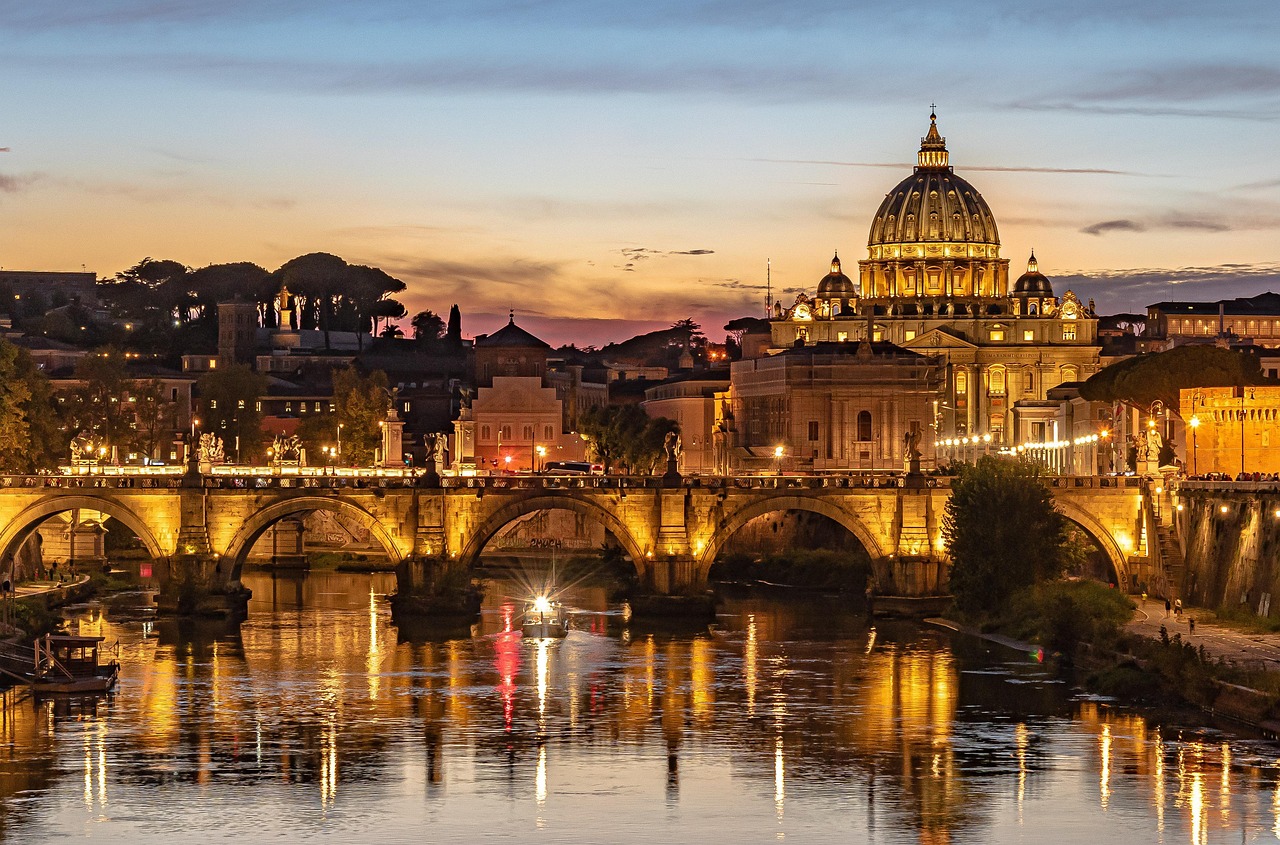




I still remember the first time I stumbled into Rome's Jewish Ghetto, back in the late '90s, jet-lagged and starving after a red-eye from New York. It was one of those crisp October afternoons where the light hits the Tiber just right, turning the water into molten gold. I followed my nose—past ancient stones scarred by centuries—to a plate of carciofi alla giudia that changed everything. Crunchy outside, melting inside, fried in the style of Jews who'd been perfecting artichokes since the Renaissance to make the bitter leaves edible on lean days. That bite hooked me, and I've been back a dozen times since, chasing that high amid the ghetto's tangled history of confinement, resilience, and some of the city's most soul-stirring food.
If you're plotting a trip for 2026, this neighborhood—sandwiched between the Capitoline Hill and the river, just steps from Campo de' Fiori—remains one of Rome's most compact, potent walks. It's not just ruins and recipes; it's layers of survival etched into every alley.
A Glimpse into Rome's Jewish Quarter History
The ghetto, born in 1555 under Pope Paul IV, was Europe's oldest—a cramped 3 hectares where 2,000 Jews were herded behind walls, gates locked at night, no Christians allowed in. They paid for the privilege, taxed into oblivion, yet turned lemons into that legendary artichoke dish. Napoleon tore down the walls in 1798 (briefly), but they went back up until Italian unification in 1870. Bombed in WWII, synagogues shattered, but rebuilt fiercer. Walking here feels like time travel with a side of deep-fried goodness—history that punches you in the gut, then comforts with a supplì rice ball.
Best Time for Your Rome Ghetto Food History Walk
Hands down, spring (April-May) or fall (Sept-Oct), when artichokes peak and the air isn't a sauna. Summer's brutal in these narrow streets; winter's misty but markets shine. This timing elevates any Rome Jewish quarter history and eats tour into pure magic.
Your Self-Guided Rome Jewish Ghetto Itinerary
Let's map out a walking itinerary blending Rome ghetto ebraico food style—something you can do self-guided or with a guide, covering about two kilometers in 3-4 hours, plus lingering for eats. It's perfect as a self-guided Rome Jewish Ghetto itinerary if you're solo or with kids, or amp it up for a guided family tour Rome Jewish ghetto 2026—many outfits now offer kid-friendly versions with storytelling and simpler history bites.
Start at Piazza Mattei and the Turtle Fountain
Begin at Piazza Mattei, the quiet heart, marked by the Turtle Fountain (Fontana delle Tartarughe), restored in 2018 after years of looking like a forgotten relic. Giacomo della Porta's 1585 design—four nude boys atop dolphins, turtles clambering up—commemorates the Mattei family's gambling win. Rub the turtles for luck; locals swear it works. From here, snake toward Via del Portico d'Ottavia, the ghetto's spine. Smell the frying oil already? That's your cue.
Portico d'Ottavia and the Museo Ebraico di Roma
First deep dive: Portico d'Ottavia itself, the half-ruined porch from 146 BC, rebuilt by Augustus for his sister Octavia. It's not pristine like the Pantheon—crumbling travertine friezes, propped up like a weary elder—but that's the charm. Under its shadow stood the fish market for centuries, where ghetto dwellers hustled. Now it's outdoor dining central.
Peer into the adjacent Museo Ebraico di Roma and Great Synagogue, my non-negotiable stop. Address: Largo Angelo Terra 1, 00186 Roma. Open: Sunday-Thursday 10am-5pm (last entry 4pm), Friday 10am-2pm, closed Saturdays and Jewish holidays; Tickets: €11 adults, €8 kids under 10, audio guides €4. Allow 90 minutes; it's wheelchair accessible with advance notice.
This museum's a treasure trove—artifacts from 2,200 years of Roman Jewish life. Glass cases hold kiddush cups, etrog boxes from Sukkot, a 16th-century circumcision set. Upstairs, five synagogues: the oldest, Sardi, feels like a wooden ship's cabin; the majestic Aron HaKodesh in the Grande Sinagoga hosts services that echo with cantorial chants. Heartbreaking WWII room: yellow stars, deportation lists, tales of resilience. Kids adore the interactive timelines—ideal for a guided family tour Rome Jewish ghetto 2026. Don't miss the mikveh, ancient ritual bath descending to Tiber-fed waters.
Top Restaurants in Rome's Jewish Quarter
Bellies rumbling? You've earned a feast. These spots deliver authentic cuisine on any Rome Jewish quarter walk immersion.
Giggetto
Address: Via del Portico d'Ottavia 21A, 00153 Roma. Open: Daily noon-3pm and 7pm-midnight; reservations essential (+39 06 686 1105), mains €15-25.
Fed gentry since 1923. Go-to: carciofi alla giudia (€12), double-fried globes shattering like glass; filetti di baccalà (€14), crisp cod fillets. Service brusque Roman, tiramisù with ricotta melts heresy. Outdoor tables prime for people-watching.
Refueled, wander Via del Ghetto Basso, past kosher butchers, to another standout.
Nonna Betta
Address: Via del Portico d'Ottavia 16, 00153 Roma. Open: Daily noon-11pm (+39 06 6880 6263), €12-22 mains.
Cozy chaos with checkered cloths. Trapizzino (€6-8), pizza dough stuffed with oxtail; pizza ebraica (€4 slice), tough sweet cookie for Passover. Beef with peas underrated gem.
Discover Hidden Gems in Rome's Jewish Ghetto
Forno Boccione Bakery
Address: Via del Portico d'Ottavia 1, 00153 Roma. Open: Mon-Sat 8am-7pm.
Since 1885, piled with pizza ebraica—pine nuts, raisins. Recotti di Purim (€3), hamantaschen with chickpea. Gruff staff, no-frills time capsule.
Ba'Ghetto for Elevated Dining
Address: Largo 16 Martiri 1, 00153 Roma. Open: Daily noon-3pm, 7pm-11pm (+39 06 6889 2877), €18-30 mains.
Eggplant caponata, kosher amatriciana with beef cheek. Terrace overlooks ruins—perfect cap for the best food walking tour Rome Jewish ghetto.
Press on to Piazza delle Cinque Scole, plaques of plagues past; Teatro di Marcello for views. End at Isola Tiberina for sunset aperitivo at Sotterraneo (€10 spritz). For groups, book Context Travel or Jewish Rome Tours—€50-80/person, 2.5 hours—a seamless Rome Jewish ghetto history guided tour 2026.
Why This is the Ultimate Best Food Walking Tour Rome Jewish Ghetto
Rome's ghetto isn't sanitized—poverty lingers, graffiti tags walls. But that's real. I've argued with vendors, wept at the museum, overeaten till buttons popped. In 2026, expect crowds but same soul. Pack comfy shoes, water, humility. This isn't a checklist; it's a conversation with ghosts who fried artichokes through hell. Buon appetito, amici—walk it, taste it, live it.