



Prague Wine Cellars and the Revival of Czech Wine: A Complete Guide
In recent years, Prague and the Czech Republic have quietly become one of Europe’s most exciting wine destinations. Far from the famous vineyards of France or Italy, the historic wine cellars of Prague and the surrounding regions of Bohemia and Moravia are experiencing a remarkable revival. This guide explores Prague wine culture, its rich history, the best wine cellars, tasting tips, regional varieties, food pairings, festivals, and why Czech wine deserves a place on every wine lover’s list.
What is Prague Wine and Its Fascinating History?
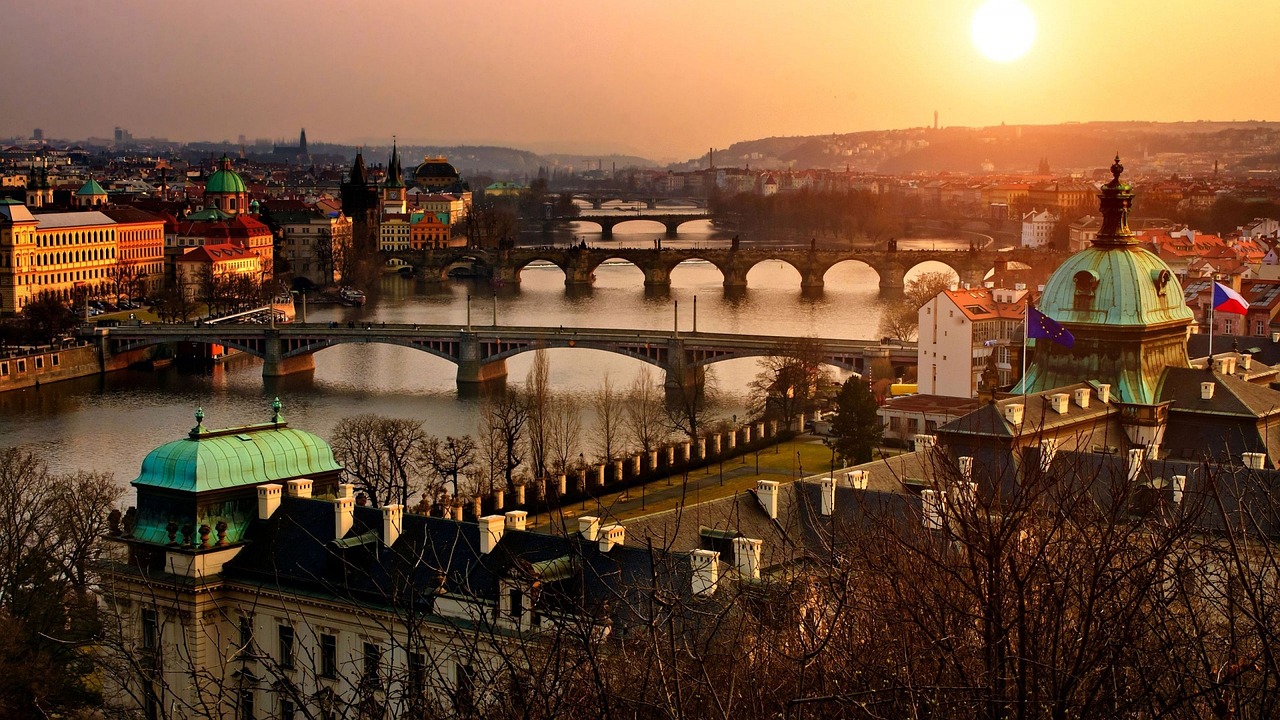
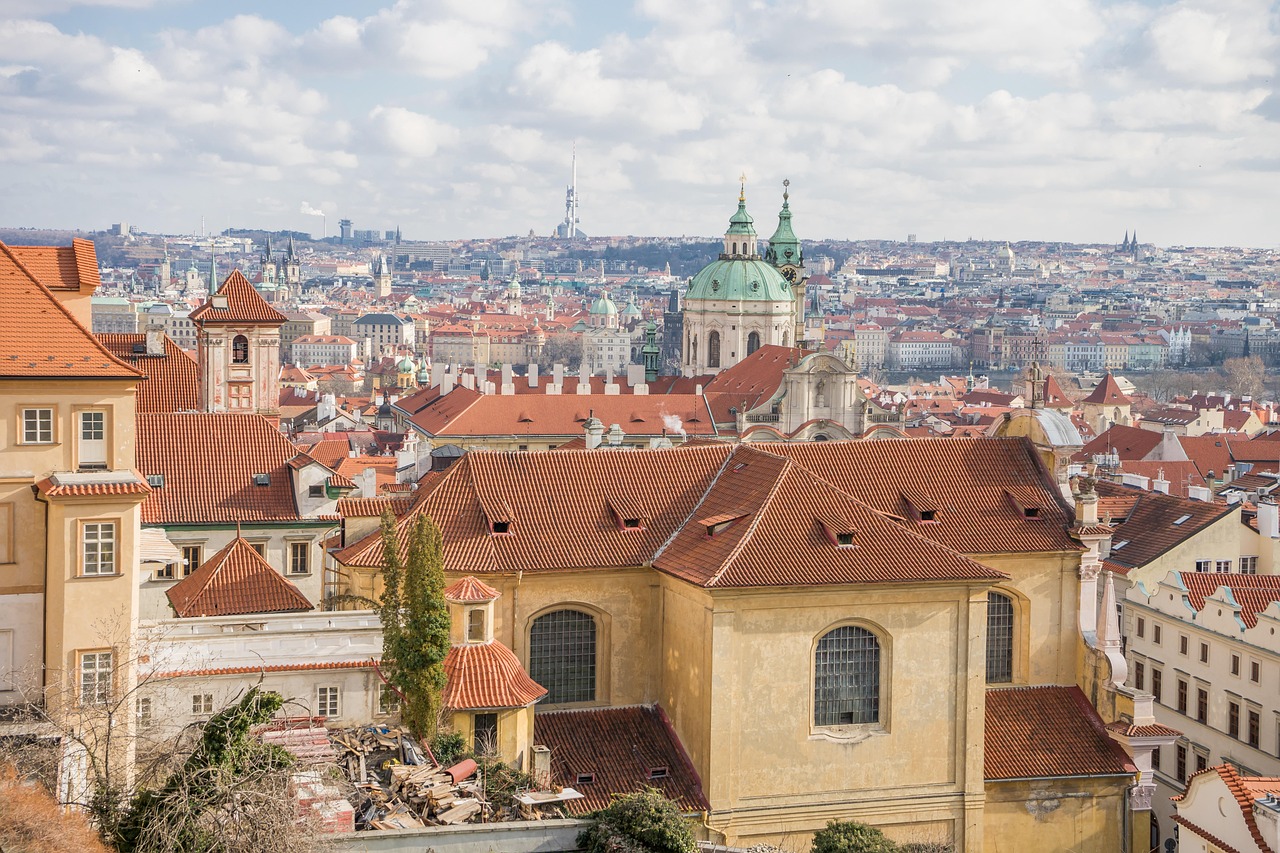
Wine-making in the territory of today’s Czech Republic dates back over a thousand years. The first vineyards were planted by Roman legions and later expanded under Emperor Charles IV in the 14th century, who was himself a passionate winemaker. Prague was once surrounded by vineyards – even the slopes below Prague Castle and along the Vltava River were covered in vines.
By the 16th century, Bohemia and Moravia together ranked among Europe’s largest wine-producing regions. Unfortunately, the Thirty Years’ War, phylloxera in the late 19th century, and forty years of communist central planning almost destroyed the industry. Many historic Prague wine cellars were forgotten or turned into storage rooms.
Since the Velvet Revolution in 1989, a new generation of winemakers has brought Czech wine back to life. Today, the Czech Republic is the only country outside the classic “wine belt” that consistently produces world-class wines, especially crisp whites and elegant reds. The revival is most visible in Prague’s atmospheric medieval cellars, now restored as intimate tasting rooms.
The History of Winemaking in Prague
Prague’s winemaking heritage is inextricably linked to its architecture. Beneath almost every historic building in Malá Strana and the Old Town lie Gothic or Renaissance wine cellars. The most famous include the cellars under Prague Castle, the Strahov Monastery (still producing wine since 1143), and the labyrinthine cellars of the Old Town.
Charles IV issued a royal decree in 1358 obliging citizens to plant vineyards, and Prague became a city of wine. Taverns served local wine by the jug, and the annual St. Martin’s Day (11 November) celebrations marked the arrival of young wine – a tradition that has been gloriously revived.
Prague Wine Regions: Bohemia vs. Moravia
Although Prague itself sits in the Bohemia region, most Czech wine comes from two distinct areas:
- Moravia (South and Southeast) – 96% of Czech vineyards. Sub-regions: Mikulov, Znojmo, Velké Pavlovice, Slovácko. Limestone-rich soils produce aromatic whites (Grüner Veltliner, Riesling, Welschriesling) and full-bodied reds (Blaufränkisch, St. Laurent).
- Bohemia (around Prague) – Only 4% of production but growing fast. Cooler climate, volcanic soils. Famous for elegant Müller-Thurgau, Pinot Noir, and sparkling wines. Key spots: Mělník (30 km north of Prague), Litoměřice, and the rediscovered vineyards of Prague’s Troja and St. Clair.
Types of Wine Produced in the Czech Republic
Czech winemakers excel at fresh, aromatic whites and surprisingly complex reds:
- Classic whites: Grüner Veltliner (Veltlínské zelené), Riesling (Ryzlink rýnský), Welschriesling (Ryzlink vlašský), Müller-Thurgau, Sauvignon Blanc
- Aromatic specialties: Tramín červený (Gewürztraminer), Muškát moravský, Irsai Oliver, Pálava (a Czech original cross)
- Reds: Svatovavřinecké (St. Laurent), Modrý Portugal (Blauer Portugieser), Frankovka (Blaufränkisch), Zweigeltrebe, and increasingly Pinot Noir
- Sparkling & sweet: Sekt (traditional method sparkling) and world-class straw and ice wines from late-harvest grapes
Best Prague Wine Cellars and Tasting Rooms
Prague offers dozens of atmospheric cellars. Here are some of the very best:
- Vinograf Wine Bar (two locations: Senovážné náměstí & Míšeňská) – Huge selection of 50+ Czech wines by the glass.
- Lokál U Bílé kuželky – Historic cellar beneath Malá Strana serving small-producer Moravian wines.
- Veltlin Wine Cellar – Specializes in natural and biodynamic Czech and Austrian wines.
- Strahov Monastery Winery – Taste wines made by monks since the 12th century, with stunning baroque views.
- Vinárna Bokovka – Cozy Old Town cellar with excellent guided tastings.
- U Sudu – Multi-level underground labyrinth with affordable Czech wines by the glass.
- Hidden Vineyard St. Clair – Prague’s only working vineyard inside the city (near Prague Castle), with summer tastings.
How to Taste Wine in Prague Like a Local
Czech wine culture is relaxed and friendly. Follow these tips:
- Order wines “na sklo” (by the glass) – most bars offer 30–60 Czech wines this way.
- Ask for “burčák” in late August–October – partially fermented young wine, slightly sparkling and sweet.
- Try flights of 4–6 wines (many cellars offer Moravian or Bohemian themed flights).
- Don’t be afraid to mix white and red – Czechs often drink both during one evening.
- Visit on St. Martin’s Day (11/11) when new wines are blessed and opened at exactly 11:11 am.
How to Pair Prague & Czech Wine with Food
Czech wines are exceptionally food-friendly:
- Grüner Veltliner → Svíčková (beef in cream sauce), duck, or asparagus
- Riesling or Pálava → Roasted goose or pork knee
- Tramín červený → Spicy Moravian sausages or aged Czech cheeses
- St. Laurent or Pinot Noir → Venison, wild boar, or mushroom dishes
- Burčák → Chestnut purée or young cheese
- Ice wine → Blue cheese or fruit dumplings (ovocné knedlíky)
Benefits of Drinking Czech Wine
Beyond pleasure, Czech wines offer real advantages:
- Lower alcohol (often 11–12.5%) – easier to enjoy several glasses
- High acidity and freshness – excellent digestibility
- Many small family wineries use organic or biodynamic methods
- Outstanding value – top bottles rarely exceed €25–30
- Unique indigenous varieties you won’t find anywhere else
Prague Wine Festivals and Events 2025–2026
- Prague Wine Week – April – city-wide tastings and special menus
- St. Martin’s Day Celebrations – 11 November – young wine openings across Prague
- Prague Drinks Wine – May – large public tasting on the Vltava embankment
- Burčák Festivals – September – celebrate the young wine season
- Christmas & New Year Wine Markets – hot svařák (mulled wine) and ice wine
Best Time to Visit Prague for Wine Lovers
Every season has its charm:
- April–May: Spring festivals, vineyard terraces open
- September–October: Harvest season + burčák everywhere
- 11 November: St. Martin’s young wine celebrations
- December: Magical Christmas markets with mulled Czech wine
Final Thoughts: Why Czech Wine Deserves Your Attention
The revival of Czech wine is one of Europe’s best-kept secrets. In the historic wine cellars of Prague, you’ll taste crisp, aromatic whites that rival the best of Austria, elegant Pinot Noirs that surprise, and unique varieties found nowhere else on earth. Add friendly prices, passionate young winemakers, and centuries-old cellars lit by candlelight, and you have a wine experience unlike any other.
Next time you’re in Prague, skip the usual beer tour. Descend into one of the city’s ancient wine cellars, order a flight of Moravian or Bohemian wines, and discover why the Czech Republic is quietly becoming one of Europe’s most exciting wine nations.