Málaga to Alfarnate & Alfarnatejo: 2026 Guide to Axarquía's Hidden Mountain Villages
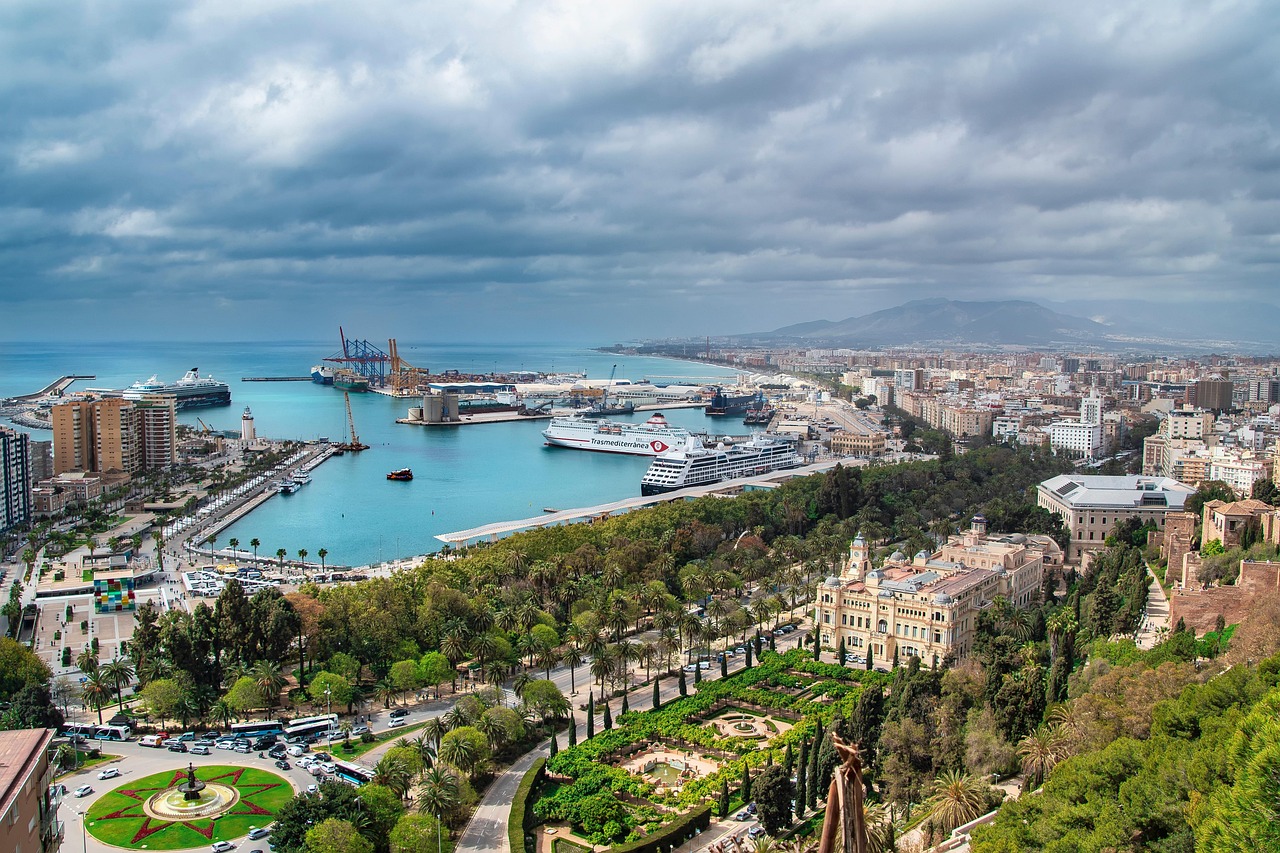
I remember the first time I stumbled upon Alfarnate and Alfarnatejo like it was yesterday—though it was back in 2018, on a whim after too many beach days in Málaga left me craving something rawer, more untamed. Málaga's got that sun-soaked buzz, the Picasso vibes and fried fish that pulls you in, but head inland, and it's like flipping a page to a forgotten chapter of Andalusia. These twin mountain villages in the Axarquía region, perched high in the Montes de Málaga natural park, are the kind of places that sneak up on you. Narrow roads twist through olive groves and cork oaks, and suddenly you're there, whitewashed houses clinging to hillsides that drop away into valleys you didn't know existed. If you're plotting a Málaga to Axarquía white villages guide 2026, this is your off-the-grid gem—far from the tourist polish of Nerja or Frigiliana, but with soul that sticks.
Getting There: The Best Route from Málaga
Let's talk getting there first, because that's half the magic. The driving from Málaga to Alfarnate best route isn't some autobahn sprint; it's a deliberate meander that rewards patience. I always start from Málaga's center, hopping on the A-7 towards Vélez-Málaga, but exit early at Junction 238 (look for the sign for 'Alfarnatejo'). From there, it's the MA-4106, a serpentine two-laner that climbs steadily for about 45 minutes, 50 kilometers total if you're not dawdling. Google Maps will try to route you via the faster A-402 through Riogordo, but trust me, the scenic drive Málaga to Alfarnate and Alfarnatejo—hairpin bends offering peeks of the Mediterranean far below, wild thyme scenting the air from open car windows, and goats eyeing you suspiciously from rocky outcrops. In 2026, expect minor upgrades to these roads as part of Andalusia's rural tourism push; smoother asphalt, maybe a few EV charging stations at key pull-offs, but the essence stays wild. Fuel up in Málaga (prices hovering around €1.70/liter last I checked), pack water, and go slow—fines for speeding in these parts are no joke, and the views demand it anyway.
How to visit Alfarnate and Alfarnatejo by car? Rent something small and gutsy—a Fiat 500 or Seat Ibiza handles the inclines better than a lumbering SUV. Park in the village squares; spaces are free but vanish quick on weekends. Buses exist via ALSA from Málaga to nearby Comares, but they're infrequent (two daily, about €5), so driving's your liberator.
Day Trip from Málaga to Alfarnatejo Mountain Village—or Make It an Overnight
I did this as a day trip Málaga to Alfarnatejo mountain village once, leaving at 9 a.m. after a cortado at my favorite spot near the cathedral, and returned by dusk, sun dipping behind the sierras. But if you're smart, stretch it into an overnight; the light changes everything up here.
Exploring Alfarnatejo: The Gateway Village
Touch down in Alfarnatejo first—it's the gateway, slightly larger at around 300 souls, with that classic Axarquía charm: steep cobbled streets, flower pots spilling geraniums over wrought-iron balconies, and cats lounging in every sun patch. I wandered up from the main plaza one afternoon, the air thick with jasmine and distant woodsmoke, and found myself at the Iglesia de Nuestra Señora de la Encarnación. This modest 16th-century church (Plaza de la Iglesia, 29793 Alfarnatejo; open daily 10 a.m.–1 p.m. and 5–7 p.m., free entry) anchors the village like an old friend. Inside, it's a time capsule—baroque altarpiece golden in the slanted light, wooden beams overhead whispering of muleteers long gone. But step out back, and the real draw hits: panoramic views across the Alfarnatejo valley, olive terraces marching down to the horizon. I sat there for an hour once, sketching badly while an old timer chatted about the 2012 floods that reshaped the riverbed below. It's not flashy, but it's profound—perfect for that quiet moment when travel shifts from checklist to memory. Spend time here poking into the artisan shops; one sells handmade esparto grass baskets that I'd swear hold secrets from Moorish times.
Alfarnate: The Remote Crown Jewel
From Alfarnatejo, it's a breezy 5-kilometer jaunt up the MA-4109 to Alfarnate, even tinier, more remote, feeling like the edge of the world. Park near the ayuntamiento (town hall), and dive into things to do in Alfarnate Spain 2026. Top of my list: the Fuente de los 12 Caños, a cluster of 12 spouts channeling fresh mountain water into stone troughs (Calle Fuente, 29793 Alfarnate; always accessible, best at dawn when locals fill bottles). I filled mine there last summer, the water icy-cold, tasting of minerals and pine—better than any bottled nonsense. Nearby, the Plaza de Andalucía hums on market days (first Saturday monthly, ramping up in 2026 with eco-fairs), stalls hawking goat cheese, honey from the hills, and membrillo that's sticky-sweet perfection. But Alfarnate's heart is its walks; more on that soon.
Hiking Trails Near Alfarnatejo in Axarquía
Hiking trails near Alfarnatejo Axarquía are where these villages shine, pulling you into the Sierra de las Nieves' foothills without the crowds. My favorite, the PR-A 265 Sendero de Alfarnatejo-Alfarnate (starts at Alfarnatejo's Plaza Alta, 6 km loop, 2-3 hours, moderate with 300m elevation), threads through chestnut groves to a mirador overlooking both villages. I did it in October once, chestnuts crunching underfoot, the trail alive with bee-eaters flitting overhead. Bring boots—it's rocky, with stream crossings that swell after rain—and download the Wikiloc app for GPX tracks; signage improves by 2026 per regional plans. For harder stuff, link to the Gran Senda de la Axarquía (Stage 25 nearby), an 8-hour beast past ruined cortijos and vulture haunts. I got lost once near the Puerto de Zafarraya, cursing my phone's signal, but emerged grinning at a shepherd's fire, sharing chorizo and stories. These trails aren't manicured; expect mud, thorns, that raw edge that makes victory sweet. Pack picnic fixings—local almonds, a hunk of payoyo cheese—and time it for wildflower season (April-May).
Road Trip Itinerary: Málaga to Alfarnate Villages
The road trip itinerary Málaga Alfarnate villages I swear by: Day 1, drive up post-lunch, check into digs in Alfarnatejo, hike the short loop, then dine heavy. Day 2, Alfarnate exploration, longer trek, meander back via Cómpeta for wine tasting if energy holds. It's flexible, forgiving—add a detour to the Cuevas de Nerja caves if kids tag along, but honestly, the villages suffice.
Best Restaurants in Alfarnatejo from Málaga
Food? Oh, these spots deliver. Best restaurants Alfarnatejo from Málaga: hands-down Mesón El Alfarnateño (Calle Real, 1, 29793 Alfarnatejo; open Wed-Sun 1–4 p.m. and 8–11 p.m., mains €12-18). Tucked in a 200-year-old casa, beams low enough to duck, it serves migas shepherd-style (breadcrumbs fried with grapes, garlic, and peppers) that transported me to my first tapas crawl in Ronda. I devoured their conejo en salmorejo—rabbit stewed in tomato-wine gravy, tender as a sigh—paired with house red from Mochales vineyards, €3/glass and dangerously drinkable. The patio overlooks the sierra; on balmy nights, stars punch through like diamonds. Owner Paco remembers faces, slips you extra patatas revolconas (mashed spuds with blood sausage). Reservations essential weekends; it's tiny, authentic, zero Instagram gloss.
In Alfarnate, try Bar-Restaurante Los Castaños (Plaza de Andalucía, 29793 Alfarnate; daily 12–10 p.m., €10-15 plates). Simpler vibe, family-run, with outdoor tables under plane trees. Their ajoblanco con uvas (chilled almond-garlic soup with grapes) cuts the heat like magic, followed by cabrito asado—kid goat roasted crisp, falling off bone, seasoned with rosemary from the hillside. Portions generous, locals mingle, sharing tales of contraband routes from Franco days. Dessert? Tarta de almendra, dense and Moorish-sweet. Vegetarian? They improvise grilled veggies from the huerta. It's unpretentious joy.
Where to Stay in Alfarnate Mountain Village
Where to stay in Alfarnate mountain village? For immersion, Casa Rural Finca La Fuente (Camino del Chorrillo, s/n, 29793 Alfarnatejo; from €80/night double, book via Airbnb or direct). This converted farmhouse sleeps 8, stone walls cool in summer, infinity views from the pool (open May-Oct). I bunked here solo once, waking to cowbells and mist rolling off peaks, breakfasting on fresh eggs from their hens, homemade jam. Rooms rustic-chic—exposed beams, hammam bathroom in the suite—with terraces for sunset vermut. Hosts Manolo and Maria cook dinners on request (€25/head, Andaluz classics), and they'll lend bikes for valley spins. In 2026, they're adding solar panels and glamping pods nearby. Alternative: Hotel Rural Granon in Alfarnate (Calle Granon, 29793; €70/night, open year-round), cozier, with fireplaces for winter (rare snow dusts the roofs).
Final Tips for Your 2026 Adventure
Back in Málaga, reflect over espeto skewers at El Pimpi, but up here, time slows. 2026 brings tweaks: more signposted trails, shuttle from Málaga station (rumored weekends), festivals like Alfarnate's chestnut fair in November exploding with bonfires and folk dances. Watch for wild boar crossing signs—nearly clipped one—and cell service dips, so download maps. Costs low: €50/day per person covers fuel, eats, hikes. It's not luxe; it's alive—dusty alleys, barking dogs, abuela waves from doorways. These villages aren't endpoints; they're breaths of the real Andalucía, where the coast's frenzy fades and the sierras murmur secrets. Go before the influencers descend.