Malaga vs Barcelona: 2026's Best Spanish City Winner Revealed
I remember the first time I stepped off the train in Malaga back in 2018, sweat-soaked from a brutal Andalusian summer, my backpack heavier than my expectations. The air hummed with grilled sardine smoke and distant flamenco strums, and I thought, "This place feels alive in a way that's unpretentious." Fast forward to my dozen trips since, including a month-long stint last year pretending to be a digital nomad, and I've got Barcelona etched in my soul too—those Gaudí fever dreams under a relentless sun, the crush of tourists on La Rambla that makes you question humanity. But now, peering into 2026, with Spain's tourism rebounding post-everything and both cities gearing up for whatever economic curveballs come next, it's time to settle the score: Malaga vs Barcelona. Which one's the real gem? I've walked the alleys, sipped the vermouth, dodged the pickpockets, and crunched the numbers. Spoiler: there's a clear winner for most folks eyeing Spain that year.
Which is Better: Malaga or Barcelona for Vacation 2026?
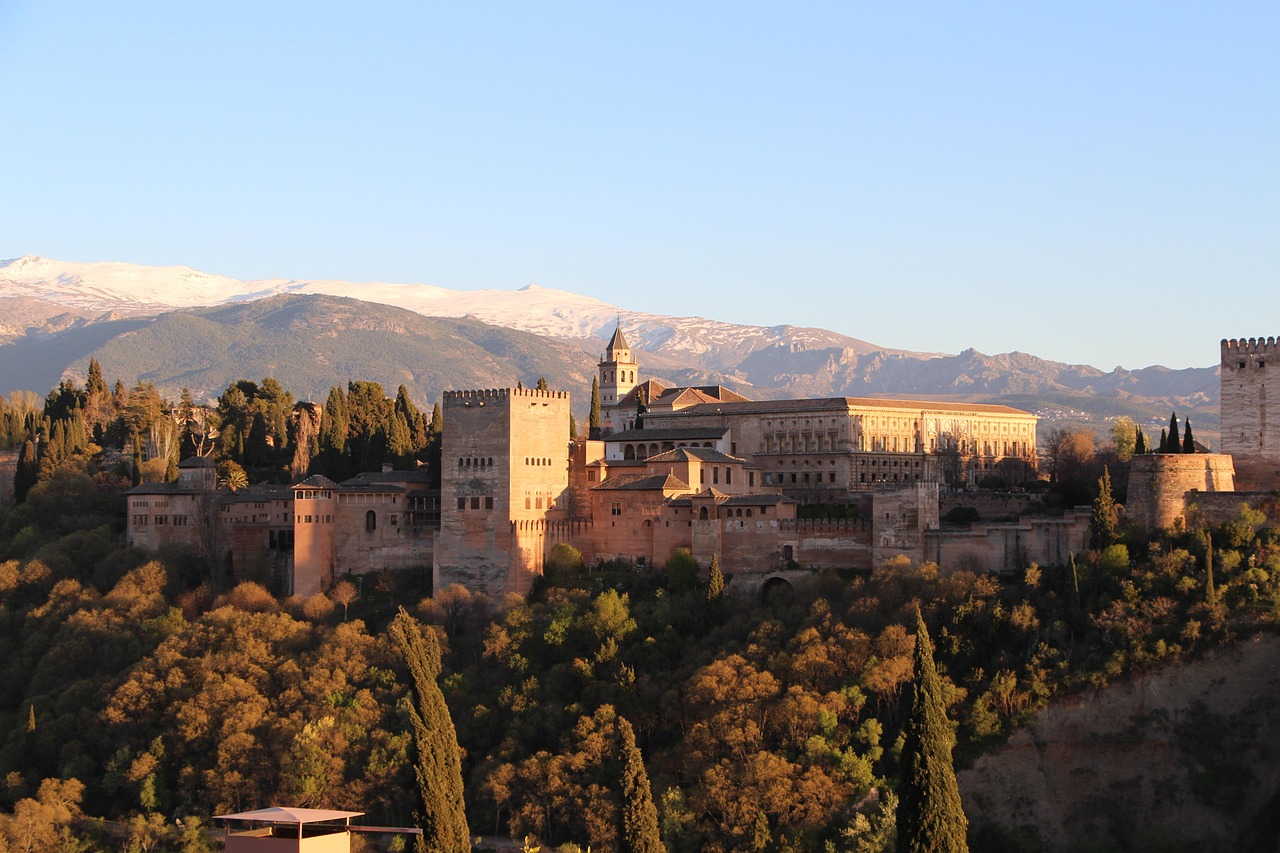
Let's start with the vacation angle, because that's where most dreams ignite. Barcelona's got that magnetic pull—Sagrada Família piercing the sky like a basilica on steroids, Park Güell with its mosaic madness—but it's a sardine can. In 2026, expect even tighter crowds as overtourism regs loosen post-pandemic recovery. I was there during a heatwave in 2022, shoulder-to-shoulder with influencers snapping the same Casa Batlló selfies, the Metro reeking of sunscreen and frustration. Malaga? It's got swagger without the squeeze. Playas del Palo for a lazy afternoon swim, or head to the centro histórico where tapas bars spill onto streets like confetti. Flights into AGP are cheaper and less chaotic than BCN, and with high-speed AVE trains linking them seamlessly, you can day-trip to Granada's Alhambra without the hassle. For pure unwind, Malaga whispers "stay longer," while Barcelona screams "Instagram it and go."
Malaga or Barcelona: Cheaper Place to Visit 2026?
Cost hits different too. Hands down, Malaga. A cortado and tostada runs €2 there versus €3.50 in Barna's tourist traps. Hotels? A charming boutique like Parador de Málaga Gibralfaro overlooks the bay for €150/night mid-season; comparable in Barcelona's Eixample starts at €220. Eating out: Malaga's chiringuitos serve espetos de sardinas for pennies—fresh-off-the-grill skewers that snap with salt and sea. I once demolished a dozen for €12, washed down with Alhambra beer under olive trees. Barcelona's paella joints gouge you, and don't get me started on the €15 museum "fast-tracks." For 2026 budgets strained by inflation, Malaga's your thriftier thrill—expect 20-30% savings on everything from Ubers to uni tickets.
Best Beaches: Malaga vs Barcelona Spain 2026
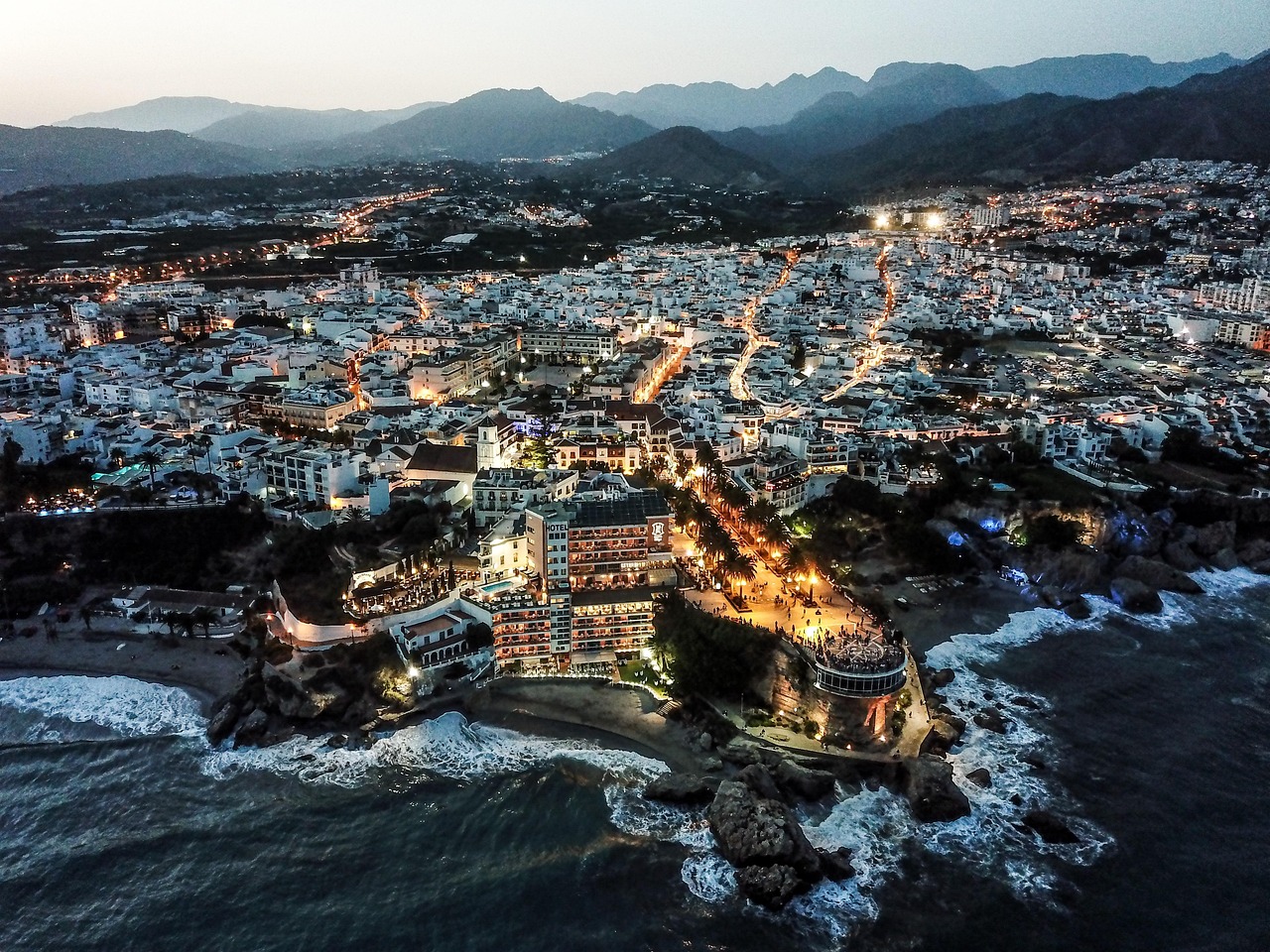
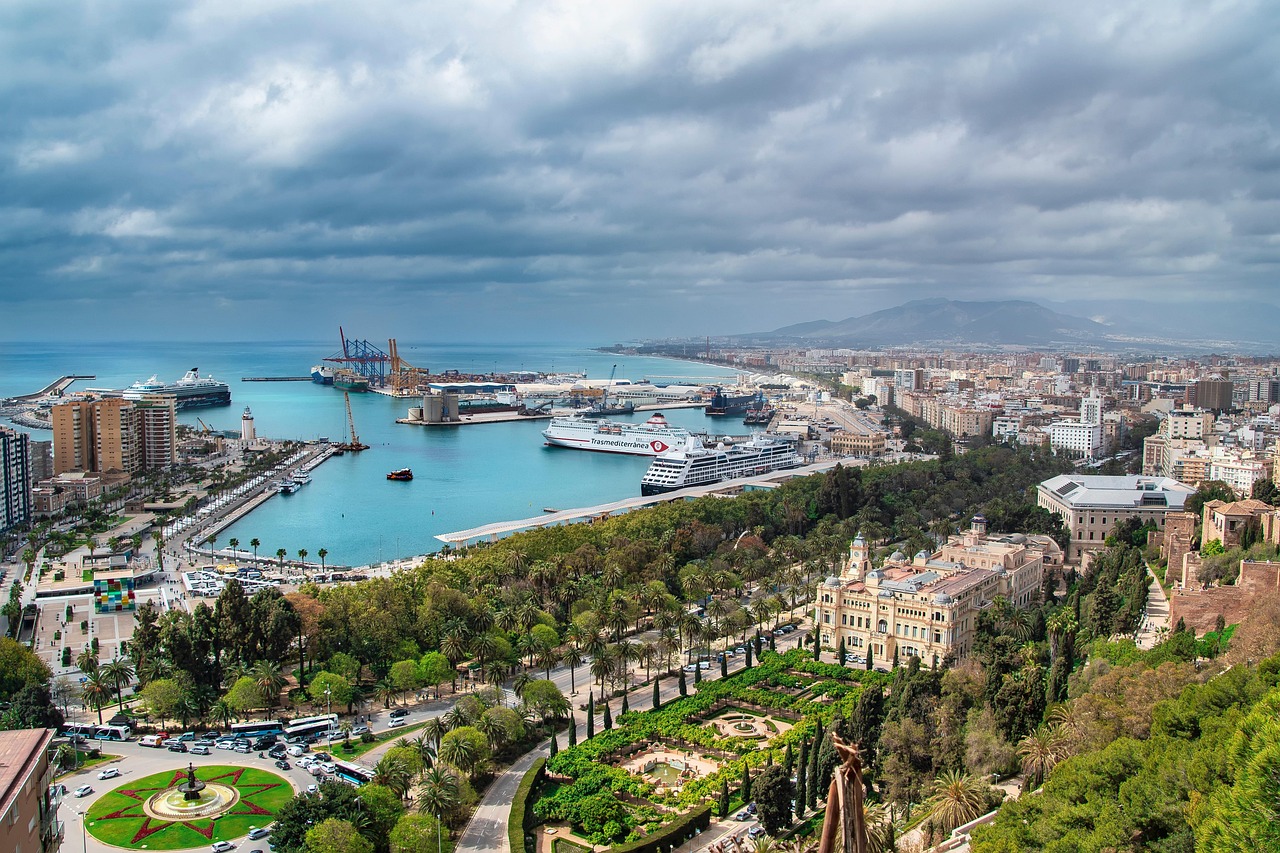
Beaches seal it for sun-seekers. Barcelona's Barceloneta is iconic, sure—golden sands buzzing with volleyball and beach bars—but it's filthy. Cigarette butts, seaweed clumps, and that perpetual urine tang from party nights. I swam there once, emerging gritty and regretting it. Malaga's coastline? Pedregalejo's pebbles cradle turquoise waves perfect for snorkeling, with chiringuitos like El Tintero where waiters auction fish straight from the sea—chaos, laughter, and the freshest fried calamari you'll taste. Or La Malagueta, right by the port: wide, urban, with promenade ice creams and kitesurfers slicing the horizon. In 2026, Malaga's investing in blue-flag upgrades, while Barcelona fights erosion and overcrowding fines. Malaga's beaches feel like yours; Barcelona's are everybody’s headache.
Top Attractions: Malaga vs Barcelona 2026
Diving deeper into attractions—Barcelona flaunts heavy hitters. Take Sagrada Família (Carrer de Mallorca, 401, 08013 Barcelona; open daily 9am-6pm in winter, till 8pm summer, €26 entry). Gaudí's unfinished symphony is mind-bending: nativity facade dripping with fruit carvings, light shafts turning nave into a kaleidoscope. I queued two hours in 2019 drizzle, emerged humbled, but it's a production—book months ahead or skip. Park Güell (Carrer d'Olot, Barcelona; 8am-8pm variable, €10)—those undulating benches and dragon fountain are pure whimsy, but the hike up leaves you wheezing amid selfie sticks. Solid, but exhausting.
Malaga's Must-See Gems
Malaga counters with soulful punches. Picasso Museum (Calle San Agustín, 8, 29015 Málaga; Tue-Sun 10am-6pm, €12)—born here, his blue periods and Guernica sketches fill 200 works across a 16th-century palace. No mobs; I lingered over Minotauromachies with a coffee, feeling the artist's restless spirit. Sensory overload: canvases textured like old leather, air scented with fresh varnish. Then Alcazaba (Calle Alcazaba s/n, Málaga; daily 9am-8pm summer, €3.50)—Arab fortress cascading down to Roman theatre below. Clamber ramparts at dusk, jasmine heavy in the breeze, Med shimmering gold. I picnicked there once, figs and manchego, watching ferries ghost out to Africa. Roman Theatre (Calle Alcazaba s/n; same hours, free)—2,000-year-old stones whispering gladiator tales. Each spot's a half-day immersion, not a checklist tick. Malaga's attractions invite you in; Barcelona's parade you through.
Nightlife: Malaga or Barcelona Which Wins 2026?
Barcelona edges it for variety—Razzmatazz's five rooms thumping techno till dawn, or El Raval's gritty absinthe dens. I danced off a paella coma there in 2020, streets alive with fire breathers and drag queens. But it's aggressive: cover charges spike, drinks watered. Malaga's subtler fire—Bodegas on Calle Strachan pouring €3 montaditos till 2am, then Plaza de la Constitución hopping with salsa under stars. Summer terraces in Soho district mix hip-hop with indie; I stumbled into a spontaneous conga line once, locals cheering my two-left-feet moves. For 2026, Malaga's scene matures with new craft breweries, less brawl-prone than Barna's blackouts.
Malaga vs Barcelona for Families with Kids 2026
Families complicate it. Barcelona's got Tibidabo amusement park (Plaça del Tibidabo, 3-4; weekends/holidays 11am-midnight, rides €3.50ea)—vintage funicular, Ferris wheels over city lights. But the trek's a chore, and pickpockets target strollers. Malaga shines: Selwo Marina (Calle Ronda del Corro, 33, Benalmádena—20min drive; daily 10am-5pm, €29 adults)—dolphin shows, penguins waddling by icebergs, splashing kids silly. I watched my friend's toddler shriek joy at sea lion flips, ice cream melting down chins. Or Bioparc Fuengirola (Calle Camilo José Cela, 1; 10am-6pm, €24)—immersive habitats where lemurs leap overhead, no bars. Beaches have playgrounds, and centro's ice cream carts are legend. Malaga's safer, cheaper, less chaotic for little ones.
Malaga vs Barcelona Cost of Living Comparison 2026
Now, the live-there lens. Groceries? Malaga's Mercadona hauls €40/week solo; Barcelona's €55 with import premiums. Rent in Malaga's Pedregalejo: €900 for sea-view two-bed; Eixample equivalent €1,800. Utilities shave another €50/month Malaga-way thanks to milder winters—no blasting heat like Catalonia's chill. Dining out thrives cheaper too—Malaga's €10 menús del día versus Barna's €18. In 2026, with remote work booming, Malaga's fiber optics rival Barcelona's, but beaches beat traffic.
Malaga vs Barcelona Real Estate Prices 2026
Real estate? Barna's overheated: €5,000/sqm in Gràcia. Malaga? €3,200 in El Palo, rising but sane—new builds near tech parks projected at €3,800. I eyed a finca last year, lemon groves included, €250k. Barcelona's bubble risks crash; Malaga's steady climb suits investors.
Is Malaga Better than Barcelona for Expats 2026?
Expats flock south. Barcelona's English bubbles isolate you—Gothic Quarter expat bars echo with same TED talks. Malaga integrates: weekly intercambios at La Tranca (Calle Carretería, 92; evenings), where Spaniards teach slang over rebujitos. Healthcare? Both ace, but Malaga's Hospital Clínico feels less frantic. Community? Malaga's got surf clubs, hiking grupos—I joined a cave-painting trek in Nerja, bonding over jamón. Barcelona's cosmopolitan but cold; Malaga's family.
Malaga vs Barcelona: Best City to Live in Spain 2026?
For expats, families, budgeters—Malaga. Vacationers chasing icons? Barcelona. But overall winner for 2026's sweet spot? Malaga. It's rising fast—airport expansions, film fest glow-ups—without Barcelona's burnout. I've swapped a week in Barna for Malaga sabbaticals, never looked back. That unfiltered joy, those hidden calas, the way locals call you "cariño" on day one. Spain's future shines brighter on the Costa del Sol. Pack light; linger long.