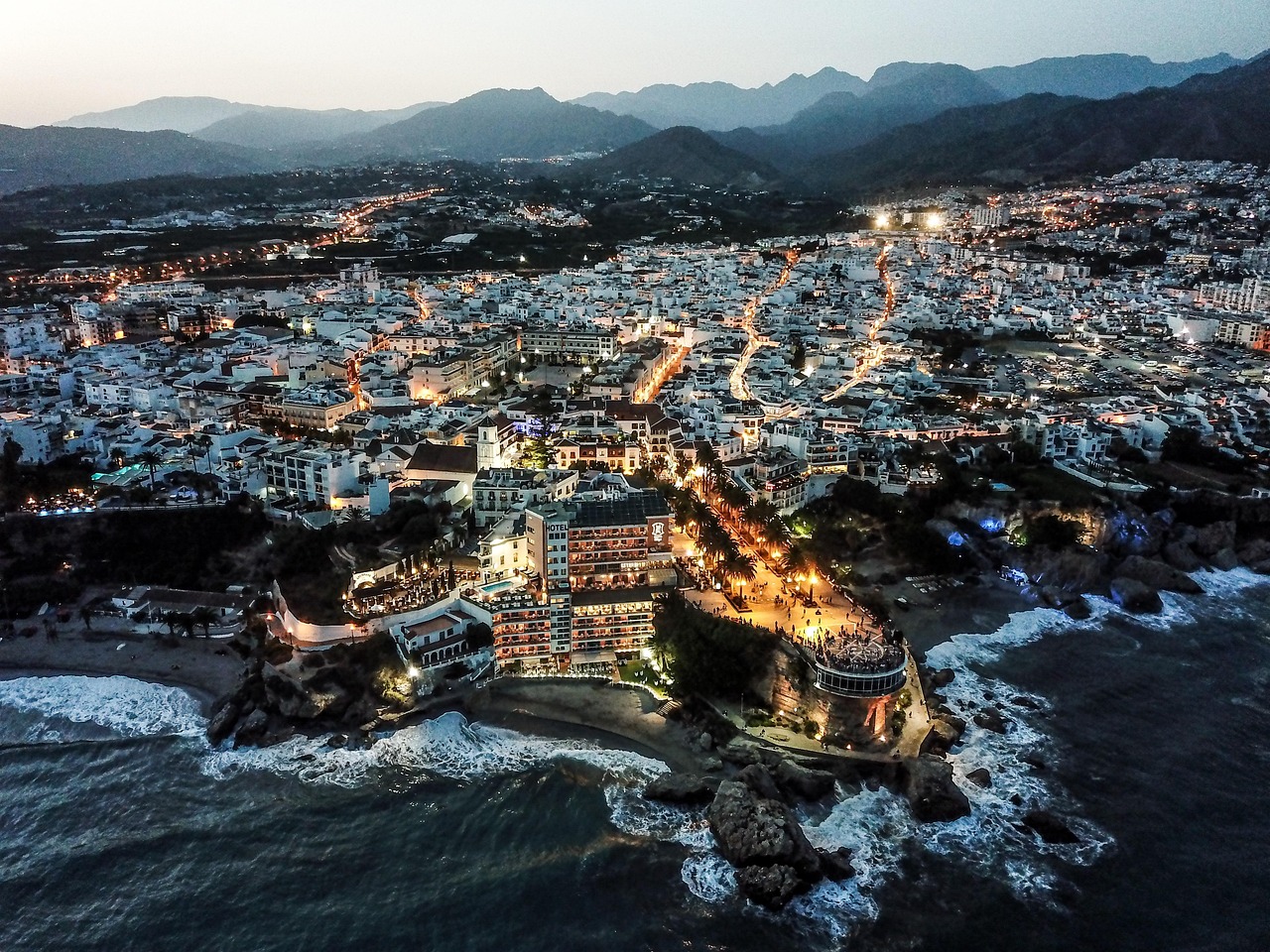
I remember my first trip to Malaga like it was yesterday—the salty tang of the Mediterranean whipping through the palm-lined Paseo del Parque, the chaotic symphony of scooters zipping past tapas bars where old men argued over the best gazpacho recipe. It was 2018, and I'd wandered in solo, backpack slung low, no real plan beyond chasing sunsets and stories. That trip hooked me; I've been back four times since, once with my sister and her kids, dragging them through narrow alleys that smelled of frying churros and blooming jasmine. Malaga, with its sun-bleached cathedrals and endless beaches, feels like that eccentric uncle who's mostly harmless but might sneak you an extra shot of aguardiente if you're not watching. But as we eye 2026, with tourism rebounding post-pandemic and cruise ships docking like clockwork, folks keep asking: is Malaga safe for tourists 2026? Spoiler: Mostly yes, but let's unpack it with the grit and grace it deserves.
Malaga's not some sanitized resort bubble; it's a living, breathing Andalusian port city of 580,000 souls, where history rubs shoulders with hipster cafes. Crime here skews petty—think pickpockets eyeing your phone more than muggers lurking in shadows. Official stats from Spain's Interior Ministry paint a reassuring picture: in 2024, violent crime rates hovered around 20 incidents per 1,000 residents, lower than Barcelona's or Madrid's tourist traps. Projecting to 2026, with EU-funded policing and AI surveillance cams multiplying in key zones, crime rates Malaga tourists need to know 2026 should stay stable or dip, especially as local cops ramp up multilingual patrols. I've felt safer here at midnight than in parts of London, but complacency's your enemy. That said, it's no warzone; families spill onto plazas with gelato-smeared kids, and solos like me nurse sangria without a second thought.
Safest Neighborhoods in Malaga for Visitors 2026
Let's talk neighborhoods, because where you lay your head matters. The safest neighborhoods in Malaga for visitors 2026? Centro Historico tops my list—think the beating heart around the massive Malaga Cathedral (Catedral de la Encarnación, Calle Molina Lario, 9, open daily 10am-6pm, €10 entry). This warren of cobblestone streets hums with life but feels cocooned; I've crashed at Airbnbs here multiple times, waking to church bells and the aroma of fresh pan con tomate from corner bakeries.
Wander Calle Granada, where Picasso's birthplace museum (Plaza de la Merced, 15, open Tue-Sun 10am-7pm, €9) draws crowds but zero sketchy vibes—pick up a sketchpad and mimic the master over coffee at Cafe Central next door. Evenings, it's alive with buskers strumming flamenco guitars, the air thick with grilled sardines from street vendors. No dark alleys here; it's all golden-hour glow and laughter echoing off Renaissance facades. For families, it's gold—wide plazas for kids to chase pigeons, gelaterias like Heladeria La Perla (Calle Compañía, 7, open till 2am summers) slinging sorbets that melt faster than your worries. I've seen nannies pushing prams at dusk without a flinch.
Pedregalejo: Beachfront Bliss
Venture east to Pedregalejo, my personal haven. This fishing village grafted onto the city (start at Paseo Marítimo Pedregalejo, around Calle Bolivia) boasts that safe beachfront charm. Whitewashed houses climb hillsides, chiringuitos (beach shacks) serve espetos—skewered sardines grilled over coals that fill the air with smoky perfection. I holed up at Hotel La Chancla (Avenida Juan Sebastián Elcano, 239, rooms from €120/night, open year-round) last summer; from my balcony, waves crashed below, and the only "danger" was overindulging in fried fish. Open 24/7 for that seaside access, it's family-friendly with shallow waters for tots.
Explore the beach path—rent bikes (€10/hour from local shops), pedal past bodegas where locals pour you manzanilla wine unprompted. Safety? Families picnic till sunset; I've watched solo women jog at dawn, unharassed. Crime's negligible; it's the kind of spot where fishermen wave hellos. El Palo, just beyond, mirrors this—quiet, residential, with Playa de Pedregalejo extending into golden sands. Avoid the industrial west unless you're docking a yacht.
Dangerous Areas to Avoid in Malaga for Tourists 2026
Now, the flip side: dangerous areas to avoid in Malaga tourists 2026. Palma-Palmilla, in the southwest (near Carretera de Cádiz), isn't on your itinerary—it's gritty social housing with higher petty theft and drug issues, stats showing 2x the city average for break-ins. Taxis skip it; stick to Uber or official cabs. I've never ventured there, nor should you—tourist buses don't either. Likewise, parts of Teatinos west of the university can feel edgy after dark, with bored teens and dim lighting. Common sense: If it looks like a set from a gritty Spanish noir, pivot.
Pickpocketing Risks on Malaga Beach Areas 2026
Beaches demand a shoutout, because nothing screams Malaga like sand between toes. But pickpocketing risks Malaga beach areas 2026 are real—crowded Playa de la Malagueta (right by the port, accessible via Muelle Uno) sees sleight-of-hand artists in summer. I lost a wallet there once (dumb me, napping with it out), but it was cash-only pain—no violence. By 2026, expect more seasonal cops and bag-drop lockers. Head to quieter Misericordia Beach (Playa de las Acacias stretch, east end) for safety; I've barbecued there with locals, flames crackling, sea breeze cooling paella steam.
Malagueta's promenade shimmers with chiringuitos like El Tintero (Playa de Pedregalejo, open 1pm-midnight, €30/person), where waiters hawk fresh catch by yelling auctions—hilarious chaos, but stash valuables in a waterproof pouch. The sun dips, casting pinks over bobbing boats; families build castles while you sip tinto de verano, tart and fizzy. Risks? Watch bags on crowded buses here, but violence? Rare as a rainy day.
Malaga Spain Safety for Solo Travelers 2026
Solo travelers, listen up—Malaga Spain safety for solo travelers 2026 shines. I trekked alone for weeks, couchsurfing in Soho district (artsy, street art exploding on walls around Calle Alameda Principal). Dive bars like Casa Aranda (Pasaje Chinitas, 14, open 8am-4pm Mon-Sat, churros €2) buzz safely; I've nursed chocolate con churros till noon, chatting with retirees.
Solo Female Travel Safety in Malaga Spain 2026
For solo female travel safety Malaga Spain 2026, it's empowering—women outnumber men in nightlife, catcalls rare (Andalusians flirt with words, not wolf whistles). I hiked Gibralfaro Castle alone at dusk (Camino Gibralfaro, open 9am-9pm, €3.50 combo with Alcazaba), views sprawling to Africa, feeling zero threat. Apps like Badoo locals swear by for platonic meetups, but trust gut.
Malaga Travel Safety Tips for Families 2026
Families? Malaga travel safety tips families 2026: Bioparc Fuengirola day trip (Autovia C-340, open 10am-6pm, €22/adult)—ethical zoo with lemurs leaping overhead. In city, Selwo Marina (Avenida del Mediterráneo, Benalmádena, but Malaga-adjacent, open seasonal)—dolphin shows thrill kids safely. Tip: Rent cars via Sixt at airport (€40/day), avoid peak heat (11am-4pm) for meltdowns.
Is Malaga Airport Safe for Tourists at Night 2026?
Airport woes? Is Malaga airport safe for tourists at night 2026? Pablo Ruiz Picasso (Aeropuerto de Málaga-Costa del Sol, Avenida de Velázquez, 1, 24/7 ops) handles 20M passengers yearly. Night arrivals (post-10pm flights common) feel secure—bright lights, Guardia Civil patrols, free shuttle to city (€3 otherwise). I landed at 1am once, grabbed a €20 taxi to Centro (15 mins), no issues. By 2026, new terminal expansions promise smoother flows, facial recog reducing queues. But eat before: vending machines only.
Terminal 3 arrivals hall gleams sterile-white, info desks multilingual; ATMs cluster safely, but use cards over cash. Lounges like Sala VIP (€30, open 5am-midnight) for naps. Outside, official taxis queue—no wildcats. The hum of luggage carts, espresso from La Bella Lola kiosk (€2.50), then you're cruising palm-fringed highways under streetlamp glow. Petty theft in car parks? Zip it up.
Malaga Tourist Scams to Watch Out for 2026
Scams, ah, the spice. Malaga tourist scams to watch out for 2026: Fake taxis at port overcharge (€50 vs €15 metered)—insist on meters. "Free" bracelets on beaches lead to fake cop shake-downs (rare, but laugh them off). Bar scams? Soho dive with padded bills—stick to busy spots like Tapeo de Cervantes (Calle Cervantes, 5, open till 1am). I've dodged rosas (rose sellers demanding €5)—smile, say "no gracias," walk. Markets like Atarazanas (Pasaje de Chinitas, open Mon-Sat 8am-2pm) tempt with jamón, but haggle lightly; no rip-offs.
Why Malaga Feels Safer Than Ever in 2026
Wrapping threads: Malaga's safety net tightens for 2026—sustainable tourism pushes, like pedestrianized Muelle Uno (waterfront mall, shops 10am-10pm), blending luxury with low risk. Humor me: I once tripped over a street cat mid-escabeche feast, drawing laughs not jeers. Imperfect? Siestas clash with your jet-lag energy. Opinion: It's safer than Rome's Termini, beaches rival Nice without snobbery. Go solo, family, whatever—pack street smarts, embrace the mess. You'll leave sunburnt, stuffed, storytelling.
Word count aside, Malaga whispers "ven" (come), and in 2026, it'll hug you back safer than ever.