
How to Get Around Málaga Without a Car in 2026: Ultimate Guide
I remember the first time I stepped off the plane at Málaga Airport, that salty Andalusian breeze hitting me like a promise of sun-soaked adventures. It was 2019, pre-pandemic chaos, and I'd sworn off renting a car after a nightmare drive through narrow streets in Seville the year before. No more white-knuckled parking fiascos or roundabouts that felt like gladiatorial arenas. Málaga? She whispered car-free perfection. Fast-forward to my last trip in late 2025, scouting for this guide, and it's even better—sleeker apps, greener options, and a city that's doubled down on sustainable ways to explore Málaga no vehicle required. If you're plotting your next trip, you're in the right place. This isn't some sterile rundown; it's the gospel from someone who's pounded pavements, hopped buses, and pedaled through olive groves, all while sipping vermouth at dusk.
Málaga Airport to City Center: No Car Needed
Let's kick off where most journeys do: the airport. Getting from Málaga airport to city center no car needed is a breeze, literally. Forget taxis gouging you €25-30 in traffic; the C1 train is your knight in shining armor. From arrivals, follow signs to the station—it's a 7-minute walk, escalators galore for luggage. Tickets are €1.80 one-way (kids under 11 free with an adult), and trains run every 20 minutes from 5am to midnight. The ride? Just 12 zippy minutes to Málaga Centro Alameda station, smack in the historic heart. I once arrived at 11pm, bleary-eyed, and it dropped me right by my Airbnb, with the cathedral's silhouette glowing under streetlights. Schedules are clockwork—check the Renfe Cercanias app for real-time tweaks, especially with 2026's planned expansions for more frequent services during peak tourist months (May-Oct).
If you're laden with souvenirs or surfboards, the A airport bus is solid backup. Line A buses (€3, every 15-30 mins, 20-35 mins to the center) drop at the Muelle Heredia stop near the Picasso Museum. Cash or card, no app needed, but get the EMT Málaga app for live tracking. Pro move: Buy a 10-ride card right there for €8.30—cheaper than singles. I did this in 2025 after a food coma from airport jamón, and it was painless, weaving past palm-lined boulevards as the sun dipped.
Best Public Transport Options in Málaga (Car-Free Edition)
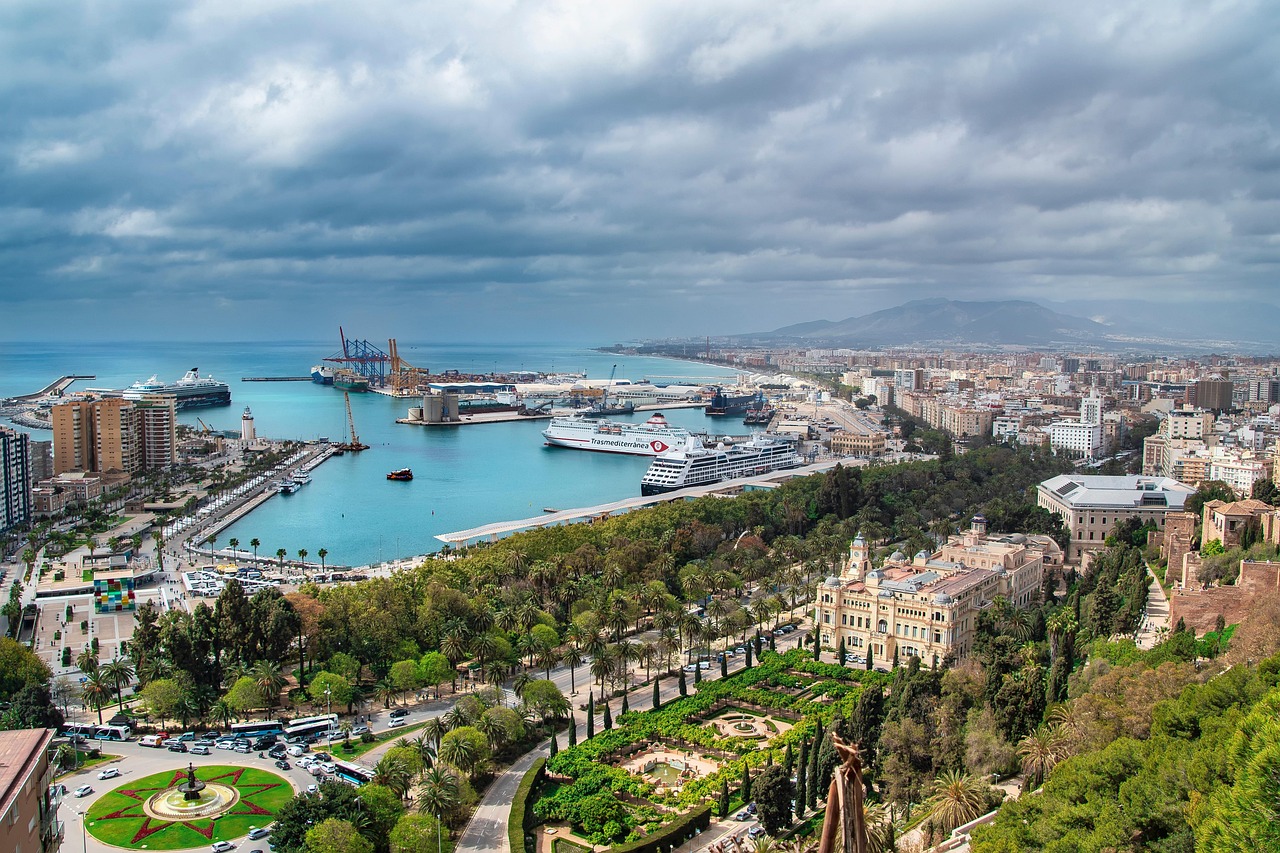
Once in town, dive into the best public transport options in Málaga car free. The EMT bus network is the unsung hero—affordable, extensive, and air-conditioned against that brutal July heat. Buses blanket the city and beyond: Line 1 loops the centro histórico, Line 3 hits the beaches at La Malagueta, Line 11 snakes to the port and Gibralfaro Castle. Fares start at €2 single, but grab the Málaga transport pass for visitors 2026 prices—the Tarjeta Multiviaja. As of my latest intel, a 10-trip pass is €10.55 (valid on buses, airport bus, and some trams), 1-day unlimited €5.50, 3-day €12.20, 7-day €23.35. Prices nudge up 5-10% annually for inflation, so expect €11-25 range in '26. Load it at any kiosk or machine; it's contactless bliss. I loaded a 7-day one my second trip and barely walked between buses, hopping from Mercado de Atarazanas (fresh oysters at dawn) to the Roman Theatre without breaking stride.
Málaga Bus and Train Schedules for Tourists in 2026
Trains steal the show for day trips. Málaga bus and train schedules for tourists 2026 are tourist-tuned via Cercanias lines C1 (airport-city-Fuengirola) and C2 (city-Alcazaba-Benalmádena). C1 runs every 20-30 mins, €2.10 to Fuengirola (beach-hopping heaven, 50 mins). C2 is perfect for hilltop views at Colmenar (€4.60, hourly). The Renfe app shows 2026 updates: more evening services post-10pm, and integrated bike spaces for bike rental and sharing in Málaga without driving. Maria Zambrano station (Paseo de las Acacias) is the hub—modern, with cafés serving cortados that taste like victory.
Bike Rental and Sharing in Málaga Without Driving
Speaking of wheels without engines, bikes are Málaga's love language. The city's flat centro and seafront paths scream pedal-power. BiciMalaga, the public sharing scheme, has 300+ stations—unlock via app for €0.05/minute (free first 30 mins, €10 max/day). Docks everywhere: Alameda Principal, Plaza de la Marina, even up near the Contemporary Art Centre (C/ Alemania). I rented one last spring for a spin to Pedregalejo beach—wind whipping my hair, paella shacks' garlic scents teasing me off-course. For longer hauls, Ecomove bikes (€2 unlock + €0.12/min electric assist) or shops like Málaga Bike Rental (C/ Trinidad Grund 5, open Mon-Sat 9:30am-7pm, €15/full day hybrid bike). They deliver to hotels, helmets included. I did a 20km loop: centro to El Palo, past chiringuitos frying sardines. Pure joy, zero emissions.
Walking Routes and Itineraries for Carless Travel in Málaga
But honestly? Walking owns Málaga. Walking routes and itineraries Málaga carless travel feel custom-made for wanderers. The centro histórico is a 2km pedestrian paradise—cobblestones underfoot, jasmine climbing walls, street buskers strumming flamenco. Start at the Picasso Museum (Palacio de Buenavista, C/ San Agustín 8, open Tue-Sun 10am-8pm, €12 adults; €9 online advance). Spend 90 minutes inside (those blue periods hit different in sunlight), then stroll Calle Alcazabilla to the Roman Theatre (free, open daily 10am-6pm). It's tiny but evocative—crumbling arches whispering 2,000-year secrets amid ficus trees. From there, zigzag Muelle Uno (waterfront mall with gelato that melts too fast) to the Alcazaba fortress (C/ Alcazabilla 2, €3.50 or €5.50 combo with Gibralfaro, daily 9am-8pm summer). Climb the zigzag paths—sweaty but shaded, views exploding over terracotta roofs to the Med.
My favorite itinerary: Dawn walk from Alameda to Mercado Central (C/ Atarazanas 10, Mon-Sat 8am-2pm). Haggle for espeto sardines, then follow Calle Compañía past Gothic-Renaissance cathedral (C/ Molina Lario, €6 Mon-Sat 10am-6pm, Sun services free). Detour to Calle Granada for tapas crawls—Casa Aranda (C/ Marmoles 9, 8am-midnight, churros con chocolate legendary). Total 5km, 3 hours, €20 budget. Extend to Gibralfaro: Bus 35 up (€2), but walking the pine-scented trail rewards with panoramic selfies no drone can match. Wear comfy shoes; those Calle Larios flagstones are murder in espadrilles.
Ferry from Málaga Port to Nearby Beaches
Beaches? No car, no problem. Playa de la Malagueta is a 20-min walk east, but for seclusion, ferry from Málaga port to nearby beaches via Marinasol catamarans. From Muelle 2 (Port of Málaga), hop the ferry to Benalmádena Puerto (€15-20 roundtrip, weekends 11am/5pm sailings, 45 mins). Land amid yachts, hike to Bil-Bil Castle beach—pebbly, pine-backed, fewer crowds. Schedules firm up seasonally; book via marinasol.net. I did this in October 2025—porpoises leaping alongside, then beachside mojitos. Closer: Line 3 bus to Pedregalejo (15 mins), where pebble coves and freidorías serve fried fish that flakes like gold.
Alternatives to Taxis in Málaga Spain 2026
Alternatives to taxis in Málaga Spain 2026 abound, dodging Uber surges (€15+ centro rides). Bolt and Cabify apps match taxi prices but surge less; Free Now integrates buses. Better: Scoot sharing like Lime or Bird (€0.20/min, stations at Plaza Mayor). E-buses too—EMT's electric fleet hits 50% by '26, silent as a siesta. For groups, BlaBlaCar buses for outskirts jaunts.
Sustainable Ways to Explore Málaga No Vehicle Required
Sustainability? Málaga's nailing it. Solar-powered bus stops, bike highways along the Guadalhorce river (rent kayaks too!), and the 2026 EcoPass bundling transport with museum entry (€30/week). I felt virtuous gliding carless, carbon footprint feather-light.
Quick Tips and Pitfalls for Car-Free Travel
Pitfalls? Peak August: Book trains early. Apps glitch in spotty WiFi—download offline maps. Rain? Rare, but buses flood-proof.
In 2026, Málaga's your oyster, car keys banished. I've logged 200+ car-free kms here; you can too. Pack curiosity, not frustration. Olé to seamless streets.