

8 Hours in Málaga Cruise Port: Unmissable Adventures for Your 2026 Stopover
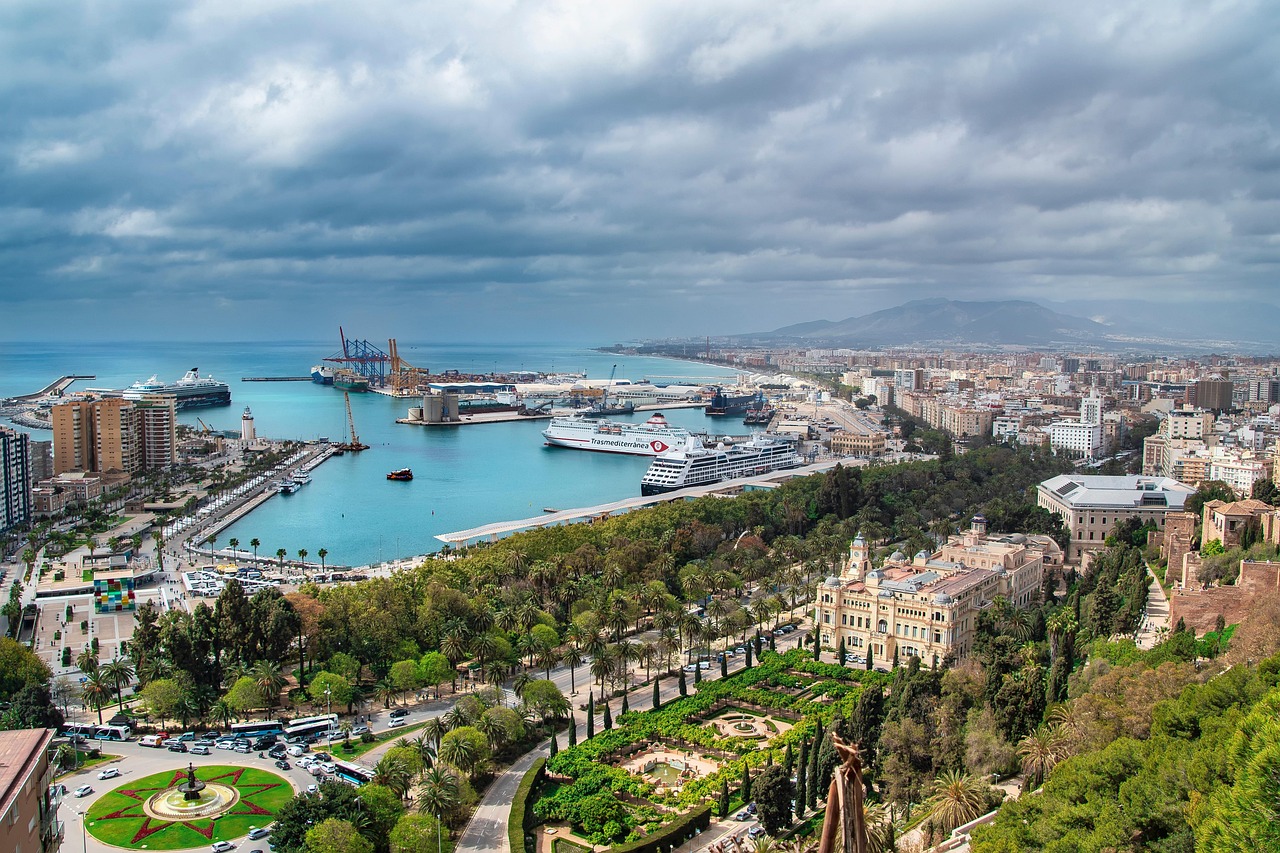
That familiar flutter in my stomach hit as the ship's horn echoed across the water, easing us into Málaga's bustling cruise port. It was 2026 on my latest visit, the Andalusian sun already warming the decks by 8 a.m., and I had precisely eight hours before all-aboard. Forget the crowded bus tours—I craved the real heartbeat of the city, cobblestones underfoot, a sheen of sweat from the Mediterranean heat. Docking here for a half-day layover? You're golden. The historic core unfolds within a breezy walk from the terminal, letting you chase cathedrals, fortresses, and fresh seafood on your own terms. Pin this map for your next port call—it'll transform that quick stop into something unforgettable.
The port's Muelle de Levante pier leads straight into the action, past palm-lined promenades carrying whiffs of salt air and strong espresso from dawn vendors. I learned the hard way to swap flip-flops for sturdy sneakers after one painful outing—those blistered heels from my flip-flop folly still make me wince. Armed with a dog-eared map and no set plan beyond churros and history, I wandered forth. What you're about to read draws from three dockings here, blending triumphs and those hilarious mishaps that turn a quick stop into lifelong memories.
From Port to Plaza: Finding Málaga's Easy Rhythm
Disembark, swipe your cruise card at the gate, and dive in. The flat 1.5-kilometer stroll along Avenida del Muelle de Levante feels effortless, weaving past espadrille stalls and caricature artists capturing tourists' grins. About 20-30 minutes in, I once paused for a grandma in a floral apron deep in haggle mode with a vendor named Pepe over plump olives. She popped one into my hand—greasy, briny perfection—and declared it "the true taste of Málaga." I walked on lighter, calories burned, story pocketed.
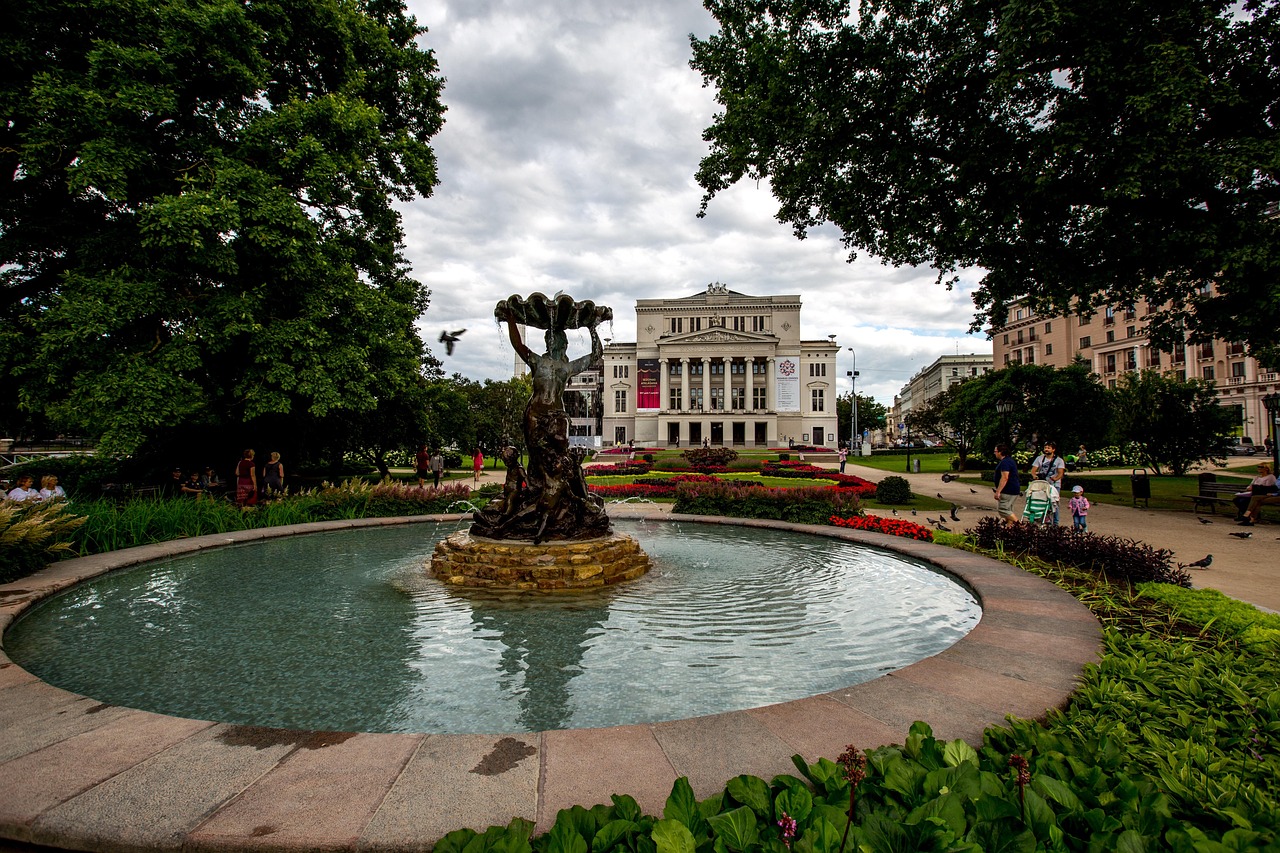
Plaza de la Marina greets you like an old friend: fountains bubbling, horse carriages clip-clopping, locals in crisp linen sipping their morning café con leche. Pull up at Café Central (Plaza de la Marina, 5; €2-3) for your own, the air laced with jasmine and a hint of exhaust from passing scooters. Cruise passengers blend with the everyday crowd here, setting the stage for whatever pulls you next. From this sunny square, the city's Renaissance star, La Manquita cathedral, beckons just two blocks away up Calle Molina Lario. But linger—let the plaza's haze draw you in first.
La Manquita Cathedral and the Roman Theatre: Layers of Time
Stepping into the Cathedral's Glow
Around 9:30 a.m., I pushed through the heavy doors of Málaga Cathedral (Calle Molina Lario, 9), the cool stone floor a balm on my aching feet. Nicknamed "the one-armed lady" for its unfinished tower, this Baroque masterpiece rose from a mosque's ruins, its 40-meter vaults swirling with gold altars and incense haze that clings to your clothes like a whispered promise. I traced Queen Isabel the Catholic's carved signature, her pledge to fund Columbus's voyage frozen in time. Climb the rooftop for sweeping views—rooftops cascade to the sea, Gibralfaro Castle's silhouette sharp against the sky. Ninety minutes flew by in hushed awe; don't rush it. This anchors any solid city center plan on a short visit.
Whispers from the Roman Theatre
Steps away waits the Roman Theatre (Calle Alcazabilla, s/n), Málaga's hidden gem carved into the rockface around 1 A.D. Tiered marble seats that once echoed gladiators and poets now cradle sunning cats. I collapsed onto a bench once, heart racing from a pickpocket scare—my wallet safe, but lesson learned: money belt forever. Sit still and the millennia murmur back; the acoustics are ghostly, a single clap rebounding like ancient applause. Pair it with the cathedral for under two hours of grit-meets-grandeur. Palm against cool stone, olive leaves rustling overhead, a distant busker's flamenco guitar threading the air—pure sensory poetry.
Picnicking on market figs nearby (juice staining my shirt in the best way), I tuned out a tour group's drone. Imperfect moments like these peel back the glossy postcards, revealing Málaga's lived-in soul. Save room for more—there's sweat and seafood ahead.
The Uphill Quest: Alcazaba and Gibralfaro Fortresses
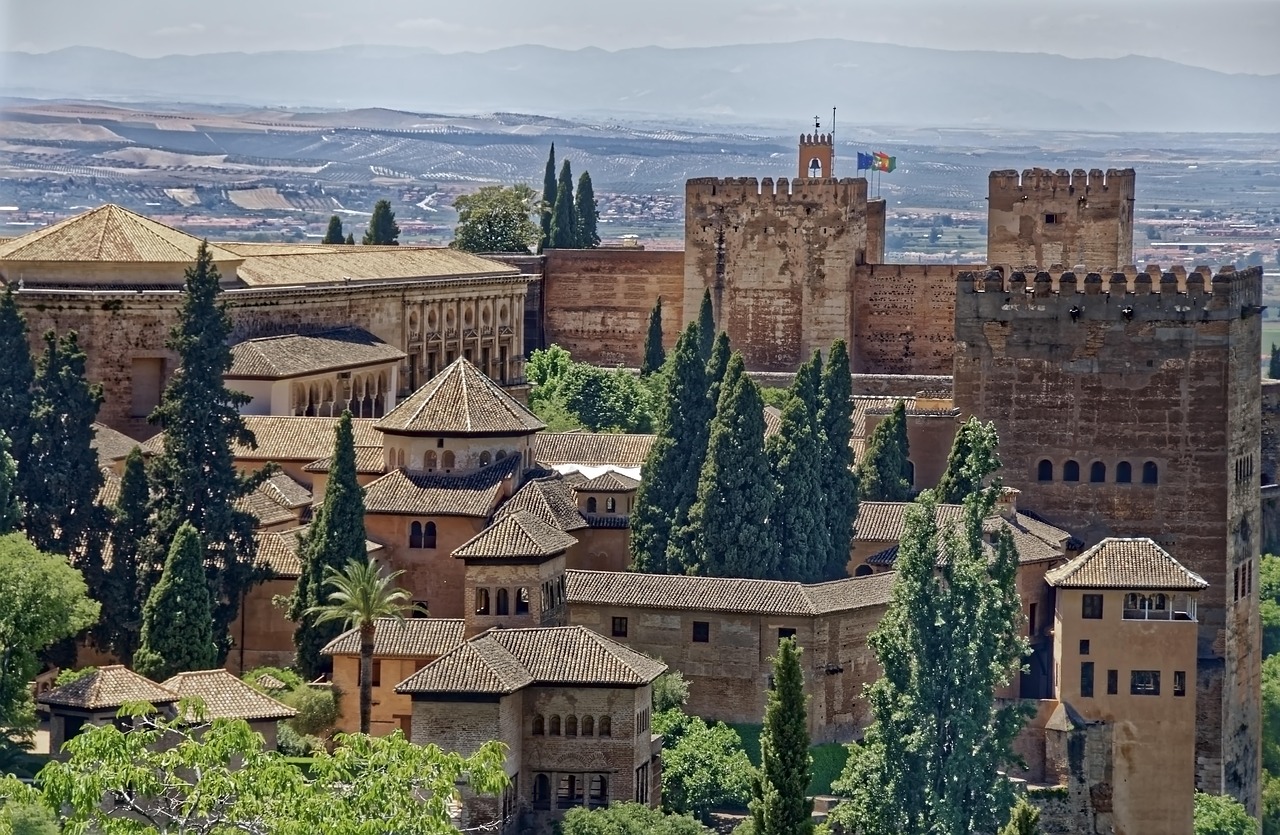
For the bold, nothing tops the walk up to Alcazaba and Gibralfaro—a 40-minute uphill push from the pier or 20 from the cathedral through shadowy goat-path alleys off Calle Alcazabilla. Begin at the Alcazaba (Calle Alcazabilla, 2), an 11th-century Moorish palace of arched courtyards framing endless sea vistas, bougainvillea-draped patios, and fountains plinking softly. I roamed its gardens at dawn once, heavy oranges scenting the damp earth and pine, feeling like I'd slipped into a forgotten era.
The real sweat comes on the 1.5-km cobbled trail to Castillo de Gibralfaro (Camino Gibralfaro, s/n). Huff past wild fennel and thistles to battlements where cannons once thundered—now yielding panoramas of the bullring below and the Costa del Sol shattering like glass under the sun. Wind tugs at your hat; grip tight. A roadside vendor's ice-cold gazpacho (€2) revived me mid-climb, its tomato tang pure reward. Round-trip from the center: two hours with pauses. Taxis cost €10 if hills aren't your friend, but for active souls, this is the adventure that defines the day.
Inside the Alcazaba's Sala de las Bóvedas, vaulted ceilings evoke a dragon's lair dripping with tales. Up top at Torre del Tajo, vertigo views had me hugging the wall, phone abandoned for the thrill. Midway, a Dutch couple in sandals powered past, only to limp home defeated—travel's cheeky humor in action. These heights demand your energy but repay with sweat-earned immersion. Feeling the burn already? Bookmark this for motivation.
Picasso's Hometown Haunt: A Cultural Dash
Málaga birthed Pablo Picasso in 1881, and his spirit lingers like a playful shadow. Slot in the Picasso Museum (Palacio de Buenavista, Calle San Agustín, 8) post-cathedral—90 minutes of air-conditioned delight amid 200 works in a 16th-century mansion. Gritty bullfight oils, anguished blue weeping women, boyish Malaga sketches—I lost myself in "Mujer con Mantilla," her stare piercing my cruise-day regrets. Courtyards brim with ceramics; bees buzz the garden. Book online to skip lines (I didn't and paid dearly). Spilled sangria on a bench became my lowlight; the raw energy, my high. Street murals echo his vibe citywide—perfect culture hit for art lovers squeezing it into port time.
Markets, Seafood, and Sands: Feeding Body and Soul
The Mercado de Atarazanas Frenzy
Noon hunger strikes hard—head to Mercado de Atarazanas (Calle Atarazanas, 10), its stained-glass dome kaleidoscoping light over jamón piles and espeto sardines. Fishmongers shout, vinegar stings the air, frying oil sizzles. I bartered with Pepe's cousin for prawns (€5 skewer), devouring them amid the chaos. That grandma from the port? She'd nod approval. It's standing-room pandemonium, alive with laughter bouncing off iron beams.
Playa de la Malagueta: Beach Reset
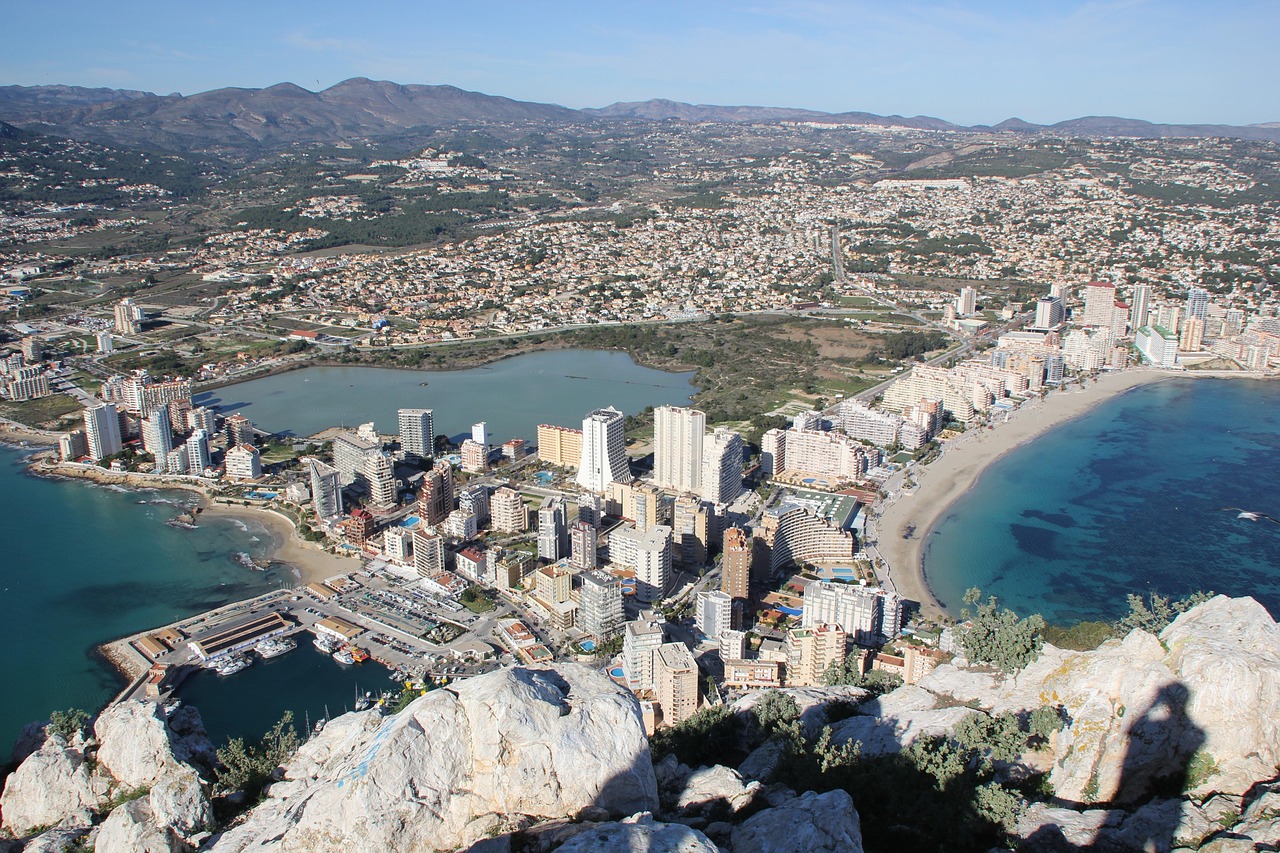
Stroll 15 minutes east to Playa de la Malagueta for golden sands, rolling Atlantic waves, and chiringuitos hawking paella. Shoes off (I've learned), toes in warm surf, kite-surfers soaring overhead. Lounger rental €5; kids' fort-building laughter fills the air. An hour here crusts salt on your skin, resetting the frenzy. Back by 3 p.m., grit lingering like a trophy.
Refuel at El Tintero (Playa de la Malagueta, 14; €15-20 pp): waiters auction dishes in hilarious mayhem—fried fish, sin-thick salmorejo soup landed on my table. Fueled and grinning.
Bonus Escapes If Time Stretches
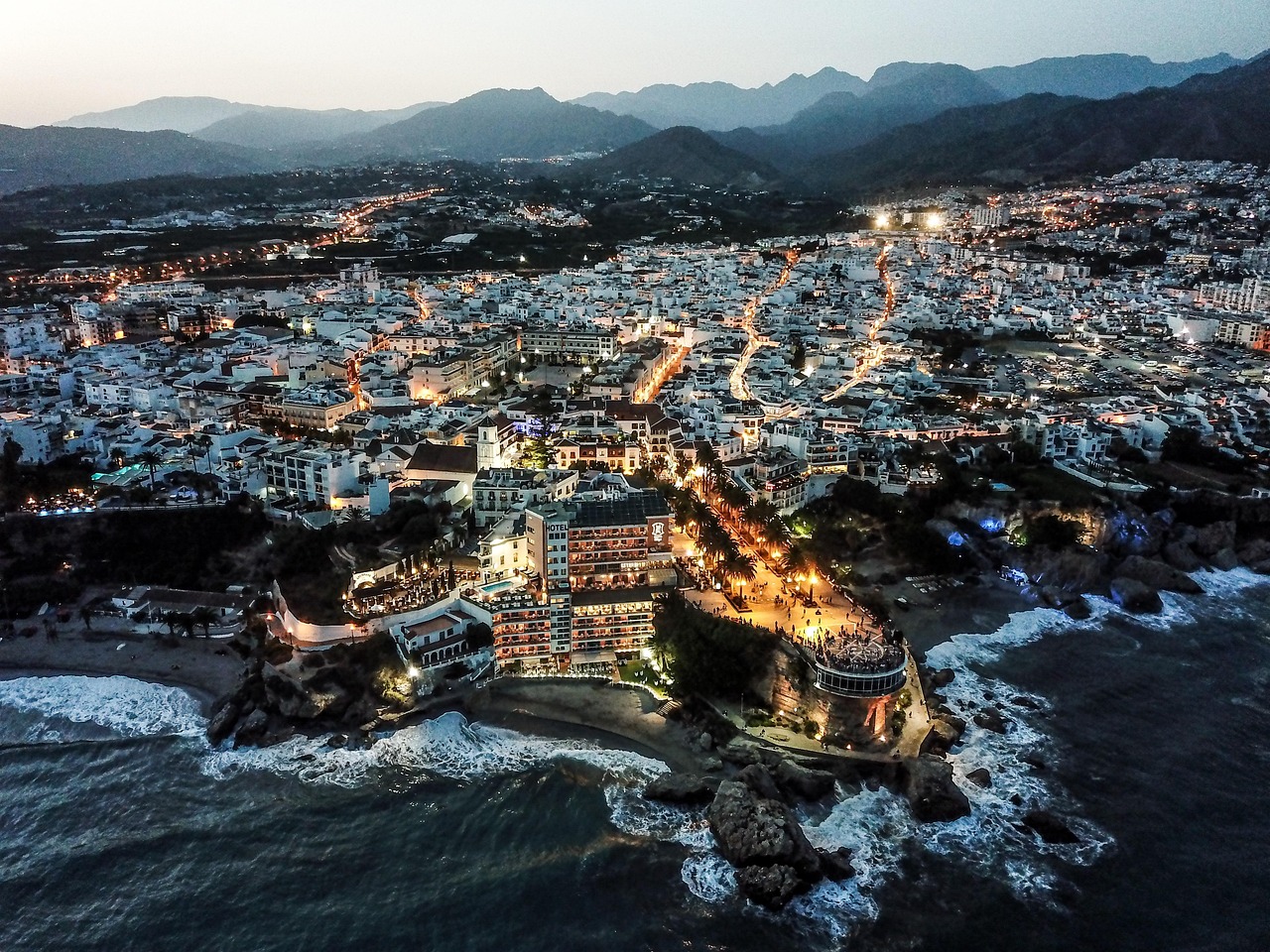
Tight schedule, but early docks allow easy escapes like Nerja Caves (45-min bus, €10 round-trip). Or linger locally at the Roman Theatre. Ronda tempts but stretches limits; Caminito del Rey suits thrill-seekers.
- Nerja Caves: Stalactite wonders, quick bus hop.
- Stay Central: Extra beach or market laps.
Sailing Away Satisfied
Retrace to port by 4 p.m., Amorino gelato in hand (Calle Larios). Expect 10km walked, €40-60 spent. Málaga claimed my heart—let it steal yours. Share your stories below; pin this for sun-drenched 2026 memories! And if you're plotting your own adventures, drop a comment—what's your must-do here?
Note: All hours and prices reflect 2025 info—verify on official sites for your 2026 visit.