

Óbidos Overnight vs Day Trip: Which Is Better & Why
There is a particular slant of light in late afternoon that turns the village of Óbidos into a living fresco. It’s a honeyed, forgiving light that softens the ramparts and makes the white houses glow as if they’ve swallowed the sun. I remember my first time there, arriving on a bus from Lisbon with a backpack and a vague plan to “see the castle.” I thought I’d be back in the capital by dinner. But the moment I stepped through the old gates and onto the main street—Rua Direita, a river of blue-and-white calçada flowing toward the square—I felt the familiar tug of a place that wasn’t finished with me yet. A ginja vendor winked, the bells began to ring, and I found myself calculating, quietly, how hard it would be to find a room. That’s when I learned the central question of Óbidos: do you let it be a postcard you flip through, or do you let it tuck you in for the night?
The Core Debate: Postcard vs. Immersion
It’s a small town with a big reputation. Compact, fortified, a little theatrical in its medieval beauty, Óbidos is often touted as an essential day trip from Lisbon, just 90 minutes away by car or a meandering bus ride through fields of cork oaks. It’s undeniably true that you can “do” Óbidos in a few hours: wander the castle walls, duck into the Gothic church, savor a shot of ginja (the cherry liqueur served in a chocolate cup), and browse the azulejo-painted shops. But the real magic—and the debate—is about time. Because Óbidos is a place that changes shape with the hours. By day, it’s a bright, bustling stage; by night, it’s a hushed, lantern-lit labyrinth that belongs to the owls and the lovers and the stray cats that know the shortcuts.
The Case for the Day Trip: Efficiency and Highlights
Let’s be practical first, because travel is always a negotiation between romance and reality. A day trip to Óbidos makes sense if your time in Portugal is tight and you’re staying in Lisbon or nearby. The town is small enough that you can cover its highlights in three to five hours without feeling rushed.
Start at the Porta da Vila, the main gate, where a tiny chapel sits above your head and the ramparts invite you to climb. From there, the straight shot down Rua Direita spills you into the main square, where the Igreja Santa Maria stands with its simple, elegant facade. If you’re up for a short detour, follow the walls east to the Igreja da Misericórdia, with its fine Manueline portal. The real joy of a day visit is the freedom to wander. The streets are narrow and made for aimless strolling; every corner turns into a vignette: a turquoise door, a pot of geraniums, a view over the terracotta roofs to the lake beyond.
But there’s a rhythm to the day, and it has a pulse that travelers often miss. By noon, tour buses arrive, and the main streets swell. Queues form for ginja, and the best pastries sell out. The castle walls, which are free to walk when open, become a parade of selfie sticks. It’s not unpleasant—Óbidos is too pretty to be truly unpleasant—but it does feel a bit like a performance. You take your photos, you buy your souvenirs, you retreat to a café for shade and a bifana. And then, around 4:30 or 5:00, something shifts. The buses start to pull away. The golden hour softens the stone. The locals emerge to walk their dogs, and shopkeepers begin to close with unhurried care. If you’re still there at this hour, you’ve stumbled into a secret. That’s when a day trip starts to feel inadequate, because the town is finally taking off its stage makeup.
"The case for staying overnight rests on this transformation. Óbidos after dark is a different creature entirely."
The Case for the Overnight: The Secret Life of Óbidos
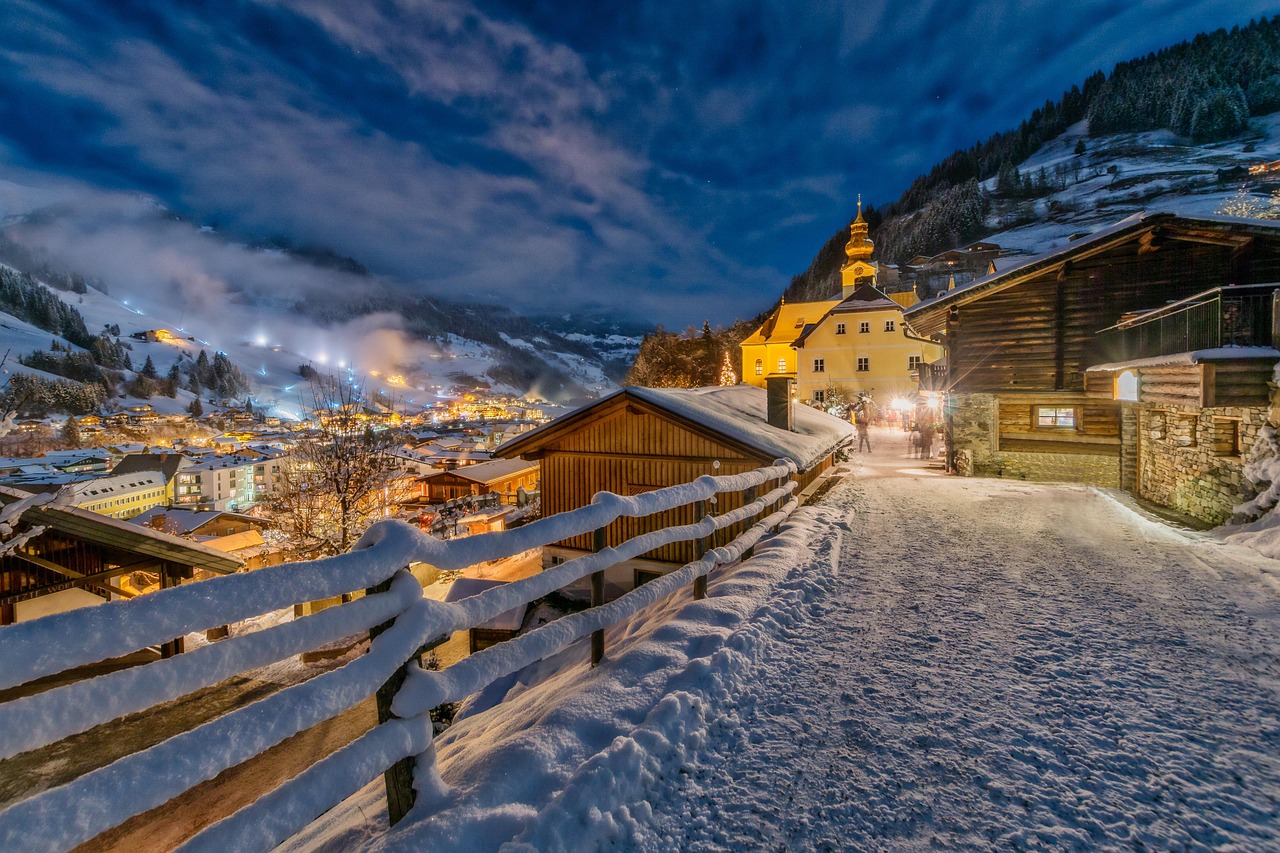
The case for staying overnight rests on this transformation. Óbidos after dark is a different creature entirely. The lights come on in the medieval chandeliers that hang across the streets. The castle, which by day looks like a museum, becomes a silhouette against a deepening sky. If you’re lucky enough to have a room with a view of the interior courtyard or the ramparts, you’ll hear the bells carry across the rooftops. And you’ll have the town largely to yourself. There are a few restaurants that stay open late—many of the best are tucked into stone cellars—and the atmosphere is intimate and unguarded. You can climb the walls at night (when permitted) and look out over the blackness of the lagoon and the flicker of distant villages. It’s quiet in a way that feels ancient, a quiet that belongs to watchtowers and footsteps on stone.
The Morning Advantage
There’s also the simple pleasure of being inside the walls when the gates are closed. In the morning, you’ll wake early and step out into streets that belong to residents. The bakeries open; the aroma of fresh bread mingles with the scent of jasmine. It’s cool and clean, and you can walk the ramparts alone, with just the swallows for company. If you’re an early riser, you can reach the castle viewpoint at sunrise and watch the light spread across the countryside. There’s a serenity to it that reshapes your memory of the place. Instead of a checklist of sights, you’ll remember the smell of coffee, the squeak of a wooden door, the way the town felt like it was yours for a few hours.
Practicalities: Cost, Accommodation, and Logistics
The practicalities of an overnight stay are straightforward, though Óbidos is a small town and accommodation is limited. Rooms inside the walls are mostly boutique hotels or guesthouses, with a handful of private apartments. Prices vary by season, but you can generally expect to pay between €90 and €180 per night for a well-located double room with character—think beamed ceilings, antique furniture, and sometimes a slanting floor or two. In high season (June through September), rates climb, and availability can be tight, so booking ahead is wise. Some properties offer packages that include wine tasting, dinner, or a guided tour, which can add value if you’re looking for a curated experience.
Parking is usually outside the walls, though some hotels will help with luggage if you can pull up briefly to unload. Wi-Fi is generally good, though thick stone walls can make for quirky dead spots. Most places offer breakfast, often simple but delicious: fresh bread, local cheese, fruit, and strong coffee.
Is It Worth the Cost?
The question of cost is often what tips the scale. Is it worth staying overnight in Óbidos Portugal when you could spend that money in Lisbon? If you’re on a shoestring, a day trip is absolutely viable and you’ll still see a beautiful town. But an overnight stay isn’t just about a bed; it’s about buying time and quiet. Think of it this way: the price of a hotel room buys you a private show at dawn and dusk, plus dinner and breakfast in a setting that feels like a film set after the cameras leave. And there are ways to manage costs. Midweek stays are cheaper. Shoulder seasons—April to early June and September to October—offer pleasant weather and lower rates. If you’re traveling with a companion, splitting a room can be comparable to two round-trip bus tickets from Lisbon plus a rushed lunch.
Óbidos Nightlife: What to Do After the Day Trip Ends
Óbidos nightlife is modest, but that’s part of its charm. This isn’t Porto or Lisbon; you won’t find thumping clubs. Instead, you’ll find candlelit wine bars, a few late-night cafés, and the pleasure of a slow dinner in a stone-walled restaurant. Try Tasca da Quinta for regional dishes and a warm, convivial atmosphere; it’s often open until around 10:30 or 11:00 PM, but it’s wise to reserve in peak season.
If you’re in the mood for wine, O Vinho e a Companhia is a cozy spot with an excellent selection of Portuguese wines and knowledgeable staff.
In the off-season, many kitchens close by 9:30 PM, so plan accordingly. The streets are well lit and safe; walking at night is a pleasure, though the calçada can be slippery after rain.
Avoiding Crowds: The Overnight Advantage
One of the strongest arguments for an overnight stay is crowd avoidance. Óbidos is a very popular day trip, and between 11:00 AM and 4:00 PM, the main thoroughfares can feel congested. By staying over, you can hit the walls early, when they open, and again late, when the tour groups have decamped. You can visit the tiny Museu Municipal (small but charming, with local artifacts and a quiet courtyard) in a calm window of time. You can take the short walk to the Ermida de Nossa Senhora da Piedade, a little chapel on a hill outside the walls, for views back over the village at a time when the light is gentle and the paths are empty. And you’ll have time to wander the side streets that most day-trippers miss—like the lanes around the old Jewish quarter, where the history of Óbidos is layered into the stones.
Seasonal Considerations: Festivals and Wine
The Medieval Festival
What about special events? Óbidos hosts several festivals that can sway your decision. In summer, there’s often medieval-themed entertainment, markets, and music. The Medieval Fair (usually in August) transforms the town into a bustling reenactment, with costumed performers, artisans, and feasts. If you’re considering the Óbidos medieval festival overnight vs day visit, I’d lean strongly toward staying over. The fair is crowded during the day, but at night it becomes atmospheric and immersive. You’ll hear minstrels, smell roasting meat, and see torchlit processions. It’s easier to enjoy when you can retreat to a quiet room and come back out after dinner.
Óbidos Wine Tasting Overnight Stay Packages
There’s also the International Chocolate Festival in spring, which is playful and indulgent. Again, an overnight stay lets you explore the installations without jostling crowds and sample the chocolate creations at a leisurely pace. For wine lovers, there’s a niche but growing scene. While Óbidos isn’t a vineyard town, it’s a great base for exploring nearby wine regions, and some hotels can arrange day trips to wineries in the Lisbon or Tejo areas. If you’re interested in Óbidos wine tasting overnight stay packages, ask directly—there’s no single “official” offering, but properties often tailor experiences. Even within town, a good wine bar can offer a tasting flight that feels like a mini-tour.
Which Is Better? The Verdict
In the end, the choice between Óbidos overnight vs day trip is about the story you want to tell yourself when you get home. Do you want the story of the day you saw a beautiful town and moved on? Or the story of the night the bells sang you to sleep and the morning you walked the ramparts alone? Neither is wrong. But if you can spare the night, stay. The extra hours buy you a kind of intimacy that’s rare in popular destinations. You’ll feel the town’s pulse. You’ll taste the ginja slowly. You’ll hear the swallows in the morning. And years later, when you think of Portugal, you’ll remember not just the picture-postcard views, but the warmth of a quiet courtyard, the weight of an old wooden door in your hand, and the soft clink of cups as the town wakes up.
Sample Itineraries
Day Trip: Depart Lisbon mid-morning, arrive by late morning, walk the walls first (beat the crowds), then meander down Rua Direita, stop for ginja, visit the Igreja Santa Maria, browse the azulejo shops, and have a leisurely lunch. Spend the afternoon in a café or wander the side streets, then head back to Lisbon by early evening. That’s easily 4–6 hours and covers the essentials.
Overnight: Arrive in the early afternoon, check in, and walk the walls before dinner. Eat late, linger over wine, and stroll the lit streets after dark. The next morning, wake early for the ramparts, visit the museum or the chapel outside the walls, and have a long breakfast before departing. You’ll leave feeling like you’ve lived there for a week.
Getting There and Around
For those who like a little quirky detail: there’s a bookstore inside the walls called Livraria de São Paulo, small but charming, often with a cat or two and a selection of Portuguese literature. Address: Rua de São Paulo 14, 2510-001 Óbidos, Portugal. Hours: generally 10:00 AM–7:00 PM, but can vary.
If you’re traveling without a car, you can still manage either option. Buses from Lisbon (via Caldas da Rainha) run several times daily and take about 90 minutes. There’s also a train to Caldas da Rainha, then a short bus or taxi to Óbidos. Taxis and ride-shares are available, though pricier than public transport. For an overnight stay, you’ll need to plan your return bus time the next day, which may be less frequent than during peak hours. If you’re driving, parking is available in designated lots outside the walls; some hotels will arrange a pass or help with closer access for loading/unloading. Be aware that the streets inside the walls are narrow and often restricted to residents; it’s best to park and walk.
Special Mention: The Pousada Castelo de Óbidos
The castle hotel experience is a particular fantasy. The Pousada Castelo de Óbidos, located within the castle walls, is often what people imagine when they think of sleeping in a castle. It’s a historic property with grand interiors, a courtyard, and views over the village. Note: the Pousada has had periods of closure and changes in management; if you’re dreaming of a castle sleep, verify current operations and book early. Address: Rua do Castelo, 2510-001 Óbidos, Portugal. Even if you don’t stay there, it’s worth walking by to appreciate the architecture and maybe stopping for a coffee in the courtyard if open.
Conclusion
Óbidos is a place that rewards time. Whether you choose a day trip or an overnight stay, you’ll encounter a town that is visually stunning and historically rich. However, if you are asking yourself, "is it worth staying overnight in Óbidos Portugal?" the answer is a resounding yes if you value atmosphere over checklist tourism. The Óbidos accommodation costs for overnight stay are a worthy investment for the peace and access you gain. From the best boutique hotels to the simple pleasure of walking the ramparts at dawn, the overnight experience elevates a visit from pleasant to unforgettable.
For those worried about Óbidos avoiding crowds overnight vs day trip, the evening and early morning hours are your greatest asset. And for foodies, the opportunity to enjoy a late dinner at a spot like Tasca da Quinta or a wine tasting at O Vinho e a Companhia makes the stay essential. Whether you are there for the Óbidos medieval festival overnight vs day visit or simply to soak in the medieval atmosphere, Óbidos is a town that changes shape with the light. Let it change your itinerary, too.