Why Mafra Palace Is Lisbon’s Top Baroque Hidden Gem
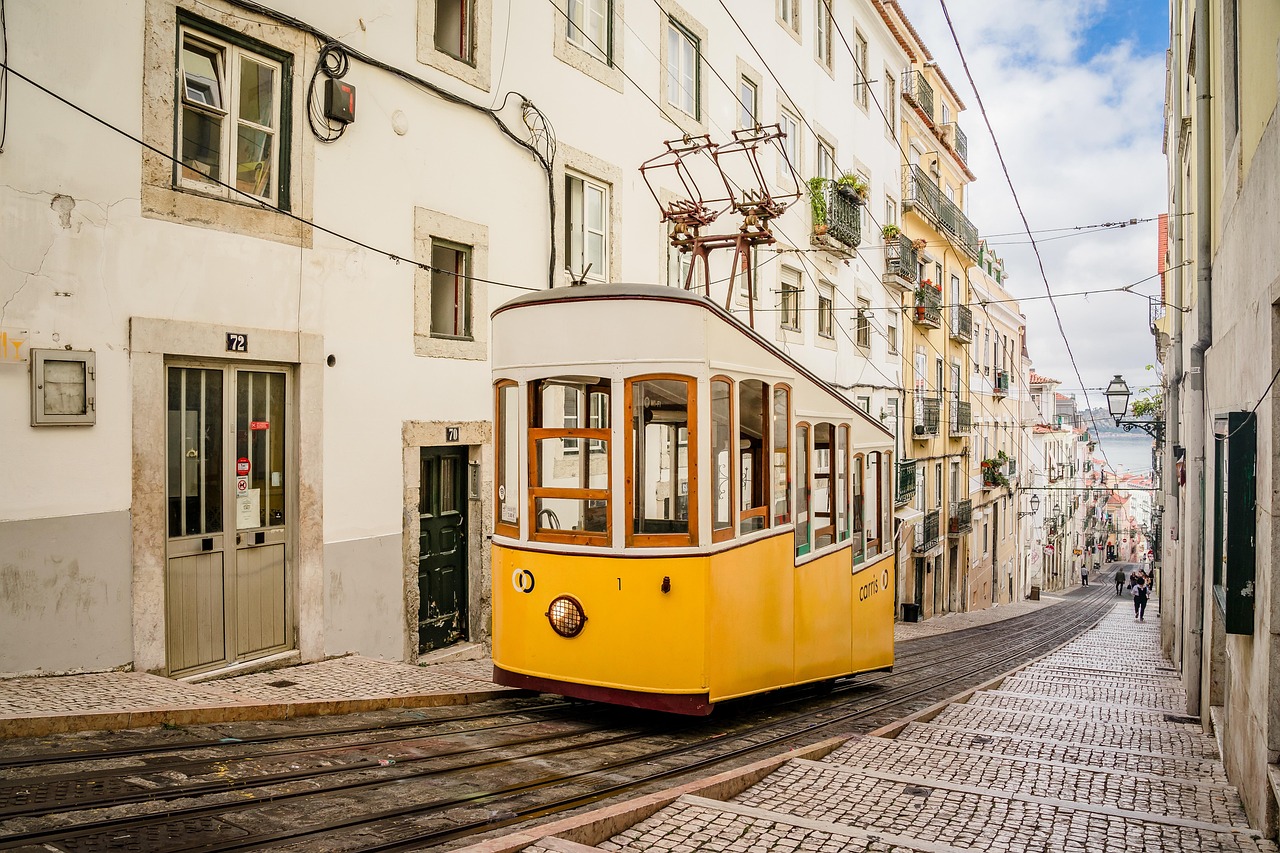
The afternoon sun in Lisbon has a specific quality to it—a honeyed, heavy light that seems to slow down time. It bakes the pastel stucco of the Alfama district and glints off the azure tiles of the São Jorge Castle. It’s a beautiful light, a romantic light, but after three days of navigating the steep, cobblestoned streets, the sheer weight of the city’s seven hills begins to settle into your calves. You stand on a miradouro, catching your breath, looking out over the terracotta roofs toward the vastness of the Tagus River, and you ask yourself a question that every seasoned traveler eventually asks: “What’s next?”
Most guidebooks will point you toward Sintra. And they should. The Romantic palaces of Sintra are breathtaking, a fairy-tale landscape tucked into the hills west of Lisbon. But Sintra is also a victim of its own beauty. In 2026, the crowds there are a force of nature, rivaling the Atlantic winds that whip the cliffs of Cabo da Roca. You wait in lines that snake around the base of the Pena Palace, you jostle for space on the tram to the Moorish Castle, and the quiet contemplation you crave often feels miles away.
But if you head twenty minutes further north—past the turn-offs for the chaotic sprawl of the suburbs, past the IKEA signs and the modern housing developments—you will find a place where the crowds evaporate. You will find a town called Mafra. And rising from the center of that town is not a whimsical castle or a romantic retreat, but a monument of such staggering scale and audacious beauty that it doesn’t feel real. It feels like a city unto itself.
This is the Mafra National Palace. It is the Baroque answer to the Rococo whimsy of Sintra. It is vast, it is imposing, and for reasons that are difficult to understand until you are standing before its infinite façade, it is Lisbon’s most overlooked treasure.
The King’s Promise: A History of Excess
To understand Mafra, you have to understand the man who built it: King João V. In the early 1700s, João V was a young king flush with cash. Not just comfortable, not just wealthy—flush. The discovery of massive gold and gem deposits in Brazil (which was then a Portuguese colony) turned Lisbon into the capital of a global empire. The money poured in, and João V, a man who viewed himself as the Portuguese Sun King, was determined to spend it. He poured funds into the navy, into the arts, into the church.
But there was a problem. He and his wife, Maria Anna of Austria, had been married for years without producing an heir. In a desperate plea to the divine, João V promised that if God granted him a son, he would build the most magnificent monastery the world had ever seen. In 1689, a daughter was born. But it wasn't enough. The promise remained unfulfilled. Then, on October 6, 1699, the Queen gave birth to a boy. The heir was secured. The promise was due.
What makes the story of Mafra so compelling isn't just the extravagance, but the speed. King João V didn't want a palace that took fifty years to build. He wanted it now. The project began in 1717, and the construction was a frantic, industrial-scale operation. At its peak, over 45,000 workers were employed simultaneously. The King brought in architects from Italy—Johann Friedrich Ludwig (known as João Frederico Ludovice) is the most famous name associated with the design—along with master stonemasons, sculptors, and artisans. The quarries of the nearby Arrábida mountains were stripped of their limestone; marble was imported from Italy and Brazil.
A Baroque Masterpiece: Inside the Palace
The result is a Baroque masterpiece that defies logic. It is technically a palace, but it was legally defined as a Convent and a Franciscan monastery, fulfilling the religious side of the King’s vow. This duality—part royal court, part religious sanctuary—creates a unique atmosphere. You walk through corridors that are wider than most Lisbon apartments, designed for the display of power, and then you step into cloisters that are quiet, intimate, and designed for prayer.
The first thing you must do when you arrive is to walk the length of the façade. Look up. The sheer verticality is dizzying. There are over 170 windows on the front alone. The center of the building is dominated by the Triumphal Arch, leading into the main courtyard, flanked by two bell towers that were never fully completed according to the original plans but remain imposing nonetheless.
The Library and The Monks' Quarters
But the true magic of Mafra lies in the details. The library is perhaps the most famous room, and for good reason. It is a long, elegant hall filled with over 36,000 volumes of rare books. The floor is covered in beautiful mosaic woodwork, and the ceiling features frescoes by the Italian artist Giuseppe Bonati. The air here smells of old paper and beeswax. It is cool and quiet. It is also home to a colony of bats. Yes, bats. They nest in the rafters and come out at night to eat the insects that would otherwise damage the books. It is a perfect example of the practical, slightly eccentric nature of the Portuguese.
Then there is the Coventual area. This is the section designed for the monks. It is austere, beautiful, and surprisingly modern in its layout. The refectory, where the monks took their meals in silence, features a painted ceiling that creates an optical illusion. As you walk down the length of the room, the perspective of the painting changes, a Baroque trompe-l'œil trick that was centuries ahead of its time.
The Basilica and The Organ
However, the absolute highlight—the thing that separates Mafra from every other palace in Europe—is the Basilica. It sits inside the palace, flanked by those two towers, and it is a church of breathtaking opulence. The interior is a riot of black and white marble, gold leaf, and statues. It is designed to humble the visitor. The acoustics are incredible. If you are lucky, you might catch a performance of the famous Mafra Palace organ. With nearly 12,000 pipes, it is one of the largest and most important historical organs in the world. When it plays, the sound vibrates through your chest. It is a physical experience, not just an auditory one.
Why Mafra is the "Top Baroque Hidden Gem"
Why is this the "Top Baroque Hidden Gem"? Why isn't it as famous as the Alhambra or Versailles?
Part of it is timing. The 18th century is overshadowed by the glories of the 16th and 17th centuries in Portugal. The great Age of Discovery left behind the Jerónimos Monastery and the Tower of Belém in Lisbon. Mafra comes later, when the empire was still rich but perhaps a little decadent. It is the "late Baroque," a style that is heavy, dramatic, and unapologetic.
Another reason is accessibility. For a long time, Mafra was difficult to reach without a car. While the train exists, the final leg of the journey from the station to the palace (about 2km uphill) discouraged many casual tourists. Those who had cars usually zoomed past on the way to the surf beaches of Ericeira.
But the biggest reason is that Mafra requires a certain type of traveler. It is not a selfie backdrop. It is a place for people who love architecture, for those who want to feel the weight of history. It is quiet. You can wander the corridors and be alone with your thoughts. You can stand in the Great Courtyard and imagine the 45,000 workers shouting in different languages. You can hear the ghosts.
In 2019, Mafra was inscribed as a UNESCO World Heritage site, a recognition it richly deserves. This has started to draw a bit more attention, but in 2026, it still feels like a discovery. It feels like a secret you want to tell your friends about, but then you hesitate, worried that if you do, the next time you visit the bats in the library might be disturbed by a tour group.
Practical Information: The 2026 Traveler Guide
Comparing Mafra to the Competition
Travelers often ask: "Should I go to Mafra or Queluz?" or "Is Mafra better than Sintra?"
Mafra vs. Queluz
Queluz National Palace is often called the "Portuguese Versailles." It is Rococo in style—think pastel colors, soft curves, and delicate ornamentation. It is feminine and pretty. Mafra is masculine and imposing. If you want elegance and gardens, go to Queluz. If you want awe and power, go to Mafra. Queluz is closer to Lisbon (about 20 mins from Rossio station), making it an easier half-day trip. Mafra is a full-day commitment.
Mafra vs. Sintra
Sintra is a UNESCO site as a whole landscape—a cultural landscape. It is about the interaction between nature and human habitation. It is mysterious and Romantic. Mafra is a single building. It is about the absolute power of the state and the church. Sintra is a misty forest; Mafra is a blinding white monument. You should do both, but if you are tired of the crowds in Sintra, Mafra will feel like a sanctuary.
Suggested Itinerary for the Perfect Day
If you are staying in Lisbon and want to tackle Mafra in a single day, here is a rhythm that works well:
- 09:00 AM: Depart Lisbon Oriente Station on the train to Mafra.
- 10:30 AM: Enter the Palace. Head straight to the Library. Work your way through the State Rooms and the Monk’s Quarters.
- 12:30 PM: Visit the Basilica.
- 1:00 PM: Lunch in the town center (try a Bifana or Grilled Sardines).
- 2:30 PM: Walk through the Jardim do Cerco.
- 3:00 PM: Enter the Tapada Nacional de Mafra (rent a bike or walk).
- 5:00 PM: Head back to the train station. The light in the late afternoon turns the limestone of the palace a warm, golden color.
Conclusion: A Hidden Gem for the Discerning Eye
There is a moment, usually on the train ride back to Lisbon, when the sun is setting over the Tagus, and you reflect on the day. If you have spent the day in Mafra, you will likely be thinking about the contrast between the ordinary and the extraordinary.
You walked through a normal Portuguese town, with supermarkets and traffic lights and people walking their dogs. And then, in the middle of it all, you found a universe. You found a building that contains a basilica, a monastery, a palace, a library, and a forest.
Mafra is not perfect. It is cold in the winter and hot in the summer. It is not as whimsical as Pena, nor as lush as Versailles. But it is honest. It is a monument to human ambition. It is a place that reminds you that Portugal was once a superpower that spanned the globe.
In 2026, as travel becomes more conscious and travelers seek depth over checklist-ticking, Mafra is rising. It is the "Hidden Gem" because it hasn't been over-marketed. It hasn't been polished to a corporate sheen. It still has the dust of history on it. It still feels like a discovery.
So, go. Take the train. Walk uphill. Stand before the façade. And let the Baroque grandeur wash over you. You won't regret it. You will leave Mafra with a deeper understanding of Portugal, and you will have had a day of relative peace, a rare commodity in the modern world of travel. It is, without a doubt, the finest Baroque hidden gem near Lisbon, waiting for you to walk through its doors.