
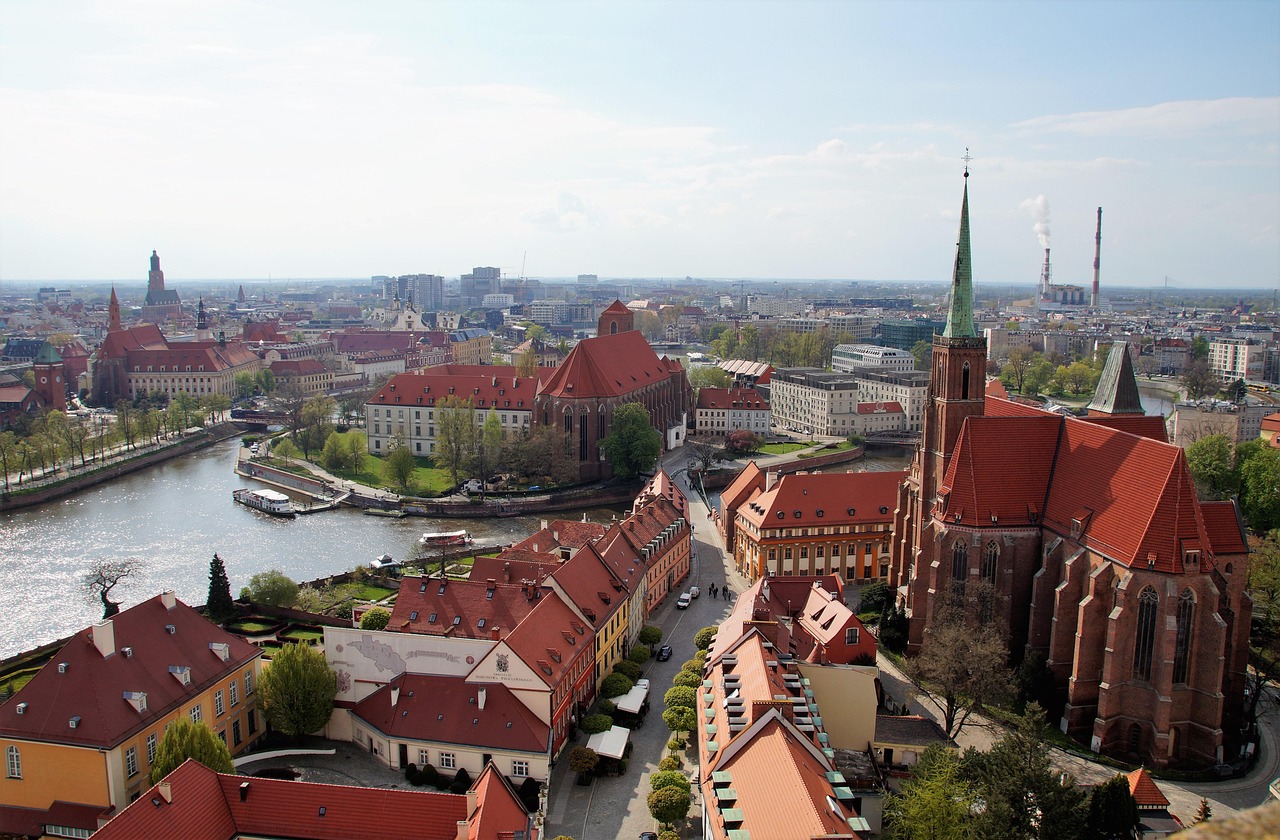
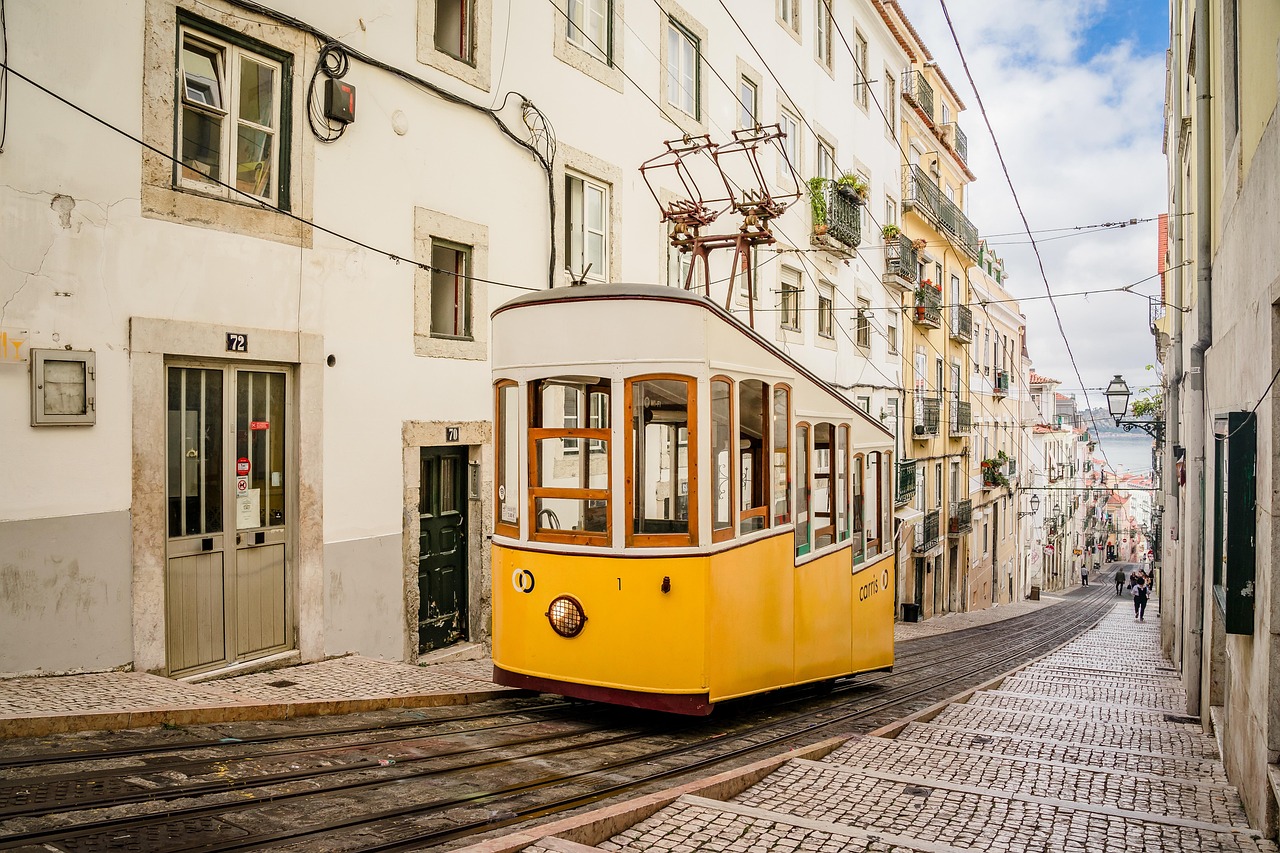
There is a specific rhythm to a weekend in Lisbon. It starts with the rattling yellow trams climbing the steep, tiled streets, the smell of roasted chestnuts near the Praça do Comércio, and the inevitable, sticky sweetness of a pastel de nata consumed far too early in the morning. But if you ask anyone who actually lives in the city—anyone who has mastered the art of dodging the summer crowds on the 28 tram or knows exactly which Fado house serves the best ginjinha—they will tell you the secret to loving Lisbon isn't just staying within the city limits. It’s about knowing when to leave.
Lisbon is the magnetic center of a compass, surrounded by points of interest that offer a complete change of pace, landscape, and history. In 2026, with the high-speed rail network expanding and the coastal roads better than ever, the concept of the "weekend getaway" has transformed. It’s no longer about escaping the city; it’s about expanding your experience of Portugal.
If you are planning a weekend in Lisbon and want to slice through the tourist noise to find the soul of the region, these are the seven day trips that locals actually take. These aren't just sightseeing stops; they are experiences, flavors, and landscapes that define Central Portugal.
1. Sintra: Beyond the Crowds, Into the Mist
Let’s start with the obvious one. Yes, Sintra is the "Disneyland of Romanticism," and yes, the lines for the Pena Palace can look terrifying. But here is the truth: most tourists only see one version of Sintra. Locals know that the magic of the Serra de Sintra lies in the fog, the ancient initiation wells, and the quiet walks through the Villa Sassetti.
If you are going on a weekend, you must beat the 9:00 AM rush. Arrive by 8:00 AM. While the tour buses are stuck in traffic, head straight to the Quinta da Regaleira. Forget the palace for a moment; the Initiation Well (Poço Iniciático) is a descent into a subterranean world of masonry and symbolism that feels like a real-life video game level. It’s cooler, darker, and infinitely more atmospheric than the sunny palace terraces.
Afterward, skip the tourist trap restaurants in the center. Drive or take the bus up to Penedo, a tiny village on the edge of the cliff. Here, you can eat fresh fish at a fraction of the price.
Hours: Typically opens at 9:00 AM or 10:00 AM (seasonal); closes around 6:30 PM or 8:00 PM in summer. Arrive early to avoid the 2-hour queues.
Local Tip: The best way to get here from Lisbon is the train from Rossio Station. Do not drive into the historic center of Sintra on a weekend; the traffic is legendary. Use the local bus 434 (the "Sintra Line") to get up the hill, but buy your ticket online in advance.
2. Ericeira: The Surf Village Vibe (With a Budget)
While the Algarve gets all the glory for beaches, the Lisbon locals keep Ericeira for themselves. It is Europe’s only surf reserve, a white-washed fishing village that feels a million miles away from the urban grit of Lisbon, even though it’s only 45 minutes up the road.
A Saturday in Ericeira starts with a walk along the harbor, watching the boats bring in the catch of the day. The air smells of salt and diesel. For lunch, head to Praia dos Pescadores (Fisherman’s Beach) and climb the stairs to the cliff-top restaurants. If you want the ultimate "budget" lunch that feels luxurious, go to O Pescador or the local tascas near the gym on the cliff. You can get a grilled sea bass with potatoes and salad for under €15.
In the afternoon, you don’t just watch the surfers; you become one. Or at least you try. The water is cold, the waves are real, and the vibe is incredibly welcoming. If you prefer to stay dry, the coastal walk from Ericeira to Foz do Lizandro offers stunning cliff views.
Hours: Restaurants open for lunch 12:00 PM – 3:00 PM; dinner 7:00 PM – 10:00 PM. Shops generally 10:00 AM – 7:00 PM.
Getting There: The best way is by car (45 mins), but you can take a bus from Campo Grande bus station (Rede Expressos or Mafrense). The drive along the N247 is scenic, winding through the Sintra-Cascais Natural Park.
3. Óbidos: The Medieval Time Capsule
If you are looking for romantic day trips from Lisbon, Óbidos is the heavy hitter. It is a town encased in medieval walls, a labyrinth of cobblestone streets and bougainvillea. It is undeniably touristy, but it earns a spot on this list because of how it transforms in the evening.
During the day, the main street (Rua Direita) is packed. But if you stay overnight (or arrive late Saturday afternoon), the day-trippers leave, and the town returns to a quiet, candlelit dream. The "Ginja de Óbidos" is mandatory; you drink it from a tiny chocolate cup. It’s sweet, potent, and a rite of passage.
However, the hidden gem here is the Castelo de Óbidos. Most people walk the ramparts, but few stay to watch the sunset from the castle hotel’s terrace. It offers a panoramic view of the green plains meeting the Atlantic in the distance. For a meal that locals cherish, book a table at Casa de São Thiago, a restaurant located in a 16th-century building with a courtyard that feels like a secret garden.
Hours: The town is open 24/7, but shops usually open 10:00 AM – 7:00 PM. The castle walls usually close around 6:00 PM or 8:00 PM depending on the season.
Getting There: Take the train from Lisbon (Oriente or Entrecampos) to Caldas da Rainha, then a local bus or taxi to Óbidos (about 1h 30m total). Driving is faster (1h 15m) and allows for a stop at the beaches of São Martinho do Porto nearby.
4. Setúbal & Arrábida: The Wine and Dolphin Route
This is a trip for the senses. Setúbal is an industrial port city, but just behind it lies the Parque Natural da Arrábida, a mountain range that plunges directly into the turquoise sea. This is the setting for one of Portugal’s most underrated wines: Moscatel de Setúbal.
Start your day driving over the mountain via the winding roads of the Arrábida. The views are breathtaking—on one side, the deep blue ocean; on the other, the vineyards of the peninsula. Stop at the Convento de Arrábida for a quiet moment of reflection (and incredible views).
Descend into the city of Setúbal for lunch. This is the home of the Choco Frito (fried cuttlefish). It is messy, salty, and absolutely delicious. A local favorite spot is Restaurante Doca Peixe. Afterward, head to a wine cellar like José Maria da Fonseca (nearby in Aldeia de Paio Pires) for a tasting of their vintage Moscatel. It’s rich, dark, and tastes like liquid raisins.
Hours: Winery visits usually require booking Mon-Fri 9:00 AM – 12:30 PM and 2:00 PM – 5:30 PM. Weekends may be limited, so call ahead.
Getting There: The drive is about 50 minutes via the A12. Public transport is possible (train to Setúbal), but to see the Arrábida park properly, a car is essential.
5. Mafra & Torres Vedras: The Royal and the Rustic
Split this day into two distinct halves. Mafra is home to the Palace of Mafra, a Baroque masterpiece so vast it houses a monastery, a library, and a basilica. It is the Versailles of Portugal. The scale of the place humbles you. The library, with its bat population (kept to eat insects that might damage the books) and intricate woodwork, is a UNESCO World Heritage site.
But Mafra is also about the town life. The fish market is vibrant, and the bread is legendary. Just 20 minutes north is Torres Vedras, the heart of the "Portuguese Roast" (Leitão). If you are a meat lover, this is your pilgrimage.
On a Sunday, locals gather at places like O Toucinho in Torres Vedras for massive portions of roast pork, crispy skin, and the local red wine. It is heavy, happy, unpretentious food. Combine the morning’s royal grandeur with the afternoon’s rustic feasting for a perfect balance.
Hours: Tuesday to Sunday, 10:00 AM – 5:30 PM (last entry usually 45 mins before closing). Closed on Mondays.
Getting There: The train from Lisbon (Cais do Sodré line) goes to Mafra, but takes about 1 hour 30 mins. Driving takes about 45 minutes.
6. Cascais & Guincho: The Riviera Escape
Cascais is often dismissed as a "posh" suburb, but for a weekend day trip, it offers a specific kind of joy. It is the "Portuguese Riviera." The drive along the Marginal road, hugging the coastline, is one of the most beautiful urban drives in the world.
Park the car and rent a bike. The promenade from Cascais to Guincho is flat, windy, and follows the coast. Guincho is a windswept beach dominated by sand dunes and kitesurfers. The water is wild. It’s a place to blow the cobwebs out of your head.
Back in Cascais, the streets are pedestrian-friendly and full of life. Don't eat on the main marina strip; instead, wander into the old town for the Boca do Inferno cliffs—a natural phenomenon where waves crash into rock arches. For dinner, find a place serving "Arroz de Marisco" (seafood rice). It’s a communal dish, meant to be shared, steaming with prawns, clams, and coriander.
Hours: The cliffs are always visible, but the viewpoint area is generally accessible 24/7. Restaurants in Cascais serve lunch 12:30 PM – 3:00 PM and dinner 7:00 PM – 10:30 PM.
Getting There: The Cascais train line from Cais do Sodré is fast, reliable, and takes about 40 minutes. It drops you right in the center of town.
7. Tomar: The Templar’s Mystical Stronghold
For the history buffs and those seeking a deeper connection to Portugal’s origins, Tomar is essential. This is the home of the Knights Templar. The Convent of Christ is a fortress of esoteric symbols, Romanesque architecture, and Manueline windows that defy gravity.
Walking through the Charola (the round church) feels like stepping into the Da Vinci Code. It is quiet, stone-cold, and deeply spiritual. The town itself is charming, sitting on the Nabão River, with a relaxed university vibe.
A local tradition is to walk from the Convent down to the Aqueduct of Pegões, a massive 16th-century aqueduct. You can walk underneath its arches and feel tiny. For lunch, find a small tasca near the river and order "Cabrito" (goat) or "Sarapatel" (if you are adventurous). It’s interior Portuguese cuisine—hearty, rich, and distinct from the coastal seafood diet.
Hours: Tuesday to Sunday, 9:00 AM – 5:30 PM (winter) or 6:30 PM (summer). Closed on Mondays.
Getting There: Take the train from Lisbon (Oriente or Entrecampos) directly to Tomar. The journey takes about 1 hour 45 minutes and is very comfortable.
Planning Your 2026 Weekend: The Logistics
To truly enjoy these lisbon day trips locals love, you need to adjust your mindset regarding timing and transport.
The "Lisbon Time" Zone
Portuguese people do not wake up early on weekends, especially for leisure. However, for sightseeing, you must. If you leave Lisbon at 10:00 AM on a Saturday, you will hit traffic, and you will arrive at a full parking lot. The secret to a relaxed weekend getaway from Lisbon hidden gems experience is to leave at 8:00 AM. You get the destination to yourself for two hours, then you can have a long, leisurely lunch while the crowds arrive.
The Train vs. Car Debate
For lisbon day trips by train weekend, the train is superior for Cascais, Sintra (then bus/taxi up), Setúbal (then taxi), Tomar, and Óbidos. You can drink wine, nap, and stare out the window without stress. In 2026, the CP (Comboios de Portugal) app is much improved, allowing for easy digital ticketing.
Car is essential for Ericeira (to get to the beaches) and Mafra/Torres Vedras (to connect the dots efficiently). If you rent a car, avoid driving in Lisbon itself. Pick it up on the outskirts (like Oriente) to save on parking and stress.
The "Almoco" Strategy
Lunch is the main event of the day in Portugal. Restaurants often close between 3:00 PM and 7:00 PM. If you miss the lunch window, you might be stuck with only pastries or snacks. Plan your day around a 1:00 PM lunch. Eat heavy, then digest with a walk or a nap.
Money & Tipping
While Lisbon is becoming increasingly card-friendly (even for small purchases), the smaller towns and rural areas (like the tascas in Torres Vedras or the family-run restaurants in Ericeira) still prefer cash. Always carry €20–€50 in cash.
Why These Trips Matter in 2026
Travel in 2026 is about intentionality. We are moving away from "checking boxes" and moving toward "collecting feelings." The difference between a tourist and a traveler in Lisbon is that the tourist takes the 28 tram in a loop; the traveler takes the train to Tomar to stand inside a 12th-century circle of knights.
These seven best day trips from lisbon 2026 offer you a spectrum of emotions. You have the fairytale whimsy of Sintra, the salty freedom of Ericeira, the medieval romance of Óbidos, the gastronomic richness of Setúbal, the regal architecture of Mafra, the chic coastal ease of Cascais, and the historical gravity of Tomar.
Pack comfortable shoes. Bring a light jacket (the Atlantic wind is always lurking). And perhaps most importantly, leave your itinerary loose enough to stumble upon a hidden bakery or a local festival. The locals love these places not because they are perfect, but because they are real.
Your weekend in Lisbon is waiting. But the real adventure lies just beyond the horizon, where the city ends and the rest of Portugal begins.