DISCOVER Lisbon WITH INTRIPP.COM
Explore.Create.Travel

There is a specific quality of light in Portugal that I have spent a decade chasing. It’s not just the brightness; it’s the weight of it. It feels like liquid gold poured over the ancient cobblestones of Lisbon, dripping from the turrets of Sintra, and shattering into diamonds on the Atlantic waves. As a travel writer and obsessive photographer, I’ve learned that the best images aren’t found by following the crowd to the miradouros, though I love them too. They are found in the motion of the day trip—the rhythm of the train, the winding of a coastal road, the surprise of a village tucked behind a mountain.

If you are visiting Lisbon in 2026, do not confine yourself to the city limits. The true visual soul of Portugal lies within a 90-minute radius. I’ve curated this list of ten day trips not just for their beauty, but for their narrative potential. These are places that tell stories through your lens. Pack your widest lens, a circular polarizer, and a sense of adventure. We are going hunting for light.

1. Sintra: The Misty Fairytale

We begin with the obvious, but we do so with intention. Everyone goes to Sintra, but few truly see it. To photograph Sintra is to photograph the collision of Romanticism and nature. The fog here is a character, not a weather condition. It rolls in from the sea, swallowing the hills and leaving only the tips of palaces visible. It is in these moments, just after dawn or on a drizzly afternoon, that the Pena Palace stops looking like a tourist attraction and starts looking like a fever dream.

The trick to Sintra in 2026 is to beat the ticket queues and the harsh midday sun. Arrive at the Parque da Pena entrance at 8:30 AM. Walk up the winding path. The air smells of damp earth, eucalyptus, and the faint, sweet perfume of blooming camellias. Before you reach the palace, stop at the Queen’s Ferreira restaurant (not for the food, but for the view) and look back through the trees. You want the vibrant yellows and reds of the palace towers framed by the dark, gnarled trunks of the ancient trees. Use a telephoto lens to compress the layers of the architecture against the hillside.

Pena Palace

  • Address: Estrada da Pena, 2710-601 Sintra, Portugal
  • Hours: 9:30 AM – 6:30 PM (Summer), 9:30 AM – 5:30 PM (Winter). Closed January 1st.
  • Photography Tip: Ignore the main courtyard chaos. Head to the Triton Gate for a low-angle shot looking up at the archway and the palace wall. The contrast between the rough stone and the painted stucco is exquisite. If it rains, embrace it. The wet tiles reflect the sky, creating a mirror world.

After Pena, skip the lines for the Moorish Castle and drive instead to Quinta da Regaleira. This is the true photographer’s playground. It is a gothic mansion surrounded by gardens that feel like they were designed by a mad alchemist. The real prize here is the Initiation Well. It’s not a well, but a subterranean tower of steps descending into the earth.

Quinta da Regaleira

  • Address: Rua Barbosa do Bocage 5, 2710-567 Sintra, Portugal
  • Hours: 9:30 AM – 6:30 PM (Last entry at 5:00 PM). Check for winter closures.
  • Photography Tip: You need a tripod. The light down the well is dim. Set your ISO low (100-200) and use a long exposure (10-15 seconds). Stand at the very bottom and shoot straight up to capture the perfect circle of the sky, framing the stone spiral. It is an image of descent and transcendence all at once.

2. Cascais: The Riviera’s Soft Glow

Cascais is often dismissed as a resort town, but that is a failure of imagination. In the early morning, before the day-trippers from Lisbon arrive, it is a study in textures. The light here is softer, reflecting off the calm waters of the bay. It’s the light of the Mediterranean, not the raw Atlantic.

Drive or take the train to the far end of the coast, to the Boca do Inferno (Hell’s Mouth). It’s a dramatic cliff formation where the waves crash into a cave. It’s a cliché, I know, but go at sunset.

Boca do Inferno

  • Address: Avenida Rei Humberto II, 2750-642 Cascais, Portugal
  • Hours: Accessible 24/7.
  • Photography Tip: Use a shutter speed of 1/1000th of a second or faster to freeze the explosion of water as the wave hits the rocks. The contrast between the dark, volcanic rock and the white spray is high dynamic range. Expose for the highlights (the water) and lift the shadows in post-processing.

For a different vibe, head into the town center to the Museu Condes de Castro Guimarães. The building itself is a stunning example of eclectic architecture, but the real photo op is the view from the terrace looking back towards the marina. The pastel houses of Cascais stack up against the hill, looking like a spilled box of candies.

Museu Condes de Castro Guimarães

  • Address: Avenida Rei Humberto II, 2750-642 Cascais, Portugal
  • Hours: 10:00 AM – 6:00 PM (Tuesday to Sunday), Closed Mondays.
  • Photography Tip: This is the place for a 35mm or 50mm prime lens. Capture a "slice of life" scene: a waiter setting a table, an old man reading a paper, the red awnings of the cafes. It’s about capturing the "Cascais lifestyle," which is undeniably photogenic.

3. Arrábida Natural Park: The Caribbean Mirage

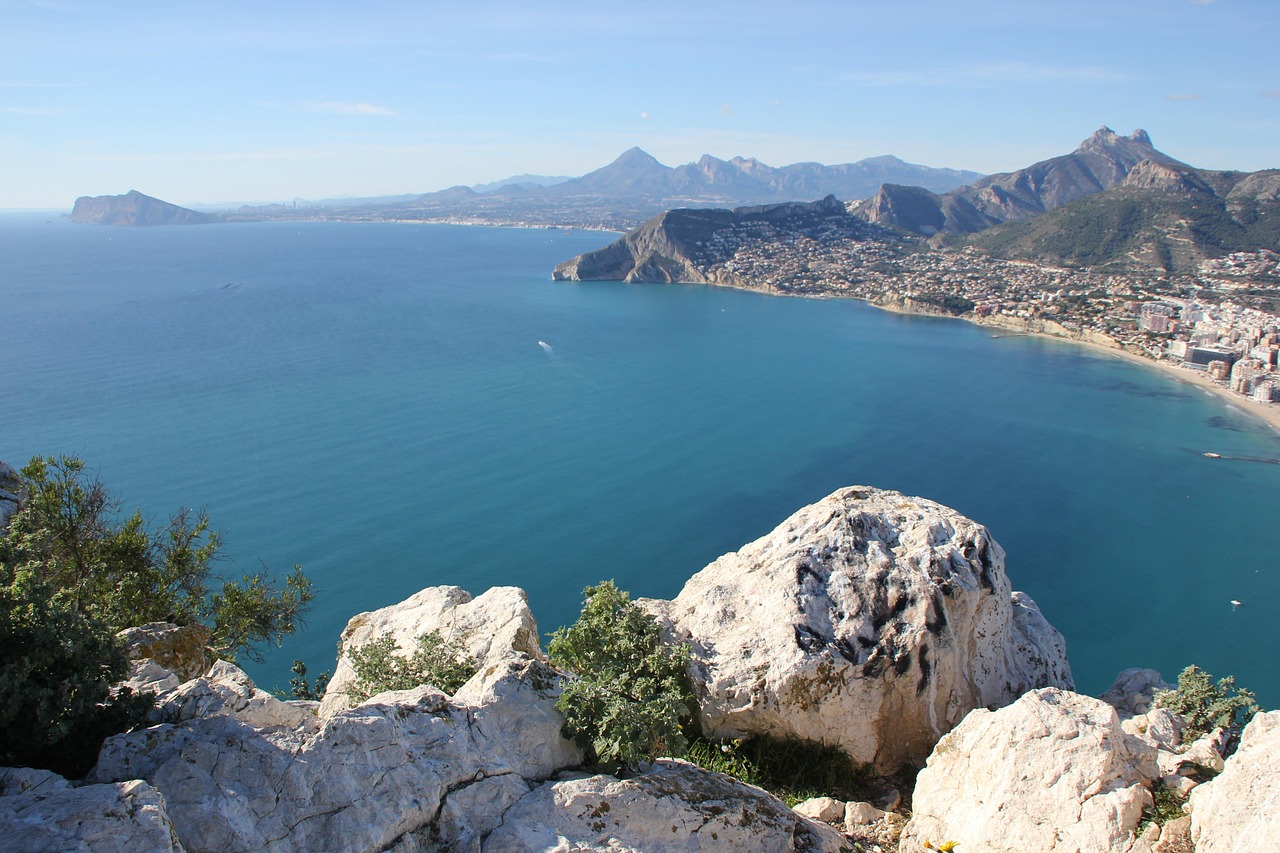
If you close your eyes and imagine the Caribbean, you likely picture white sand and turquoise water. Now open them and realize this exact landscape exists just 40 minutes from Lisbon. The Serra da Arrábida creates a microclimate that protects the southern beaches from the fierce Atlantic winds. The water here is often calm and shockingly clear.

Drive the winding N379 road that snakes up the mountain. It is a terrifyingly beautiful drive. The cliffs drop away sharply to the sea. You must stop at the Portinho da Arrábida.

Portinho da Arrábida

  • Address: 2925-060 Setúbal, Portugal
  • Hours: Beach access is unrestricted, but the parking lot usually opens around 9:00 AM and fills up fast. Arrive before 9:00 AM for the best light and parking.
  • Photography Tip: This is a landscape of lines and curves. Use a drone if you have one (check local regulations) to capture the arc of the bay against the green mountain. If you are on the ground, use a wide-angle lens (16-24mm) close to the water to emphasize the pebbles leading into the turquoise.

Nearby, take the ferry from Setúbal to Tróia. It feels like a remote island, yet it’s a short trip. The beaches here, like Praia da Figueirinha, stretch for miles. The dunes are high and covered in deep green vegetation.

Tróia Ferry (Setúbal)

  • Address: Terminal Marítimo de Setúbal, Rua Júlio Pires, 2900-494 Setúbal, Portugal
  • Hours: Ferries run roughly every hour from 6:30 AM to 10:00 PM.
  • Photography Tip: Look for the wild horses that roam the dunes. They are often seen near the golf course. A telephoto lens (200mm+) is essential here. Try to capture them backlit by the late afternoon sun to create a halo effect on their manes.

4. Ericeira: The Raw Atlantic

Ericeira is a World Surfing Reserve. It is not a gentle place. It is a village of white and blue houses clinging to a cliff, battered by the ocean. The light here is hard, the shadows are deep, and the energy is kinetic. This is where you go to photograph motion.

Start at Praia do Sul. It’s a cove protected by rock formations, creating a natural swimming pool and a playground for photographers.

Praia do Sul

  • Address: 2655-203 Ericeira, Portugal
  • Hours: 24/7 access.
  • Photography Tip: Use a waterproof housing or a rain cover. The spray is real. Get low, almost at water level, and use a slow shutter speed (1/4 to 1 second) to blur the water movement while keeping the rocks sharp. It creates that milky, ethereal look that conveys the power of the ocean.

For the iconic shot, you need to go to the Paredão, the sea wall that separates the village beach from the fishing harbor. You want to capture the contrast between the working fishing boats and the leisure of the surfers.

Paredão (Sea Wall)

  • Address: Avenida Rei Humberto II, 2655-203 Ericeira, Portugal
  • Hours: 24/7.
  • Photography Tip: Wait for the "Blue Hour" (just after sunset). The artificial harbor lights turn on, casting a warm orange glow on the water, while the sky remains a deep, rich blue. It’s a color contrast that makes images pop. Include the silhouette of a fisherman mending his nets for a human element.

5. Colares: The Hidden Vineyards

You’ve heard of the Douro Valley? It’s stunning. But it’s far. For a day trip, the vineyards of Colares offer something unique: the proximity to the ocean. The Quinta de Chocapalha is a family-run estate that produces excellent wines, but visually, it’s a goldmine.

Quinta de Chocapalha

  • Address: Rua da Quinta, 2665-018 Chocapalha, Portugal
  • Hours: 10:00 AM – 6:00 PM (Wine tastings usually require booking).
  • Photography Tip: The rows of vines are perfect for leading lines. Visit in late summer or early autumn when the leaves are turning yellow and red. The key here is "Golden Hour" photography. Position yourself at the end of a row of vines and let the setting sun cast long, dramatic shadows across the field.

Another gem in Colares is the Convento dos Capuchos. This is a Franciscan monastery built into the rock, covered in cork. Yes, cork.

Convento dos Capuchos

  • Address: Largo dos Capuchos, 2705-221 Colares, Portugal
  • Hours: 10:00 AM – 5:00 PM (Closed Mondays).
  • Photography Tip: Texture is everything here. The rough, gnarled cork bark against the smooth, white painted stone. Get close. Fill the frame with the details of the cork. The interior of the cells is incredibly atmospheric—dark wood, simple beds. Use a high ISO here to embrace the grain, which adds to the moody, ancient feeling of the place.

6. Caparica: The Endless Dunes

Across the Tagus river from Lisbon lies the Costa da Caparica, a 15km stretch of sand dunes. While the main beaches are crowded, the further south you drive, the wilder it gets. Take the road towards Fonte da Telha.

Fonte da Telha

  • Address: 2825-421 Caparica, Portugal
  • Hours: 24/7 access (Beach).
  • Photography Tip: The dunes here are tall and covered in marram grass. It looks like the Sahara meets the sea. If you have a drone, fly it perpendicular to the coast to capture the geometric patterns of the dunes against the linear crash of the waves. On the ground, look for the wooden walkways that protect the dunes. They make excellent leading lines.

Also, near Fonte da Telha is the Forte de São João das Maias, a small 17th-century fort. It’s usually empty.

Forte de São João das Maias

  • Address: Rua do Forte, 2825-421 Caparica, Portugal
  • Hours: Usually open during the day, but hours can be irregular.
  • Photography Tip: Frame the fort against the sunset. The silhouette of the ramparts against the burning orange sky is powerful. Use a tripod and bracket your exposures to capture the full dynamic range of the sky and the dark details of the fort.

7. Azeitão: The Essence of Alentejo

Just past the Arrábida mountain range lies the beginning of the Alentejo region. The vibe changes immediately. The air gets warmer, the cork trees appear, and the pace slows. Azeitão is famous for its wine and its tortas (pastries).

Visit the José Maria da Fonseca winery. It is one of the oldest in Portugal.

José Maria da Fonseca

  • Address: Avenida José Maria da Fonseca, 2925-001 Azeitão, Portugal
  • Hours: 9:00 AM – 5:30 PM (Weekdays), 10:00 AM – 4:00 PM (Weekends). Tours usually by appointment.
  • Photography Tip: The architecture here is classic Alentejo: whitewashed walls, terracotta tiles. Look for the contrast between the blue shutters and the white walls. Inside the cellar, the rows of barrels offer a moody, warm palette of browns and golds.

While in Azeitão, drive to the Quinta do Piloto. It’s a smaller winery with a beautiful estate.

Quinta do Piloto

  • Address: Rua da Quinta do Piloto, 2925-001 Azeitão, Portugal
  • Hours: 10:00 AM – 6:00 PM (Closed Sundays).
  • Photography Tip: Look for the old, rusted agricultural tools left in the vineyard. They make for excellent foreground interest in a wide landscape shot, adding a sense of history and neglect.

8. Mafra: The Baroque Giant

While Sintra is romantic, Mafra is imperial. The Palace of Mafra is a UNESCO World Heritage site and one of the largest 18th-century buildings in Portugal. It is imposing, symmetrical, and breathtaking.

Palace of Mafra

  • Address: Terreiro D. João V, 2640-492 Mafra, Portugal
  • Hours: 10:00 AM – 5:30 PM (October to March), 10:00 AM – 6:30 PM (April to September). Closed Mondays.
  • Photography Tip: The main facade is too big to capture in one shot without a very wide lens. Instead, focus on the details. The statues on the roofline. The intricate marble floors inside. The Library is the jewel, but photography is often restricted inside. If allowed, capture the light coming through the high windows illuminating the rows of books. If not, photograph the exterior arches, using the frames to compose the shot of the courtyard within.

Adjacent to the palace is the Convento de Arrábida (not to be confused with the mountain). It’s a quiet, secluded spot.

Convento de Arrábida (in Mafra)

  • Address: Largo da Arrábida, 2640-492 Mafra, Portugal
  • Hours: 9:00 AM – 5:00 PM (Check for mass times).
  • Photography Tip: This is a place of silence. The cloister is beautiful. Wait for a person to walk through to give a sense of scale and solitude. The play of light and shadow on the arches is classic Baroque geometry.

9. Óbidos: The Medieval Lens

Óbidos is a walled town. It is, arguably, the most picturesque medieval town in Portugal. It can be busy, but if you walk the walls early in the morning or late in the evening, you have it to yourself.

Porta da Vila (Main Gate)

  • Address: Rua Direita, 2510-191 Óbidos, Portugal
  • Hours: 24/7 access to the town.
  • Photography Tip: The entrance gate is a tunnel covered in blue and white tiles (azulejos). Shoot from inside the tunnel looking out to frame the street scene beyond. It’s a classic "portal" shot.

Walk the walls. You can access them near the main gate. The view over the terracotta roofs of the town is stunning.

The Medieval Walls

  • Address: Access points vary, but the main one is near the Municipal Museum.
  • Hours: Generally accessible during daylight hours.
  • Photography Tip: Use a telephoto lens to pick out details: a chimney, a laundry line, a church spire. The texture of the stone walls in the foreground against the soft tiles of the houses creates a wonderful depth of field.

In the center of town is the Igreja de Santa Maria. It’s a simple, whitewashed church.

Igreja de Santa Maria

  • Address: Largo de Santa Maria, 2510-191 Óbidos, Portugal
  • Hours: 9:00 AM – 1:00 PM and 3:00 PM – 7:00 PM (approximate).
  • Photography Tip: Inside, the white walls and wooden ceiling are stark and beautiful. Find the statue of the Virgin Mary. The light coming through the high windows often creates a spotlight effect. It’s a spiritual, quiet shot amidst the bustle of the town.

10. Setúbal: The City and The River

We end in Setúbal, not just as a gateway to Arrábida, but as a destination. It’s a working city, famous for its fried cuttlefish and the river dolphins of the Sado. The photography here is about the river.

Go to the Forte de São Filipe.

Forte de São Filipe

  • Address: Rua do Forte de São Filipe, 2900-347 Setúbal, Portugal
  • Hours: 9:00 AM – 5:00 PM (Closed Mondays).
  • Photography Tip: This fort sits high above the city. It offers the best panoramic view of the Sado River, the city, and the Arrábida mountains in the distance. Sunset here is spectacular. The city lights begin to twinkle, and the river turns a deep, bruised purple. It’s the perfect end to a day of shooting.

For a final, unique shot, take the Trans-Sado boat tour from the marina.

Marina de Setúbal

  • Address: Docas do Porto, 2900-194 Setúbal, Portugal
  • Hours: Boat tours vary, usually morning and afternoon departures.
  • Photographer Tip: You are looking for dolphins. This requires patience and a fast shutter speed (1/1000s+). Don't just photograph the dolphin; photograph the context—the dolphin jumping against the backdrop of the mountain, or the wake of the boat. It tells a story of wildness surviving near civilization.

Final Thoughts on the 2026 Road

Lisbon is the heart, but these day trips are the blood that circulates through the body of Portugal. In 2026, travel will be about depth, not just checklists. Take these ten locations. Don't rush them. Sit in the vineyards of Colares. Get soaked in Ericeira. Get lost in the walls of Óbidos. Your camera will capture what your heart feels if you just give it the time. The light is waiting.

best day trips from lisbon for photographers 2026 lisbon coastal photography spots day trip guide sintra palaces photography day trip itinerary picturesque arrabida natural park day trip from lisbon ericeira surf coast photography spots day trip cascais waterfront photo locations day trip guide arrabida mountain road photography spots day trip colares vineyards photography spots day trip caparica beaches photography spots day trip photography spots day trips lisbon ultimate guide