

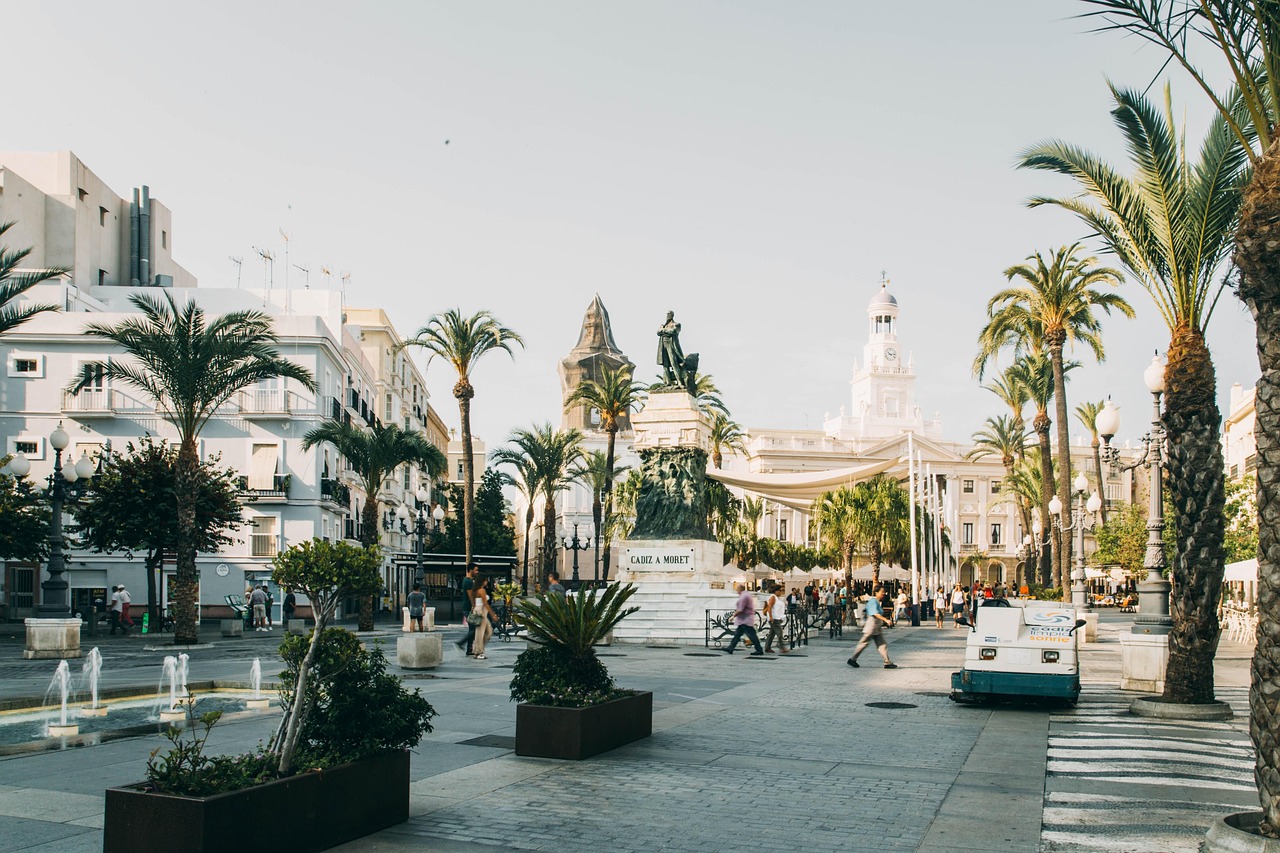
There is a specific magic to the first time you decide to leave the cobbled, sun-baked streets of Lisbon for the cool Atlantic breeze of Cascais. It’s a transition not just of geography, but of mood. You start in the city of seven hills, surrounded by the warm hum of trams and the smell of toasted almonds, and within forty minutes, you are listening to the crash of ocean waves. I remember my very first trip on this line, years ago. I was clutching a crumpled paper map and a ticket bought from a flustered station agent. The train was older then, rattling gently as it hugged the river. Now, as we look toward 2026, that journey has been refined, streamlined, and optimized, yet it retains that essential Portuguese charm.
If you are planning your escape to the Portuguese Riviera in 2026, you are in for a treat. But navigating the logistics of the Comboios de Portugal (CP) network can sometimes feel like a puzzle. How do you get the best price? What is the actual timetable? Do you need to book weeks in advance? I’ve spent years analyzing these routes, riding the rails at dawn and dusk, and I’ve put together the ultimate guide to ensure your journey is as smooth as the ocean breeze waiting for you at the end of the line.
The Pulse of the Line: Understanding the Cascais Service
Before we dive into the nitty-gritty of fares and schedules, you need to understand the beast you are riding. The Cascais Line is an urban commuter line operated by CP Urbanos of Lisbon. It departs from the iconic Estação do Rossio in the heart of Lisbon, winding its way west past the old docks, crossing the river near the 25 de Abril Bridge (don't blink or you'll miss the view of Christ the King), and hugging the Tagus estuary until it reaches the Atlantic.
In 2026, the service is a mix of rolling stock. You might hop on a modern, air-conditioned train (the 2100 or 2200 series) with comfortable seating and digital displays, or you might catch a slightly older train. But the magic is consistent: it is a direct line. No transfers, no fuss.
The journey is approximately 40 kilometers. While there are many stops (Alcântara-Mar, Belém, Algés, Oeiras), most tourists will board at Rossio or Cais do Sodré (though note that Cais do Sodré requires a short connection or a walk across the platform from the green line). The "express" nature of the train isn't a branded service name, but rather a behavioral pattern. If you want the fastest time, you board the trains that depart Rossio at :08 and :38 past the hour. These skip a few minor stops and get you to Cascais in roughly 38 to 40 minutes. Other trains, usually departing at :00, :20, and :40, take about 45-50 minutes because they stop more frequently.
The 2026 Timetable: Rhythms and Flow
The train to Cascais is a creature of habit. It runs with the sun. In the summer of 2026, expect the first train to leave Rossio around 5:30 AM, allowing early risers to catch the sunrise over the river. The last train usually departs Cascais around 1:00 AM (weekends might extend slightly), ensuring you can enjoy a late dinner of grilled sea bass without panic.
The "Golden Hours" of Departure
Based on historical patterns and projected 2026 optimizations, here is the rhythm you can expect.
- Morning Rush (07:00 – 09:30): Trains every 15-20 minutes. These are crowded with commuters. If you are a tourist, try to avoid the 8:15 AM departure unless you enjoy standing shoulder-to-shoulder with suits.
- Mid-Day Lull (10:00 – 15:00): Frequency drops to every 30 minutes. This is the sweet spot for travelers. You get a seat, the air conditioning is at full blast, and the vibe is relaxed.
- Evening Flow (16:00 – 20:00): Frequency ramps back up to every 20 minutes as workers return to Lisbon or head to the coast for dinner.
The Holy Grail: Cheap Fares and Ticket Prices for 2026
Let’s talk money. Portugal is one of the most affordable countries in Western Europe, and the train reflects this. However, the difference between paying the standard fare and the "smart" fare can be significant over a family trip.
1. The Zapping Revolution (Your Best Friend)
If you take the train more than once, ignore everything else and get a Zapping card. You can buy this physical card (a small green and white card) at any major station kiosk or ticket office for €0.50. Once you have it, you top it up (minimum €5). When you tap in and out at the gates, the system charges you a discounted rate.
2. The 2026 "Assinatura" (Subscription)
If you are staying in Lisbon for a month or more, or if you are a digital nomad, CP offers monthly passes. The "Assinatura" for the Cascais line allows unlimited travel. In 2026, expect this to hover around €40-€45.
3. The "Best Price Guarantee" Myth
You might see third-party websites claiming to sell "discounted" train tickets to Cascais. Avoid them. The CP Cascais line is a state-subsidized urban service. The price is the price. The only "guarantee" is buying directly from CP.
| Ticket Type | Standard Fare | Zapping Fare (Discounted) |
|---|---|---|
| Single Journey | €2.25 | €1.66 |
| Return Trip (Paper) | €4.50 | €3.32 |
| Monthly Pass (Est.) | ~€42.00 | |
Booking Online: The Digital Concierge
Gone are the days of rushing to the station to buy tickets 20 minutes before departure. For 2026, the CP "Descontos" app is essential.
How to book for the Cascais Line:
- Download the App: "CP - Descontos" (available on iOS and Android).
- Buy a Zapping Card First: In 2026, the app allows you to generate a "Mobile Zapping" QR code. This is a game-changer. You buy the QR code in the app, and you scan it at the gates. No physical card needed!
- Navigate to "Urban Trains": Select Lisbon.
- Select Route: Rossio -> Cascais.
- Payment: Use Apple Pay or a credit card.
Why book via the app?
- Real-time updates: If your train is delayed, the app notifies you.
- Platform info: It often tells you which platform (Plataforma) the train leaves from before the screens in the station update.
- History: It keeps a log of your trips, which is great for expense tracking.
The Journey: A Sensory Breakdown
To truly appreciate the 2026 timetable, you must understand the view. The train is a moving cinema.
Leaving Rossio (0-5 mins)
You depart the grand station, diving into a tunnel. The air is cool. You emerge into the industrial light of the Alcântara district. The air changes from cinnamon to sea salt and diesel.
Belém (15 mins)
If you are on a train that stops here (most do), look to the left. You will see the Padrão dos Descobrimentos (Monument to the Discoveries) and the Belém Tower. The walk from the station to the monastery takes about 10 minutes, passing the massive Padrão dos Descobrimentos. This is a UNESCO World Heritage site and the architecture is breathtakingly intricate Manueline style.
The River Stretch (20-30 mins)
Between Algés and Oeiras, the train runs right along the water's edge. On a sunny Tuesday in May, the light hits the water like scattered diamonds. You’ll see joggers on the promenade and windsurfers catching the breeze.
Carcavelos to Cascais (35-40 mins)
The rhythm of the train changes here. You move past the beaches of Carcavelos and São Pedro do Estoril. The waves are bigger here, crashing violently against the seawalls. Finally, the train curves inland slightly, passing the Casino of Estoril, and glides into the station.
Cascais Station: Arrival
Cascais station (Estação de Cascais) is the end of the line. It’s a charming, slightly vintage terminal. In 2026, the area immediately outside the station has been revitalized. It’s no longer just a taxi rank; it’s a pedestrian-friendly plaza.
- Address: Estação de Cascais, 2750-332 Cascais, Portugal
- Hours: The station itself is open from roughly 5:30 AM to 1:00 AM daily.
- What to do immediately: Walk straight out of the station (don't turn left to the bus station) and head toward the sea. You are 3 minutes from the harbor.
The Rossio Experience: Where it All Begins
Address: Estação do Rossio, Praça do Rossio, 1100-233 Lisboa, Portugal
Hours: 24/7 (though ticket offices and shops have standard hours, roughly 6:00 AM to 11:00 PM).
Rossio Station is a landmark in itself. The facade, with its two inverted horseshoe arches, is stunning. Inside, the high vaulted ceilings echo with announcements. In 2026, the station is cleaner and more navigable, but it remains bustling.
The "Hidden" Secrets of the 2026 Timetable
If you want to travel like a local, here are three insider tips for the 2026 schedule:
- The Sunday Morning Ghost Train: On Sundays, before 9:00 AM, the trains are empty. If you want a private carriage experience to watch the city wake up, catch the 7:08 AM from Rossio.
- The "Cruz" Connection: If the train is running late, the driver sometimes makes up time by skipping the stop at "Cruz Quebrada." If you are heading to that specific stop, be prepared to potentially go one stop further and walk back.
- Summer Crowds: July and August 2026 will be packed. If you board at Rossio after 10:00 AM in the summer, expect to stand. The locals know this; they board at Entrecampos or Sete Rios to get a seat before it hits the city center.
Safety and Comfort in 2026
The trains are generally safe, even late at night. However, as with any tourist route, keep an eye on your luggage. The "pickpocket" alert is lower on this line than the Metro, but it’s never zero.
Air Conditioning: This is a serious matter. Portuguese summers are hot. In 2026, CP has retrofitted the majority of the fleet with high-powered AC. If you get on a train and the AC isn't working (it happens), move carriages immediately. It is worth the hassle.
A Detailed Look at Key Stops (For the Explorer)
While Cascais is the destination, the train stops at fascinating places. Here are the three most important stops with their specific details:
1. Belém (Lisboa)
- Address: Avenida da Índia, 1400-010 Lisboa.
- Hours: The station is always open, but the monuments nearby (Jerónimos Monastery, Tower of Belém) generally open at 10:00 AM and close at 5:00 or 6:00 PM (check specific dates).
- Why stop? This is the heart of Portugal's Age of Discovery. The smell of the Pastéis de Belém (the original custard tarts) wafts through the air. You must get off here to see the Mosteiro dos Jerónimos.
2. Oeiras
- Address: Largo da Estação, 2770-013 Oeiras.
- Hours: The station is open daily.
- Why stop? Oeiras is often overlooked, but in 2026 it is a gem of modern urban planning. It is a quieter, cleaner version of Lisbon with a stunning waterfront. The Palácio Marquês de Pombal is here, offering a glimpse into 18th-century grandeur without the crushing crowds of central Lisbon.
3. Algés
- Address: Avenida de Liberdade, 2780-042 Algés.
- Hours: 24/7 access to platforms.
- Why stop? Algés is a residential haven with a fantastic view of the 25 de Abril Bridge. It’s a great place to walk along the river promenade, especially at sunset. The station is a hub for connecting buses to the nearby Quinta do Conde and Caxias beaches.
The 2026 Booking Strategy: A Step-by-Step Guide
To ensure you get the best experience, follow this itinerary for your booking:
- One Month Before: Download the CP App. Familiarize yourself with the interface.
- Two Weeks Before: If you are arriving in Lisbon and immediately heading to Cascais, load €20 onto a Zapping card (or Mobile Zapping) via the app. This saves you from queuing at the airport metro station.
- The Day Before: Check the "Status" tab in the app. It will tell you if there are any works or delays expected on the Cascais line for the next day.
- On the Day: Arrive at Rossio 15 minutes early. Look at the "Painel" (the big board) to find your platform. Tap in (or scan your phone). Head to the platform. If it's a busy time, stand near the front or back of the train; the middle is usually the most crowded.
The Future of the Line
As we move through 2026, there are whispers of further electrification and digital integration. The goal is to make the train the only logical choice for traveling between the capital and the coast. New signage is being rolled out in English, French, and Spanish to assist tourists. The "quiet cars" initiative is also being tested on the 08:00 and 17:30 departures—a blessing for those who want to work or nap.
Final Thoughts: The Romance of the Rails
There is something deeply romantic about the Cascais train. It connects the urban with the pastoral, the historic with the modern. In 2026, while the technology behind the ticketing and the timetable has evolved, the soul of the journey remains unchanged.
It’s not just about getting from A to B. It’s about that moment, just before the train pulls into Cascais, when you catch the first glimpse of the blue Atlantic horizon. It’s the feeling of the cool draft that hits your face when the doors slide open at the final stop. It’s the anticipation of a seafood lunch, a walk along the marina, or a dip in the ocean.
So, book your ticket, top up your Zapping, and get ready to ride. The train is waiting.