
There is a specific shade of gold that the late afternoon sun takes on in Portugal, a color that feels less like light and more like a physical substance, heavy with the scent of baking schist and wild rosemary. I remember my first proper tasting, not in a polished cellar in Gaia, but in a dusty, low-slung barn in the Alentejo, where the winemaker, a man named João with hands stained dark from the vintage, poured a deep ruby red into a water glass because he’d run out of proper stemware. He looked at me and said, “Wine is just the earth trying to speak. You just have to shut up and listen.”
For years, that advice has stayed with me. Portugal is a country that drinks its own history. It is a place where the Roman god Bacchus didn't just visit; he apparently decided to retire here, and who can blame him? If you are looking for the ultimate guide to Portuguese wine regions, you aren't just looking for a map. You are looking for a key to a door that opens into a world of granite, slate, cork forests, and families who have been arguing over the perfect vintage since before the discovery of the Americas. This is not just about the top 10; it is about the soul of a nation that treats the grape with a reverence usually reserved for religion and football.
Let’s start where the river runs red.
The Douro Valley: Where the World’s Oldest Demarcated Region Sleeps on Steep Banks
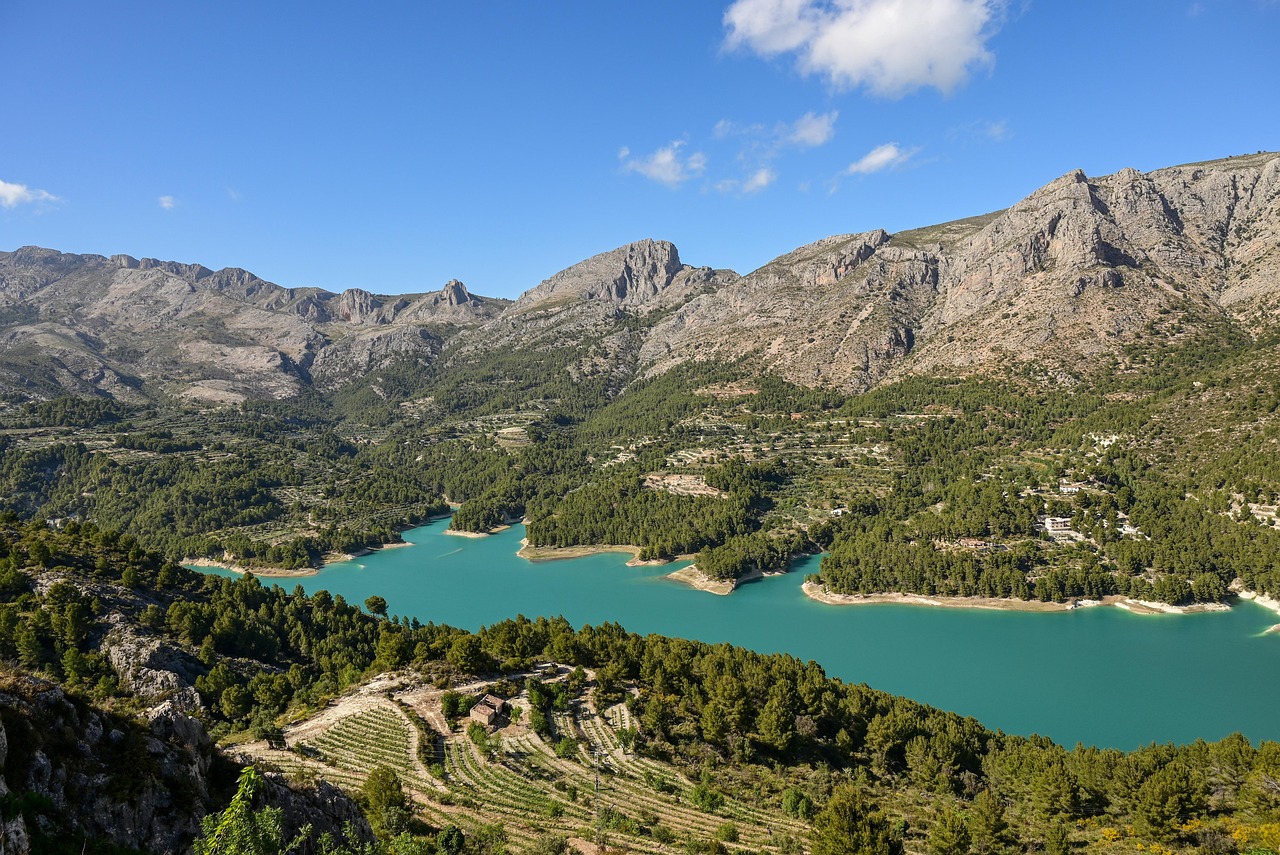
You cannot talk about Portuguese wine without bowing first to the Douro. It is the heavyweight champion, the birthplace of Port, and now, the producer of some of the most profound dry red and white wines on the planet. To visit the Douro is to enter a geological theater of the absurd. Terraced vineyards cling to 60-degree slopes, held up by walls of dry schist that have been stacked by human hands over centuries. It is a landscape so dramatic it feels almost fake, like a movie set designed by a director with a flair for the epic.
The journey usually begins in Porto, but the real magic happens when you head east, following the river's serpentine path. The heat here is different; it reflects off the water and the pale rocks, creating a shimmering intensity.
Quinta do Crasto (Vila Real): This is not just a winery; it is a family legacy that spans nearly 400 years. Perched on a bend in the river, the views alone are worth the trip. I once sat on their terrace with a glass of their Vinha da Ponte—a single-vineyard red that smells of violets, black pepper, and hot stones—and watched a traditional Rabelo boat drift by. It was a moment of pure, unadulterated time travel.
Address: Quinta do Crasto, 5000-600 Vila Real, Portugal.
Hours: Visits are strictly by appointment, usually 10:00 AM or 2:00 PM. Book weeks in advance, especially in harvest season (September/October).
Why it matters: They produce one of the finest dry reds in the country (the aforementioned Vinha da Ponte) and their Touriga Nacional is a masterclass in the grape. The tour is intimate, usually led by a family member or a deeply knowledgeable oenologist.
But the Douro is also home to "hidden gems" that escape the tourist buses. One such place is Quinta do Panascal (Foz Tua), which is technically owned by the massive Taylor’s Port group but feels like a boutique operation. It sits quietly near the mouth of the region, where the cooler breezes from the Atlantic still linger. It is a place of quiet contemplation, surrounded by a botanical garden of cork oaks and olive trees.
Address: Quinta do Panascal, 5085-201 Foz Tua, Portugal.
Hours: Daily, 10:00 AM – 5:00 PM (last tour at 4:00 PM).
Why it matters: It is one of the few quintas where you can feel the transition from the rugged interior to the greener, milder coast. Their organic practices and the sheer tranquility of the estate make it a perfect antidote to the bustling tourism of Pinhão.
Bairrada: The Kingdom of Baga and Roast Suckling Pig
If the Douro is the glamorous movie star, Bairrada is the grumpy, brilliant uncle who knows everything. Located just south of the Douro, near the city of Anadia, Bairrada is defined by its clay soils and the Atlantic influence. It is cool, rainy, and frankly, often overlooked. This is a mistake.
This is the home of the Baga grape, a thin-skinned, difficult variety that produces wines of incredible acidity and longevity. For a long time, Bairrada produced rustic, tannic wines that needed a decade in the cellar. But a new generation has taken over, using modern techniques to tame the beast, resulting in elegant, complex wines that are stealing the show.
Quinta da Pellada (São João de Loureiro): The domain of the legendary Casa de Santar, this estate is the spiritual home of Baga. The winery is modern, but the tasting room feels ancient. I recall tasting their "Prima" Baga—a wine that bursts with sour cherry and earthy notes—and realizing that this was a grape that could rival Pinot Noir for elegance, but with a distinctly Portuguese rusticity.
Address: Quinta da Pellada, 3060-221 São João de Loureiro, Portugal.
Hours: Monday to Saturday, 10:00 AM – 12:30 PM and 2:00 PM – 5:30 PM. Closed Sundays.
Why it matters: It is the benchmark for modern Baga. The "Dona Paterna" is a wine of ethereal complexity. Plus, you are in the heart of the "Triangle," an area dense with excellent wineries.
But you don't go to Bairrada just for the wine. You go for the food. Specifically, you go for O Toucinho in Mealhada. This is a temple to Leitão Assado (roast suckling pig). The skin is shattered like glass, the meat melts, and it is served with nothing but a slice of bread to catch the drippings. It is a primal, messy, glorious meal that demands a robust, local red wine.
Address: Rua Dr. Manuel de Arriaga, 3520-225 Mealhada, Portugal.
Hours: Daily, 12:00 PM – 10:00 PM.
Why it matters: This is the quintessential Portuguese dining experience. It is loud, chaotic, and utterly delicious. It is the perfect pairing for the wines of the region.
The Tejo: The River’s Gentle Flow
Often skipped by tourists rushing between Porto and Lisbon, the Tejo region (formerly Ribatejo) is the beating agricultural heart of Portugal. The Tagus river (Tejo) provides a moderating influence, creating a climate perfect for growing grapes, olives, and citrus. This is a land of vast plains and white montes (farmhouses).
The wines here are traditionally light, easy-drinking, and cheap. But again, the narrative is changing. Producers are focusing on indigenous grapes like Fernão Pires (for whites) and Castelão (for reds), creating wines with surprising character.
Quinta da Alorna (Alorna): A historic estate that dates back to the 18th century, Alorna is leading the charge in elevating Tejo wines. The palace itself is stunning, but the wines are the star. Their "Phebus" is a fantastic example of what this region can do—elegant, aromatic, and incredibly affordable.
Address: Quinta da Alorna, 2050-205 Alorna, Portugal.
Hours: Visits by appointment only. Usually Tuesday to Saturday, 10:00 AM – 5:00 PM.
Why it matters: It offers a glimpse into the aristocratic history of Portuguese wine and produces high-quality wines that are significantly cheaper than their counterparts in the Douro or Dão. It is the answer to the search for "cheap Portuguese wine regions to visit."
Lisbon’s Backyard: The Estremadura and Colares
When searching for "Portuguese wine regions near Lisbon," you are spoiled for choice. You have the coastal Atlantic influence of the Estremadura and the incredibly unique, sandy soils of Colares.
Colares is a geological anomaly. To escape the phylloxera louse that destroyed vineyards worldwide in the late 19th century, vines here are grafted onto American rootstocks and planted directly into deep sand. They are watered by the Atlantic mist. It is a miracle of viticulture. The local grape, Ramisco, produces pale, tannic, acidic wines that age for decades.
Quinta de Chocapalha (Alenquer): Just north of Lisbon, this estate is a family-run operation that produces consistently excellent wines. The welcome here is warm, the cellar is cool, and the tasting room overlooks rolling hills covered in vines. Their Touriga Nacional is a powerhouse, but their white blend is a refreshing surprise.
Address: Rua da Quinta, 2090-515 Alenquer, Portugal.
Hours: Monday to Friday, 9:30 AM – 5:30 PM; Saturday, 10:00 AM – 1:00 PM. Visits by appointment.
Why it matters: It represents the high quality achievable in the Lisbon region, bridging the gap between the rustic and the refined.
Quinta do Sanguinhal (Bombarral): A visit here is a step back in time. The winery retains much of its original 19th-century machinery, and the cellar is filled with barrels aging in the dark. They are famous for their Moscatel de Setúbal, a fortified wine that tastes of orange peel, dried figs, and honey.
Address: Largo do Sanguinhal, 2540-221 Bombarral, Portugal.
Hours: Monday to Friday, 9:30 AM – 12:30 PM and 2:00 PM – 5:30 PM; Saturday, 9:30 AM – 12:30 PM.
Why it matters: It is a living museum of Portuguese winemaking. The connection to the land is palpable, and the wines are honest expressions of the terroir.
The Alentejo: The Golden, Endless Plains
If you drive south from Lisbon, the landscape slowly flattens out, turning into a vast, golden sea of cork oaks, olive trees, and wheat. This is the Alentejo, the "breadbasket of Portugal." It is hot, vast, and sleepy. But beneath that sleepy surface lies a wine region of immense power and sensuality.
Alentejo wines are the opposite of the Douro's angular structure. They are round, opulent, fruity, and often high in alcohol. They are wines of immediate pleasure. The region is dotted with whitewashed villages and Roman ruins.
Herdade do Esporão (Reguengos de Monsaraz): This is the titan of the Alentejo. It is a massive estate that produces everything from olive oil to cheese, in addition to world-class wine. The visitor center is sleek and modern, but the roots of the operation are deep in the Alentejo soil. Their "Reserva" red is a blend that defines the region: lush, dark, and velvety.
Address: Herdade do Esporão, 7200-999 Reguengos de Monsaraz, Portugal.
Hours: Monday to Sunday, 10:00 AM – 6:00 PM.
Why it matters: Esporão proves that you can be big and still care about quality and sustainability. They are leaders in organic farming and biodynamics. The tasting experience is comprehensive, covering wine, olive oil, and food.
Herdade da Malhadinha Nova (Albernoa): This is a "hidden gem" for those willing to venture deeper into the Alentejo. It is a family-run estate that feels more like a sanctuary than a winery. They have a small hotel, a fantastic restaurant, and a spa. The winemaker is an artist who produces small batches of intensely personal wines.
Address: Herdade da Malhadinha Nova, 7630-152 Albernoa, Portugal.
Hours: Visits by appointment. The restaurant is open for lunch and dinner (closed Monday and Tuesday evenings).
Why it matters: It offers an immersive Alentejo experience. It is quiet, luxurious, and the wines are exquisite expressions of the terroir. It is the perfect place to listen to the earth speak.
The Dão: The Granite Fortress
North of the Alentejo, tucked against the Serra da Estrela mountains, lies the Dão. This is a region of granite soils and cool, high-altitude air. It is often called the "Burgundy of Portugal." The wines here are structured, elegant, and aromatic. They are less about power and more about finesse.
The Dão is a region of mist and forests. It feels wilder, more enclosed than the Alentejo. The Touriga Nacional grape reaches its peak of elegance here, producing wines with floral aromatics and fine tannins.
Quinta dos Roques (Nelas): A benchmark for modern Dão. The winery is architectural, a series of concrete cubes built into the hillside. The wines are precise and terroir-driven. A tasting here reveals the incredible minerality that the granite soils impart.
Address: Quinta dos Roques, 3525-306 Nelas, Portugal.
Hours: Monday to Friday, 9:30 AM – 12:30 PM and 2:00 PM – 5:30 PM; Saturday, 10:00 AM – 1:00 PM.
Why it matters: It showcases the cool-climate elegance of the Dão. Their white wines, often made from Encruzado, are a revelation—steely, mineral, and age-worthy.
Quinta da Pellada (Dão): Yes, them again. The Casa de Santar estate actually straddles both Bairrada and Dão. Their Dão properties are equally impressive, producing wines that are the epitome of the region's character. The "Castello de Pellada" is a massive, structured red that needs time, but rewards patience immensely.
Address: Quinta da Pellada, 3430-402 São João de Areias, Portugal.
Hours: Monday to Saturday, 10:00 AM – 12:30 PM and 2:00 PM – 5:30 PM.
Why it matters: It is the standard-bearer for traditional Dão, a wine of profound depth and history.
Vinho Verde: The Green, Zesty North
"Vinho Verde" translates to "Green Wine," referring not to the color, but to the youthfulness of the wine. This is the rain-swept, incredibly lush region in the northwest, near the Spanish border. It is a land of small farms, pergolas, and the Loureiro grape.
The wines are light, low in alcohol, and fizzing with acidity. They are the ultimate summer afternoon drink. But don't let the simplicity fool you; there are complex, age-worthy whites being made here, too.
Quinta da Aveleda (Penafiel): This is the spiritual home of Vinho Verde. The estate is massive, covered in mossy stone walls and ancient trees. The Guedes family has been making wine here for centuries. The tasting room is a cozy, wood-paneled affair where you can sample their vast range.
Address: Quinta da Aveleda, 4560-492 Penafiel, Portugal.
Hours: Monday to Friday, 9:00 AM – 12:30 PM and 2:00 PM – 5:30 PM; Saturday, 9:00 AM – 12:30 PM.
Why it matters: It is an institution. The "Casal de la Grim" Loureiro is a benchmark for the grape—aromatic, floral, and intensely fresh. The history of the place is palpable.
The Madeira: The Island of Immortal Wine
Finally, we must touch upon the island of Madeira. This is not just a wine region; it is a fortress of flavor. Madeira wine is unique in the world because it is made by heating the wine during the aging process (estufagem), which oxidizes it and gives it incredible longevity. A bottle of Madeira from the 18th century can be as vibrant as one from last year.
Blandy's Wine Lodge (Funchal): Located in the capital city, Blandy's is a living museum. The cellar is filled with huge casks of wine dating back over a century. A tour here is a history lesson in a glass. Tasting a 1968 Sercial (the driest style) is an experience that changes your understanding of what wine can be.
Address: Rua de Santa Maria 110, 9000-112 Funchal, Madeira, Portugal.
Hours: Monday to Saturday, 10:00 AM – 6:00 PM (closed Sunday).
Why it matters: It is the most accessible and historic of the Madeira producers. The guided tasting is essential, offering a flight of different styles and vintages that illustrates the magic of this fortified wine.
The Secret to It All: "Hidden Portuguese Wine Regions for Red Wine Lovers"
If you think you have seen it all, you haven't. The true magic of Portuguese wine lies in the pockets of obscurity. Regions like the Douro Superior (the easternmost part of the Douro, hotter and wilder), the Tejo, and the Beira Interior are where you find the best value and the most authentic interactions.
For the red wine lover, the quest for the "hidden" is a journey to the Beira Interior. Here, in the shadow of the Spanish border, the Jaen grape (known in Spain as Mencia) produces smoky, mineral reds that are unlike anything else. Visiting a winery like Quinta da Romeira feels like discovering a secret. The wines are rustic but soulful, and the welcome is invariably tea and homemade cake.
Planning Your Trip: "Best Portuguese Wine Regions for Tours and Tastings"
So, how do you navigate this bounty? The "Ultimate Guide" must offer practical advice.
- Rent a Car: Public transport will not get you to the vineyards. You need wheels to explore the dirt tracks and back roads.
- Book Ahead: The best experiences are almost always by appointment. This isn't Napa, where you can just walk in. A phone call or an email a week or two in advance is standard.
- Hire a Driver: The tastings are generous. In regions like the Alentejo or Douro, where pours can be liberal, hiring a local driver for the day is a wise investment. It allows you to relax and truly engage with the winemakers.
- Eat Local: Every wine region has a signature dish. In the Douro, it's posta à mirandesa (a giant veal steak). In Alentejo, it's açorda (a bread soup). In Bairrada, it's the pig. Pairing the wine with the local food is the only way to truly understand the terroir.
"Alentejo vs Douro Wine Regions Comparison"
This is a common dilemma for the traveler with limited time. The choice depends on your personality.
- Choose the Douro if: You want drama, history, and structure. You are a fan of powerful, tannic reds and want to see the most spectacular landscape in Europe. You want to feel the weight of centuries.
- Choose the Alentejo if: You want heat, relaxation, and opulent fruit. You want to lounge by a pool with a glass of chilled white, eat olives and cheese, and enjoy wines that are approachable and hedonistic. You want to feel the warmth of the sun.
"Portuguese Wine Regions with Highest Ratings"
While ratings are subjective, the Douro and Dão consistently receive the highest international acclaim for their premium reds. The Douro for its power and depth (look for wines from top Quintas like Quinta do Noval or Niepoort), and the Dão for its elegance and aging potential. However, the "highest ratings" often ignore the sheer value found in the Tejo and Lisboa regions, where you can find 90-point wines for a fraction of the price.
The Final Pour: A Journey of Discovery
Portuguese wine is a conversation. It is a dialogue between the granite of the Dão, the schist of the Douro, the sand of Colares, and the clay of the Alentejo. It is a conversation between the Atlantic breezes and the inland heat.
When you travel here, you are not just a consumer; you are a participant. You are invited into the cellar, offered a seat at the table, and given a glass that is never allowed to go empty. The "Ultimate Guide" is not a list of places to check off. It is an invitation to get lost on a dirt road, to follow the smell of roasting meat, to ask a winemaker, "Why this barrel?" and to listen to the answer.
Portugal is the last great undiscovered wine country of Europe. It has the history of France, the passion of Italy, and a value proposition that is simply unbeatable. But more than that, it has a soul. It is a country that believes wine is not an accessory to life, but a fundamental part of it.
So, go. Start in Porto, drink a glass of Tawny Port by the river. Head to the Douro and watch the sunset turn the river to fire. Drive south to the Alentejo and eat bread dipped in olive oil under a cork tree. Find a hidden gem in the Dão and taste the granite in the glass. Listen to the earth. It has so much to say.