


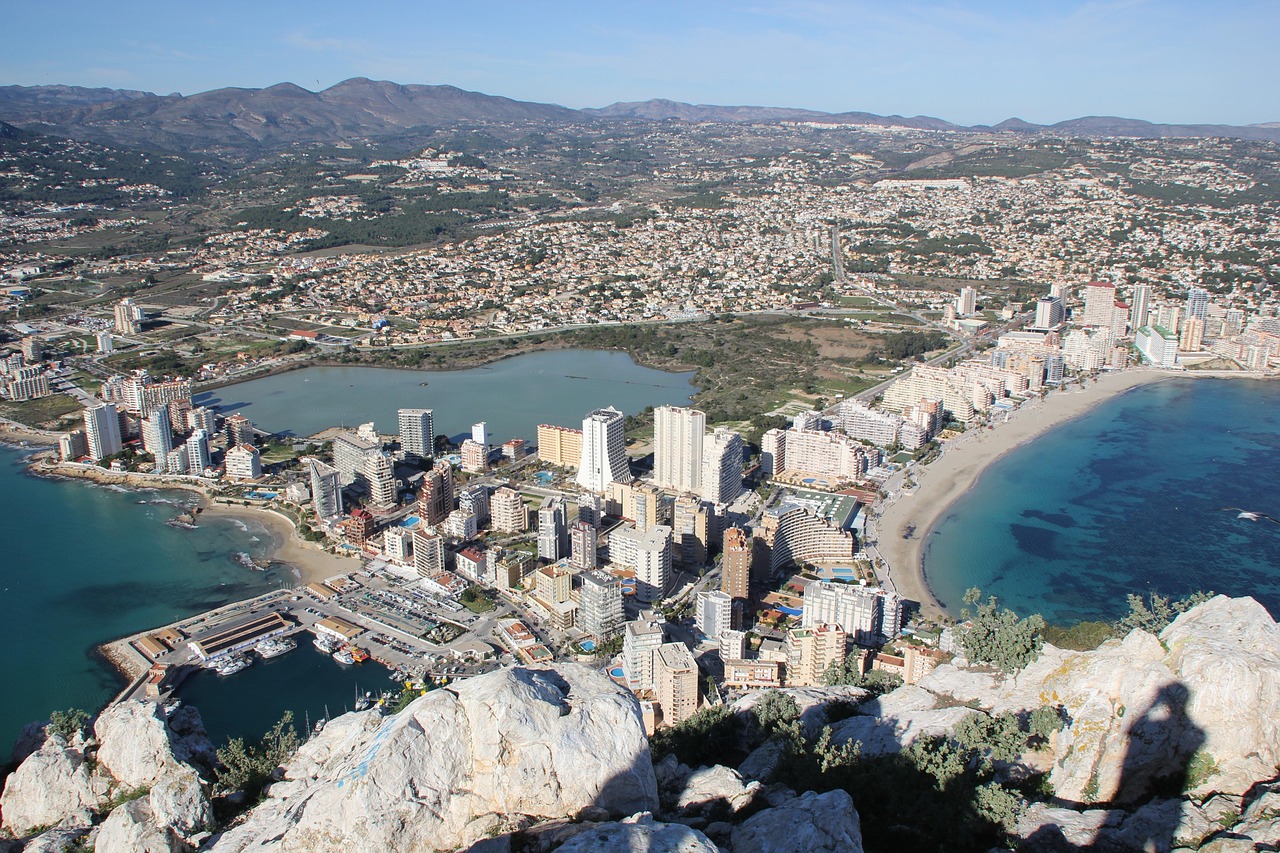
The salt air here in Cascais has a particular weight to it, a density that speaks of centuries of Atlantic history crashing against the limestone. It’s not just the smell of the ocean; it’s the scent of sun-warmed stone, grilling sardines from a nearby tascas, and the faint, metallic tang of the old fishing boats bobbing in the bay. I’ve been coming to this stretch of the Portuguese Riviera for over a decade, and yet, every time I step off the train from Lisbon, the landscape manages to feel both intimately familiar and thrillingly new. 2026 is shaping up to be a fascinating year for this region. The crowds are returning, yes, but there’s a renewed appreciation for the raw, rugged beauty that lies just beyond the manicured symmetry of the town center. You feel it most acutely when you walk west, away from the gentle lapping of the Marina and the golden sands of Praia da Rainha, and toward the dramatic, jagged edge of the world known as Boca do Inferno—the Mouth of Hell.
To understand Cascais, you have to understand its duality. It is a resort town born of royal whim, a place where Emperor D. Luis I fell so in love with the fishing village that he turned it into a summer capital. But beneath that aristocratic veneer lies a rugged, untamable coastline that has humbled ships and inspired poets. This guide is for those who want to experience both sides of that coin in 2026. It’s for the early morning wanderers who want to claim a patch of sand before the sun gets high, and for the sunset chasers who want to witness the Atlantic turn into a cauldron of fire. It’s a guide to the beaches that define this coast and the landmark that commands it.
Let’s start with the town’s gentle embrace before venturing into the wild.
Praia da Rainha and the Royal Connection
You cannot talk about Cascais without starting at Praia da Rainha (Queen’s Beach). It is small, almost comically intimate, tucked into a sheltered cove right next to the Casa Rei do Caribe museum and the fish market. It was Queen D. Amelia who, in the late 19th century, designated this as her personal bathing spot, and you can still see why. The water here is calmer than on the outer coast, the sand is a pale, soft gold, and the surrounding rocks offer a sense of protection.
In 2026, this remains the best spot for families with very young children or for anyone who wants a swim without the drama of the big waves. The vibe is pure leisure. In the mornings, you’ll see locals doing their mergulhos (morning dips) with a stoicism that defies the water temperature. By 11:00 AM, it’s a tapestry of towels and umbrellas.
A short walk west along the palm-lined promenade brings you to the larger, more boisterous Praia do Guincho. If Rainha is a drawing-room, Guincho is a rock concert. It sits within the Sintra-Cascais Natural Park, a vast expanse of protected dunes and cliffs. The wind is a constant presence here, whipping the sand into miniature dunes and powering a world-class kitesurfing and windsurfing scene. In 2026, the infrastructure for water sports is better than ever, with rental huts and schools offering lessons for all levels.
Carvalhal and the Local’s Paradise
For my money, the best beach for a proper summer day in Cascais is Praia do Carvalhal. It’s a bit further west from Guincho, nestled in the small hamlet of the same name. It feels more sheltered than Guincho but retains a wilder edge than the town beaches. The access is via a long wooden staircase that descends through the dunes, which builds a wonderful sense of anticipation.
The beach is split by a rocky outcrop, creating two distinct zones. To the left, the waves are bigger, attracting a younger, energetic crowd and surfers. To the right, the water is calmer, making it another excellent spot for families. What truly sets Carvalhal apart in 2026 is its culinary offering. The restaurant O Pescador sits right on the sand, serving some of the freshest seafood in the region. There is nothing quite like eating grilled octopus with a view of the ocean that provided it.
The Grand Finale: Boca do Inferno
Now, we leave the sand behind and walk the cliff path. The journey from the town center to Boca do Inferno is a beautiful 20-minute walk along the coast. You pass the Praia da Poça and the Praia da Raposeira, tiny pockets of sand used mostly by locals for a quick dip. But the destination is the cliff formation that has terrified and mesmerized visitors for generations.
Boca do Inferno is a chasm where the sea, funneled into a narrow cavern, explodes with thunderous force. The name, "Mouth of Hell," is no exaggeration. On a day when the swell is up, the water surges into the cavern with such violence that it shoots geysers of spray high into the air, accompanied by a roar that vibrates in your chest. It’s a primal, visceral experience.
In 2026, the viewing platform is safe and well-maintained, but it still feels exhilaratingly close to the action. There is a small tourist train that runs from the Cascais train station to Boca do Inferno, but I highly recommend the walk. It allows you to appreciate the changing geology of the coastline. The cliffs here are a rusty red and ochre, striated with layers of millennia.
Getting There and Around in 2026
The easiest way to get from Lisbon to Cascais is by train. From the "Cais do Sodré" station, the journey takes about 40 minutes and runs along the Tagus estuary, offering lovely views. The trains are frequent, modern, and clean. In 2026, the line is expected to be fully operational with the new rolling stock, making the trip even more comfortable.
Once in Cascais, the town is very walkable. To get to Guincho or Carvalhal, you can take the local "Moorish" bus (number 13), which is a charming, old-style bus that trundles along the coast. Taxis and Uber are readily available, and for those who want to explore the wider Sintra-Cascais Natural Park, renting a car is a good option, though parking in Cascais town center is notoriously difficult and expensive. For Boca do Inferno, it’s a straightforward 2km walk from the town center, or you can take the small tourist train which runs every 30 minutes or so in the high season.
The 2026 Coastal Experience: Sensory Details
What makes a trip to Cascais in 2026 special is the revival of the small, traditional details. The tascas (taverns) in the old town are focusing more on local, sustainable fish. The ice cream shops are experimenting with local flavors like ginja (sour cherry liqueur) and fava (broad bean). There’s a palpable sense of pride in the natural park that surrounds the town. You’ll see more signage about protecting the dunes and the marine life.
The walk back from Boca do Inferno at sunset is a ritual. As the sun dips below the horizon, it illuminates the spray from the chasm, creating fleeting rainbows. The sky turns from orange to a bruised purple. The lights of the town twinkle in the distance. You can hear the distant clatter of plates from the restaurants on the main square, the low hum of conversation from the beach bars, and the eternal rhythm of the Atlantic.
For 2026, my advice is this: come with time. Don’t just tick off Boca do Inferno and the main beach. Spend a morning at Carvalhal, watching the surfers. Have a long, lazy lunch at a seaside restaurant, ordering whatever the catch of the day is. Walk the cliff path to the "Mouth of Hell" and back. Find a gelato and sit on the wall by the marina, watching the boats. This coast is not a checklist; it’s a state of mind. It’s a place where the grandeur of nature and the warmth of human hospitality meet. It’s a place that, once it gets into your blood, will call you back, year after year.