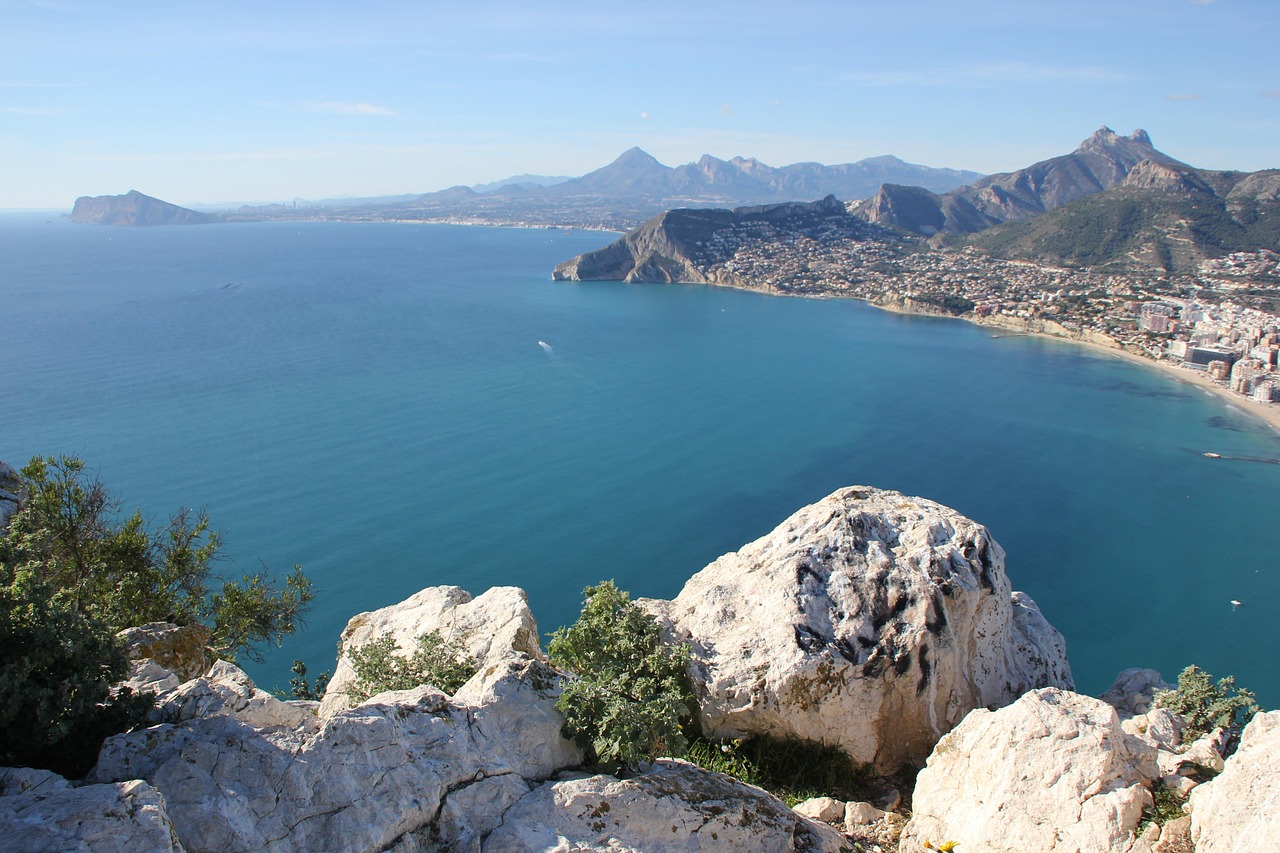

There is a specific quality of light in Cascais, a sharp, sea-salt clarity that makes colors pop—the electric blue of the Atlantic, the sun-bleached ochre of the terra-cotta roofs, and the vibrant, unexpected hues found inside the town’s many cultural institutions. To truly know this former fishing village on the Portuguese Riviera, you must step out of the sun and into the cool, quiet halls of its museums. This is an invitation to look closer, to dig deeper into the narrative of a town that has always been a crossroads of the world.
1. Museu Condes de Castro Guimarães
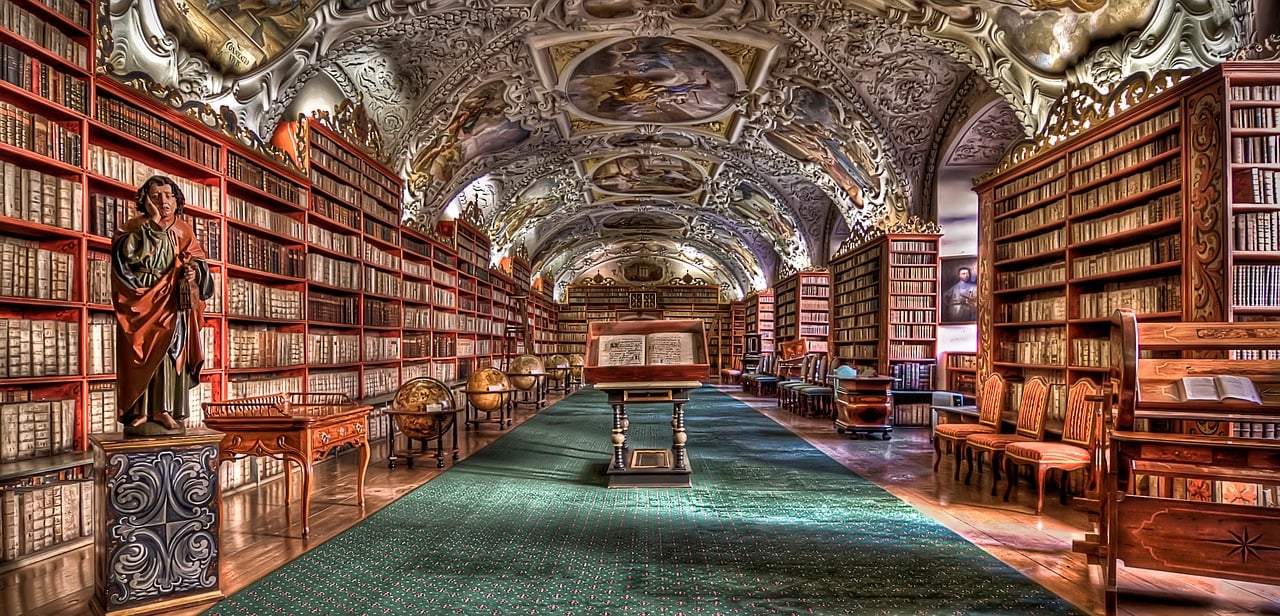
If you only visit one museum in Cascais, make it this one. Perched right on the edge of the ocean, the estate of the Counts of Castro Guimarães is a fairytale castle, a romantic palace that feels like it was airlifted from a storybook. The collection is deeply personal, a reflection of the eclectic tastes of Jorge O’Neill, the first Count. It is a cabinet of curiosities brought to life, featuring 17th and 18th-century Portuguese furniture, a library holding over 25,000 volumes, and an art collection journeying through Portuguese romanticism and naturalism.
Hours: Tuesday to Sunday, 10:00 AM – 6:00 PM. Closed Mondays.
Highlights: The "Tribute to Teófilo" painting, the stunning library, and panoramic sea views from the terrace.
2. Paula Rego House of Stories (Casa das Histórias)
Nestled into a hillside overlooking the sea, this museum feels like a piece of art itself. Designed by architect Eduardo Souto de Moura, the building is distinguished by its two asymmetrical, red-pyramid-topped towers. It was built specifically to house the work of Dame Paula Rego, one of the most significant painters of our time. Visiting is an intense, emotional experience; her work is narrative, often dark, and fiercely feminist, drawing on folk tales and her own life in Portugal and London.
Hours: Tuesday to Sunday, 10:00 AM – 6:00 PM. Closed Mondays.
Highlights: The sheer scale of her pastels, the recreation of her studio, and the unique architectural design.
3. Cascais Civic Museum (Museu da Vila)
To understand the soul of the town, you must go to the source. Located in the former "Cadeia e Paços do Concelho" (Jail and Town Hall) in the historic center, this 17th-century building offers a chronological journey that transforms Cascais from a humble fishing village into the cosmopolitan resort it is today. The collection is rich in local artifacts, from fishing nets to elegant parasols and porcelain tea sets from the aristocratic era.
Hours: Tuesday to Sunday, 10:00 AM – 6:00 PM. Closed Mondays.
Highlights: The "Vila de Cascais" painting by José Malhoa, archaeological remains under glass floors, and the history of the railway.
4. Museu do Mar (Sea Museum)
Located within the Santa Marta Lighthouse complex, the Sea Museum has a distinct, salty atmosphere. It pays homage to the two things that define Cascais: the ocean and the fishermen who mastered it. The collection focuses on the relationship between man and the sea, featuring scale models of traditional fishing boats, navigational instruments, and a fascinating collection of seashells. After touring, you can climb to the lighthouse keeper’s terrace for wind-whipped views.
Hours: Tuesday to Sunday, 10:00 AM – 1:00 PM and 2:00 PM – 6:00 PM. Closed Mondays.
Highlights: The view from the lighthouse, the collection of fishing artifacts, and ocean photography exhibitions.
5. Museu da Cidade de Cascais - El-Rei D. Carlos
This museum best captures the golden age of Cascais, focusing on the period when it became the "Garden of the Royal Family." Situated in the "Vila Sassetti," the star of the show is King D. Carlos I, a marine biologist and avid photographer. The museum is a treasure trove of memorabilia, including the King’s personal photography equipment, scientific specimens, and furniture from the summer palace.
Hours: Tuesday to Sunday, 10:00 AM – 6:00 PM. Closed Mondays.
Highlights: King D. Carlos’s photography collection, marine biology exhibits, and the architecture of Vila Sassetti.
6. Paula Rego Museum (Lisbon) - The "Honorary" Gem
While technically in Lisbon, a pilgrimage to the original Paula Rego Museum is essential context for art lovers visiting Cascais. A short 25-minute train ride away, the original museum in the neighboring capital deepens the appreciation for the Casa das Histórias. Housed in a former dormitory, it feels more labyrinthine and dark, holding her earlier works and the massive "Obedience and Betrayal" series.
Hours: Wednesday to Monday, 10:00 AM – 6:00 PM. Closed Tuesdays.
Highlights: The "Opus" series, the atmosphere of the old building, and the comprehensive career collection.
7. Boca do Inferno (Mouth of Hell)
Is a cliff formation a museum? Not technically, but the small interpretive center here makes it a cultural stop. Located 2km west of the center, "Boca do Inferno" is a dramatic chasm where waves explode into a sea cave. The interpretive center tells the story of how King Luis I marketed this wild spot into a tourist attraction. The sensory experience is overwhelming—a thunderous roar and plumes of spray.
Hours: Viewpoint 24/7; Center typically 10:00 AM – 6:00 PM daily.
Highlights: The raw power of the sea, the history of King Luis I’s development, and rugged coastline views.
8. Museu do Vinho (Wine Museum)
Tucked away in the picturesque fishing village of Guincho, this museum is dedicated to Portuguese wine. Housed in a charming 19th-century building that was once a windmill, it is a small but potent celebration of the country’s viticultural heritage. The collection includes tools for grape harvesting and a vast array of corkscrews, but the best part is the oenothèque where you can sample regional wines.
Hours: Tuesday to Sunday, 10:00 AM – 1:00 PM and 2:00 PM – 6:00 PM. Closed Mondays.
Highlights: The converted windmill setting, traditional tools, and wine tasting opportunities.
9. Farol de Guincho (Guincho Lighthouse)
Located on high, windswept dunes, the Guincho Lighthouse was built in 1898. While it is a working navigational aid, the interior serves as a museum to the technology of light, showcasing the massive Fresnel lens. The real draw is the 360-degree view from the top, offering a wilder landscape of sand dunes and heather. It is a location famous in cinema, featured in several James Bond films.
Hours: Sporadic (check Cascais Ambiente), grounds generally accessible.
Highlights: 360-degree panoramic views, industrial architecture, and the feeling of isolation at the edge of Europe.
10. The "Living Museum": Feira da Vila (Vila Market)
To close the list, we visit a museum that is alive, breathing, and edible. The Feira da Vila is an open-air market held in the heart of the old town every Saturday. It is a cultural institution that preserves the traditions of local commerce. Wandering the stalls is a feast for the senses, smelling grilled sardines and *trouxas de ovos*, and chatting with vendors about the provenance of their honey and olive oil.
Hours: Saturday mornings, typically 9:00 AM – 2:00 PM.
Highlights: Regional food products (cheese, honey, cured meats), traditional atmosphere, and interaction with local producers.
Conclusion
Cascais is a town of layers. There is the glittering surface of the resort, the one seen on postcards. But then there is the world of the Counts and Kings, of artists and fishermen, of wild seas and quiet libraries. To visit these museums is to peel back those layers, revealing the complex, beautiful, and deeply human story of this corner of Portugal.