

The air in 2026 feels different, doesn’t it? It’s charged with a collective hunger to travel not just wider, but deeper. After years of algorithmic recommendations and viral TikTok itineraries that left us feeling more rushed than refreshed, there is a palpable shift back toward the human element. We are tired of transactional tourism. We want connection, texture, and stories that stick to our ribs long after we’ve returned home. And that, my friend, is precisely where the unsung heroes of the modern travel era—the local guides—are stepping into the spotlight.
This isn't about hiring a person in a polyester blazer to hold up a neon umbrella while reciting memorized dates. The local guide of 2026 is a curator, a confidant, a culinary compass, and a cultural translator. They are the keepers of the keys to the city, the ones who know which bakery owner sings opera while kneading dough and which museum guard knows the secret backstory of the painting in the corner.
So, let’s pull up a chair and talk about the magic they weave. Here are 11 benefits of hiring a local guide in 2026 that might just change the way you see the world forever.
1. The "Anti-Tourist" Passport: Unlocking True Cultural Immersion
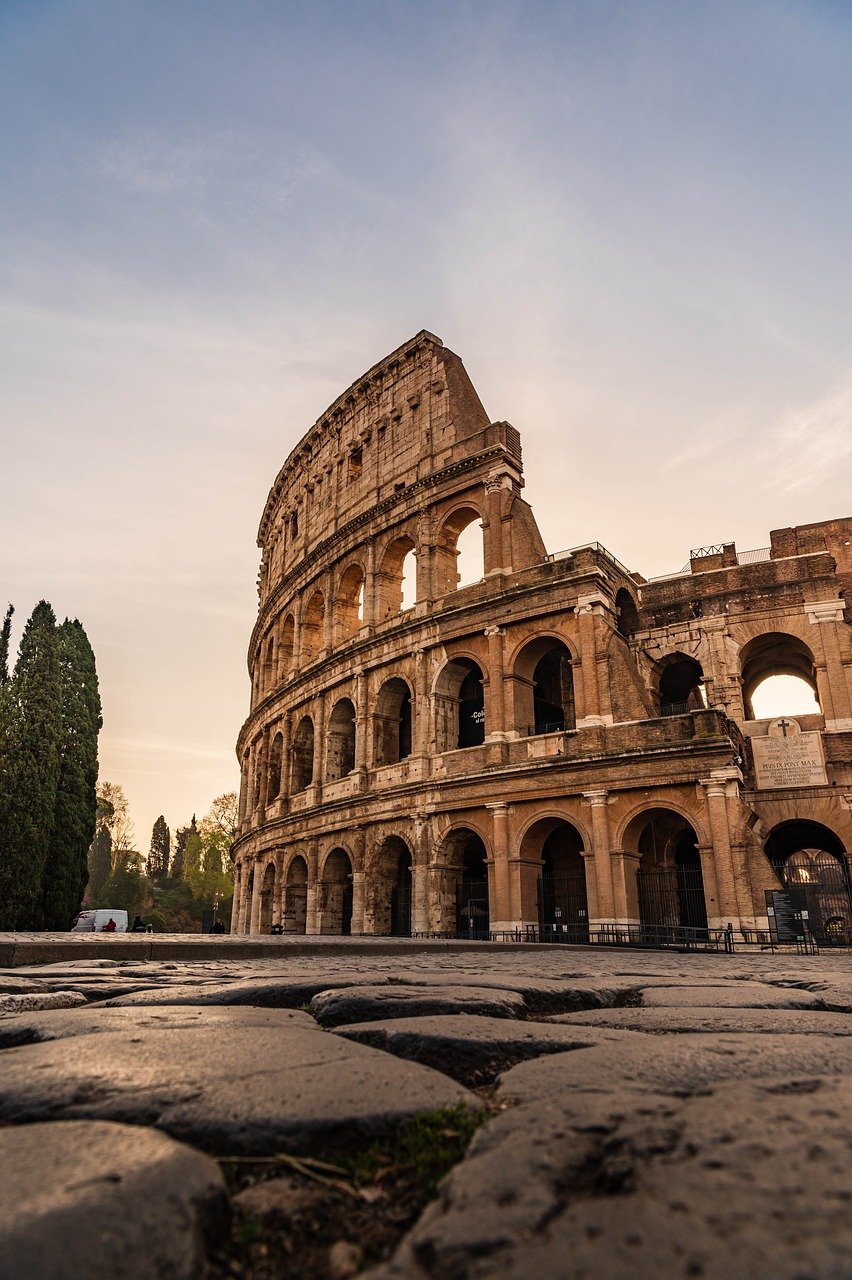
I remember my first trip to Rome. I did everything "right." I saw the Colosseum, I tossed a coin, I stood in a line that snaked around a block for a carbon-copy cacio e pepe. I felt… well, like a consumer of sights. It was only on my third visit, years later, that I hired a guide named Sofia, a Roman historian with a penchant for espresso and dramatic hand gestures. She didn't just show me the Forum; she showed me the patch of cobblestone where her grandfather proposed, the tiny doorway that led to a secret courtyard where poets met in the 1920s.
This is the primary, most profound benefit of a local guide. They peel back the glossy, tourist-facing layer of a city to reveal the lived-in, beating heart beneath. They walk you through neighborhoods where the language sounds different, where the air smells of laundry and roasting chestnuts, not just perfume and exhaust. For a first-time visitor to a place like Kyoto, a guide can be the difference between staring at a crowded zen garden and actually participating in a tea ceremony in a private home, understanding the philosophy of ichi-go ichi-e (one time, one meeting) not as a slogan, but as a feeling.
2. The Safety Net You Didn't Know You Needed: Navigation & Peace of Mind
Let’s be honest: navigating a new country can be a low-grade anxiety attack. The scams evolve, the public transport maps look like abstract art, and certain areas, while culturally rich, might be best explored with someone who knows the rhythm of the streets. I once watched a tourist in Marrakech get aggressively upsold a leather jacket for ten times its worth, a sad ballet of confusion and pressure. My guide, Youssef, stepped in, not with confrontation, but with a quiet word in Darija (the local dialect) and a shared joke. The tension dissolved instantly.
In 2026, this role has become even more critical. With the world in constant flux, a local guide is your real-time filter for safety and social norms. They know which neighborhoods are vibrant and welcoming at night, and which are best avoided. They know the difference between a friendly local price and a foreigner price, and how to navigate it with grace. For solo travelers, especially women, this isn't just a convenience; it's a game-changer for confidence and freedom. It’s the ability to explore with your head held high, knowing someone has your back.
3. The Culinary Oracle: A Food Journey Beyond the Menu
Forget "foodies." In 2026, we are "story-hunters," and the best stories are often found on a plate. The biggest mistake travelers make is eating at the restaurants with the pictures of the food. A local guide is a culinary oracle, leading you away from the tourist traps and toward the places where the magic happens. This is where the real "food and culinary tour" benefits kick in.
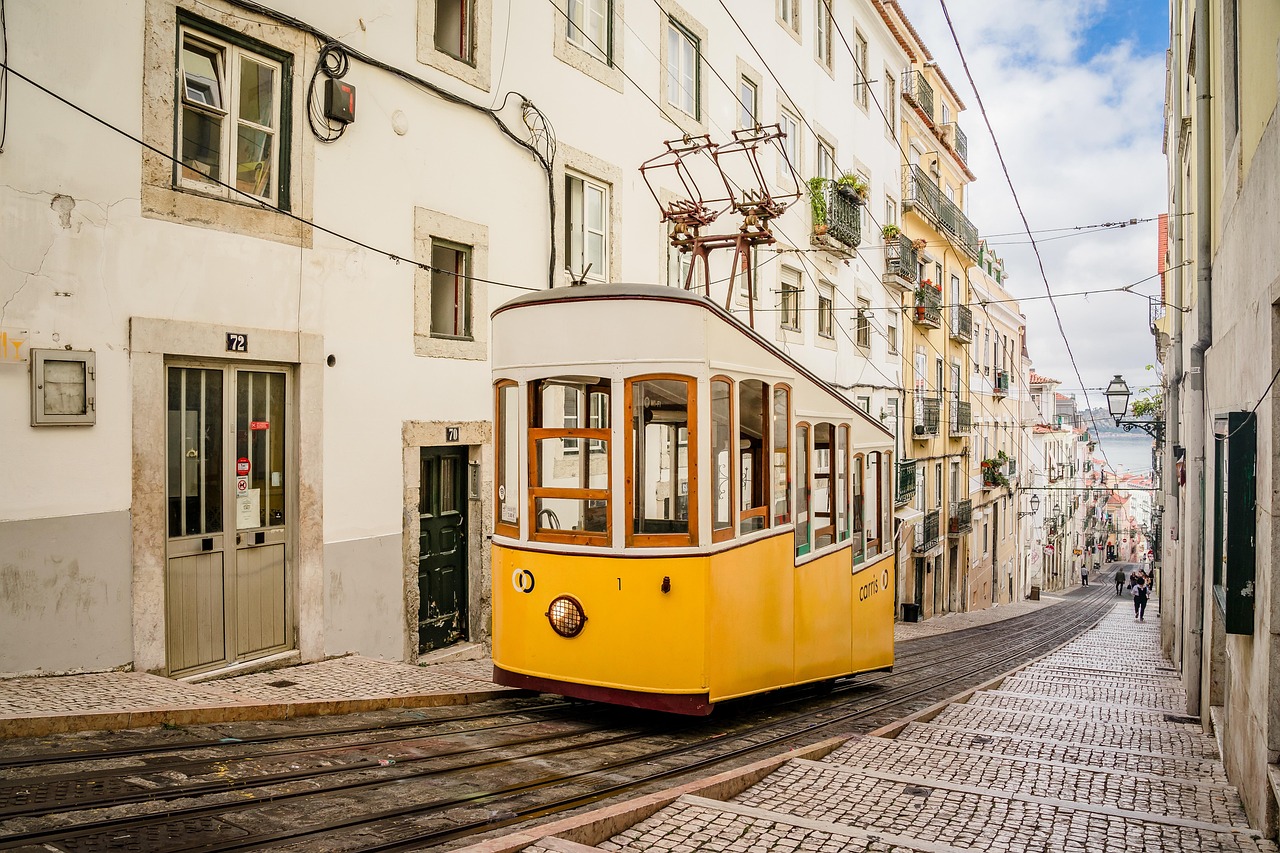
Think about it. In Lisbon, a guide can take you past the queues at the famous Pastéis de Belém and into a nondescript neighborhood pastelaria where the recipe is a hundred years old and the custard tarts are still warm enough to burn your tongue. In Mexico City, they won't just take you to a taqueria; they'll take you to the one where the tortillas are made by hand from nixtamalized corn that was ground that morning, and where the salsa bar is a source of immense local pride. They can translate the menu, but more importantly, they can explain the cultural significance of a dish. They’ll tell you that this soup is for cold nights, that this drink is for celebrations, that this particular ingredient is a source of regional pride. It transforms a meal into a history lesson you can taste.
4. The Ultimate Time-Machine: Slicing Through Queues and Red Tape
Time is our most precious commodity, especially when we only have a week to see a new continent. Every minute spent in a ticket line is a minute not spent exploring. A great local guide is a master of efficiency. They have pre-booked tickets, they know the obscure side entrances to museums, and they understand the flow of crowds.
I once spent a full morning in Paris trying to get into the Louvre, only to be defeated by a snaking queue and a grumpy security guard. On a subsequent trip, I hired a guide who had us through a separate entrance and standing in front of the Mona Lisa in under ten minutes. We used the saved time to explore the charming, often-overlooked covered passages near the Palais-Royal, places I would have never found on my own.
This benefit extends to logistics. They can help you navigate train stations, explain the nuances of ride-sharing apps in a specific country, and help you book tickets for local events that might be difficult to access without a local phone number or language skills. They are your logistical concierge, clearing the path so you can simply enjoy the journey.
5. The Personalized Story: Your Itinerary, Your Way
The one-size-fits-all group tour is officially dead. The traveler of 2026 demands personalization, and a private local guide is the ultimate bespoke service. This is the "personalized local tour guide itinerary for solo travelers" and families alike, elevated to an art form.
Are you obsessed by Art Deco architecture? Your guide in Miami can craft a walking tour of the city's hidden architectural gems. Are your kids obsessed with dinosaurs? A guide in Berlin can skip the standard historical tour and take you to the Museum für Naturkunde, home to the world's tallest mounted dinosaur skeleton, and then regale you with stories of its discovery. Traveling with a teenager who is glued to their phone? A guide in Seoul can create a K-Pop-themed scavenger hunt, visiting filming locations and cafes featured in music videos, turning a potentially grumpy teen into an enthusiastic explorer.
The itinerary becomes a living document, molded to your passions, your pace, and your energy levels. If you want to sleep in and spend three hours lingering over lunch, your guide will adjust. If you want to start at dawn to catch the morning light, they’ll be there, coffee in hand. It’s your trip, not a script.
6. The "Hidden Gems" Specialist: Finding the Places Your Map Forgot
This is the stuff of travel legends. It’s the thrill of discovering a place so perfect, so un-touristed, that you feel like you’re the first person to ever find it. Local guides are the cartographers of these secret worlds. They are the "best local guide services for hidden gems and off the beaten path" because their knowledge is not in a book; it’s in their blood.
In Barcelona, they might steer you away from the Ramblas and up a winding hill to the Bunkers del Carmel for a panoramic view of the city at sunset, where locals gather with guitars and bottles of wine. In Kyoto, they can lead you to a tiny shrine tucked away in a residential alley, where the moss is velvety and the only sound is the gentle clapping of a wooden hyoshigi. In Rome, they know the quiet, ivy-clad corner of the Protestant Cemetery where Keats and Shelley are buried, a place of profound peace just a stone's throw from the chaos of the city.
These moments become the core of your travel memories. They are the places you don’t post on Instagram immediately because you want to keep them for yourself, just for a little while.
7. The Economic Alchemist: Spending Smarter, Not More
There's a persistent myth that hiring a guide is an extravagant luxury, an unnecessary expense. In reality, a good guide is often a "cost saving advantage of using local guides in Europe" and beyond. Think about the hidden costs of navigating alone: the taxi you take because you got on the wrong bus, the overpriced souvenir from a shop right next to the major attraction, the meal at a mediocre restaurant because you were too hungry to search for something better.
A guide streamlines your spending. They know where to get the best value for money—a fantastic, family-run trattoria that serves a four-course meal for a fraction of the tourist price, or a local artisan market where you can buy authentic gifts. They prevent costly mistakes. And crucially, in 2026, your money goes directly into the local economy. You're not booking through a multinational conglomerate; you're paying a local professional, which has a direct and positive impact on the community. It’s an investment that pays dividends in both savings and good karma.
8. The Sustainable Partner: Travel That Gives Back
The conversation around travel in 2026 is dominated by sustainability. We all want to be better travelers, but how? Hiring a local guide is one of the most effective ways to practice "2026 travel trends hiring local guides for sustainable tourism." It’s a form of conscious consumerism.
When you hire a local guide, you are creating a direct economic benefit for a resident. This model incentivizes the preservation of culture and heritage because it shows that these things have tangible value. A guide who depends on the beauty of their city for their livelihood has a vested interest in protecting it. They are the first line of defense against over-tourism, leading visitors to lesser-known sites to disperse crowds and championing local businesses that are the lifeblood of a community.
Furthermore, they are educators. They can share insights on local conservation efforts, how to use public transport effectively, and which tour operators are committed to ethical practices. They help you tread more lightly and meaningfully on the places you visit.
9. The Family Whisperer: Keeping Kids (and Parents) Happy
Traveling with children is a beautiful, chaotic endeavor. A local guide can be the difference between a cherished family memory and a full-blown meltdown in a crowded square. The "local guide benefits for families with children in 2026" are immense, turning potential stressors into engaging adventures.
A guide can make history come alive for a child by turning a museum visit into a treasure hunt. They know where the parks with the best playgrounds are, where to find the tastiest gelato, and how to explain the cultural significance of a monument in a way a ten-year-old will actually listen to. They can also be a logistical lifesaver, helping with strollers on cobblestones or finding a quiet spot for a diaper change. For the parents, this means they can actually enjoy the moment with their kids, instead of being preoccupied with maps, tickets, and navigation. It’s about creating a trip that works for everyone, from the toddler to the teenager.
10. The 24/7 Concierge: On-the-Fly Problem Solving
Things go wrong on trips. Trains get delayed, it rains on your beach day, you get a sudden craving for something specific you can’t find. When you're on your own, these are frustrating obstacles. When you have a local guide, they are minor hiccups easily smoothed over.
Your guide is your on-the-ground problem solver. They can re-route your day seamlessly, suggest a cozy indoor activity when the weather turns, or call a restaurant to make a last-minute reservation. I once had a guide in Bangkok who, upon hearing I was feeling a bit under the weather, knew exactly which pharmacy to go to and what to ask for, and then altered our afternoon plan to include a gentle boat ride instead of a hectic market. This level of care and adaptability is something no app or guidebook can replicate. It’s the feeling of being truly looked after.
11. The Human Connection: The Story You Take Home
And finally, the most important benefit of all. In a world increasingly mediated by screens, the connection you forge with a local guide is profoundly human. You’re not just a customer; you’re a guest in their world. You share stories, laugh at cultural misunderstandings, and see the destination through their eyes.
The guide I had in Istanbul didn't just show me the Grand Bazaar; he told me about his uncle’s carpet shop, about the friendships forged over endless glasses of tea, about the city's resilience and its beauty. That conversation is as vivid in my memory as the sight of the Blue Mosque.
You might forget the name of the street you walked down or the exact year a building was constructed. But you won't forget the feeling of being welcomed, of learning from a new friend, of seeing a place not as a backdrop for your photos, but as a living, breathing community. That is the ultimate souvenir, and it’s one that only a local guide can help you pack.
So, as you plan your 2026 adventures, think beyond the checklist. Think about the story you want to bring home. Think about the human who will help you write it. Hire a local guide, and let the real journey begin.