
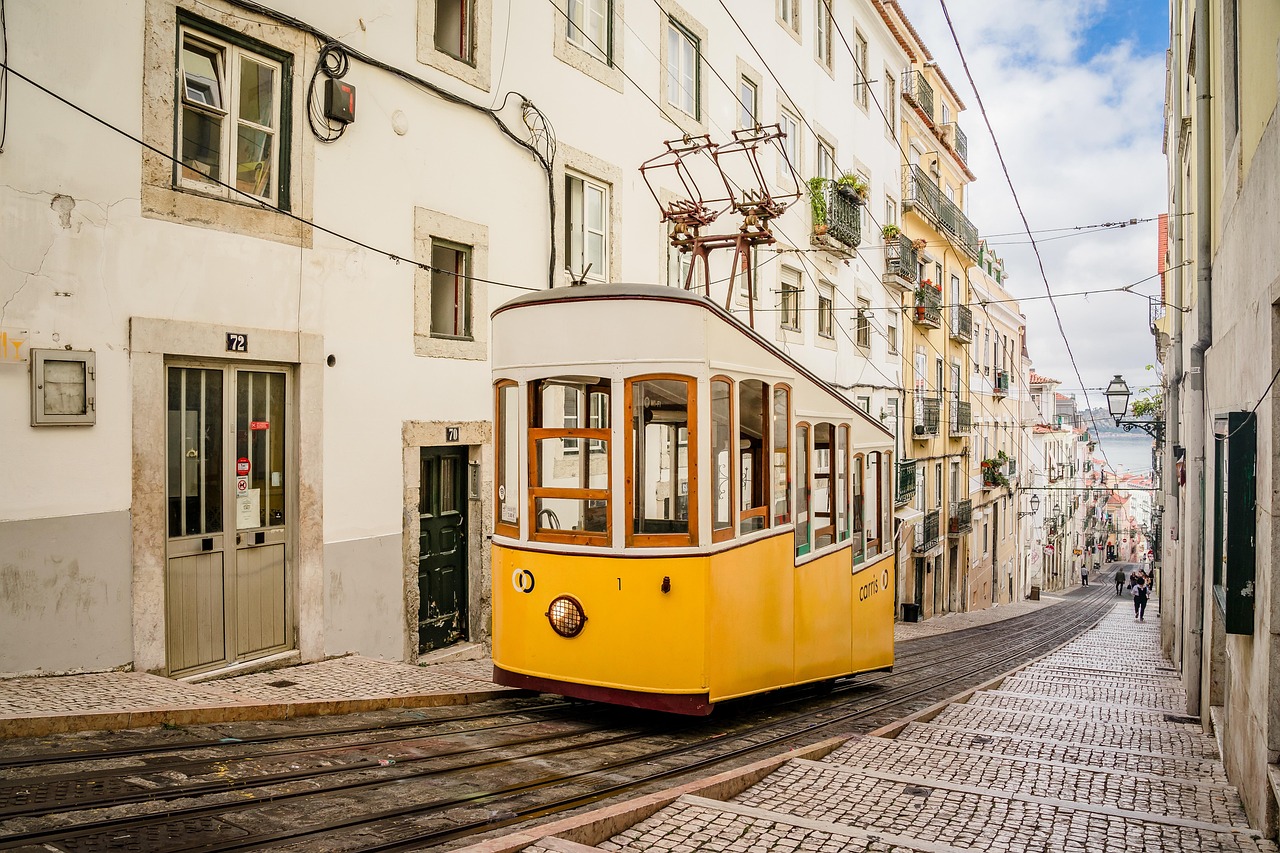

There is a specific kind of magic to waking up in Lisbon. It’s in the way the morning light hits the yellow trams, the smell of burnt sugar from a pastelaria, and the distant hum of a city that knows how to live. But as much as I love Lisbon—its seven hills, its melancholic Fado, its tiled facades—some days, the Atlantic calls, or the misty mountains whisper, and you simply have to leave.
You don’t need to pack a suitcase or book a flight. You just need a morning, a sense of adventure, and the right train ticket. Lisbon is the perfect launchpad for what I call "the great escapes." These aren't just day trips; they are condensed doses of wonder. We are talking about the mist-wreathed palaces of Sintra, the salty, windswept sophistication of Cascais, and the wild, earthy soul of Setúbal.
I’ve spent years hopping on and off these regional lines, getting lost in pine forests, arguing with taxi drivers, and eating far too much seafood. Here is the definitive guide to the best half-day trips from Lisbon, written for the traveler who wants to squeeze every ounce of joy out of a Portuguese morning.
The Fairytale Mist: Sintra
Sintra is not a town; it is a fever dream. I remember my first time there. I took the train from Rossio Station, watching the grey urban sprawl of Lisbon dissolve into lush, green hills. The air changed. It became cooler, damper, scented with eucalyptus and damp earth.
By the time you step out of the station, you realize this place operates on different rules. The first rule of Sintra: Ignore the bus queues if you can. The second rule: Go straight for the Pena Palace. But here is a secret I’ve learned after too many sweaty, frustrating ascents: do not walk. The hills are brutal. You can take the 434 bus (the Hop-on-Hop-off loop), or, if you want to feel like royalty, grab a Tuk-Tuk. They zip through the narrow, winding streets with a confidence that borders on madness, and the ride itself is an adventure.
The Pena Palace is the crown jewel. It looks like a schizophrenic architect had a fever dream after eating too many hallucinogenic berries. It is a chaotic blend of Manueline, Moorish, and Renaissance styles, painted in "King Ferdinand Yellow" and "Vermilion." To skip the line is essential. If you don't book ahead, you will spend your half-day staring at the backs of heads.
Walking the ramparts of the Pena Palace feels like walking through a Disney movie set, only it’s real. The fog rolls in off the Atlantic, clinging to the terracotta tiles, softening the edges of the world. I once sat on a bench near the Chalet of the Queen, watching the clouds devour the view of the ocean, and I felt completely removed from the 21st century.
If you have an extra hour, don't go to the Moorish Castle (it’s a steep hike and ruins your knees). Instead, walk down into the Historic Center. The streets are cobbled and narrow, lined with shops selling "Travesseiros" (almond pillow pastries) and "Queijadas" (cheese tarts). Go to Piriquita. It is chaotic, crowded, and absolutely necessary. Order a coffee and a pastry, stand at the counter, and feel the sugar rush hit your bloodstream.
Getting There: Take the train from Rossio Station (Lisbon). It takes about 40–50 minutes. The train ride is scenic and cheap. Once in Sintra, the 434 bus is your best bet for the Pena Palace.
What to Eat: A "Travesseiro" from Piriquita. It’s essentially a pillow of puff pastry filled with almond and egg yolk. It’s messy, buttery, and life-changing.
The Riviera Dream: Cascais
If Sintra is the moody, romantic sibling, Cascais is the glamorous, sun-kissed one. This is the Portuguese Riviera. It’s where the aristocracy used to summer, and where the surfers now congregate. The vibe shifts the moment you step off the train at Cascais station. The air smells of salt, sunscreen, and money.
I love walking from the station towards the town center. You pass the Museu Condes de Castro Guimarães, a stunning mansion that looks like it belongs in a period drama. But the real action is down by the water. Look for the "Boca do Inferno" (Hell’s Mouth). It’s a dramatic cliff formation where the Atlantic waves crash into limestone caves with a thunderous roar. It’s a bit touristy, yes, but standing there, feeling the spray on your face, you understand the raw power of the ocean.
The best thing to do in Cascais on a half-day trip is simply to wander. Head to the Cidadela de Cascais, the historic fortress that has been converted into a vibrant art district. It’s a labyrinth of white-washed walls, cannon emplacements turned into sculptures, and art galleries that are quiet and cool.
For lunch, you want seafood. Not the fancy, Michelin-star kind (though you can find it), but the "prawns sizzling in garlic butter" kind. Head towards Rua das Flores. There is a place I adore called "O Pescador" (though locals have their favorites tucked away in the alleys). You want a "Arroz de Marisco" (seafood rice) that is actually more soup than rice, brimming with clams, crab, and shrimp.
After eating, walk it off along the Marina. The boats are dazzlingly white against the blue water. It’s a place to see and be seen. If you have 20 minutes left, dip your toes in the water at Praia da Rainha (Queen’s Beach). It’s tiny, hidden, and historically where Queen Amelia used to bathe. It makes you feel connected to the history of this place.
Getting There: Take the train from Cais do Sodré Station (Lisbon). It’s a direct line and takes about 40 minutes. The views of the Tagus river as you leave Lisbon are spectacular.
What to Eat: "Arroz de Marisco" (Seafood Rice) or "Sardinhas Assadas" (Grilled Sardines) if you are there in the summer season (June–August).
The Wild South: Setúbal & The Dolphins
Setúbal is the unsung hero of Lisbon’s surroundings. It doesn't have the fame of Sintra or the gloss of Cascais, but it has a rugged, authentic beauty that I find incredibly seductive. This is the land of the "Choco Frito" (fried cuttlefish) and wild dolphins.
The drive into Setúbal is spectacular. You cross the 25 de Abril Bridge (which looks eerily like the Golden Gate) and head south. To your left, the landscape changes to the Arrábida Natural Park. The hills here are sheer limestone cliffs dropping into turquoise water that looks like the Caribbean. It’s jarring and beautiful.
If you are doing a half-day trip, the absolute highlight is Dolphin Watching. The Sado River estuary is home to a resident population of bottlenose dolphins. I booked a small boat tour once, expecting to maybe see a fin in the distance. Within ten minutes, a pod of five dolphins was bow-riding our boat, jumping and flipping right next to us. It was pure, unscripted joy.
Most tours leave from the marina in Setúbal or Tróia. You need to book this in advance. It’s not a guarantee—nature never is—but the success rate is high.
After the boat ride, head into the city of Setúbal itself. The Mercado do Livramento is a must. It was voted one of the most beautiful markets in the world, and it’s easy to see why. The azulejo tiles depicting fish and fishing scenes are stunning. It’s a working market, not a tourist trap. You can smell the brine; you can see the glistening scales of the catch of the day.
Lunch here is mandatory. Setúbal is the capital of cuttlefish. If you are brave, order the "Choco Frito". It’s battered and fried cuttlefish, and it is tender, chewy, and savory. If you prefer fish, go for the "Conquilhas" (small clams) or the local "Dourada" (Gilt-head bream).
Before heading back to Lisbon, drive or take a taxi 10 minutes out to Portinho da Arrábida. It’s a tiny cove at the foot of the mountain. The water is so clear you can see the pebbles on the bottom. Even if you don't swim (it’s freezing!), sitting on the sand and looking up at the sheer cliffs is an experience that resets your soul.
Getting There: The easiest way is by car (45 mins) or by train from Roma-Areeiro to Setúbal (about 1 hour). From Setúbal station, you’ll need a taxi to the marina (10 mins).
Pro Tip: If you have a car, drive along the coastal road through the Arrábida park rather than the highway. It’s winding and narrow, but the views are unbeatable.
What to Eat: "Choco Frito" (Fried Cuttlefish) or "Ameijoas à Bulhão Pato" (Clams in garlic and coriander sauce).
The Curated Itineraries: How to Choose Your Half-Day
Deciding between these three is the traveler's dilemma. Here is how I break it down based on mood and energy levels.
1. The "I Want Magic" Itinerary: Sintra
- 08:30 AM: Depart Rossio Station, Lisbon.
- 09:15 AM: Arrive Sintra. Grab a Tuk-Tuk or take the 434 bus.
- 10:00 AM: Explore the Pena Palace (pre-booked tickets!).
- 12:00 PM: Walk down to the historic center. Eat a Travesseiro.
- 01:30 PM: Train back to Lisbon.
- Vibe: Whimsical, mysterious, slightly exhausting but worth it.
2. The "I Want to Breathe" Itinerary: Cascais
- 09:30 AM: Depart Cais do Sodré, Lisbon.
- 10:15 AM: Walk to the Cidadela Fortress.
- 11:30 AM: Walk to Boca do Inferno.
- 12:30 PM: Seafood lunch in the town center.
- 02:00 PM: Coffee at a Marina cafe, people watching.
- 03:00 PM: Train back.
- Vibe: Relaxed, sophisticated, salty.
3. The "I Want Nature" Itinerary: Setúbal
- 09:00 AM: Drive or Train to Setúbal.
- 10:00 AM: Dolphin Watching Boat Tour (booked in advance).
- 12:00 PM: Visit the Fish Market.
- 01:00 PM: Choco Frito Lunch.
- 02:30 PM: Quick stop at Portinho da Arrábida.
- Vibe: Wild, fresh, culinary.
The Logistics: Making it Happen
The Train System
Portugal’s train system (CP - Comboios de Portugal) is reliable and relatively cheap. For Sintra and Cascais, you buy "Zapping" cards or return tickets at the station. The trains are clean, usually on time, and offer free Wi-Fi (mostly). The Rossio to Sintra line is busy; try to avoid the 8:00 AM commuter rush if you can. The Cascais line runs along the river for the first half, offering lovely views of the April 25th Bridge and the riverbanks.
The "Don't Do This" List
- Don't try to do Sintra and Cascais in one half-day. I’ve seen people try. They end up exhausted, seeing nothing properly. Sintra requires walking and mental energy. Cascais requires lounging. Pick one.
- Don't eat in the main tourist square in Sintra. The restaurants there are overpriced and mediocre. Walk two streets back, and you’ll find gems.
- Don't forget sunscreen in Setúbal. The reflection off the water and the limestone is intense.
A Note on "Private Half-Day Tours"
You will see ads for private tours. Are they worth it? If you are claustrophobic on trains, have zero patience for logistics, or want to go straight to the "Secret Gardens" of Sintra without figuring out bus transfers, then yes. A private driver takes the stress out. It costs more, obviously, but you set the pace. If you are solo or a couple on a budget, the public transport is part of the adventure.
The Final Sip
There is a moment, usually around 4:00 PM, when the light in Portugal turns golden and heavy. Whether you are sitting on the sands of Arrábida, watching the shadows lengthen across the Pena Palace gardens, or watching the fishing boats bob in Cascais harbor, you realize that the best parts of a trip aren't the big, famous sights. It’s the in-between moments.
It’s the taste of almond on your tongue in Sintra. It’s the smell of the ocean in Cascais. It’s the spray of the river on your face in Setúbal.
Lisbon is the heart, but these three places are the soul. They are close enough to touch, yet far enough to feel like a true escape. So, set your alarm, pack a light bag, and go. The train is waiting, and the half-day adventure of a lifetime is just a ticket away.