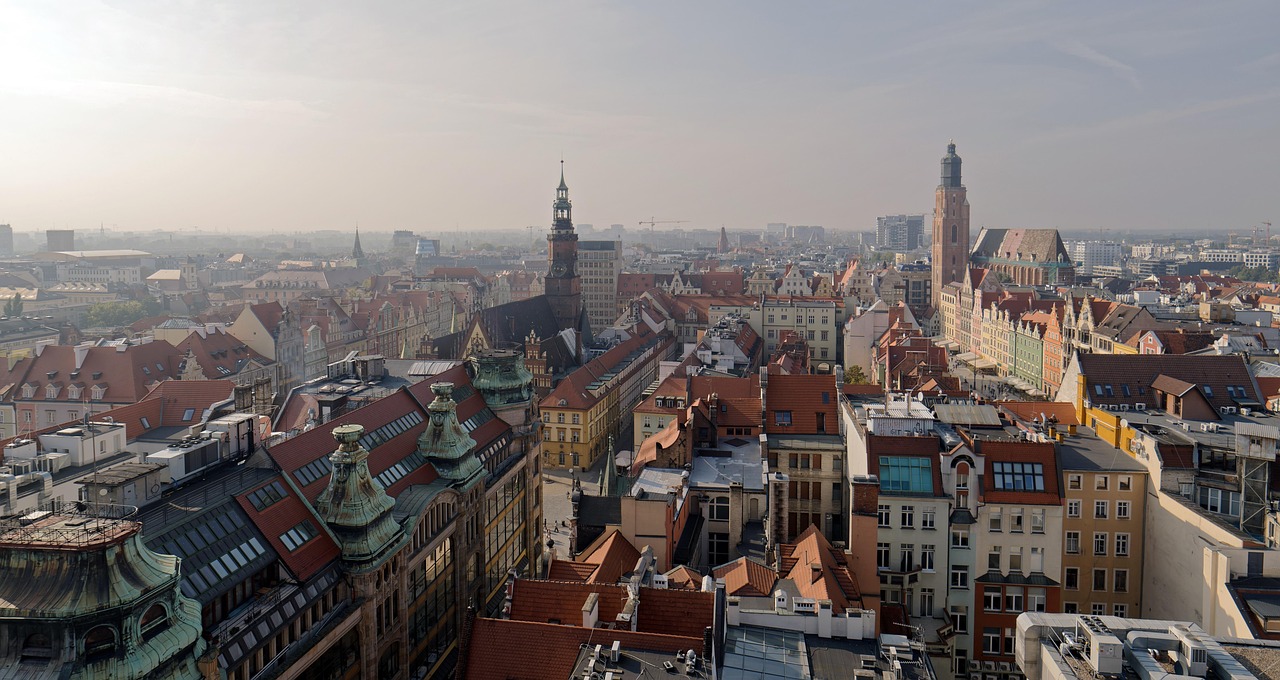
The sun in Alentejo doesn’t just warm the earth; it braises it. It’s a dry, ancient heat that presses down on the whitewashed villages and the cork oaks that stand like patient sentinels over the rolling plains. I remember my first serious trip there, years ago, driving south from Lisbon with the windows down, smelling wild rosemary and eucalyptus giving way to something drier, dustier, more timeless. By the time I reached Évora, the light had turned to liquid gold, pooling in the hollows of the landscape. I was tired, dusty from the road, and looking for a glass of something honest. What I found, in a tiny taberna with a tiled bar and a grinning owner who spoke with his hands, was a carafe of house red.
It wasn’t fancy. It came in a thick, squat glass that felt cool in my hand. But the wine… oh, the wine. It was dark as a bruised plum, smelled of sun-baked garrigue and ripe blackberries, and had a texture like velvet rubbed the wrong way. It was powerful but not clumsy, rustic but deeply soulful. It was, in a word, Alentejo. That glass changed my trajectory. I had been chasing the ethereal, acidic wines of the Douro or the mineral-driven whites of the Atlantic coast. That day, I fell in love with the sun.
Welcome to the 2026 guide to Alentejo red wines, a journey into the heart of Portugal’s most generous, characterful, and, crucially, undervalued wine region. This isn’t about chasing trophy bottles with four-digit price tags. This is about finding that carafe-of-the-gods feeling in a bottle you can afford on a Tuesday night. It’s about understanding why a region that has been making wine since the Romans walked the earth is finally getting the respect it deserves, without the eye-watering inflation that plagues so many other famous wine zones. If you’re looking for the best value in red wine on the planet right now, pull up a chair. You’ve come to the right place.
The Soul of the Plains: What Makes Alentejo, Alentejo?
To understand the wine, you have to understand the land. Alentejo (literally "Beyond the Tagus" river) is vast, covering nearly a third of Portugal. It’s a landscape of rolling hills, dehesa forests of cork and holm oak, and a sense of space that’s almost spiritual. The climate is fiercely continental—bakingly hot summers, cool-ish nights, and very little rain. This is a challenging environment for agriculture, but for the right grape, it’s paradise.
This is what gives Alentejo reds their signature: ripeness and body. The grapes get fully, gloriously sun-drenched. There’s no greenness, no under-ripeness. What you get is a wine that’s unapologetically full-bodied, lush with fruit, and often wrapped in a warm, gentle embrace of oak. For years, critics who favored the leaner, more austere styles of Bordeaux or Burgundy turned their noses up at this sun-drenched generosity. They called it "jammy" or "over-oaked."
But they were missing the point. Alentejo wine isn’t about subtlety. It’s about pleasure. It’s about the joy of the table, the laughter of friends, the perfect pairing with a slow-cooked pork belly. It’s a wine that hugs you, doesn’t just nod at you from across the room. And in 2026, the winemakers have perfected the art of capturing that sun without creating an alcoholic sledgehammer. The focus is on freshness, on balancing that incredible fruit with acidity and structure. It’s the difference between a simple comfort and a sophisticated embrace.
The Grapes: A Cast of Characters
The beauty of Alentejo lies in its blendability. While international varieties like Syrah and Cabernet Sauvignon are planted, the true magic happens with the indigenous grapes. Understanding them is your key to unlocking the region’s character.
Aragonez (aka Tempranillo)
Think of this as the backbone. In Alentejo, Aragonez is often grown on high slopes, where it retains a beautiful acidity and elegance. It brings red fruit flavors—cherry, strawberry, and a hint of leather or tobacco. It’s the graceful dancer in a room of powerful athletes.
Trincadeira
This is the wild heart of Alentejo. It’s a notoriously difficult grape to grow, prone to disease, but when it’s right, it’s sublime. It’s all about aromatics: eucalyptus, mint, wild herbs, and a vibrant, almost electric red fruit. It provides the peppery, spicy lift that keeps Alentejo reds from becoming monolithic.
Alfrocheiro
The colorist. This grape gives the wine its deep, inky purple hue. It adds structure, tannins, and dark berry fruit. It’s a bit more serious, a bit more brooding than its counterparts.
Castelão
Traditionally a coastal grape, it’s making inroads in Alentejo, adding a rustic, earthy character and good acidity. It’s the soil, the terroir whisperer.
Alicante Bouschet
The powerhouse. Don’t let the name fool you; this is a French grape that found its spiritual home in Alentejo. It’s a teinturier, meaning its flesh and juice are red, not white. It produces wines of immense color, tannin, and dark, brooding fruit. It’s the muscle, the deep bass note in the blend.
The magic of Alentejo is that no single grape dominates. A great wine is a symphony, where the Aragonez provides the melody, the Trincadeira the high notes, the Alfrocheiro the depth, and the Alicante Bouschet the power. And the best part? You don’t need to spend a fortune to conduct this orchestra.
The 2026 Buying Guide: Finding Value in the Sun
The Alentejo wine industry has gone through a revolution. In the 1990s and 2000s, the focus was on new oak, high alcohol, and international styles. Today, the conversation is about balance, sustainability, and identity. Winemakers are using more neutral oak, picking grapes a little earlier to preserve acidity, and championing their native grapes. This new wave of finesse, combined with the region’s traditional generosity, is what makes 2026 such an exciting time to buy.
The sweet spot for value is what I call the "premium-supermarket" tier. These are wines priced between $12 and $25. In this bracket, you’ll find wines that over-deliver massively on quality, often outperforming bottles from more famous regions at twice the price. The key is to look for the sub-regions within Alentejo. The cooler, granite-soiled areas like Portalegre, at the foot of the Serra de São Mamede mountain, produce wines with more elegance and acidity. The warmer, clay-based areas in the south, like Reguengos de Monsaraz, produce wines of immense power and depth. A good blend will often pull from these different terroirs to create a complete picture.
And yes, you can absolutely find incredible Alentejo reds for under $20. In fact, that’s where the region truly shines as a value proposition. Forget the $50+ bottles for a moment. The real treasures, the ones that will make your friends ask "where did you get this?" are hiding in plain sight. They are wines of honesty and character, made by families who have been working this land for generations, who see wine not as an investment vehicle, but as a vital part of a good life.
Tasting Notes: A Tour Through the Cellar
Let’s get to the good stuff. I’ve tasted my way through dozens of recent releases to bring you a curated list of Alentejo reds that represent the pinnacle of value and character in 2026. These are the bottles I’m stocking my own cellar with.
The Everyday Champion: Monte Velho Alentejo Red (Herdade do Esporão)
Approximate Price: $12-14
The Story: If Alentejo had a national anthem, this might be its flag. Herdade do Esporão is a giant in the region, but they never rest on their laurels. Monte Velho is their ode to the everyday drinker. It’s a blend of local heroes: Aragonez, Trincadeira, and Alicante Bouschet. The grapes are sourced from their own sustainable vineyards across the region.
Tasting Notes: This wine is pure joy in a glass. On the nose, it’s a basket of ripe red cherries, plums, and a hint of dried rosemary and eucalyptus—the signature scent of the Alentejo hills. On the palate, it’s medium-to-full-bodied, with soft, velvety tannins that make it dangerously easy to drink. The fruit is bright and juicy, with a gentle spice note on the finish. It’s not overly complex, but it’s impeccably balanced and made with a consistency that is truly impressive. I once served this at a barbecue blind, and it outshone a much more expensive Chilean Cabernet. It’s the bottle you grab when you don’t want to think, you just want to be happy.
Best With: Grilled sausages, pizza night, or a simple plate of aged cheese and olives.
The Rustic Storyteller: Herdade da Malhadinha Nova, "M" Alentejo Red
Approximate Price: $16-19
The Story: This is a family-run estate with a heart of gold, located in the beautiful Vidigueira sub-region. They are passionate about biodiversity and organic farming. Their "M" is a blend of Alicante Bouschet and Aragonez, and it’s a wine that truly speaks of its place. It’s a little more serious, a little more thoughtful than the Monte Velho.
Tasting Notes: The color is a deep, opaque ruby. The nose is an intense, complex perfume of blackberry liqueur, licorice, and wet stone, with a savory undertone of cured meat and wild thyme. This is where the Alicante Bouschet shows its power. On the palate, it’s robust and structured, with a grippy tannic framework that promises it will age gracefully for 5-7 years. But it’s not a brute. There’s a surprising freshness running through the core of dark fruit. This is a wine with stories to tell, a wine that evokes the dusty vineyards and the ancient, sun-baked stones of the region. It’s honest, raw, and deeply satisfying.
Best With: Slow-cooked lamb shanks, wild mushroom risotto, or a hearty bean stew.
The Elegant Upstart: Cortes de Cima, "Chaminé" Alentejo Red
Approximate Price: $15-18
The Story: Located in the Vidigueira sub-region, Cortes de Cima is a winery with a Danish-Portuguese soul. They were pioneers of the modern, fresher style in Alentejo. They focus on Syrah and Aragonez, and their vineyards benefit from the cooling Atlantic influence that funnels up through the plains. "Chaminé" is their entry-level red, but it’s made with the precision of a much more expensive wine.
Tasting Notes: This wine is a masterclass in finesse. While many Alentejo reds are about power, Chaminé is about elegance. The nose is incredibly aromatic: violets, black pepper, and bright raspberry. There’s no heavy oak mask here. On the palate, it’s medium-bodied, with a vibrant acidity that makes your mouth water. The tannins are fine-grained and polished. It’s a wine that feels cool and fresh, even as it delivers those classic Alentejo fruit flavors. It’s a perfect bridge for someone who loves Rhône Syrah but wants to explore something new.
Best With: Roasted chicken with herbs, grilled aubergine, or even a spicy chorizo sausage.
The Sommelier's Secret: Herdade do Peso, "Liberty" Alentejo Red
Approximate Price: $22-25
The Story: Part of the massive but quality-focused Esporão group, Herdade do Peso is their more premium, terroir-focused project. The "Liberty" is a fascinating wine. It’s a blend, but it’s also an experiment. They use native yeasts and age the wine in a mix of large oak vats and concrete, which allows the fruit to shine without heavy oak influence. It’s named for the freedom to make a wine that truly reflects the vintage.
Tasting Notes: This is a wine of nuance. The aroma is a complex weave of dark cherry, black olive, and a touch of graphite and baking spice. It has a beautiful savory quality that I find irresistible. The palate is rich and broad, but it’s carried by a line of stony minerality. The tannins are silky and well-integrated. It has the weight you expect from Alentejo, but the sophistication of a much pricier bottle. This is the wine to open when you want to impress a wine-loving friend without breaking the bank. It’s a quiet show-off.
Best With: Duck breast with a cherry sauce, grilled steak, or aged hard cheeses like Serra da Estrela.
The Grapes Up Close: Aragonez vs. Trincadeira
As the long-tail keywords suggest, a big part of the Alentejo conversation is the dance between its two main grapes. Understanding this difference will make you a smarter shopper.
Think of Aragonez as the velvet glove. It grows best on slopes, where it avoids the harshest heat. In the glass, it’s all about elegance. You’ll find notes of redcurrant, cherry, and a lovely, savory dried-herb character. The tannins are generally softer, more supple. It’s the grape that makes Alentejo reds approachable and food-friendly. When you see a wine that emphasizes Aragonez, expect a more refined, polished experience.
Think of Trincadeira as the iron fist. It loves the flat, hot plains. It’s a tough grape that gives wines of incredible perfume and a distinct green, herbal edge. You’ll smell it instantly: mint, eucalyptus, wild thyme, and a sharp, peppery spice. Its tannins can be a bit more rustic and drying. It’s the grape that provides the wild, untamed soul. A wine with high Trincadeira content will be aromatic, spicy, and a bit more challenging in a good way.
The best Alentejo reds don’t choose one over the other. They blend them. The Trincadeira provides the high notes, the aromatic lift, the wildness. The Aragonez provides the melody, the structure, the velvet texture. Together, they create a harmony that is quintessentially Alentejo.
How to Buy, Serve, and Sip Like a Local
So, you’re standing in a wine shop, faced with a wall of Alentejo reds. How do you choose?
Look for the Seal: The "Denominação de Origem Controlada" (DOC) is a good sign of quality, but don’t ignore the "Indicação de Origem" (IPR) or the broader "Vinho Regional Alentejano." Many of the best-value wines fall into these categories, as they offer more blending flexibility to the winemaker.
Check the Alcohol: A balanced Alentejo red will typically be between 13.5% and 14.5% ABV. If you see a wine pushing 15% or higher, it might be overly alcoholic and jammy. Of course, there are exceptions, but it’s a good rule of thumb.
Don’t Fear the Blend: The label might not list the grape varieties. That’s okay. Trust the producer. The wines I’ve recommended are from reputable estates who know how to put the pieces together.
Serving: Do not serve these wines at room temperature, especially if your room is 70°F or warmer. That will make the alcohol and tannins feel harsh. Pop the bottle in the fridge for 15-20 minutes before serving. You want it cool, around 60-65°F (15-18°C). This will lift the aromas and soften the palate. And for the love of all that is holy, pour it into a decent-sized, large-bowled wine glass. These wines need air to open up. Give them a good swirl and let them breathe for 15 minutes in the glass. You’ll be rewarded.
The Future is Bright (and Generous)
The Alentejo I first fell in love with is still there—the sun, the cork trees, the feeling of time moving slowly. But the wines are better than ever. The region is hitting a perfect sweet spot, combining decades of experience with a new, vibrant focus on balance and authenticity. The world is finally catching on, but the prices, for now, remain a delicious secret.
This is your chance to discover what those in the know have been quietly enjoying for years. This is your chance to stock your cellar with wines that are both deeply satisfying and astonishingly affordable. Don’t be intimidated by the long names or the unfamiliar grapes. See them as an invitation to a new adventure.
Go to a good wine shop, find a bottle from this guide, and take it home. Decant it if you can, or just pour a glass and let it sit. Cook something simple and hearty. Put on some music. And as you lift that glass, close your eyes and inhale. That’s the scent of sun-baked earth, of ancient history, of generous hospitality. That’s the smell of Alentejo. And it’s waiting for you, for not a lot of money.