
Sintra to Cascais: Bus vs Train (2026 Guide)
The first time I made this journey, I was a mess of conflicting guidebooks and frayed nerves. I stood on a sun-baked platform in Sintra, the scent of eucalyptus and diesel hanging in the air, looking at the two distinct blue stripes on the horizon. One was the deep, royal blue of the Cascais line train, a rattling artery connecting the mountains to the sea. The other was the brighter, sky-blue of the 1624 bus, a sleek coach promising a more direct route. I had a train ticket in one hand and a bus schedule scribbled on a café napkin in the other. The question wasn't just about logistics; it was about the soul of the journey. Do you want to be swept away by the romance of the rails, or do you want the efficiency of the road?
Six years later, having made this trip more times than I can count—for research, for pleasure, for the simple joy of watching the landscape shift from mystical forest to sun-drenched coast—I can tell you this: there is no single "right" answer. The choice between the train and the bus from Sintra to Cascais is a choice of tempo, perspective, and personality. In 2026, with a few subtle shifts in timetables and a renewed focus on sustainable travel, the debate is more relevant than ever. So, let’s pour a glass of vinho verde, find a quiet corner, and break down this beautiful Portuguese dilemma together.
Part I: The Soul of Sintra – The Art of Leaving
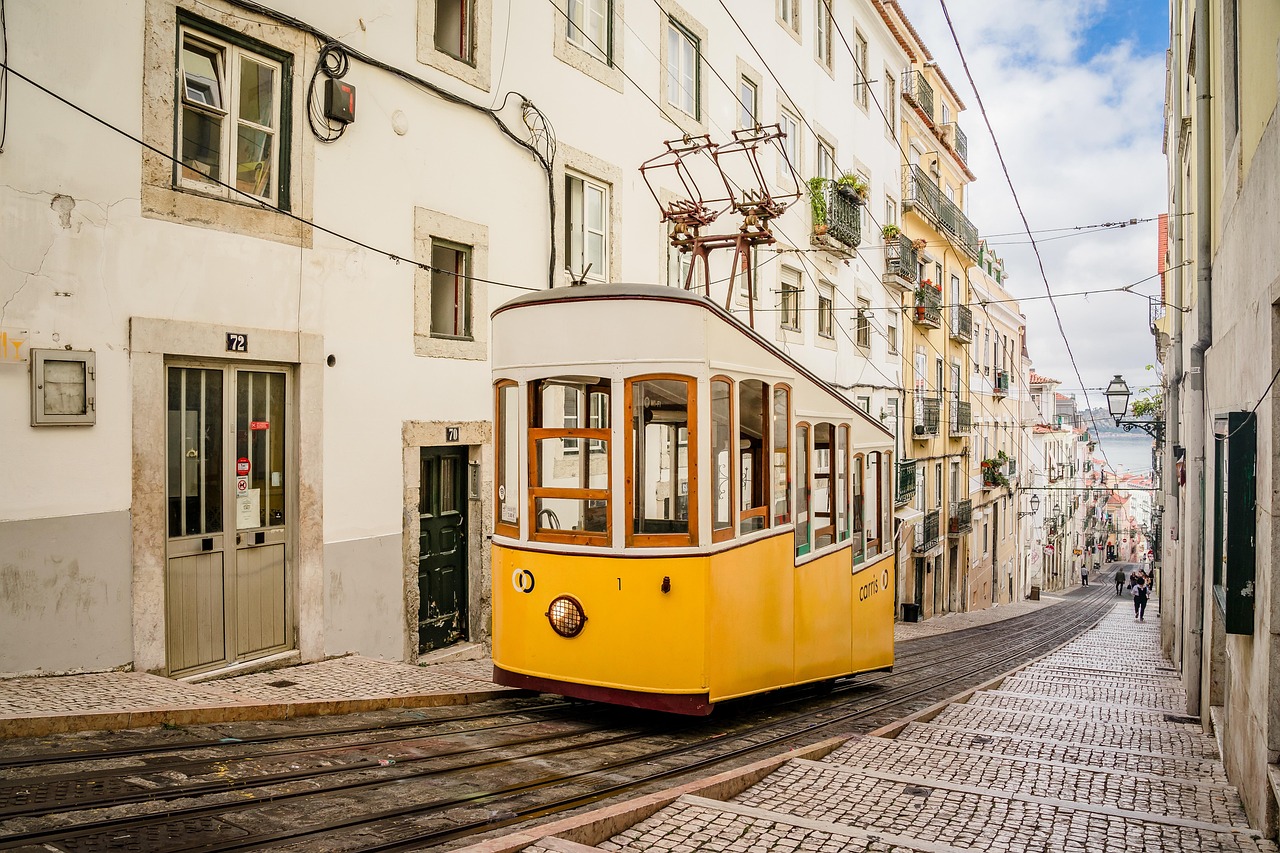
Before you can even contemplate the journey, you have to understand where you’re starting from. Sintra in 2026 is a tale of two cities. By day, it’s a UNESCO-stamped fantasy of Pena Palace’s whimsical turrets and the misty, moss-covered stones of the Quinta da Regaleira. But I’ve always been most captivated by its mornings. Waking up before the tour buses descend, I love to wander the narrow, cobbled lanes of the historic center. The air is cool, thick with the smell of freshly baked bread from a tiny padaria on Rua Consiglieri Pedroso. You can hear the faint clatter of plates as cafés prepare for the day and the murmur of Portuguese from locals heading to work.
This is the Sintra you need to leave behind to truly appreciate Cascais. The journey is a necessary exhale, a release from the fairytale pressure and the crowds. Your starting point is key. The main train station, Sintra - Estação Ferroviária, is a grand, chaotic hub. It’s where the world arrives. The air buzzes with a dozen languages, the hiss of train brakes, and the electronic chirp of ticket barriers. It’s efficient but impersonal. The bus station, however, is a different beast. Located just a short walk away, adjacent to the train station, it feels more grounded, more local. It’s a place of departures rather than arrivals, a functional concrete space where you’ll find commuters and travelers with backpacks, not selfie sticks.
Part II: The Royal Blue – The Cascais Line Train
The train is the classic choice, the one you see on postcards. It’s the romantic’s option. The line itself, operated by Comboios de Portugal (CP), has been updated over the years, but it retains a wonderful vintage character. In 2026, the rolling stock is a mix of modernized carriages and older, sturdy trains. The newer ones are air-conditioned (a godsend in August) with comfortable seats and clear digital displays. The older ones have a charming, slightly worn-in feel, with wooden-look tables and windows you can still crank open to let in the scent of the pine forests.
The Experience
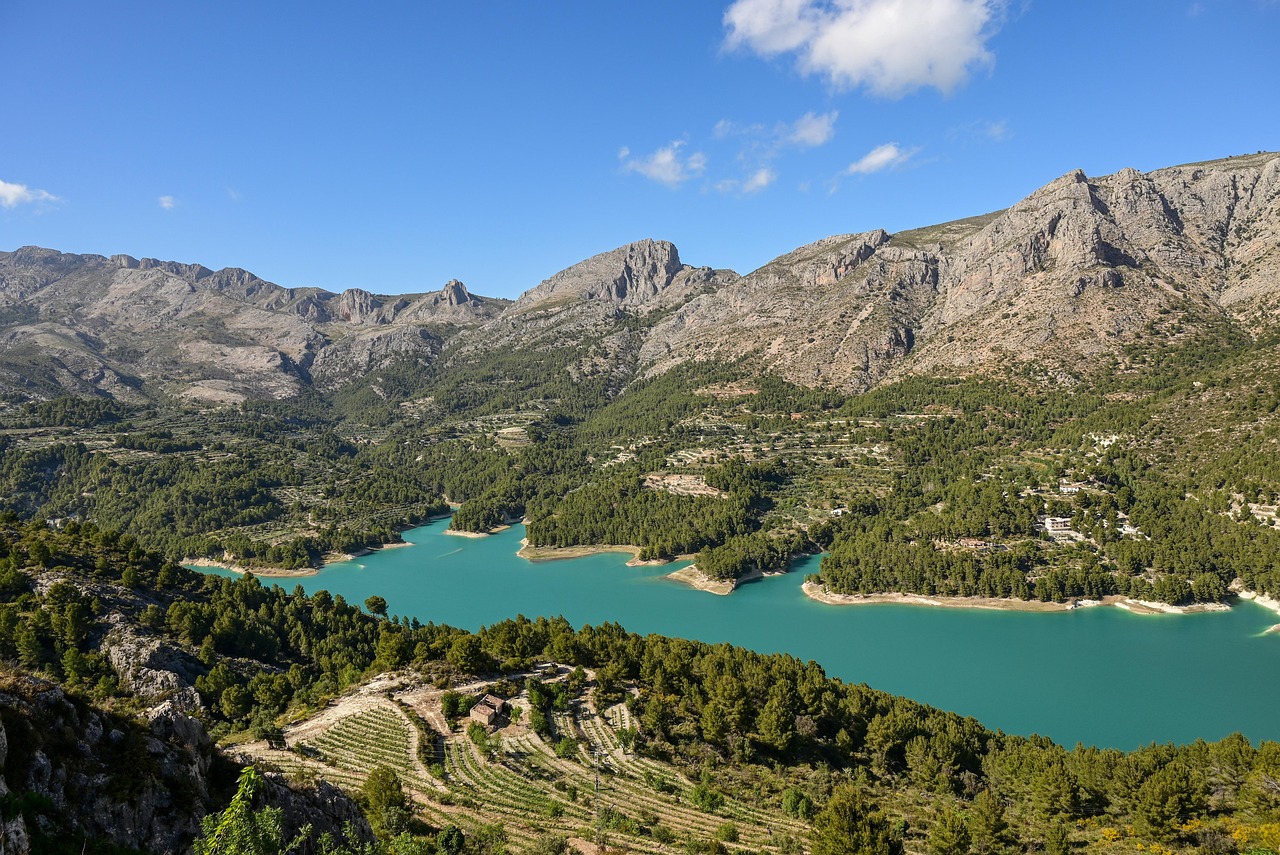
The journey begins with a gentle chug out of the station, past the back of the historic center. For the first twenty minutes, you’re not heading to the coast; you’re diving deeper into the Sintra-Cascais Natural Park. This is the train’s trump card. You’ll glide past dense, almost prehistoric-looking forests of oak and cork oak. Then comes the climb towards the mountain ridge, offering fleeting, breathtaking glimpses of the Moorish Castle far above and, on a clear day, the distant shimmer of the Atlantic. The real magic happens at the highest point, near the Uruguai station stop. From here, the world opens up. You can see the entire coastline unfurling, the white streaks of waves, and the distant shimmer of the Atlantic in the far distance. It’s a panoramic reward for your patience.
The descent is a marvel of engineering. The train winds down the hillside, hugging the cliff edge in places, before leveling out and running alongside the dunes and beaches of Peixe-Lobo and Guincho. You’ll see surfers braving the waves, families building sandcastles, and kite-surfers dancing in the wind. The final leg runs parallel to the road, but you’re separated enough to feel like you’re on a different path.
Practicalities for 2026
- Address: Estação Ferroviária de Sintra, Av. Dr. Miguel Bombarda, 2710-431 Sintra, Portugal.
- Hours: Trains run approximately every 20-30 minutes from early morning (around 6:00 AM) until late (around 1:00 AM). Service is slightly less frequent on weekends and public holidays, so always check the CP website or app for the most current 2026 timetable.
- Duration: The journey takes between 40 and 50 minutes, depending on the specific service.
- Cost: A one-way ticket in 2026 is expected to be around €2.40 - €2.60. You can buy this at the station from a ticket machine (available in English) or at the ticket counter. The "Zapping" card, CP's reloadable payment system, offers a small discount.
- The Vibe: Relaxed, scenic, slightly slower-paced. You can read a book, watch the world go by, and not worry about traffic.
Part III: The Sky Blue Express – The Carris Oeste Bus
If the train is the romantic, the bus is the pragmatist. It’s the choice for those who value directness and speed above all else. The 1624 line, operated by Carris Oeste, is a workhorse. It’s not designed for tourists; it’s designed to connect the communities of the coast. This means it’s a no-frills, get-you-there experience.
The Experience
You board a modern, comfortable coach, usually directly from the bus station adjacent to the train station. The first few minutes are identical to the bus journey from Sintra to any other destination – you navigate the town’s often-congested one-way system. But then, you hit the N9-14 road, and the bus settles into a determined rhythm. Unlike the train, which meanders and climbs, the bus takes a more direct, coastal route. There are no sweeping mountain vistas or panoramic ridge-top views. Instead, you get a glimpse of local life: the outskirts of Sintra, the town of Colares, and then the long, straight stretches of road flanked by pine trees and, eventually, sand dunes.
The final 15 minutes are the bus’s visual payoff. It travels right along the main coastal avenue of Cascais, offering a street-level view of the beaches, the bustling promenade, and the iconic Farol de Guia (lighthouse). You see the town not from a distance, but up close. You feel its energy as you pull into the final stop. It’s less of a grand reveal and more of an immediate immersion.
Practicalities for 2026
- Address: Terminal Rodoviário de Sintra, Largo da Estação, 2710-521 Sintra, Portugal (Note: Buses often depart from bays directly outside the main station building).
- Hours: The bus is generally less frequent than the train, with departures every 40-60 minutes throughout the day. The service typically starts a little later than the train (around 7:00 AM) and ends earlier (around 11:00 PM). Weekend schedules can be more sparse, so planning is essential. The "Moovit" app is excellent for real-time bus tracking in this region.
- Duration: The journey takes between 35 and 45 minutes. While this seems only marginally faster than the train, the key advantage is its point-to-point nature. The bus stops less frequently and doesn't have to contend with the winding mountain approach.
- Cost: A single ticket purchased on board from the driver is expected to be around €2.50 - €2.80 in 2026. It's crucial to have exact change or a reloadable "Viva Viagem" card, as drivers cannot provide change for large notes. Some newer buses may accept contactless bank card payments, but this isn't guaranteed.
- The Vibe: Efficient, direct, functional. It’s a commuter’s choice. You’ll be sharing the ride with locals heading to work, school, or the beach, which has its own authentic charm.
Part IV: The Head-to-Head – A Tale of Two Journeys
Let’s place them side-by-side. Imagine you’re standing at the crossroads.
The Scenic Route:
- Train: Undisputed winner. The views from the Cascais line, especially the section climbing out of Sintra and the subsequent descent to the coast, are among the most beautiful railway journeys in Europe. It’s an event in itself.
- Bus: Offers a more "real world" perspective of the towns and the coastal landscape. It’s pleasant, but it’s a road journey.
The Time Factor:
- Train: 40-50 minutes. The journey is slightly longer, but the time feels well-spent due to the scenery.
- Bus: 35-45 minutes. Marginally faster. The difference is negligible unless you are in a genuine hurry. The bus’s advantage is its directness; you get on, and you get off in the heart of Cascais.
The Wallet:
- Train: Slightly cheaper, especially if you use the Zapping card. The ticket purchasing process is easy and available in multiple languages at the station.
- Bus: Slightly more expensive if paying cash on board. You need to be prepared with the right change or a transport card.
The Comfort & Frequency:
- Train: Runs like clockwork. The frequency means you rarely wait more than 20-30 minutes. There’s more space to move around, toilets on some services, and the freedom to walk between carriages. It feels less confined.
- Bus: Less frequent. A missed bus means a longer wait. It’s a standard coach, so you’re seated and stationary for the journey. It can feel crowded during peak summer holidays or rush hour.
The Arrival Point:
- Train: Sintra station is central but can be chaotic. Cascais station is a 5-10 minute walk from the main beach and town center, but it’s a pleasant walk along the riverfront.
- Bus: The bus terminates right in the center of Cascais, practically on top of the main shopping street and a minute’s walk from the beach. This is a significant advantage if your hotel or final destination is in the heart of town.
Part V: The Verdict – Which One is for YOU?
After all this, you want a simple answer. Here it is.
My personal choice? For a day trip, I almost always take the train there and the bus back. I take the train to get my mountain fix, to drink in that incredible view. I take the bus back when I’m tired, sun-drenched, and salty from the sea, wanting nothing more than to be dropped off as close to my dinner reservation as possible. It’s the best of both worlds. But the real joy of being in this part of Portugal is that neither choice is a bad one. You are choosing between two beautiful ways to traverse a stunning landscape. In 2026, as the world rushes, this short journey remains a perfect, affordable luxury.