
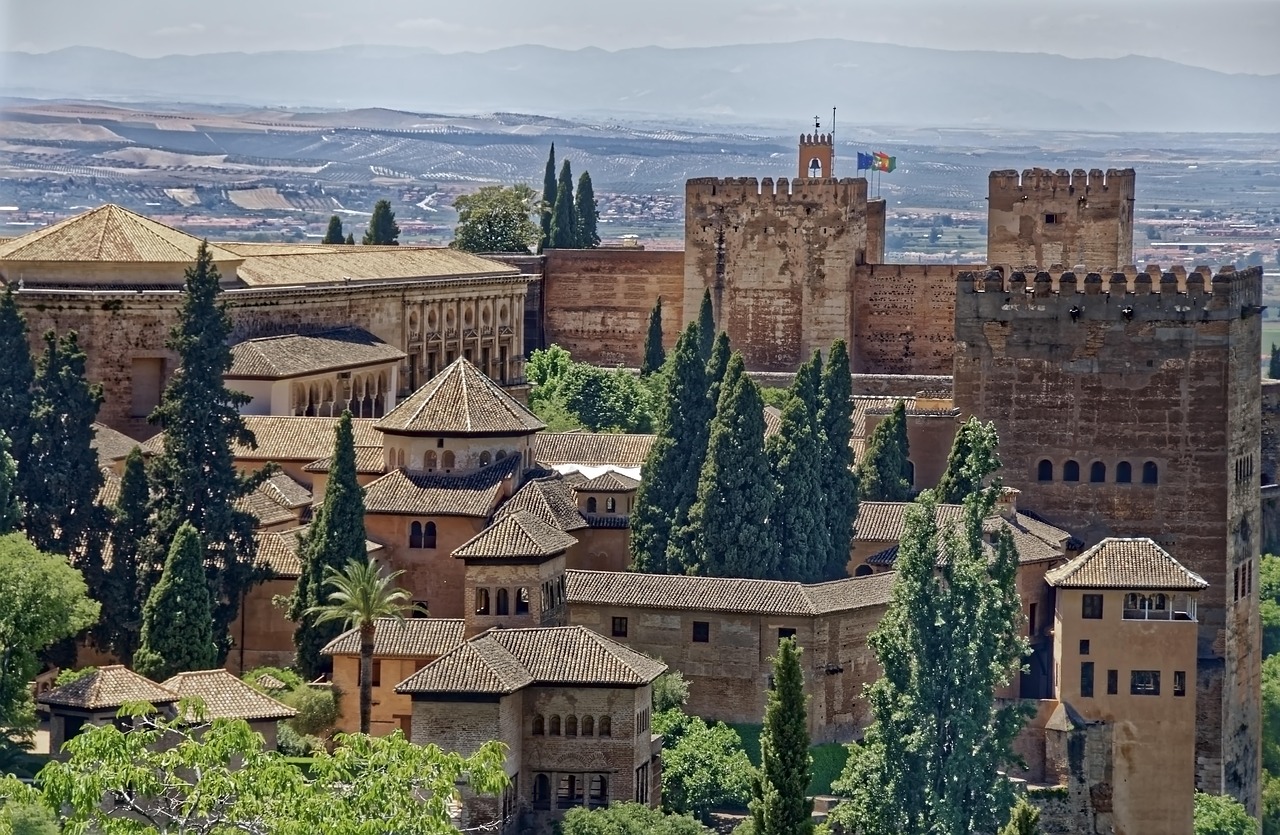

There is a specific kind of exhaustion that comes from trying to "do" Sintra in a single day. I learned this the hard way, years ago, on a blistering August afternoon. I was one of a thousand people shuffling up the hill toward the Pena Palace, sweat stinging my eyes, the pastel yellow and violent pink of the towers feeling less like a fairytale and more like a mirage in the heat. I spent more time in lines than I did looking at walls. I left with a headache, a sunburn, and a vague feeling that I had missed the point entirely.
Sintra, you see, isn't a checklist. It’s a mood. It’s the damp scent of laurel and fern that hits you the moment you step off the train. It’s the way the mist clings to the medieval walls of the Moorish Castle at dawn. It is a place that demands you slow down, breathe, and wander.
When I planned my return trip for this hypothetical 2026 itinerary, the goal was different. The objective wasn't conquest; it was communion. How do you see the "must-sees" without becoming part of the human tide? How do you find the quiet magic that hides in the shadows of the big tourist draws?
The answer lies in two things: strategy and pacing. This is a two-day itinerary designed for the slow traveler. It assumes you are staying overnight (the absolute secret weapon against the crowds). It assumes you value a long coffee over a hurried photo. And it assumes you are willing to trade the midday chaos for the golden quiet of early morning or late afternoon.
Let’s begin.
Day 1: The Moorish Walls and the Ancient Heart
The morning begins not in Sintra, but slightly outside of it. If you are staying in Lisbon (a common mistake), you are already losing the battle against the crowd. The 2026 strategy requires you to wake up inside the mist. I recommend booking a stay at the Tivoli Palácio de Seteais. This 18th-century masterpiece sits high on the hills, offering a vantage point that feels like ownership of the valley.
Tivoli Palácio de Seteais
Hours: Check-in usually 15:00; Check-out 12:00. However, the grounds and bar are accessible to guests early morning.
Why start here? Because at 7:30 AM, the grounds of Seteais are yours alone. The air is crisp, smelling of damp stone and jasmine. There is a frescoed archway leading to a garden that offers a view of the Moorish Castle that is arguably better than the view from the castle itself. I remember standing there, coffee in hand, watching the first rays of sun pierce the cloud cover. It’s silent. It’s regal. It sets a tone of reverence for the day ahead.
From here, we walk. We do not take the Tuk-tuks that buzz like angry hornets. We do not take the bus. We walk the back route to the Castelo dos Mouros (Moorish Castle).
The walk down the winding road toward the entrance of the Moorish Castle is a sensory experience in itself. The vegetation here is prehistoric. Tree ferns block out the sun, and the sound of water dripping from moss is constant. By arriving at the opening time (usually 9:30 AM, but always check current 2026 schedules), you enter a fortress that feels ancient and wild.
Castelo dos Mouros (Moorish Castle)
Hours: Typically 9:30 AM – 6:00 PM (Summer), 10:00 AM – 5:00 PM (Winter).
*Crucial: Buy tickets online in advance for a specific time slot.*
Walking the ramparts of the Moorish Castle is not for the faint of heart. The path is uneven, sometimes steep, a rugged ribbon of stone snaking over the mountain. But the sensation under your feet—the rough, cool limestone that has stood for a millennium—is grounding. When you reach the highest point, the wind whips around you. You look down and see the red tiled roofs of the town. You look up and see the Pena Palace, perched precariously, looking like a hallucination.
But here is the trick: You do not go to Pena Palace next. That is the mistake of the masses. The flow of traffic pushes everyone from the Castle to the Palace immediately. You are going to break the chain.
Instead, descend the castle and head toward the historic center of Sintra. It is now roughly 12:00 PM. The sun is high. The tour buses have arrived. But you are heading to a sanctuary of food and calm.
We are going to lunch at Café Paris.
Café Paris
Hours: Usually 8:30 AM – 7:00 PM.
This place is a time capsule. It smells of roasted coffee beans, toasted bread, and old wood. It is famous for its Travesseiros—pillow-shaped pastries filled with almond cream. They are best eaten warm. I sat there once at a small table by the window, watching the tourists rush by outside, while I slowly savored a Travesseiro that was light as air but rich with flavor. It is a moment of pure, uncomplicated pleasure. Order a bica (espresso) and let the world go by.
After lunch, you have two options depending on your energy levels.
Option A (The History Buff): The National Palace of Sintra.
This is the defining white twin-chimneyed building in the center of the town. It is less "Disney" than Pena and more historically significant. It was a royal residence for centuries.
Palácio Nacional de Sintra
Hours: Typically 9:30 AM – 6:00 PM.
*Note: As per your 2026 requirements, "timed entry" is essential here. Book for 2:00 PM.*
Inside, the Swan Room is breathtaking, but the true magic is the Kitchen. It is massive, cathedral-like, with copper pots hanging like chandeliers. It gives you a sense of the scale of life here in the 15th century.
Option B (The Nature Lover): Quinta da Regaleira.
If the crowds at Pena are your nightmare, Regaleira is your dream. It is an estate of mysticism. It is a mansion surrounded by gardens that hide secrets. The famous Initiation Well—a spiral staircase descending into the earth—is mesmerizing.
Quinta da Regaleira
Hours: Typically 9:30 AM – 6:00 PM (Last entry 5:00 PM).
My advice for 2026? Go here. The crowds are dense, yes, but the gardens are vast. If you stick to the periphery, ignoring the well for a moment, you find grottoes and waterfalls that swallow sound. It feels like a fantasy novel. The air is heavy and cool in the shade of the ancient trees.
By 5:00 PM, the light begins to turn golden. The buses are emptying. This is the time to walk back to your hotel, perhaps taking a detour through the narrow streets of the São Martinho district. This is where the locals live. The laundry is strung between windows. The smell of dinner cooking—garlic and olive oil—wafts out.
For dinner, avoid the tourist traps lining the main square. Walk to the area near the train station or up towards the hills. A solid recommendation for 2026 is Tascantiga.
Tascantiga
Hours: Typically 12:00 PM – 10:30 PM (Closed Sundays).
It serves petiscos (Portuguese tapas). The vibe is lively but not chaotic. Order the Alheira (a game sausage) and the octopus salad. The wine list is affordable and local. It’s a place to debrief, to feel the exhaustion in your legs, and to appreciate the day’s conquests.
Day 2: The Fairytale Palace and the Coastal Escape
The second day is about the icon. It is about the place that draws millions: The Pena Palace. But we are going to conquer it by beating the clock.
Wake up early. I mean it. Be at the gate of the Pena Palace park by 9:00 AM.
Palácio Nacional da Pena
Hours: Park usually opens at 9:00 AM; Palace interiors usually open at 10:00 AM.
The Park of Pena is a botanical masterpiece. It is a UNESCO site in its own right. As you walk up the winding path toward the palace, you are surrounded by trees from around the world. The air smells of damp earth and exotic flowers. Because you are early, you will likely have the "Arco da Vila" (the gate with the statue of St. Christopher) almost to yourself.
When you finally emerge into the courtyard of the Pena Palace, the colors are shocking. The yellow, the red, the blue. It is intentionally excessive, a romanticist fantasy. Inside, the rooms are small, intimate, and filled with azulejos (ceramic tiles).
The trick to enjoying Pena in 2026 is to go against the flow. Most people rush immediately into the palace rooms. Instead, walk the outer terraces first. The view from the Queen's Terrace offers a panorama of the entire Sintra mountains. By the time you enter the palace interiors (usually 10:00 AM), the initial rush of people has dispersed into the park. You can move through the rooms at a leisurely pace.
By 11:30 AM, you are done. You have seen the crown jewel while the rest of the world is still waiting for their Uber.
Now, we leave the mountains.
One of the best ways to keep a trip relaxed is to change the landscape entirely. Sintra is famous for its mountains, but it is also neighbors with the Atlantic. You need the sea breeze to clear your head.
Take a taxi or the bus (the 1624 line) down to the coast. Specifically, to the village of Colares, and further to the beaches of Praia Grande or Praia das Maçãs.
Praia Grande is vast, pounded by surf, backed by cliffs. In the off-season (and even in summer mornings), it is wonderfully empty. The sensation of the cold Atlantic water on your ankles after the humidity of the forest is invigorating.
But for lunch, we head to a place that feels like a secret kept from the rest of Portugal: Raposeira.
Raposeira
Hours: Typically 12:00 PM – 10:00 PM.
This is not a restaurant; it is a living museum of a tavern. It is dimly lit, the walls lined with old barrels and religious iconography. The floor is tiled. The air smells of decades of sardines and wine. This is where the fishermen eat.
Order the Arroz de Marisco (seafood rice). It comes in a massive copper pot, bubbling and steaming, enough for two or three people. It is rich, briny, and comforting. Eating here, surrounded by the history of the sea, provides a connection to the authentic soul of the region that a polished city restaurant cannot offer.
After lunch, take a stroll along the boardwalk at Praia das Maçãs. There are colorful huts on the beach. It’s charming, breezy, and utterly relaxed.
As the afternoon wanes, head back up to Sintra town. For your final evening, you want a dinner that feels celebratory but not stiff. I recommend Apeadeiro.
Apeadeiro
Hours: Typically 12:00 PM – 10:30 PM.
It is a small, unassuming place right near the National Palace. The food is traditional Portuguese comfort food. The Bacalhau à Brás (shredded cod with potatoes and eggs) is perfection. It’s the kind of meal that makes you sleepy in the best possible way.
Logistics and Tips for the "No Crowds" 2026 Traveler
- The Train: The train from Lisbon (Rossio Station) to Sintra takes about 40-50 minutes. Do not drive. The roads are narrow, parking is a nightmare. Buy a round-trip ticket and use the "Comboios de Portugal" app.
- The Circuits: Once in Sintra, use the 434 bus circuit carefully. It’s hop-on-hop-off. However, for this itinerary, you are walking mostly. You only might need it to get down from the Pena Palace to the coast on Day 2.
- Footwear: This is non-negotiable. Sintra is paved with calçada portuguesa—those round cobblestones. They are slippery when wet, and the hills are steep. Wear sturdy shoes with grip. Leave the heels and flip-flops at home.
- Weather: Sintra is a microclimate. It is often 5-7 degrees cooler than Lisbon and prone to sudden fog. Bring layers. A light waterproof jacket is essential even in summer.
- Tickets: The "timed entry" system mentioned in your prompt is the reality of 2026. You cannot wing it. Buy tickets for Pena Palace, Moorish Castle, and National Palace at least two weeks in advance. Print them or have them saved to your phone.
The Philosophy of the Slow Sintra Trip
Why does this itinerary work? Because it respects the geography and the psychology of the place.
Sintra is overwhelming because it tries to be everything at once: a royal summer retreat, a mystical garden, a medieval fortress, a romantic fantasy. By splitting the visit over two days, we separate these identities.
Day 1 is earth and stone. It is the history of the Moors and the Kings, grounded in the town center and the rugged castle walls.
Day 2 is air and water. It is the whimsy of the palace and the refreshing crash of the Atlantic.
By moving against the flow of the standard day-tripper, you reclaim the experience. You aren't just seeing the sights; you are inhabiting them. You have time to notice the way the light filters through the camellias in the Park of Pena. You have the silence to hear the echo of your own footsteps in the ancient kitchen of the National Palace.
I remember standing on the ramparts of the Moorish Castle on that second trip, the wind tugging at my jacket. I looked down at the town, glowing white in the afternoon sun. It was quiet. I could hear birds. I realized that the "Sintra" I had hated before wasn't Sintra at all—it was the noise of the crowd. The real Sintra is a place of deep, resonant quiet. It’s a place that invites you to linger over a pastry, to get lost in a garden, to watch the fog roll in over the mountains.
This 2026 itinerary is your invitation to find that place. It is a map to the silence in the center of the storm. Pack your comfortable shoes, book your tickets, and prepare to fall in love with the mountains all over again.