

There is a particular rhythm to a Portuguese morning, a cadence dictated not by the hands of a clock but by the tides of the ocean and the heat of the sun. Nowhere is this more palpable than in Setúbal. Just an hour’s drive south of the manicured avenues of Lisbon, across the vast, shimmering expanse of the Tagus estuary, lies a city that feels older, saltier, and infinitely more authentic. This is the heart of the Alentejo coast, a place where the scent of grilled sardines hangs in the air like a welcome banner, and the golden light that bathes the rolling vineyards eventually surrenders to the deep blue of the Atlantic.
I have been coming to Setúbal for over a decade, first as a curious traveler escaping the capital, and now as something of a pilgrim returning to a shrine of flavor. It is a city of contrasts: the industrial silhouette of the shipyards looming behind the delicate, white-washed houses of the fishing quarter; the rough, textured bark of the cork oaks in the Serra da Arrábida standing sentinel over the soft, yielding sands of the beaches. But for me, and for anyone who truly loves food, the magnetic pull is always the market.
If you are looking for where to eat fresh seafood in Setúbal market, you must first understand the source. The Mercado de Setúbal is not merely a building; it is a living, breathing organism. It is the city’s pantry, its social club, and its history book, all bound in the smell of the sea.
The Beating Heart: A Guide to the Mercado de Setúbal
Address: Largo do Mercado, 2900-383 Setúbal, Portugal
Hours: Tuesday to Sunday, 06:00 – 14:00 (Closed Mondays. Individual vendors may have slightly different closing times, usually winding down by 13:30).
To understand this place, you have to arrive early. I mean, Lisbon-is-still-sleeping early. Aim for 7:30 AM. The light is still soft, filtering through the high, industrial windows of the main hall, illuminating the sawdust on the floor and the glint of ice on the fishmongers’ slabs. The air is cool and sharp. This is the best time to visit, not just for the lack of crowds, but to witness the transaction of trust that happens here.
This isn't a tourist trap designed for photo ops. It’s a working market. The fishmongers, mostly women with deeply tanned skin and hands that have cleaned a million fish, shout greetings to regulars. They are artists of a sort. Watch how they handle the catch: the flash of a silver knife to gut a sea bass in seconds, the rhythmic thwack-thwack of a cleaver portioning a giant tuna. This is the local tips for visiting Setúbal fish market: watch the locals. See what they are pointing at. See what the grandmother buying for Sunday lunch is haggling over. It’s almost always the dourada (gilt-head bream) or the robalo (sea bass).
The market is split into two main floors. The ground floor is for fish, meat, and the vibrant, chaotic chorus of produce. Here, you will find pyramids of oranges that taste of sunshine, the dark, glossy leaves of coentrão (coriander), and the terrifyingly ugly but delicious percebes (goose barnacles), looking like prehistoric claws clinging to a rock. The upper floor is quieter, dedicated to dried goods, cheeses, and cured meats. You can buy a whole leg of presunto here that would last a family of six for a year.
But you are here for the seafood. Specifically, you are here to eat it. There are two ways to do this. The first is to buy your fish from a vendor like “Peixaria Noé” or “Peixaria do Fino” (ask for the day’s petiscos – the small, fresh delicacies like cuttlefish or prawns), take it to one of the tiny, hidden kitchens that operate within the market building, and have them grill it for you right there. You pay a small fee for the cooking, usually a few euros, and they serve it with boiled potatoes and a salad. This is the most authentic experience, a secret whispered between locals.
However, if you are looking for a more structured meal with a view, you must cross the street.
The Cathedral of Choco Frito: Tasquinha Dom César
Address: Rua dos Mercadores, 23, 2900-343 Setúbal, Portugal
Hours: Tuesday to Sunday, 12:00 – 15:00 and 19:00 – 22:00 (Closed Monday).
If the market is the heart, Tasquinha Dom César is the soul. It sits directly across from the market entrance, a narrow, unassuming storefront that opens into a cave of culinary delight. There is no sign, really, just a blue awning and a menu board that usually just says “Choco Frito.”
Inside, it is cramped, loud, and wonderful. The walls are lined with old photographs, the tables are covered in butcher paper, and the floor is perpetually dusted with flour. This is the place to eat the dish that defines Setúbal: Choco Frito (fried cuttlefish).
But let’s be clear. This is not the calamari rings you find in a tourist bar. This is a masterpiece of texture. The cuttlefish is sliced into strips, tenderized, coated in a simple batter of flour and water (and maybe a splash of beer), and deep-fried until it is impossibly crisp on the outside, yet soft and sweet on the inside. It arrives piled high on a platter, accompanied by lemon wedges and perhaps a side of French fries that seem redundant given the sheer volume of food.
The setúbal local tips for seafood dining here are simple: order a liter of the house red wine, which comes in a ceramic jug. It’s rough, tannic, and perfect for cutting through the richness of the food. And do not be shy. Eating choco frito is a tactile experience. Use your hands. Lick your fingers. It is messy, joyous, and essential. The arroz de choco (cuttlefish rice), stewed in its own ink until black and savory, is another must-order if you are dining with a group.
The View from the Heights: Restaurante A Tasca
Address: Rua da Misericórdia, 32, 2900-343 Setúbal, Portugal
Hours: Daily, 12:30 – 15:00 and 19:30 – 22:30.
After the sensory overload of the market and the boisterous energy of the Tasquinha, you might crave a change of pace. For a setúbal market seafood restaurant with ocean view, you need to walk about ten minutes toward the fishing village of Tróia, where the river meets the sea.
Restaurante A Tasca sits on the waterfront, a modern, airy space with a terrace that offers a panoramic sweep of the Sado River and the Arrábida mountains in the distance. It is family-friendly, but with an elegance that makes it perfect for a sunset dinner. The menu here is less about the frenetic fryer and more about the grill and the stew.
This is where you order the Arroz de Marisco. In Setúbal, this isn't just a risotto; it’s a soupy, briny cauldron of flavor, teeming with clams, mussels, prawns, and crab. The rice absorbs the stock, turning a vibrant orange-red. It is communal, requiring two hands to lift the heavy clay pot. If you are looking for family friendly golden sand beaches Setúbal, you will likely be spending your day at Praia da Figueirinha or Praia do Portinho da Arrábida (more on that soon), and A Tasca is the perfect place to decompress afterward, watching the ferries chug across to the Alentejo coast while the sun dips behind the mountains.
The Golden Sands: Nature’s Masterpiece
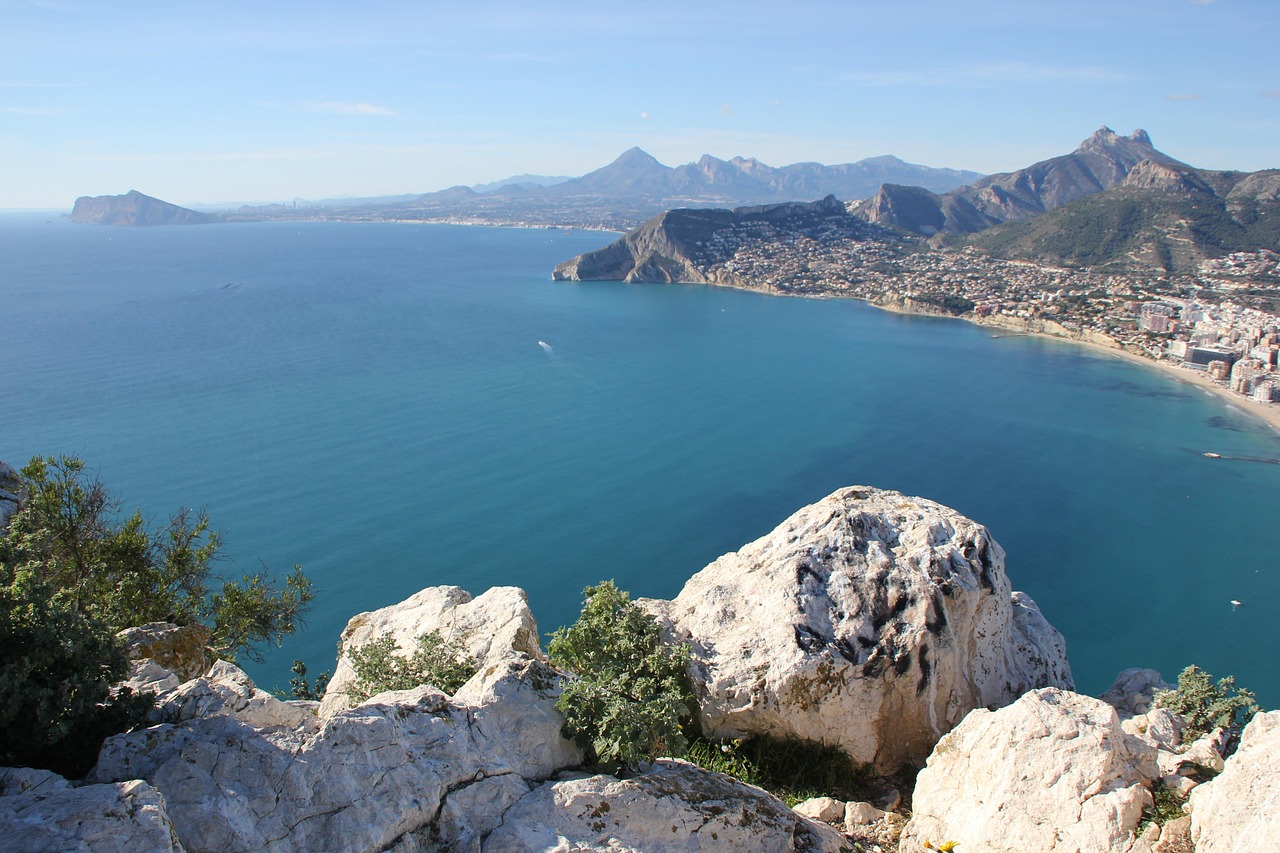
You cannot talk about Setúbal without bowing to the geography. The city sits in a basin, protected by the Serra da Arrábida, a mountain range that plunges dramatically into the sea. This unique topography creates a microclimate and beaches that defy the typical Atlantic experience. The water here is often calm, turquoise, and warmer than the open ocean.
For the best golden sand beaches near Setúbal Portugal, you have to venture just outside the city limits. A rental car is highly recommended, though a taxi or Uber can manage the trip (expect to pay around €25-30 each way from the city center).
Praia da Figueirinha
Address: Access via the N10-1, near the Tróia ferry terminal (follow signs for Arrábida Natural Park).
Hours: Open 24/7, but lifeguard services are typically active from 10:00 to 18:00 during summer months. Parking fills up by 10:30 AM on weekends.
This is arguably the most famous beach in the region, and for good reason. It looks like a Caribbean cove dropped into Europe. A long arc of fine, pale sand is backed by green hills. The water is shallow for a long distance out, making it an absolute paradise for families. The waves are gentle, buffered by the geography of the peninsula.
I remember my first time there. I had expected a rugged, windy beach. Instead, I found water so still it mirrored the sky. I watched a father teach his toddler to swim there, the child squealing with delight as the warm water lapped at their chest. It is commercialized, yes; there are sunbeds and kiosks selling ice cream, but the sheer beauty of the place overrides the crowds. Go on a Tuesday morning in June, and you will feel like you own the world.
Praia do Portinho da Arrábida
Address: End of the road for Praia da Figueirinha, continue on the winding coastal road.
Hours: Open 24/7, lifeguards summer months.
If Figueirinha is the popular older sibling, Portinho is the shy, sophisticated younger one. It is smaller, tucked into the very foot of the mountain. The sand is coarser, mixed with tiny, polished pebbles. The water here is even clearer, a deep emerald green near the shore, turning sapphire blue further out. This is a beach for snorkelers. The rocky outcrops on either side of the bay are teeming with life.
There is a small restaurant at the top of the cliff, O Portinho, with a terrace that overlooks the bay. Eating a simple grilled fish there, looking down at the swimmers floating in the translucent water, is one of the great simple pleasures of the Lisbon coast.
The Hidden Gem: Praia dos Coelhos (Ribeira do Poço)
Address: Near the village of Aldeia de Paio Pires, a 15-minute drive from Setúbal city center.
Hours: Open 24/7. Unsupervised.
For those seeking hidden golden sand beaches near Lisbon Setúbal, you have to dig a little deeper. Praia dos Coelhos is a secret spot on the south bank of the Tagus, before you cross the bridge toward Setúbal. It is reached via a dirt track and a short walk through pine trees.
It is wilder here. The sand is golden and soft, but the beach is narrow, flanked by steep, reddish cliffs. It feels isolated. The water is the color of dark tea, stained by the tannins from the nearby marshlands. It is not a swimming beach in the traditional sense—the current is strong—but it is a place for walking, for solitude, and for watching the ships queue up to enter the port of Lisbon. It’s a reminder that the coast here is untamed, despite the proximity to the city.
A Perfect Day: The Setúbal Beach and Seafood Tour Itinerary
If I were to design the ultimate day here, incorporating all the long-tail desires of a traveler—market, seafood, view, beaches, and tips—it would look like this:
- 07:30 AM: Arrive at Mercado de Setúbal. Grab a bica (espresso) at the small kiosk inside. Wander the fish stalls. Buy a kilo of fresh prawns.
- 09:00 AM: Drive to Praia da Figueirinha. Secure your spot on the sand before the crowds. Swim, read, and soak up the sun.
- 13:00 PM: Head back toward the city. Stop at a pastelaria for a pastel de nata (it won’t be as famous as Belém, but it will be hot and crispy).
- 14:30 PM: Siesta. A necessary Portuguese ritual.
- 19:30 PM: Drive to Restaurante A Tasca for sunset appetizers. Order a bottle of Moscatel de Setúbal, a sweet, fortified wine produced in the region. Watch the sky turn pink over Arrábida.
- 21:00 PM: Dinner at Tasquinha Dom César. Order the Choco Frito. Order the house wine. Order the rice. Laugh loudly.
Best Time to Visit Setúbal Market and Beaches
The best time to visit Setúbal market and beaches is undoubtedly late spring (May/June) or early autumn (September/October). The summer months of July and August are packed. The market becomes a tourist crush rather than a local affair, and the beaches require the patience of a saint to navigate.
In May, the water is brisk but refreshing, and the wildflowers are blooming on the hillsides. In September, the water is at its warmest, and the grape harvest begins in the nearby vineyards, infusing the air with a sweet, fruity scent. The Festa do Mar (Sea Festival) happens in August, a colorful, noisy celebration of the city’s maritime heritage, but it is chaotic.
Final Thoughts on Local Etiquette
There are a few unwritten rules for the savvy traveler in Setúbal. When buying fish, don't touch the merchandise unless invited. Point, ask, and trust the vendor’s judgment on what is best that day. When eating choco frito, do not ask for a knife and fork unless you are physically unable to use your hands; it is a finger food. And when you sit down at a restaurant, be patient. Service is relaxed. It is meant to be lingered over.
Setúbal is a city that rewards the slow traveler. It is a place where the industrial grit and the natural beauty coexist in a fascinating harmony. It is where you can smell the fish being unloaded from the boats in the morning and taste that same fish hours later, charred and seasoned to perfection, with a view of the mountains that sheltered it.
It is a reminder that the best travel experiences aren't always found in the grand museums or the famous monuments. Sometimes, they are found in a pile of fried cuttlefish, on a beach that feels like the edge of the world, or in the smile of a fishmonger holding up the day’s catch. Setúbal is a full sensory immersion, a place to eat with gusto, swim with abandon, and leave with the salt still clinging to your skin.