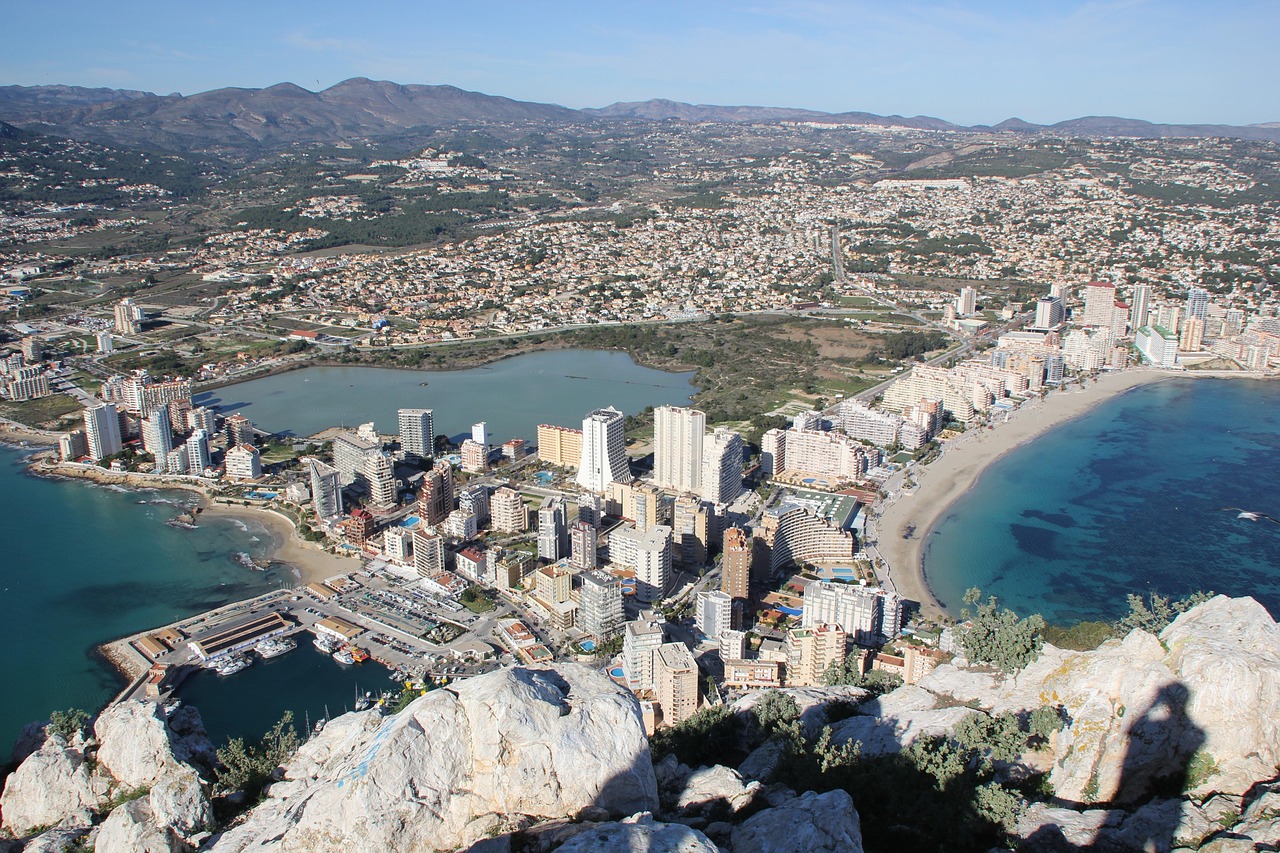

The alarm on my phone chirped a cheerful 6:45 AM, a sound that usually signals the start of a mundane Tuesday. But this wasn't Tuesday. This was a day carved out of time, a day dedicated to the three S’s of Portuguese coastal life: sol (sun), mar (sea), and vinho (wine). I was heading to Setúbal, a city that sits proudly at the mouth of the Sado Estuary, often unfairly overshadowed by its famous neighbor, Lisbon. But for those of us willing to trade the tram bells for the cry of seagulls and the scent of ozone, Setúbal offers a richness that goes far beyond its golden, crispy-skinned choco frito (fried cuttlefish). This is the story of my perfect 2026 day trip, a sensory map for anyone looking to find the wild heart of Portugal’s southern coast.
My journey began, as most Lisbon-centric adventures do, at the Sete Rios bus terminal. While you can certainly drive, there's a unique pleasure in letting the Portuguese roads unravel before you while you stare out the window, a coffee in hand. The Rede Expressos bus is a comfortable, reliable vessel for this pilgrimage. As the urban sprawl of Lisbon gave way to rolling hills dotted with cork oaks, I felt that familiar thrill of escape. The journey takes about an hour, and it’s a perfect time to mentally prepare for the day ahead: dolphins, then wine, then the quiet embrace of a hidden cove.
Part I: The Dance on the Sado
We arrived in Setúbal just before 9:00 AM. The air here tastes different; it’s saltier, heavier, and carries the faint, briny promise of the Atlantic. I had pre-booked my spot for the morning dolphin watching tour. In 2026, this is non-negotiable. The popularity of these tours has surged, and for good reason. We’re not talking about dolphins in a concrete pool here; we are talking about a resident population of bottlenose dolphins that call the Sado Estuary home. This is a wild, protected ecosystem, and seeing them is a privilege, not a guarantee.
I chose a tour with a company that emphasizes education and conservation. My chosen vessel was a smaller, open-sided RIB (Rigid Inflatable Boat), which felt more intimate than the larger, covered boats. We met at the Clube Naval de Setúbal, a charming spot right on the water. Our skipper, a man named Miguel with a sun-weathered face and eyes that crinkled when he smiled, gave us a brief but passionate talk about the estuary’s ecosystem. He explained that the dolphins here have distinct personalities, some are playful, some are shy, and their presence is tied to the estuary’s rich supply of mullet and sole.
As the small boat pulled away from the dock, the city of Setúbal receded, replaced by the imposing, limestone cliffs of the Arrábida Natural Park on one side and the sprawling, softer landscape of the Tróia Peninsula on the other. The water was a deep, shimmering sapphire. For the first twenty minutes, it was just us, the wind, and the spray of the sea. I was starting to think, "Well, it was a beautiful ride regardless," when Miguel suddenly cut the engine.
Silence.
And then, a few hundred meters off the port bow, a sleek, grey arc broke the surface, followed by the powerful fluke of a tail. A collective gasp went through our small group. Then another. And another. A pod of at least six dolphins was moving with us, effortlessly gliding through the water. They weren't performing; they were just being. They surfed the small bow wave our boat created, their movements fluid and impossibly graceful. I saw a smaller one, a calf, staying close to its mother. At one point, one of them looked right at me—or at least, it felt that way. In that moment, you forget the cold wind whipping your face and the dampness of your jacket. You are just a witness to a piece of wild magic. This wasn't an attraction; it was an encounter. The tour lasted about two hours, and we saw the dolphins multiple times, each sighting as thrilling as the first. This is, without a doubt, the single best reason to make the trip to Setúbal. To see wild creatures thriving in their natural habitat is a humbling, profound experience that will stay with you long after the salt has dried on your skin.
Part II: The Amber Nectar of Arrábida
Back on dry land, with the adrenaline of the dolphin encounter still buzzing under my skin, it was time for a different kind of liquid magic: wine. The Sado region, and specifically the Arrábida foothills, is home to a unique and ancient wine-making tradition. This is the land of Moscatel de Setúbal, a fortified wine that is rich, sweet, and complex, with notes of orange peel, honey, and spice. To truly appreciate it, you need to go to the source.
I had arranged for a taxi to take me up into the hills, winding our way along narrow roads that hugged the contours of the mountain. The Arrábida Natural Park is a place of breathtaking, almost surreal beauty. The hills are covered in a blanket of pine and oak, and the coastline is a series of dramatic, white-sand beaches that look more like the Caribbean than Europe. Our destination was a small, family-run adega (winery) tucked away in the hills, a place where tradition is not just a marketing word, but a way of life.
I chose to visit the historic José Maria da Fonseca winery, one of the oldest and most respected in the region. While some of their larger operations are closer to the city, the experience of touring their historic cellars in Azeitão is something special. The moment you step inside, you are hit by the cool, earthy scent of damp stone and aging wine. It’s a perfume that speaks of history. The guide, a woman named Sofia whose family had worked the land for generations, led us through cool, stone-lined corridors. She pointed out the giant wooden barrels, some of which have been in use for over a century, their dark wood stained purple with the ghosts of vintages past.
She explained the process of making Moscatel. The grapes are harvested by hand, and the fortification process is carefully timed to preserve the grape's intense floral and fruity aromas. The wine is then aged for a minimum of two years in oak casks, but some are aged for much, much longer. The result is a liquid that is practically syrup, a dessert wine that needs no dessert to accompany it.
The tasting was held in a rustic courtyard, dappled in sunlight filtering through grapevines. We started with a lighter, drier white wine from the region, a perfect palate cleanser. Then came the main event: the Moscatel. Sofia poured a small amount into a slender glass. The color was a deep, warm amber, almost the color of polished mahogany. I swirled it, and the aroma was intoxicating—dried apricots, orange blossom, and a hint of caramel. The first sip was like liquid sunshine. It was sweet, yes, but balanced by a surprising acidity that kept it from being cloying. It coated my tongue with flavors of fig, candied orange, and a long, nutty finish. We sat there for over an hour, sipping the wine, nibbling on local cheese and toucinho do céu (a heavenly almond and egg yolk sweet), and listening to Sofia’s stories. She spoke of droughts and bountiful harvests, of grandparents who taught her to read the sky for rain. It was more than a wine tasting; it was an immersion into a culture deeply rooted in the land.
Part III: Hidden Beaches and Golden Light
By the time we descended from the hills, the sun was beginning its slow, dramatic descent, casting a golden glow over everything. The heat of the day had softened into a gentle warmth. It was time for the final, essential piece of the Setúbal puzzle: the hidden beaches. While the main beaches of Setúbal, like Praia da Arrábida, are stunning, they can also be busy, especially in the summer. The real magic lies in the small, secluded coves tucked away along the Arrábida coast, accessible only by foot or boat.
My taxi driver, a man who had lived in Setúbal his whole life, recommended I ask the tour boat to drop me off at Figueirinha beach and then walk towards Portinho da Arrábida. While I had already done my dolphin tour, I realized this was the perfect way to cap the day. I found a small water taxi at the Clube Naval that was heading in that direction for a small fee. The ride itself was a treat, offering a different perspective of the cliffs from the water.
I was dropped at Figueirinha, a beautiful, wide beach of soft, pale sand. The water was impossibly clear, a translucent turquoise that looked like it belonged on a postcard. Families were packing up their umbrellas, and the air was filled with the relaxed, happy chatter of a day well spent. But I was on a mission. I followed the rocky path that snakes along the coastline towards Portinho da Arrábida. This is not a difficult hike—maybe 20-30 minutes—but it requires sturdy shoes. The path winds in and out of small coves, each one more secluded than the last.
The landscape here is otherworldly. The white limestone cliffs of Arrábida plunge into the deep blue sea, creating a stark, beautiful contrast. Small, hardy plants cling to the rocks, their green a vibrant shock against the white stone. I stopped at a tiny, unnamed cove, no more than twenty meters long, its sand a mix of fine white grains and tiny, polished pebbles. I kicked off my shoes and waded in. The water was bracingly cold, a jolt to the system that was instantly refreshing. I floated on my back, looking up at the sheer cliff face, and felt a profound sense of peace. There was no music, no chatter, just the gentle lapping of the waves against the shore and the distant cry of a gull.
I continued my walk until I reached Portinho da Arrábida. This is the jewel in the crown. It’s a small, perfectly formed crescent of sand, sheltered by the mountain, with incredibly clear, calm water. It’s a protected area, and you can feel the pristine quality of the environment. By this time, late in the afternoon, most of the crowds had gone. I found a spot on the sand and just watched as the sun began to dip towards the horizon, painting the sky in shades of pink, orange, and a deep, bruised purple. The limestone cliffs began to glow. It was one of those perfect, silent moments that you try to burn into your memory, knowing that photos will never quite do it justice.
Practicalities for Your 2026 Trip:
- Getting There: The bus from Lisbon's Sete Rios terminal is your best bet. Book your ticket online via the Rede Expressos website to secure a spot, especially on weekends. A round-trip ticket will cost around €15-€20.
- Dolphin Tours: In 2026, book your tour at least a few days in advance. Look for smaller, eco-conscious operators who prioritize animal welfare over getting too close. Expect to pay around €40-€50 per person. Dress in layers; it’s always colder on the water.
- Wine Tasting: Many wineries require reservations for tours and tastings. Call or email ahead. Even if you don't speak Portuguese, most places are accustomed to international visitors and will do their best to accommodate you. A typical tour and tasting will cost between €20-€30.
- The Beach Walk: Wear comfortable, sturdy walking shoes. The path between Figueirinha and Portinho is not paved. Bring water and sunscreen, as there is little shade. There is a small fee to access the Arrábida beaches by car, but if you walk or take the water taxi, you can bypass this.
- What to Eat: Don't leave Setúbal without trying the choco frito. It's the local specialty: tender cuttlefish rings in a light, crispy batter. Restaurante Doca Peixe is a classic choice right on the waterfront.
As I boarded the evening bus back to Lisbon, I was physically tired but spiritually recharged. My clothes still smelled faintly of salt and Moscatel. My mind was filled with the image of a dolphin’s eye and the taste of sun-warmed wine. Setúbal is not just a checklist of sights; it’s a feeling. It’s the wildness of the Sado meeting the warmth of the Portuguese sun. It’s a day trip that offers not just a break from the city, but a deep, resonant connection to the natural and culinary soul of this beautiful country. It’s a reminder that the best adventures are often found just a little bit off the beaten path.