Setúbal Beaches 2026: Warm Weather & No Crowds
There is a specific scent to the Portuguese coast that I have spent years trying to bottle. It isn't just the salt, though that is the base note. It is the Arrábida mountain limestone heating in the sun, mixing with the wild rosemary that clings to the cliffs, and underneath it all, the sweet, briny funk of the Sado River estuary where the clams live. It is the smell of summer, but a specific kind of summer—the kind that feels like a secret.
When I first started traveling to Portugal for work and for play, the instinct was always to head west. The Algarve calls to you with its dramatic cliffs and turquoise waters, but by 2023, you could hardly swing a cat on a towel without hitting someone else’s sun umbrella. Then, there is Lisbon itself, a city so vibrant it vibrates. But I learned, through trial and error, through missed turns and dusty detours, that the true soul of the Portuguese summer lies twenty minutes south of the capital, in the golden triangle of the Setúbal Peninsula.
As we look toward 2026, a year that feels both distant and imminent, I find myself evangelizing this region more fiercely. The forecast for the summer of 2026 in Setúbal isn't just about meteorological data—though the data looks glorious. It is about a shift in the tides of travel. It is about finding those pockets of silence where the only percussion is the rhythmic crash of the Atlantic against the sand.
If you are planning a trip to Portugal in 2026 and you want warmth, you want the ocean, and you want to feel like you discovered something ancient and untouched, you need to look south. Here is why Setúbal is the destination of the future, and where you need to be when the sun comes out.
The Weather: A Meteorological Love Letter
Let’s talk about the sun. In Setúbal, the sun feels different. It has a weight to it, a golden heaviness that ripens the grapes on the vine and turns the sand into a mirror. The microclimate here is a marvel. Protected by the Arrábida mountain range—which rises abruptly from the sea, creating a dramatic backdrop that looks like a Swiss alpine village decided to take a dip in the ocean—the region enjoys a climate that is often drier and warmer than Lisbon.
Looking at the long-range climate models for Setúbal beaches 2026 warm weather forecast, the trend is continuing: a classic Mediterranean climate with a maritime kick. We are looking at a summer season that kicks off in earnest in late May and doesn't truly exhale until late September.
In the peak months of July and August 2026, you can expect daily highs to hover comfortably between 28°C and 32°C (82°F - 90°F). But here is the secret: the heat here is dry, tempered by the Atlantic breeze. It is a "walking around" heat, not a "sweating under a ceiling fan" heat.
The evenings are where Setúbal truly shines. As the sun dips behind the mountain, the heat of the day dissipates rapidly. You will find yourself reaching for a light sweater as you sit in the Praça do Bocage, the air cooling to a perfect 20°C (68°F). It is the kind of weather that invites long dinners that stretch into the night, fueled by wine and the chirping of cicadas.
For the beach purist, the water temperature in 2026 is expected to peak in late August and early September, reaching a balmy 21°C to 22°C (70°F - 72°F). That is swimming weather, folks. That is the temperature where you don't just run in and out, but you float on your back and watch the clouds drift over the Arrábida peaks.
The Geography of Solitude: Beating the Crowds
Why am I so confident about the quiet Setúbal beaches no crowds 2026 promise? Because the geography of Setúbal is designed for it.
Most tourists arriving at Lisbon Airport have a magnetic pull toward the west coast or the Algarve. They jam the train to Cascais, they pack the highways to Sintra. Setúbal, sitting south of the Tagus river, requires a conscious decision. You have to cross the river (a beautiful ferry ride or a drive under the river through the tunnel) and head south. That friction, that small barrier to entry, filters out the day-trippers and the casual tourists.
The result? Beaches that feel like private coves.
Let me give you a sense of the geography. You have the ocean beaches facing the full force of the Atlantic, and you have the estuary beaches, tucked into the Sado River, with water as calm as a swimming pool. And in between, you have the geological wonder of the Figueirinha and Mosaic beaches, protected by the Arrábida cliffs.
In 2026, as sustainable travel becomes more of a priority, Setúbal is poised to be the hero. It isn't about mass tourism; it is about "Slow Travel." It is about renting a car and exploring the dirt tracks that lead to the water, or taking a local bus to a village that hasn't changed in fifty years. The crowds aren't coming here yet, not in the numbers that will ruin it. You have a window. Take it.
The Beaches: A Three-Act Play
To truly understand the coastline, you have to break it down into its characters. Each beach in Setúbal has a distinct personality.
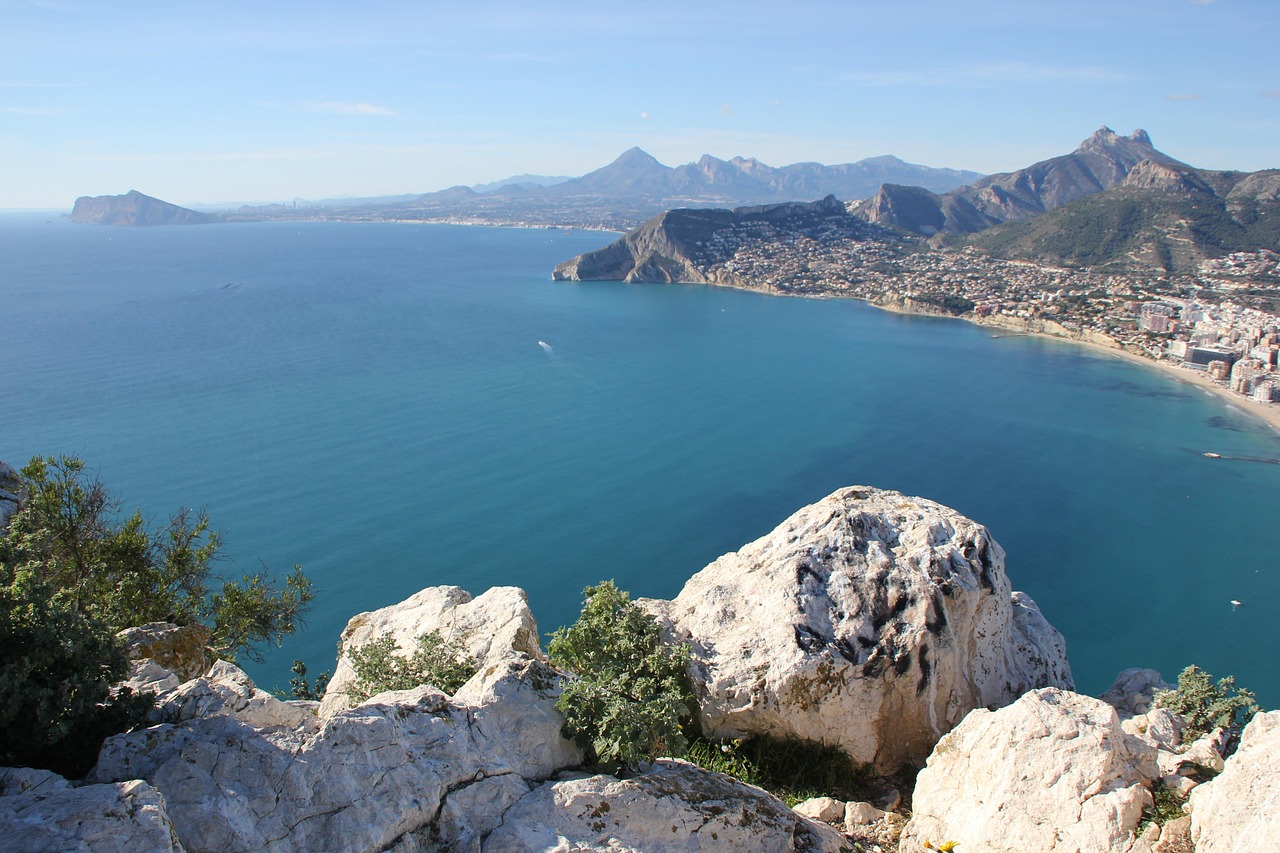
If you only have time for one beach, this is it. I remember the first time I rounded the bend in the road coming down from Arrábida and saw Figueirinha. It stopped me in my tracks. It is a crescent of fine, white sand that looks imported from the Caribbean, lapped by water so turquoise it seems dyed.
But the magic is the backdrop. To the right, the sheer limestone face of the Arrábida mountain plunges almost vertically into the sea. To the left, a rocky outcrop protects the bay. It feels enclosed, safe, yet wild.
Address: Praia da Figueirinha, 2900-751 Setúbal, Portugal.
- Hours: Open 24 hours (best to arrive before 10:00 AM in July/August 2026 to secure a spot, as the parking lot fills with locals).
- The Vibe: Family-friendly, visually stunning, and surprisingly spacious. Even when busy, the sheer size of the bay swallows people up.
- Amenities: There is a seasonal beach bar (the chiringuito) that serves cold beer and grilled calamari. There are restrooms and showers. It’s accessible, making it great for families.
Just a short walk from Figueirinha, following a coastal path, lies Mosaic Beach. It is named for the rock formations on the shore—sedimentary layers of yellow, red, and white rock that have been eroded by the waves into something that looks like a shattered Roman floor.
This is where the water is shallow and warm. I spent an afternoon here in late September, floating in water that barely reached my chest, looking up at the Arrábida monastery high on the hill. It is quieter than Figueirinha. The people here are the ones who have done their research. In 2026, I predict this will be the spot for digital nomads setting up a laptop under an umbrella (if you can get a signal, which is part of the charm).
Address: Praia do Moinho de Baixo, 2900-751 Setúbal, Portugal (located just south of Figueirinha).
- Hours: Open 24 hours.
- The Vibe: Intimate, quiet, naturalistic. Perfect for snorkeling.
- Amenities: None. Bring your own supplies. This is part of the "no crowds" experience—roughing it with a view of paradise.
Technically across the Sado estuary (you take a short ferry from Setúbal city center), Tróia is a world apart. It is a sand spit that stretches for kilometers. On one side, the Atlantic crashes with a roar. On the other, the Sado river is silent, and you can see the dolphins that live in the estuary.
Tróia has high-end resorts, yes, but the beaches are public and vast. The dunes here are towering, shifting landscapes of white sand and marram grass. Walking from the ferry landing to the "Praia do Guincho" (not the one near Cascais, this is the Tróia version) takes you through a landscape that feels like the Sahara meets the sea.
Address: Tróia Peninsula (accessible via Ferry from Setúbal Marina or car via the Grandola road).
- Hours: Ferries run roughly 7:00 AM to 10:00 PM (check Conferência dos Transportes Marítimos for exact 2026 schedules).
- The Vibe: Exclusivity meets nature. It can feel remote and wild.
- Amenities: There is a sophisticated beach club culture here (like "Villa Cascais" at the Troia Design Hotel), but plenty of wild sand for everyone.
This is not a beach for swimming in the deep ocean unless you are a very strong swimmer. It is, however, one of the most unique spots in Europe. The water here is incredibly calm because the mountain protects it. It is more like a giant, natural swimming pool. The water is so clear you can see the pebbles on the bottom from the surface.
The sand here is coarse and mixed with pebbles. It is a spot for purists. You will see people free-diving for octopus and gathering shellfish. It is raw and authentic.
Address: Portinho da Arrábida, 2900-751 Setúbal, Portugal.
- Hours: Open 24 hours.
- The Vibe: Quiet, almost spiritual. A place for contemplation and nature watching.
- Amenities: Very limited. There is a small kiosk at the parking lot, but the beach itself is wild.
Setúbal City: The Heart of the Fish
You cannot talk about the beaches without talking about the city that anchors them. Setúbal is not a resort town; it is a working city. This is its greatest asset.
The waterfront promenade, the "Marginal," is a long, tiled walkway that stretches for miles. In the evenings of 2026, it will be filled with families, joggers, and old men playing cards. The smell of grilling sardines (sardinhas assadas) hangs heavy in the air.
Setúbal is the capital of choco frito (fried cuttlefish). It is a dish that divides opinions—it can be rubbery if done poorly, but when done right, it is the crispiest, most savory squid you will ever eat. I recommend heading to the "Zé da Mota" neighborhood or the "Vila Nova" area to find the local joints.
The city center is a mix of grand 19th-century architecture and narrow, cobbled streets. The Church of Jesus (Igreja de Jesus) is a masterpiece of Manueline style. The Convent of Jesus is a quiet sanctuary. But mostly, Setúbal is about the rhythm of life. The market opens early; the fishermen bring in the catch; the restaurants prep for the lunch rush.
The 2026 Experience: What to Expect
As we move into the mid-2020s, the travel experience in Setúbal is becoming more refined while holding onto its grit. Here is my prediction for the traveler in Setúbal coast sunny holidays 2026:
Sustainability is Key
The Sado estuary is a protected nature reserve. By 2026, expect stricter regulations on boat traffic to protect the resident bottlenose dolphin population. This is a good thing. It means quieter boat tours, more eco-conscious operators, and a focus on observation rather than intrusion.
The Wine Scene
The peninsula of Setúbal is a historic wine region, famous for its fortified Moscatel de Setúbal. But the table wines are improving rapidly. In 2026, look for the resurgence of the "Castelão" grape. Small, family-run adegas (wineries) are opening their doors for tastings that don't require a reservation three months in advance. You can drive into the countryside, smell the cork oaks, and taste a wine that was bottled in the village down the road.
The "Golden Hour" Culture
Because the sun sets behind the mountain, the light in Setúbal around 6:00 PM is spectacular. It turns the city’s yellow and pink buildings into gold. This is the time to be on the Marginal, eating an ice cream from "Gelataria San Carlo," watching the ferry lights blink on across the river.
Practicalities for the 2026 Traveler
Getting there is half the fun. From Lisbon, you take the A2 highway south. It’s a straight shot. Alternatively, the ferry from Terreiro do Paço in Lisbon to Cacilhas, followed by a bus or taxi, is a scenic adventure that avoids the bridge traffic.
Once in Setúbal, the bus system is reliable, but for the beaches, I highly recommend renting a car. The freedom to chase the sun, to stop at a roadside stand selling figs and melons, to turn down a dirt road because it looks interesting—that is the essence of the Setúbal trip.
Accommodation in 2026 will range from the luxury of the Troia Design Hotel to charming, family-run guesthouses (pensões) in the historic center of Setúbal. My advice? Stay in the city. Wake up to the smell of the sea and the bakery next door. Drive to the beach. Eat in the city. Sleep in the city.
The Final Word
Setúbal in 2026 is not a "secret" in the sense that no one knows about it. The locals know. The Portuguese from Lisbon know. But to the wider world, it is still a whisper. It is the place you go to recover from the city, to get the salt on your skin without getting a stranger’s elbow in your ribs.
The weather will be warm. The water will be inviting. And if you go in May, or June, or even late September, you will find that the crowds are nowhere to be seen. You will find a patch of sand, a mountain to shield you, and the timeless rhythm of the Atlantic.
Pack your sunscreen. Bring a book. Leave your watch at home. Setúbal is waiting.