


There is a specific kind of light that hits the Lisbon Coast in the late afternoon of late spring. It isn’t the harsh, bleaching glare of high summer, nor the melancholy grey of winter. It is a liquid gold, thick and slow, that pours over the vineyards of Setúbal and turns the Arrábida mountains into silhouettes of deep purple velvet. I have spent over a decade chasing this light up and down the Iberian Peninsula, but I always find myself circling back to one place where the light seems to linger a little longer, as if reluctant to leave.
That place is Sesimbra.
For too long, Sesimbra has been the sleepy fishing village that tourists drive past on their way to the wine regions or the ferry to Tróia. It is the "almost" destination. But in 2026, as the world continues to seek out experiences that feel authentic rather than curated, Sesimbra is poised to claim its crown. It is the intersection of two primal human desires: the longing for history (the fortress on the hill) and the call of the wild (the ocean below).
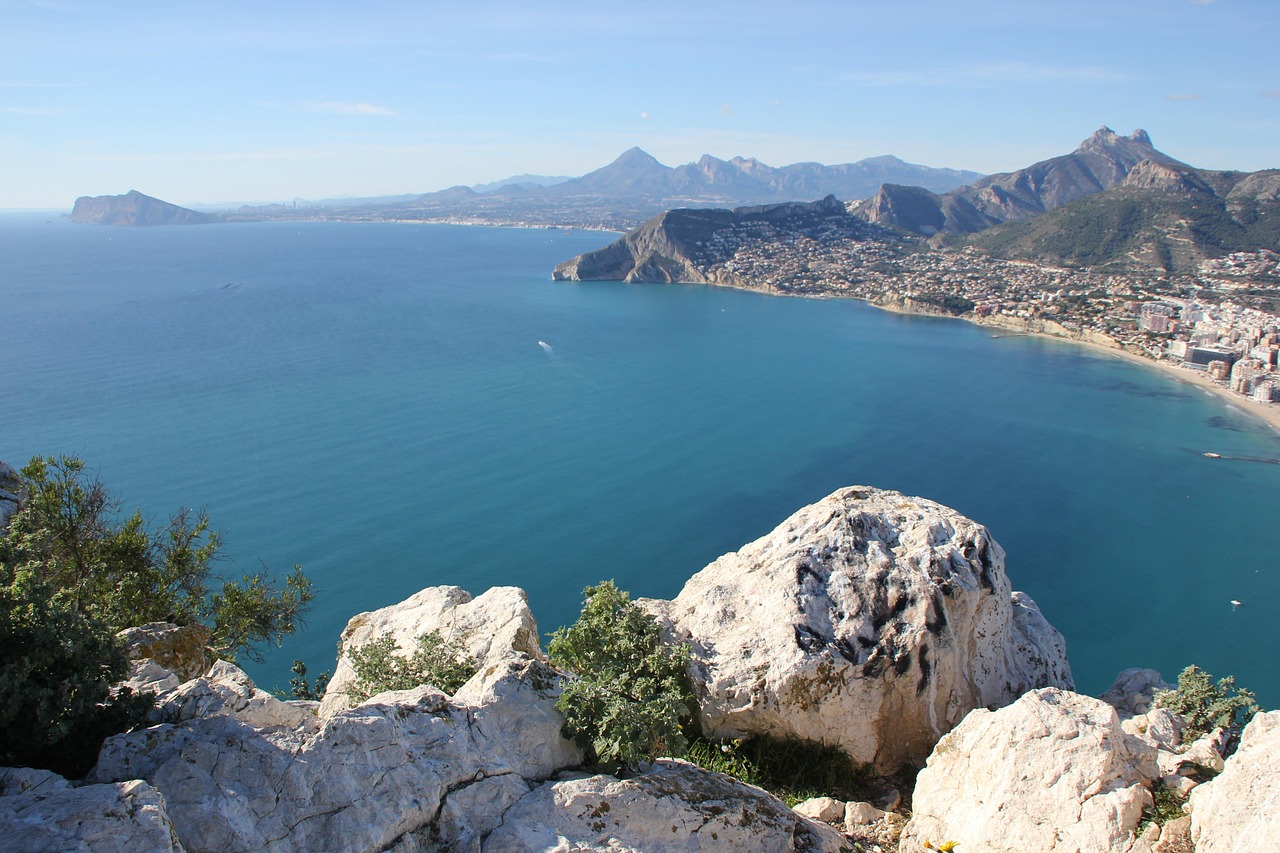
I remember my first time climbing to the Castelo de Sesimbra. My legs were burning from the steep cobblestones, and the air smelled of salt and frying churros. When I reached the ramparts, the view didn't just open up; it exploded. To the north, the Sado Estuary, a shimmering mirror where dolphins play. To the south, the vast, wild Atlantic. And below, the red-tiled roofs of the village huddled around the beach. That moment—standing where Moors and Christians once fought for control, looking out at a horizon that hasn't changed in millennia—is the "why" of this article.
If you are planning a trip to the Lisbon Coast in 2026, do not make the mistake of treating Sesimbra as a mere stopover. It is a destination in its own right. Here is how to experience the best views, the deepest history, and the most delicious bites this legendary corner of Portugal has to offer.
The Ascent: Castelo de Sesimbra (The Moorish Castle)
To understand the views, you must first understand the walls that frame them. The Castelo de Sesimbra, often referred to as the Moorish Castle, is a masterpiece of military architecture that dates back to the 10th century. It sits atop a strategic promontory that has been fortified since the Roman era.
Walking through the gates feels less like entering a museum and more like stepping onto a stage. The castle is not a hollow shell; it is a robust, living structure that has withstood centuries of sieges and sea winds. The restoration work done in recent years has been tasteful, preserving the rugged character of the Almohad fortifications.
The View from the Keep: The highest point of the castle offers a 360-degree panorama that is arguably the finest on the Lisbon Coast. From here, you can trace the geography that made Sesimbra so vital to the Al-Andalus civilization. You see the protective curve of the bay that sheltered Ulysses’ fleet (or so the legend goes) and the imposing wall of the Arrábida Natural Park that traps the heat and creates a unique microclimate.
I recommend visiting just before sunset. The shadows of the crenellations stretch long across the courtyard, and the church inside the walls—the Church of Santa Maria—glows with a soft, buttery light. It is quiet up there, save for the wind and the distant cry of gulls. It is a place for contemplation.
Practical Information:
- Address: Rua Dr. José A. Almada, 2970-611 Sesimbra, Portugal
- Hours: Typically open daily from 10:00 AM to 6:00 PM (hours may extend during summer months in 2026). Closed on Mondays during the off-season.
- Entrance Fee: There is usually a nominal fee (around €3-€5), but keep an eye out for the "Sunday for Residents" initiative which often waives fees for locals and sometimes tourists.
The Descent: Praia do Outeiro da Cova and the Beach Life
Once you have communed with the ghosts of the past, the 2026 traveler must commune with the sea. Sesimbra is unique because it manages to be both a rugged adventure spot and a lazy beach town.
Directly below the castle lies Praia do Outeiro da Cova. This is the town beach. It is a small, crescent-shaped slice of sand tucked into the cliffs. It is charming, sheltered, and perfect for a quick dip while your partner runs up to the castle. However, for the true beach experience, you need to walk ten minutes south to the magnificent Praia da California.
Why "California"? The name is a holdover from the late 19th century when a Portuguese aristocrat, fascinated by the American West, tried to turn this stretch of coast into a health resort. The grand hotel never fully materialized, but the name stuck, and the beach remains wild and stunning.
The water here is cold—this is the Atlantic, after all—but it is crystal clear. In the summer of 2026, expect this beach to be busy with families and surfers. The waves here are reliable, making it a hotspot for beginners looking to catch their first ride. If you prefer something more secluded, keep walking past the rocky outcrops to find hidden coves where you might be the only person for miles.
Practical Information (Praia da California):
- Address: Estrada Nacional 378, Sesimbra, Portugal (Access via the promenade from the main town).
- Hours: Accessible 24/7.
- Facilities: There are seasonal beach bars (barracas) and lifeguard services during peak season (June-September).
A Sensory Feast: Dining with a View
You cannot visit the Lisbon Coast without eating well, and Sesimbra is a culinary powerhouse. The village is famous for its marisqueiras (seafood restaurants), but not all are created equal. You want the view, the freshness, and the atmosphere.
Restaurante O Túnel
This is a local favorite, tucked away but offering a view that rivals the castle's. Located right on the waterfront, O Túnel is unpretentious and loud in the best way possible. It is famous for its seafood rice (arroz de marisco), a dish that arrives bubbling in a copper pan, overflowing with clams, crab, prawns, and lobster. It is messy, communal, and deeply satisfying.
- Address: Av. Dr. Francisco Sá Carneiro, 2970-618 Sesimbra, Portugal
- Hours: 12:00 PM – 10:00 PM (Closed Mondays)
- The Experience: Request a table by the window. Watch the fishing boats bob in the harbor while you crack open a crab claw. The service is fast, the wine is cold, and the atmosphere is pure, unadulterated Portuguese joy.
Tasca do Rio
For something more intimate, head to Tasca do Rio. It’s a tiny place, often with a line out the door. They don't take reservations, so you have to be patient. But the food is worth it. They specialize in fresh fish grilled over charcoal. The octopus salad is a revelation—tender, dressed simply with olive oil and vinegar, and served with boiled potatoes.
- Address: Rua do Rio 13, 2970-544 Sesimbra, Portugal
- Hours: 12:00 PM – 3:30 PM, 7:00 PM – 10:30 PM
- The Experience: This is where you go to feel like a local. There is no view of the ocean here, but the view of the kitchen, the passion of the chefs, and the conviviality of the packed room is just as captivating.
The 2026 Traveler’s Guide: Logistics and Tips
To make the most of your trip in 2026, a little planning goes a long way. Sesimbra is accessible, but it rewards those who dig a little deeper.
Getting There and Parking: Sesimbra is about a 45-minute to 1-hour drive from Lisbon. The roads are good, winding through the Azeitão wine region. The challenge is parking. The streets near the castle and beach are narrow and steep.
- Pro Tip: Do not try to park on Rua dos Mercadores near the beach. Instead, look for the large free parking lot near the Bus Station (Terminal Rodoviário) on Av. Dr. Francisco Sá Carneiro. It’s a 10-minute walk to the center, and it saves you the stress of navigating the tight alleys.
Where to Stay: If you want to wake up to the view you came for, you need to choose accommodation wisely. In 2026, the boutique hotel scene is growing.
- Hotel Vila Galé Sesimbra: This is your best bet for a guaranteed view and luxury. It sits right on the waterfront, offering rooms that look out over the bay. It has a pool, a spa, and easy access to the beach promenade.
- Airbnb/Casa de Campo: For a more rural experience, look for "quintas" (farmhouses) on the road toward Arrábida. You get the silence of the countryside but are only a 5-minute drive from the beach.
The Dolphin Factor: One of the unique aspects of the Sado Estuary is its resident population of bottlenose dolphins. In 2026, eco-tourism is strictly regulated to protect them, but you can still take boat tours.
- Recommendation: Book a morning tour with a reputable operator like "Sado Adventure." The best time to see them is early morning when the water is calm. Seeing a dolphin breach with the castle in the background is a memory that will stay with you forever.
A Three-Day Itinerary for the Perfect View
If you have the time, don't rush. Here is how I would spend three days in Sesimbra to soak up the views.
Day 1: The History and the Harbor
- Morning: Arrive in Sesimbra, drop bags, and head straight for the Castelo de Sesimbra. Beat the crowds.
- Lunch: O Túnel for seafood rice.
- Afternoon: Walk down to Praia do Outeiro da Cova. Rent a paddleboard or just dip your toes in the water. Walk the promenade.
- Evening: Sunset drinks at a rooftop bar (many hotels have them) followed by dinner at a local tascas.
Day 2: Nature and The Wild Coast
- Morning: Drive to Praia da California. Spend the morning swimming and hiking the coastal trails toward the Arrábida foothills.
- Lunch: Picnic on the beach or head to a seafood shack on the dirt road behind the beach (look for "Chiringuito" signs).
- Afternoon: Drive up to the Miradouro da Arrábida (just 15 mins away). This is the "other" view—the view of Sesimbra from the mountains. It is breathtaking.
- Evening: Dinner at Tasca do Rio. Slow, simple, perfect.
Day 3: The Sado and The Wine
- Morning: Take a dolphin watching boat tour from the marina.
- Lunch: Head inland to Azeitão, 10 minutes away. Try the local specialties: Torta de Azeitão (a sweet, dense pastry) and Porco Preto (black pork).
- Afternoon: Visit a winery like José Maria da Fonseca for a tasting. The views of the vineyards with the distant sea are a different kind of beauty.
- Evening: One last sunset at the castle ramparts before departing.
Why 2026 is the Year
Sesimbra is at a tipping point. It retains its soul, its fishing boats still head out at dawn, and the old men still play cards in the square. But the world is discovering it. The infrastructure is improving, the restaurants are getting more creative, and the appreciation for the natural beauty of the Arrábida is growing.
In 2026, go for the view. Go for the history. Go for the seafood. But mostly, go for the feeling of standing on the edge of a castle wall, the wind in your hair, looking out at a horizon that holds the promise of adventure. It is the best view on the Lisbon Coast, and it is waiting for you.