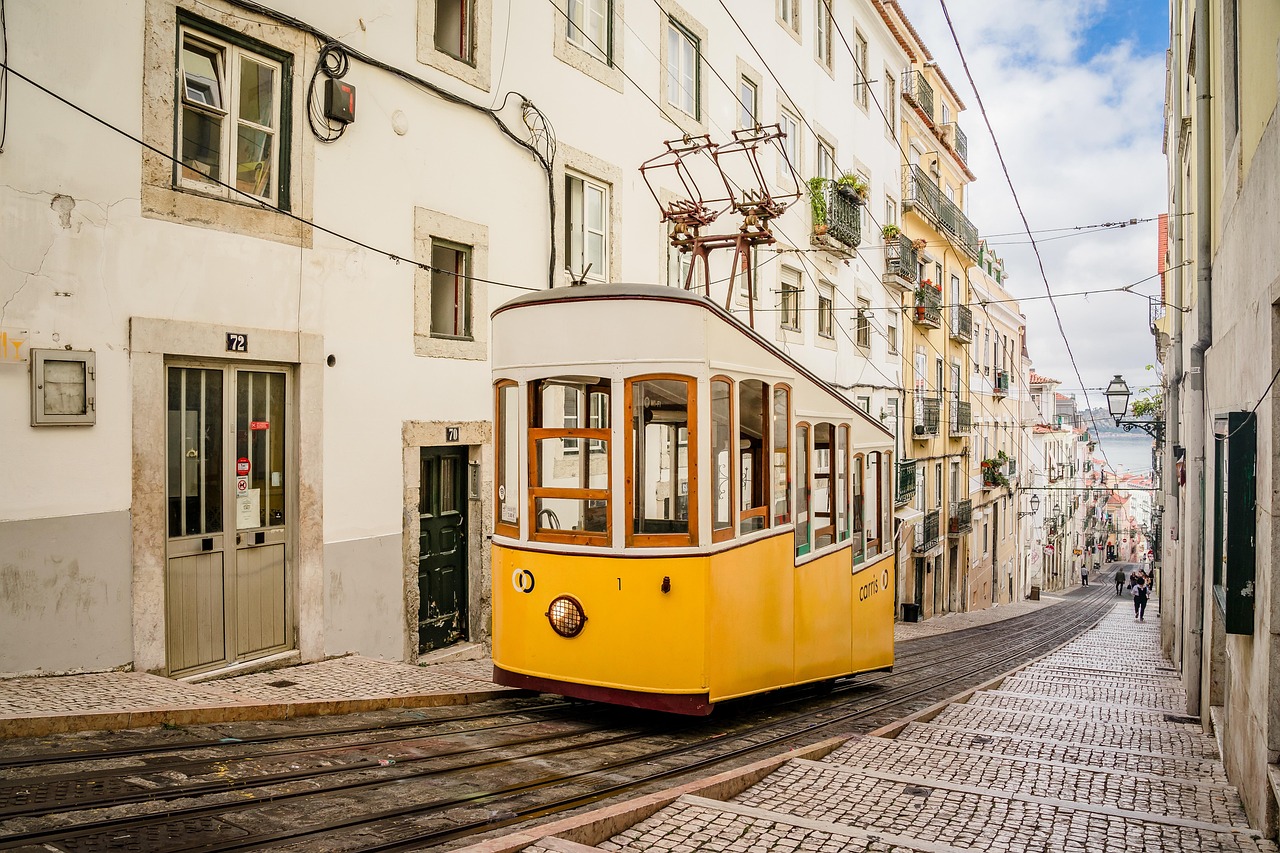

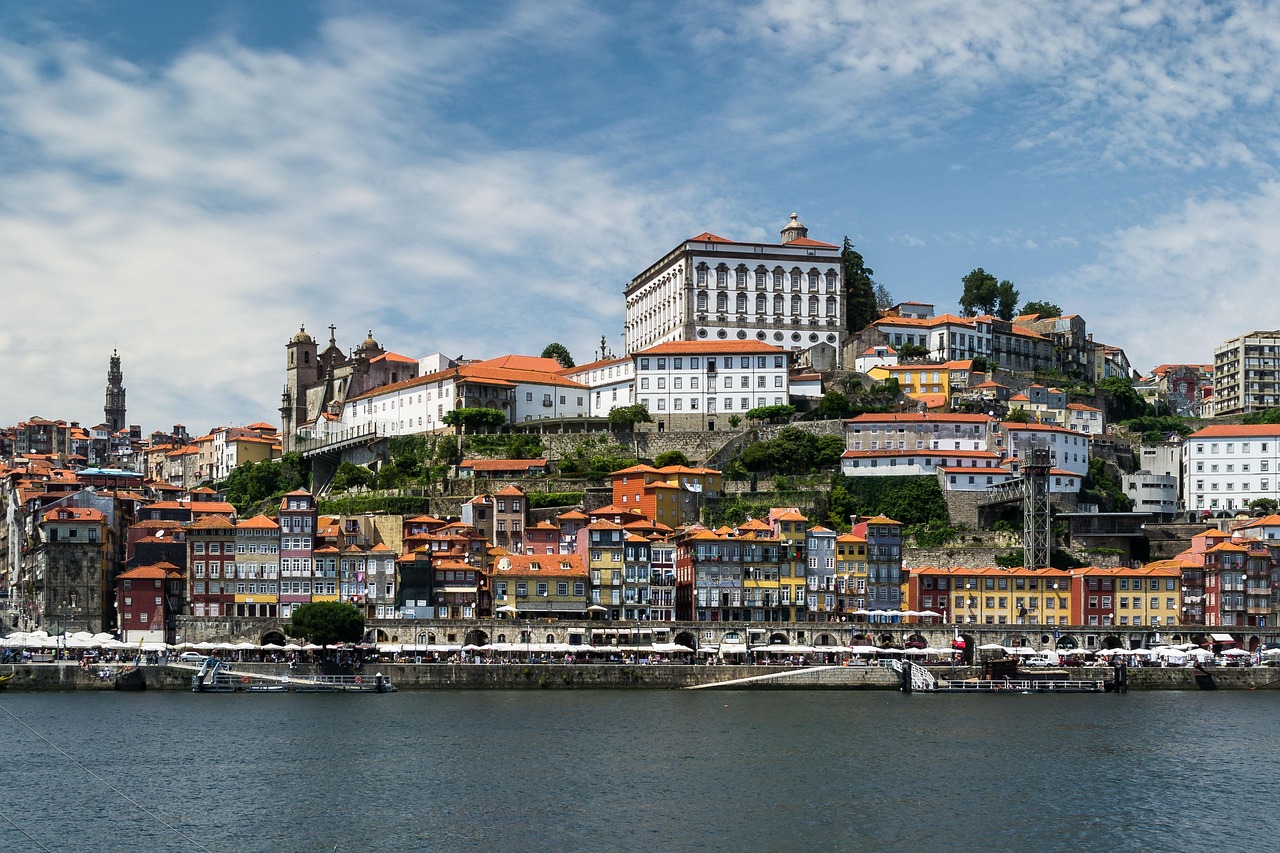
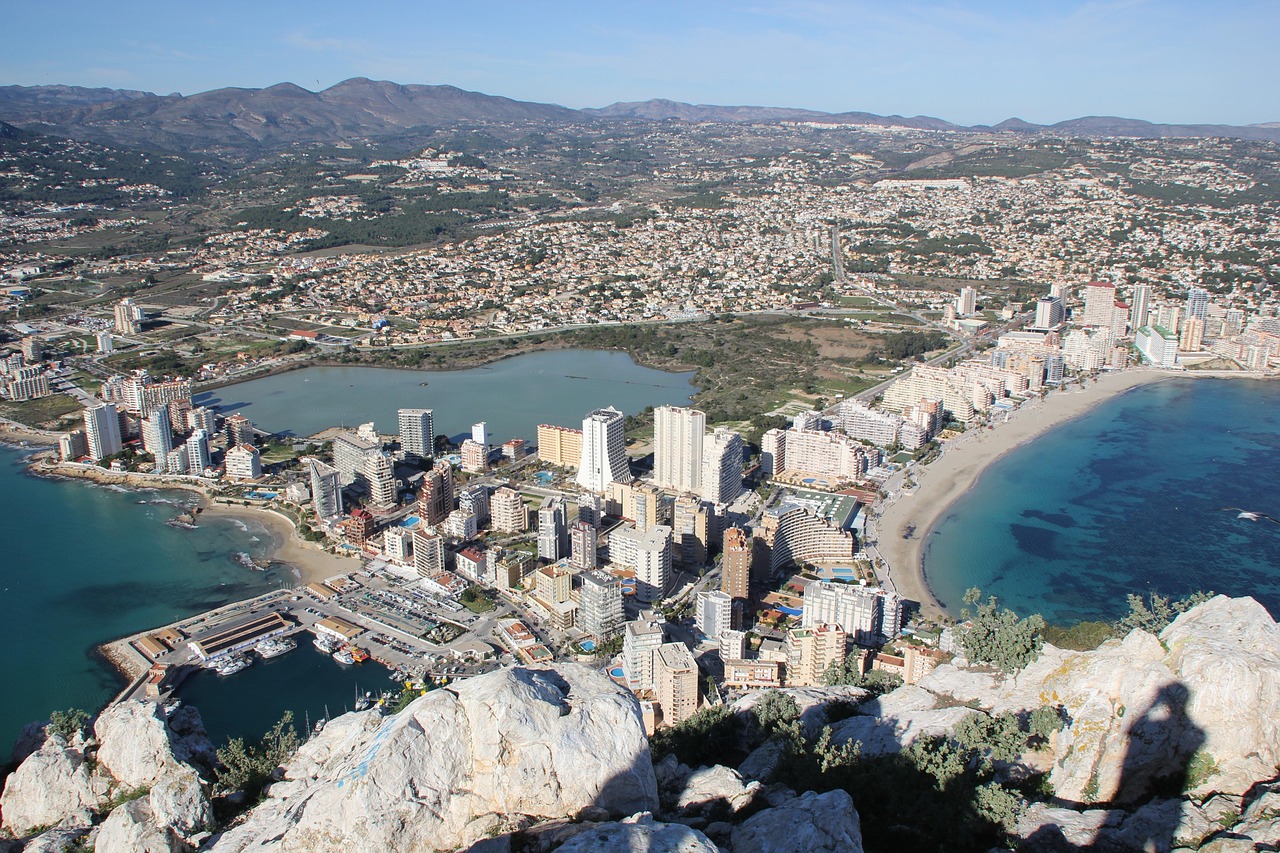
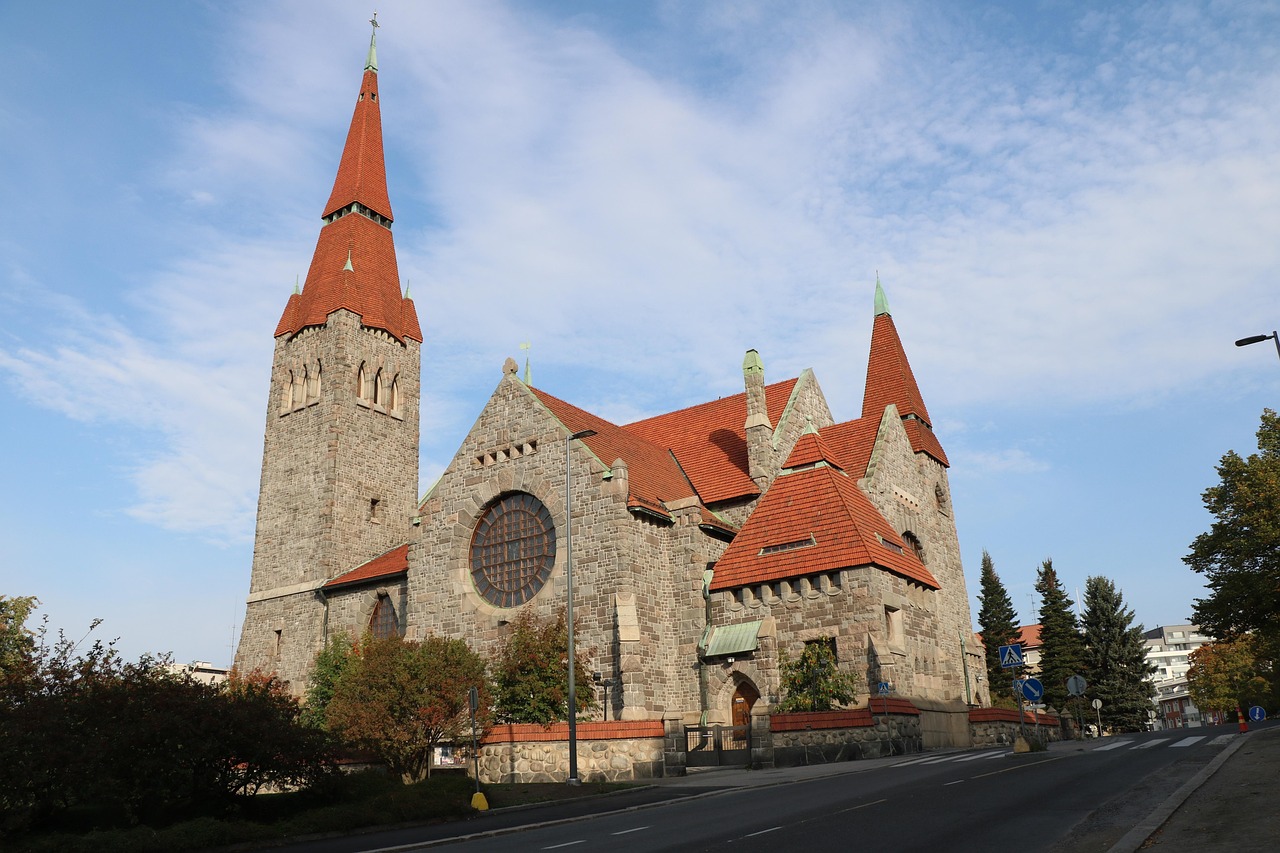
There is a specific magic to the rhythm of a Portuguese train on a cool spring morning. It’s a sound that settles deep in your chest: the low hum of the electric engine, the gentle clatter of wheels over old iron, and the visual metronome of olive groves flashing past the window. When you live in Lisbon, or even just visit for a week, the city feels like the center of the universe. But it can also be overwhelming—the cobblestones, the hills, the sheer energy of 2026.
That’s why I’ve spent the last decade chasing the horizon line. I’ve learned that the best way to reset your soul is to buy a simple paper ticket at the green and yellow CP kiosks, fold a map into my pocket, and head north, south, or east. The Portuguese railway system is a time machine, connecting the bustling capital to the quiet, soulful heart of the country.
For 2026, the network is better than ever. High-speed corridors are expanding, but it’s the regional lines—the ones that slow down to let a heron take off from a rice paddy—that hold the real secrets. This isn't just a list of places to go; it's an invitation to see the Portugal that exists between the stations. These are my top seven scenic train day trips from Lisbon, focusing on hidden gems, quiet towns, and scenic tracks that bypass the overcrowded tourist traps.
Grab a window seat, buy a "Série Turística" card if you’re staying a while, and let’s ride the rails.
1. Sintra: The "Secret" Approach to the Crown Jewel
The Vibe: Misty mountains, fairy-tale palaces, and the distinct smell of damp laurel forests.
Let’s start with the elephant in the room. Calling Sintra a "hidden gem" feels like calling the Atlantic Ocean "damp." Sintra is the most popular day trip from Lisbon, and in 2026, the crowds at the Pena Palace are thicker than a winter caldo verde. However, I am including Sintra here because there is a way to do it that feels exclusive, mysterious, and deeply rewarding, and it relies entirely on the train.
Most travelers take the suburban train from Rossio Station and immediately queue for the 434 tourist bus. Don’t do that. Here is the secret: take the early train (aim for the 8:02 AM departure) and get off at Portela de Sintra, not the final stop. This station is quieter. From here, walk twenty minutes uphill through the vila of Sintra. Ignore the tacky souvenir shops and head for the Convento dos Capuchos. This is the "hidden" palace. It’s a humble 16th-century Franciscan monastery built into the granite boulders, lined with cork. It feels like a hobbit’s house—quiet, earthy, and infinitely more atmospheric than the crowds at the Moorish Castle.
Afterward, use the local 1634 bus (or a healthy hike) to reach the Palace of Monserrate. This is the romantic estate that Lord Byron loved. The oscillating gardens, the Indo-Mudéjar architecture, and the silence here are profound. It’s the botanical garden that time forgot.
• Departure Station: Rossio Station, 1250-131 Lisboa (Central Lisbon).
• Operating Hours: Trains run daily from approx. 6:00 AM to 1:00 AM. Frequency is every 20–30 minutes.
• Travel Time: Approx. 40–50 minutes.
• Ticket Cost: €2.25 one-way using the Viva Viagem card (Zapping mode).
• Hidden Gem Location: Convento dos Capuchos, Estrada da Capuchos, 2705-211 Sintra. Open 10:00 AM – 6:00 PM (Winter) / 8:00 PM (Summer).
• Tip: The walk from Portela de Sintra station to the Convento is steep but beautiful. Wear proper shoes, not flip-flops.
2. Cascais: The Fisherman’s Route (Beyond the Marina)
The Vibe: Salt-sprayed promenades, rugged cliffs, and the ghost of fishing nets drying in the sun.
The Cascais line is the oldest railway line in Portugal, opened in 1889, and it is a beauty. While millions ride this line every year to hit the beach, the "hidden" aspect of Cascais lies in the transition from urban sprawl to the wild coast, and in the destination itself if you know where to walk.
I love sitting on the right side of the train leaving Cais do Sodré for the views of the Tagus estuary. But the real magic happens when you arrive. Don’t linger by the casino. Instead, turn left out of the station and walk along the Marginal road toward Boca do Inferno (Hell’s Mouth). It’s a 20-minute walk that takes you past the beautiful Villa Cascais (a former royal summer residence) and ends at a dramatic chasm where the Atlantic crashes into limestone cliffs. It’s windy, it’s wild, and it’s spectacular.
For 2026, I recommend a detour into the old town to find Casa da Guia. It’s a cliffside shopping and dining area that feels like a Mediterranean village. Grab a table at a place like Ribeira do Poço and order robalo (sea bass) grilled with nothing but olive oil and garlic. The taste of the sea here is sharper, cleaner than in Lisbon. Before heading back, stop by the Museu Condes de Castro Guimarães for a quiet moment in the library.
• Departure Station: Cais do Sodré, 1200-131 Lisboa (Near Time Out Market).
• Operating Hours: Trains run from approx. 5:30 AM to 1:30 AM. Very frequent service.
• Travel Time: Approx. 40 minutes.
• Ticket Cost: €2.25 one-way using Viva Viagem card.
• Hidden Gem Location: Boca do Inferno, Av. Rei Humberto II, 2750-642 Cascais. Open 24/7 (free access).
• Tip: On the return journey to Lisbon, sit on the left side (facing forward) to see the sunset over the river if traveling in the evening.
3. Évora: The Open-Air Museum
The Vibe: Golden limestone, Roman history, and the scent of baking bread in a whitewashed courtyard.
If you head southeast, the landscape changes. The lush green gives way to the golden plains of the Alentejo. Évora is a UNESCO World Heritage city, but it feels much more than a museum piece; it’s a living, breathing university town. The train ride itself is a study in patience and beauty—the flat horizon stretching for miles, dotted with cork oaks.
My perfect Évora itinerary starts with the Bone Chapel (Capela dos Ossos). Yes, it’s macabre—decorated entirely with the bones of 5,000 monks—but it’s also a profound meditation on mortality. Afterwards, I wander the narrow streets to the Roman Temple, standing stoic since the 1st century. But the hidden gem here isn't a monument, but a moment. Find the Jardim Público (Public Garden) and sit under the cork trees.
Then, head to the Convento de Lóios. It’s a hotel now, but you can walk into the cloisters, which are tiled in stunning azulejos. The silence there is heavy and cooling. Before heading back, stop at a pastelaria for a slice of Torta de Évora—a sponge cake soaked in egg yolk and brandy. It tastes like sunshine and history.
• Departure Station: Oriente Station, 1990-233 Lisboa (Parque das Nações) or Entrecampos.
• Operating Hours: Trains start around 6:00 AM. Frequency is roughly 6–8 trains per day.
• Travel Time: Approx. 1 hour 30 minutes (IC) to 2 hours 15 minutes (Regional).
• Ticket Cost: €10.60 – €13.40 one-way (Seat reservation recommended).
• Hidden Gem Location: Convento de Lóios, Largo do Convento de Lóios, 7000-802 Évora. Open 9:00 AM – 8:00 PM.
• Tip: The "Regional" train is cheaper but slower. The "Intercidades" (IC) is worth the extra few euros for the speed and guaranteed seat.
4. Tomar: The Knight’s Journey
The Vibe: Mystical geometry, Templar history, and the quiet hum of the Nabão river.
Tomar is often overlooked for the more famous Batalha or Alcobaça monasteries, but for my money, Tomar is the most interesting town in the center of Portugal. It was the headquarters of the Knights Templar. The train ride takes you through the agricultural heartland, passing the massive Alqueva Dam in the distance.
The destination is the Convento de Cristo. It is a labyrinth of history. You can spend hours getting lost in the Charola (the round church) and the Manueline Window, which is so intricate it looks like stone lacework. It’s a masterpiece. But the town itself is the hidden gem. Walk down to the Jardim das Portas do Sol for a view over the river and the old walls.
Then, cross the medieval bridge into the center. The Aqueduct of Pegões is an engineering marvel that you can walk under—it’s a "secret" spot because most tourists stay near the castle, leaving the aqueduct grounds quiet and perfect for photos. In the summer, rent a paddle boat on the Nabão river. It’s incredibly cheap and wholesome fun.
• Departure Station: Oriente Station, 1990-233 Lisboa.
• Operating Hours: Trains start early (approx. 6:00 AM). Roughly 5–7 trains per day.
• Travel Time: Approx. 1 hour 45 minutes to 2 hours.
• Ticket Cost: €9.90 – €12.50 one-way.
• Hidden Gem Location: Aqueduct of Pegões, 2300-342 Tomar. Open 24/7 (free access to the grounds).
• Tip: Tomar has excellent river beaches (praias fluviais) just a short walk from the station, perfect for cooling off in July and August.
5. Azambuja & The Ribatejo: The Authentic Wine Route
The Vibe: Red wines, bullfighting traditions, and the vast, flat Tagus estuary.
Here is a true "off the beaten path" suggestion. Most tourists head north to Porto for wine. But the Ribatejo region, right on the doorstop of Lisbon, is the heartland of Portuguese red wine and the famous Campino (cattle driver) culture.
Take the train from Santa Apolónia to Azambuja. It’s a short ride (about 50 minutes). From the station, you are in the middle of the vineyards. This is the home of Quinta da Alorna. While you need to book a tour in advance, the train drops you right in the region. Alternatively, just walk the surrounding roads of Azambuja and you will see the montados (cork oak forests) and vineyards stretching to the horizon.
The hidden gem here is the landscape itself. It’s flat, vast, and the sky feels enormous. It’s a stark contrast to the hills of Sintra. If you time your trip with the harvest (late August/September), the air smells of crushed grapes. It’s a working Portugal, not a performative one. Pack a picnic of chouriço and bread, find a spot near the riverbank in the village of Valada (a short taxi ride or long bike ride from the station), and watch the barges go by.
• Departure Station: Santa Apolónia, 1950-258 Lisboa.
• Operating Hours: Trains generally run from 7:00 AM to 9:00 PM. About 4–6 trains per day.
• Travel Time: Approx. 50 minutes.
• Ticket Cost: €3.85 one-way.
• Hidden Gem Location: Valada Riverbank (requires taxi/bike from Azambuja station) or Quinta da Alorna (booking required).
• Tip: This is a "Regional" train. It doesn't always require a seat reservation, but the carriages are older. Bring water.
6. Setúbal & Arrábida: The Dolphin Coast
The Vibe: Sudden limestone mountains, seafood feasts, and the scent of pine trees.
Setúbal is a port city, industrial on the surface, but possessing a soulful, maritime heart. The train ride from Roma-Areeiro takes you south across the river Tagus (by ferry for the train, a unique experience) and into the district of Setúbal.
The city is famous for Choco Frito (fried cuttlefish), which is arguably the best preparation of seafood in Portugal. But the real gem lies behind it: the Serra da Arrábida. While you can’t take a train directly up the mountain (you need a bus or taxi from Setúbal station to the beach of Portinho da Arrábida), the train journey is the only affordable way to get here.
The "hidden" spot is Portinho da Arrábida. The water there is a translucent turquoise, warmed by the sun and protected from the wind, looking more like the Caribbean than the Atlantic. It is stunning. The drive up from Setúbal station, winding through the mountains, is an adventure in itself. In Setúbal, visit the Convento de Jesus for its early Portuguese Gothic architecture and a quiet cloister garden that smells of jasmine.
• Departure Station: Roma-Areeiro, 1950-258 Lisboa.
• Operating Hours: Trains run from approx. 6:00 AM to midnight. Every 30–60 minutes.
• Travel Time: Approx. 1 hour (includes the unique ferry crossing for the train).
• Ticket Cost: €4.55 one-way.
• Hidden Gem Location: Portinho da Arrábida (requires bus/taxi from Setúbal station) or Convento de Jesus, Rua do Mouchão, 2900-285 Setúbal.
• Tip: The ferry crossing is a highlight. Stand near the front or back of the train carriage to watch the train being hitched to the ferry.
7. Mafra: The Baroque Giant
The Vibe: Grandiose architecture, royal hunting grounds, and the echo of footsteps in a library.
Mafra is often overshadowed by Sintra, but it is a destination of immense scale. The Palace of Mafra is a National Palace that dwarfs most European royal residences. It is a Baroque monster of limestone and marble that King John V built to impress the Pope.
The train ride from Cais do Sodré takes you through the suburbs and into the agricultural zone of Oeste. It’s a pleasant, green journey. Once you arrive, the Palace dominates everything. You can visit the Basilica and the Library (the library is a Harry Potter-esque dream, filled with rare books and bat-deterring bats in the rafters).
The hidden gem for families here is the Tapada de Mafra. This was the royal hunting ground, a massive enclosed forest just behind the palace. You can take a guided jeep tour or rent bicycles. It’s full of deer, wild boar, and peacocks. For kids (and adults), it’s a magical escape into nature just steps away from a massive monument. It’s also much quieter than the chaotic forests of Sintra.
• Departure Station: Cais do Sodré, 1200-131 Lisboa.
• Operating Hours: Trains run from approx. 5:30 AM to 1:00 AM. Every 30–60 minutes.
• Travel Time: Approx. 50 minutes.
• Ticket Cost: €2.25 one-way (Viva Viagem card).
• Hidden Gem Location: Tapada de Mafra, Rua da Tapada, 2640-148 Mafra. Open 9:00 AM – 6:00 PM.
• Tip: Combine Mafra with a visit to the nearby beach of Ericeira (a short bus ride from Mafra) for a full day of coast and culture.
The Art of the Portuguese Train (2026 Survival Guide)
Traveling by train in Portugal is generally a relaxed affair, but there are nuances to navigating the system in 2026 that can make or break your day. Here is what I wish someone had told me when I first arrived.
1. The Ticketing Maze (Viva Viagem vs. Apps)
For these day trips, you will likely use the Viva Viagem card. It’s a reusable zebra-striped card that costs €0.50. You then load it with money ("Zapping") or specific tickets. For regional trains (Cascais, Sintra, Setúbal), Zapping is cheapest. For Intercidades (Évora, Tomar), you usually need to buy a specific seat reservation online or at the kiosk. My advice: download the CP – Comboios de Portugal app. It’s clunky but functional. You can buy tickets on your phone and show the conductor the QR code. This saves you from queuing at the station, which can be slow on summer mornings.
2. The "Série Turística" Pass
If you plan to do three or more of these trips in a week, look into the Série Turística. It’s a pass that offers unlimited travel on regional and urban trains for 3, 5, or 10 days. It does not work on the high-speed Alfa Pendular (AP) or Intercidades (IC) unless you pay a supplement, but for the coastal and suburban lines, it’s a steal.
3. Etiquette and Comfort
Portuguese trains are generally clean, but they aren't always air-conditioned in the older carriages. In the summer of 2026, heatwaves are predicted to be intense. Always carry water. If you are on a regional train, try to sit in the "first class" section (usually marked with a small '1' on the door). It costs slightly more (maybe €1 extra) but often guarantees a seat and a quieter environment.
4. Safety
Trains are very safe. However, as with any major city, keep an eye on your bags at stations like Oriente or Rossio. On the trains themselves, it’s common to see locals leave their laptops on the table while they go to the bathroom—don’t do that. But do relax. The crime rate on trains is low compared to other European networks.
5. The Scenic Seats (Sit on the Right!)
- Cascais Line: Sit on the right side leaving Lisbon for water views.
- Sintra Line: Sit on the left side entering Sintra for mountain views.
- South Line (Setúbal): Sit on the right side for views of the river and the 25 de Abril bridge as you approach the ferry.
- North Line (Tomar): Sit on the window side facing the front for the best views of the changing countryside.
Why the Train Matters in 2026
In a world obsessed with speed and direct flights, the train forces us to slow down. It connects us to the geography of the country in a way a highway never can. You see the sudden shift from the urban concrete jungle to the wild, gnarled olive trees. You smell the eucalyptus before you see the station.
These seven trips offer more than just sightseeing; they offer a change in perspective. Whether you are watching the waves crash at Boca do Inferno, tracing the history of the Knights Templar in Tomar, or sipping Alentejo wine in the shadow of a Roman temple, you are participating in the daily life of Portugal.
So, in 2026, when the Lisbon heat gets too much, or the crowds in the Alfama get too tight, don’t rent a car and fight the traffic on the A1. Walk to the nearest station, validate your ticket, and let the rhythm of the rails carry you to a hidden gem. The country is waiting, just a ticket away.