





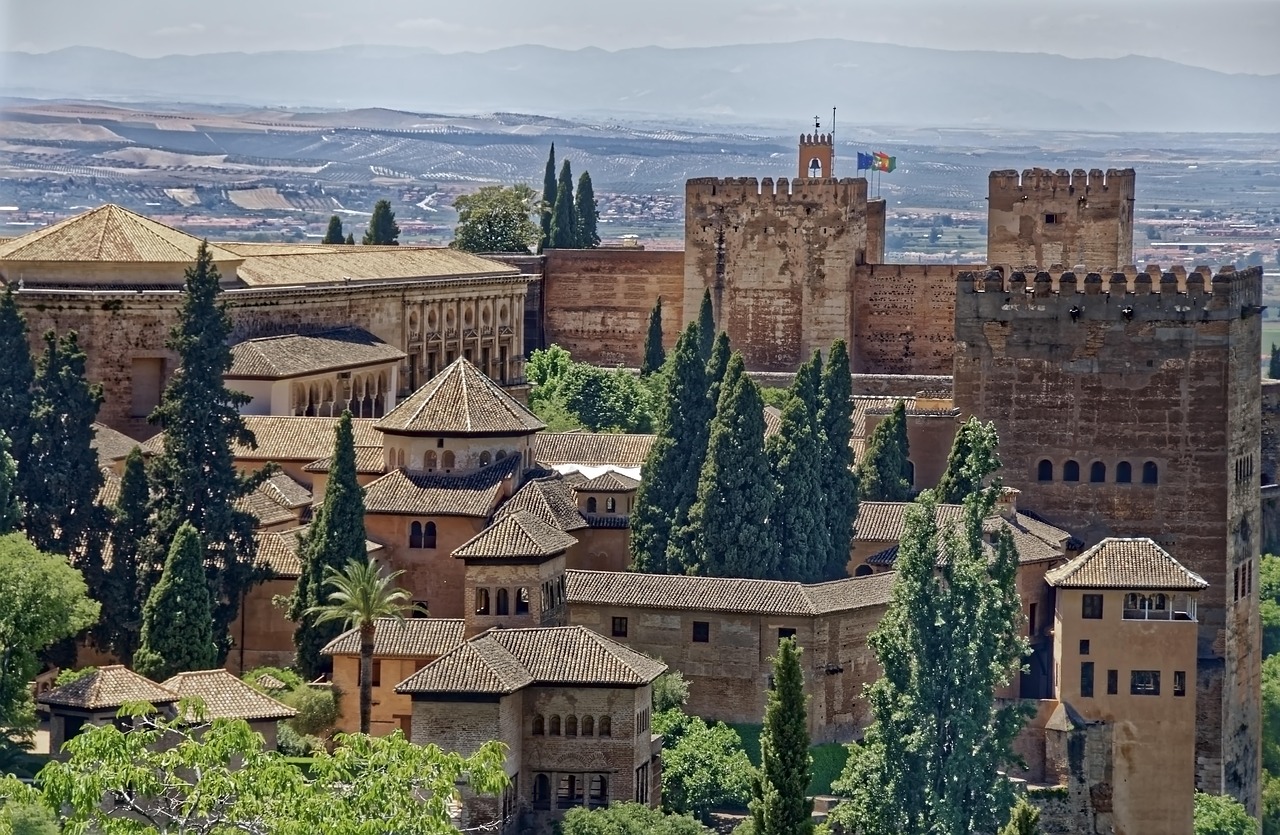
There is a specific kind of silence that settles over the gardens of Queluz just as the morning mist begins to burn off the Tagus. It isn’t a total silence—the birds are busy gossiping in the cypress hedges, and if you stand very still near the Canal of the Waters, you might just hear the distant, rhythmic clatter of a commuter train crossing the tracks—but it feels suspended in time. I have walked through the manicured avenues of Versailles and the sprawling, untamed grounds of Peterhof, but the gardens of the Queluz National Palace possess a different energy. They are intimate. They are theatrical. They are, in the best possible way, a little bit dramatic.
I remember my first visit on a Tuesday in late October. I had taken the train out of Lisbon’s Rossio station, escaping the city’s humid grip for the cooler air of the Sintra foothills. I expected a palace, of course, but I wasn't prepared for the sheer sensory overload of the grounds that unfurled around it. This isn't just a "garden"; it is a 12-hectare stage set designed by nature and refined by human obsession. It is a place where the Rococo spirit—playful, ornate, and deeply emotional—refuses to die.
If you are planning a trip in 2024, you are likely looking for more than just a pretty picture. You want to know how to navigate the ticketing labyrinth, where to find the map that actually makes sense, and, most importantly, how to find the quiet corners that most tourists walk right past. This guide is designed to be your companion, blending practical logistics with the kind of insider knowledge that transforms a day trip into a memory.
The Approach: Getting There from Lisbon
Before you can appreciate the azulejo tiles or the weeping cedars, you have to get out of Lisbon. While many travelers default to a taxi or a ride-share (Uber works well here), the train is the romantic and economical choice. It connects you to the rhythm of the region.
How to get to Queluz Palace from Lisbon by train
From Lisbon’s Rossio Station (Estação do Rossio), located right in the heart of Baixa, you will take the Comboios de Portugal (CP) line towards Sintra. The journey is surprisingly swift, usually taking about 20 to 25 minutes. However, there is a crucial detail that trips up many visitors: you do not get off at Sintra. That is the stop for the Pena Palace and the Moorish Castle. You stay on the train until the fourth stop, which is Queluz/Belas. It is a smaller station, often quieter than the chaotic Sintra hub.
Once you step onto the platform at Queluz/Belas, the adventure begins. The palace is about a 15-20 minute walk from the station. I highly recommend this walk. You will pass the Palácio Nacional de Queluz’s yellow railings and see the aqueduct in the distance. It helps transition your mindset from the bustling capital to the leisurely pace of the royal retreat. If you prefer not to walk, there are usually taxis waiting near the station exit, though they can be scarce during off-peak hours.
Hours of Operation: The Seasonal Rhythm
The gardens have a heartbeat, and it changes with the seasons. Knowing the opening hours is vital, especially if you are trying to time your visit to avoid the crush of school groups or the midday sun.
Queluz National Palace opening hours winter season (October to March)
The palace and gardens generally operate from 9:00 AM to 5:00 PM. The last entry is typically one hour before closing. The winter months are magical here; the light is softer, the greens of the camellias are deeper, and the crowds thin out significantly. There is a melancholy beauty to walking the French-style parterres while the air smells of damp earth and woodsmoke.
Summer hours (April to September)
The site stays open later, usually until 6:00 PM or 7:00 PM. This extended daylight is a gift, allowing for "golden hour" visits where the pink and yellow façade of the palace glows like a lantern.
Always check the official Parques de Sintra website before you go. They occasionally close specific areas for maintenance, particularly the Robillion Pavilion or the Lake of the Swans, due to weather damage or restoration work.
Tickets and Prices (2024 Update)
Navigating the ticketing landscape can be the most stressful part of the planning. Prices fluctuate and bundles change, but here is the breakdown for the current year.
Queluz Palace Gardens ticket prices 2024
As of 2024, the pricing structure is tiered. You generally have two main options: the "Gardens Only" ticket or the "Palace + Gardens" ticket.
- Gardens Only: Expect to pay around €7.50 - €8.50 for adults. This gives you access to the sprawling outdoor areas, the canal, and the lake.
- Palace + Gardens: This usually costs between €12.00 and €14.00 for adults. It is worth it if you want to see the interior, specifically the Throne Room and the Music Room.
There are discounts for seniors (usually over 65), youth (13-25), and children (under 12). If you are traveling with a family, look for the family tickets, which offer a better rate for two adults and two children.
Queluz Palace combo ticket Sintra discounts
This is where it gets interesting. Many visitors want to see the "big three" in Sintra: Pena Palace, Quinta da Regaleira, and Queluz. While there used to be a unified "Sintra Card," the current system is more fragmented. However, you can often find combo deals through third-party vendors (like GetYourGuide or Tiqets) that bundle Queluz with other Sintra attractions. These are often skip-the-line tickets, which is a massive advantage in July and August. My advice? Buy the "Palace + Gardens" ticket directly from the official source if you are only doing Queluz. But if you are planning a marathon day of three palaces, a combo pass from a reputable reseller might save you time and a few euros.
Pro Tip: If you are a frequent visitor to Sintra, check if your previous ticket to Pena Palace or National Palace is still valid. Sometimes there are reciprocity discounts for multiple visits within a set timeframe, though this policy changes often.
The Map: Navigating the Labyrinth
The gardens are large. There is no way around it. If you just wander aimlessly, you will miss the best parts. While you can grab a paper map at the ticket office, I recommend downloading the Queluz National Palace map PDF beforehand. The official Parques de Sintra app is also quite good, though signal can be spotty in the lower gardens near the canal.
The layout is roughly divided into three zones:
- The Formal French Gardens: The area immediately behind the palace. Symmetrical, geometric, and rigid. This is where you find the Statue of Dionysus and the geometric hedges.
- The Botanical & Romantic Zone: The area stretching out to the left of the palace. This is wilder, featuring exotic trees, the Lake of the Swans, and the Cave of the Nymphs.
- The Canal Area: The long, straight waterway that cuts through the property. This is the "hidden" gem that many miss because it requires a decent walk.
Best Time to Visit Queluz Gardens to Avoid Crowds
The "best time" is a moving target. If you are a photographer, you want the light. If you are a solitude seeker, you want the quiet.
- The Golden Rule: Arrive at 9:00 AM sharp, when the gates open. By 10:30 AM, the tour buses from Lisbon arrive. If you are a late riser, aim for 90 minutes before closing. The staff are generally lenient about lingering, and the emptying gardens take on a magical twilight quality.
- The Seasonal Sweet Spot: May and October are the champions. The weather is mild, the flowers are blooming (or turning spectacular colors), and the summer crowds have yet to arrive or have just left.
- The Weather Factor: Don’t be afraid of a cloudy day. The gardens look incredible under moody skies, and the lack of harsh shadows is great for portraits. However, avoid the gardens during heavy rain; the gravel paths become slippery, and the beauty of the fountains is lost in the downpour.
Accessibility: A Garden for Everyone
One of the most common questions I get asked is about navigating historic sites with mobility issues. The reality of 18th-century landscape design is that it wasn't built for wheelchairs or walkers. However, Queluz has made significant strides in inclusivity.
Queluz Gardens wheelchair accessibility and tips
The area immediately surrounding the palace (the terraces and the parterres) is largely flat and paved with smooth stone or compacted gravel. It is manageable for manual wheelchairs and strollers. The view from the terrace over the gardens is accessible via ramps.
However, the "Romantic Zone" is a challenge. The paths leading down to the Lake of the Swans and the Canal become narrow, steep, and uneven. The gravel is loose. If you or a member of your party uses a wheelchair, I recommend focusing on the palace façade, the immediate French gardens, and perhaps the area around the Tiled Paddock (Piquete).
There are accessible restrooms near the entrance. If you need a wheelchair, it is best to call ahead to check availability, as they are limited.
The Hidden Gems: Escaping the Beaten Path
This is my favorite part of Queluz. The palace is famous, but the grounds hold secrets. If you follow the main path, you will see the fountain and the statues. But if you veer off, you find the magic.
- The Robillion Pavilion (Pavilhão de Robillion): This is technically a restoration project, but the area surrounding it is often overlooked. It sits near the entrance to the gardens. The architecture is exquisite, and the landscaping here is tighter, more manicured. It feels like a private courtyard.
- The Cave of the Nymphs (Gruta das Ninfas): Located in the romantic zone, this is a small grotto built into the hillside, covered in moss and ferns. It is cool and damp inside. There is a small pool. It feels like a place where a fairy tale would take a break. It is easy to miss if you don't look for the small path winding off the main loop.
- The "Other" Lake: Everyone goes to the Lake of the Swans. But if you walk deeper into the botanical zone, there are smaller ponds and waterfalls that are rarely photographed. They are serene and full of frogs.
- The Cypress Avenue: Before you exit, walk the long avenue of cypress trees that runs parallel to the main entrance road. It is hauntingly beautiful, creating a dark green tunnel that frames the sky. It’s a favorite spot for local fashion photographers.
Picnics and Provisions
Can you eat in the gardens? Yes. Should you? Absolutely.
Queluz Gardens picnic areas and rules
There are designated areas where picnicking is allowed, usually the wider grassy lawns away from the formal flowerbeds. The area near the Canal of the Waters is a popular spot for locals to spread a blanket.
Rules are strict but simple:
- No glass bottles.
- No alcohol (unless purchased at the café).
- You must carry out everything you carry in. The groundskeepers work hard to keep the grounds pristine.
- No loud music.
What to pack? A baguette, some Portuguese cheese (Serra da Estrela if you can handle the smell), and a bottle of chilled green wine (Vinho Verde). Find a spot under an ancient cedar tree, away from the main terrace, and you will feel like royalty on a day off. There is a small café near the entrance (the Queluz Café) that sells sandwiches and coffee, but the selection is basic. Bringing your own food allows for a more leisurely and customized experience.
Tours and Audio Guides: Context is Key
Is it worth paying for a guided tour? If you are a history buff, yes. The palace interior is filled with anecdotes about Queen Maria I (who lived here and eventually lost her mind) and King Pedro III. The stories of court intrigue add a layer of texture to the pink walls.
Queluz Palace Gardens guided tour audio guide
There is an audio guide available for rent at the ticket office. It is available in several languages. I have used it, and it is decent—it covers the main stops: the Throne Room, the Hall of the Ambassadors, and the Music Room. However, it is a bit dated. It doesn't cover the gardens in as much detail as the interior.
For the gardens specifically, I find that a little pre-reading helps more than an audio guide. Knowing that the gardens were designed by Jean-Baptiste Pombal (who was actually an architect, not a politician for once) and later refined by the French landscape architect René Lepère de la Sablière helps you appreciate the layout. If you want a guided tour, book a private one that focuses on the gardens. Many local guides offer "Hidden Queluz" tours that take you down to the canal and explain the botany of the exotic trees planted in the 1700s.
A Sensory Walk: The Experience of the Place
Let’s walk through it, mentally.
You enter through the iron gates. The first thing that hits you is the smell. It is a mix of boxwood, damp stone, and orange blossoms if you are lucky enough to be there in spring. To your left is the Ticket Office. Grab your ticket and head for the palace first, or the gardens? I suggest the gardens. The morning light hits the façade of the palace best from the garden side anyway.
You walk past the statues of Hercules and Dionysus. They stand guard over the geometric hedges. The precision here is staggering; every leaf seems to have been cut with a scalpel. You walk to the balustrade and look out. The view drops away into a sea of green, punctuated by the darker spikes of cypress trees.
You take the path to the left. This is the "Romantic" path. The gravel crunches under your shoes—wear comfortable shoes, by the way; the cobblestones in the palace are slick, and the garden paths are uneven. The sound of water grows louder. You pass the Cave of the Nymphs. It’s cool here, ten degrees cooler perhaps. The moss is vibrant green, almost neon.
The path widens. You see the swans. The Lake of the Swans is oval-shaped, reflecting the weeping willows that drape over the water. The swans here are accustomed to humans; they will glide toward you expecting bread, but please don’t feed them. It disrupts their diet.
Continuing on, you reach the Canal of the Waters. It is a long, straight line of water that seems to go on forever, disappearing into the horizon. This was used for boating parties. Imagine the 18th-century court: powdered wigs, silk dresses, floating down this canal in wooden barges, music drifting from the Robillion Pavilion. It is easy to get lost in the fantasy here.
On the way back, take the path that runs along the edge of the woods. This is quieter. You might see a woodpecker. You will definitely see lizards sunning themselves on the warm stones. The contrast between the rigid French design and the wild woods is the defining characteristic of Queluz. It represents the tension between human control and nature’s persistence.
Practical Tips for 2024
- Dress in layers: The weather in Queluz can change quickly. It is often sunnier than Lisbon, but the wind whips through the garden corridors.
- Water: There are fountains, but bring a bottle. The walk from the train station is uphill.
- Photography: The best photo spot is actually from the lower lawn looking up at the palace. Most people shoot from the terrace down. Flip it. Get low. Capture the pink façade against the blue sky.
- The Gift Shop: It’s located near the exit. They sell excellent olive oil and ceramic tiles. It’s worth a browse if you want a souvenir that isn't a magnet.
The Emotional Core of Queluz
Why do I keep coming back to Queluz? It isn't the grandest palace in Portugal. That title belongs to Mafra. It isn't the most romantic; that is Pena. Queluz is the most human. It feels like a house. It feels like a place where people actually lived, loved, and went mad.
The gardens reflect this. They are not overwhelming in their scale like the English Garden in Munich; they are manageable. You can walk the whole perimeter in an hour if you hustle, or you can spend four hours just sitting by the canal. It is a garden that invites you to linger. It doesn't demand your awe; it requests your attention.
I remember sitting on a stone bench near the entrance, watching a couple from Brazil take photos of a peacock fanning its tail. The sun was dipping behind the trees, casting long, purple shadows across the lawn. The palace was glowing pink, then peach, then grey. In that moment, the chaos of Lisbon and the stress of the work week evaporated. There was only the garden, the history, and the quiet joy of being exactly where you wanted to be.
If you go to Queluz, do not rush. The train ride is easy, the tickets are straightforward, and the map is helpful. But the real secret to enjoying the Queluz Palace Gardens is to let go of the itinerary. Find a spot. Sit down. Listen to the water. Watch the swans. Let the Rococo whimsy wash over you. You will leave feeling lighter than when you arrived, carrying a little bit of that 18th-century peace back into the modern world.