

Queluz Gardens 2026: The Secret to Finding Solitude in the Portuguese Versailles
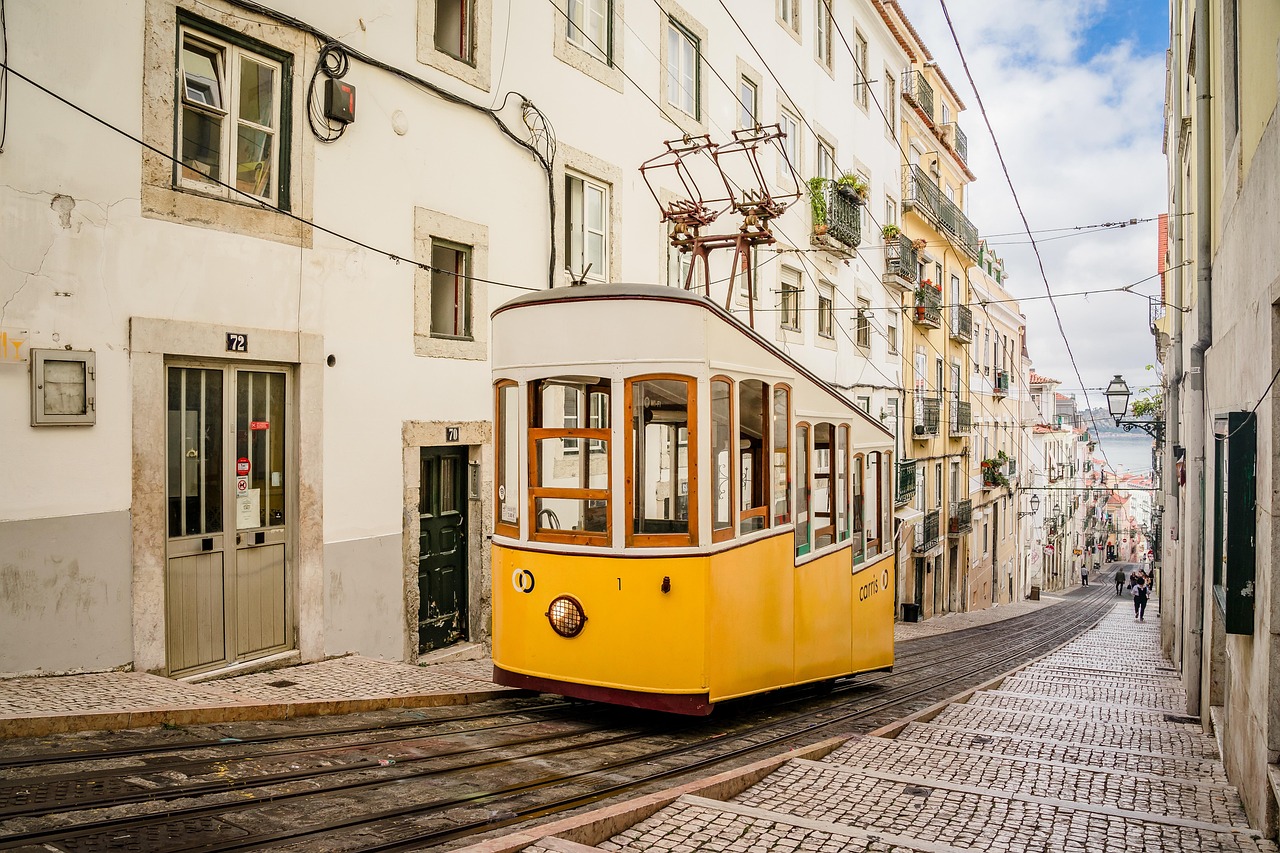
The humidity of a Lisbon summer is a physical thing; it presses against your skin, a warm, heavy blanket scented with exhaust fumes, grilled sardines, and the faint, sweet decay of bougainvillea petals that have fallen onto hot cobblestones. It’s beautiful, yes, but it’s relentless. You feel it in your bones after a few days. The city breathes in short, sharp gasps. And in the summer of 2026, as the world continues its frantic, post-pandemic pirouette, the crowds in Lisbon’s most famous precincts—the Alfama’s serpentine alleys, the clifftop gaze of São Jorge Castle, the mosaic-stoned plazas of Baixa—will be at their peak. The city is a magnet, but its pull is strongest when the heat is most oppressive.
But I have a secret. A way out. A place where the air feels cooler, the history is just as palpable, and the crushing weight of the tour group simply evaporates. It’s a short train ride away, a journey that peels back the layers of urban intensity and reveals something far more contemplative. It’s the Palace of Queluz and its sprawling, magnificent gardens. And the trick, the real secret to Queluz in 2026, isn't just about seeing it. It’s about becoming a ghost in its groves, a phantom in its parterres. It’s about learning the rhythm of the place so you can dance between the beats.
The Gilded Cage and the Green Escape
First, a little grounding. Queluz isn't just a "garden." It is a narrative written in stone and leaf. The Palácio Nacional de Queluz is often called the "Portuguese Versailles," and while that comparison is understandable, it feels a little stiff. Versailles is a statement of absolute power, of a king so detached from his people he had to build a universe unto himself. Queluz, for all its Rococo extravagance, feels more intimate, more… human. It was born as a summer retreat for the Prince Regent, later King Pedro III, and it carries the DNA of a home. It grew over decades, a patchwork of architectural styles stitched together by royal whim.
The palace is a stuccoed dream of pink and cream, its facades a riot of cherubs, shells, and scrollwork. Inside, the Salon of Mirrors is a dazzling, dizzying explosion of gilt and porcelain, a room designed to make you feel small, to reflect the infinite power of the monarchy back at itself. But the real soul of Queluz, I’ve always found, spills out of its doors. The gardens were designed to be a seamless extension of the palace's opulence, a manicured wilderness where nature was to be tamed, shaped, and persuaded into art.
And what shapes they are. The Jardim do Canal, with its long, straight waterway, was built for gondola rides. The Italians were all the rage, and so the Prince had his own slice of Venice transplanted to the Portuguese countryside. You can stand there today, in the quiet of a Tuesday morning, and almost hear the ghostly splash of a paddle, the echo of a long-dead courtier’s laughter. Then there are the Robillion Gardens, a series of terraced, geometric plots, each a different green, a different texture, punctuated by statues of Diana and Apollo, all looking as if they’ve just stepped out of a myth and are taking a brief rest before the chase begins again.
But my favorite, the place I head for when the world feels too loud, is the Mata de Queluz. This is the "wild" part of the estate, a pinewood forest crisscrossed with streams and hidden paths. It’s here you find the cascades, the engineered waterfalls that tumble over mossy rocks, their sound a constant, soothing murmur. It’s the sound of silence, of nature held in a delicate, beautiful tension. This is the Queluz that most people miss. They tick the palace off their list, snap a picture of the canal, and get back on the train. They see the postcard. I want you to see the soul. And to do that, you need a strategy.
The Summer Siege: Navigating July and August 2026
Let’s be brutally honest. If you find yourself at the Queluz-Infante D. Pedro station on a Saturday in July 2026, you have already made your first mistake. The sun is high, the air is thick, and the platform will be disgorging a river of people, all flowing in the same direction. The main entrance to the palace will already have a queue, a slow-moving snake of sun hats and impatient sighs. Inside, the gardens will feel less like a sanctuary and more like a well-managed public park on a bank holiday.
The queluz gardens 2026 best time to visit to avoid crowds search result will tell you to go "early." That's not wrong, but it's incomplete. In summer, "early" means before 9:30 AM, the moment the gates swing open. But even then, you’ll be sharing the dew-drenched parterres with a dozen or so determined tour groups who have pre-booked their "queluz gardens 2026 skip the line guided tour" and are being marched through with military efficiency. The tour guides, bless their hearts, will be speaking in a polyglot of languages, their voices carrying over the flowerbeds. You’ll hear snippets of history, but you’ll also hear the logistics of the day: "Okay, everyone, we have forty-five minutes, then back to the bus for Sintra."
This is not the experience we are after. We are seeking the quiet moments, the stolen glances, the feeling that the garden belongs to you alone. The summer months—June, July, August—are the "peak season." The queluz gardens 2026 least busy months are, without question, the deep winter (November, January, February) and the shoulder seasons of late autumn and early spring (March, late October). The weather is more unpredictable, of course, but the crowds are a fraction of what they are in summer. A misty day in November, with the damp intensifying the scent of the pines and the chill making the stone facades feel even colder, is an experience of profound beauty. You’ll have the Robillion Gardens almost entirely to yourself. The statues seem to brood more intensely.
However, for many, a trip to Portugal is a summer affair. So, if you must brave the heat of 2026, you need to master the art of the queluz gardens 2026 off peak hours. This isn't just about the morning. It’s about the entire daily rhythm. The busiest time is from 11:00 AM to 3:00 PM. This is when the tour buses from Lisbon and Sintra converge. It’s when the heat is most intense and visitors seek the shade of the palace interiors, creating a bottleneck in the state rooms. The gardens, paradoxically, can feel a little emptier during this time as people retreat from the sun, but the overall atmosphere is one of heat-drained lethargy.
Your first window of opportunity is that early morning, but you need to be strategic. Buy your queluz gardens 2026 early morning tickets online, for a specific time slot if possible. The first entry is usually 9:30 AM. Aim to be at the gate at 9:15 AM. When you enter, do not do what everyone else does. Most people drift straight towards the main palace façade and the canal. Resist. Take an immediate left or right, heading towards the Mata de Queluz or the less-frequented side gardens. Spend the first hour in the quietest part of the estate while the main crowd is still congregating around the most famous photo spots. By the time they make it to the woods, you’ll be sitting by a hidden fountain, having already seen the best of it.
The second window is the late afternoon. This is the queluz gardens 2026 last entry time strategy. The last entry is typically around 5:00 PM or 6:00 PM, depending on the season (check the official website, as these times shift). Most day-trippers are gone by 4:30 PM, heading back to Lisbon for dinner. The buses depart. The families with tired children leave. What remains is a magical, golden-hour calm. The sun, now lower in the sky, casts long shadows, turning the green of the hedges to a deep, velvety emerald. The light filters through the pines in the Mata de Queluz, creating a cathedral-like effect. The palace itself glows. This is the time for photographers, for lovers, for solitary wanderers. You can have the entire canal to yourself. You can sit on a bench in the Robillion Gardens and not hear a single human voice, just the buzz of a bee and the distant gurgle of the cascades.
The Weekday Warrior: A Symphony of Solitude
The single most important variable in your crowd-avoidance equation is the day of the week. Queluz gardens 2026 avoiding weekend crowds is not a suggestion; it is a commandment. Saturday and Sunday are, quite simply, to be avoided at all costs. They are the days when Lisbon’s own residents escape the city, and Queluz is a prime destination. The atmosphere changes completely. It’s a family picnic spot, a place for kids to run and shout. It’s lovely in its own way, but it is not the serene, historical immersion you’re seeking.
The queluz gardens 2026 quiet season weekdays are your golden ticket. A Tuesday or a Wednesday in October is, to my mind, one of the finest travel experiences in all of Portugal. The air is crisp, the light is soft, and the only sounds are the rustle of falling leaves and the distant chime of the palace clock tower. You can wander for hours, tracing the patterns of the box hedges, reading the weathered inscriptions on the statues, and feeling the immense weight of time.
Let’s take a hypothetical Tuesday in mid-October 2026. You’ve taken the Sintra line from Rossio station in Lisbon, a journey of about 25 minutes. You disembark at Queluz-Infante D. Pedro. The station itself is a piece of art, a small, charming building with blue and white azulejo tiles depicting scenes of the royal hunt. From there, it’s a pleasant 10-minute walk to the palace gates. You pass the Largo da Rainha D. Maria I, a small square with a cafe where you can grab a quick coffee and a pastel de nata for fuel. You don’t need to rush. You have all the time in the world.
You enter the grounds around 10:00 AM. The gates open, and you step inside. There’s a small ticket check, a security scan. And then, you are in. The first thing you notice is the smell. It’s a complex perfume of damp earth, pine resin, and the faint, sweet scent of late-blooming roses. You walk down the main avenue, but instead of following the stream of people towards the palace, you peel off towards the left, following a path that winds through the pines. The path is covered in a soft carpet of needles. Your footsteps are silent.
You come across a small, ornate pavilion, the "Chafariz dos Cavaleiros," a fountain with bronze horses. The water is clear and cold. You dip your fingers in. No one is there to see you do it. You continue on, finding a bench overlooking a small, hidden valley. You sit. You breathe. This is the secret. It’s not just about being in a beautiful place; it’s about being in a beautiful place alone. It’s about the garden revealing itself to you, not as a performance, but as a quiet, personal gift.
Later, you make your way to the main canal. The water is still, reflecting the perfect, cloudless sky. You can imagine the gondolas, the ladies in their elaborate wigs and gowns, the music. The history feels close enough to touch. You walk its entire length, past the statues of mythological figures, each with its own stoic expression. You cross over to the other side and explore the geometric precision of the French-style gardens, the clipped lines a stark contrast to the untamed freedom of the pinewoods. You are, for a few hours, a resident of another century.
The Insider’s Toolkit: Secrets and Strategies for 2026
To truly master Queluz, you need to go beyond just timing. You need to know the little tricks, the queluz gardens 2026 secret entrance tips and the logistical hacks that elevate your visit from "good" to "unforgettable."
The main entrance is on the Largo da Rainha D. Maria I. It’s grand, official, and where all the crowds go. There is, however, another way in. The gardens are vast and open to the public in more than one place. For those who are looking for a more active, nature-focused experience, you can access parts of the Mata de Queluz and the cascades from the E.N. 250-4 road, near the entrance to the Tapada de Queluz. This entrance is more of a park gate, often quieter, and it drops you right into the heart of the wilder section of the gardens. You won't get the grand approach to the palace, but you can explore the woods and the waterfalls first, and then make your way up to the palace and the formal gardens later. It completely flips the script on the traditional visit. This is the queluz gardens 2026 off season visit guide secret: think like a local, not a tourist. Come for a walk in the woods, and discover the palace as an afterthought.
Second, consider the timing of your ticket purchase. While it’s wise to book online in advance to secure your slot, especially for the early morning, there’s a different strategy for the late afternoon. Sometimes, you can simply show up around 4:15 PM and buy a ticket at the gate. The staff are often more relaxed at the end of the day. This gives you spontaneity. If the weather turns beautiful in the late afternoon, you can make a last-minute decision to go. You bypass the online booking stress and enter a garden that is already emptying out.
Third, the queluz gardens 2026 skip the line guided tour can be a double-edged sword. If you are a history buff and want the deep context, by all means, book one. But do it for the first slot of the day. A private tour, if your budget allows, is infinitely better than a large group one. A good guide can take you to spots the general public doesn't see and can answer your specific questions. But if your goal is solitude, skip the formal tour. Instead, download an excellent audio guide app or a detailed PDF map before you go. Read about the history of the Dona Maria I Pavilion or the Tiled Kiosk beforehand. Then, when you’re standing in front of them, you can fill in the context yourself. This gives you the knowledge without sacrificing the quiet.
Fourth, pay attention to the seasons. I mentioned October, but let’s get specific about the queluz gardens 2026 least busy months. January and February are the absolute quietest. It will be cold, possibly wet. The fountains might be turned off to prevent freezing. Some of the more delicate plants will be covered or dormant. But the structure of the gardens—the hedges, the paths, the statues, the architecture—is still magnificent. The absence of leaves on some trees opens up new views. The crowds are non-existent. You might share the entire estate with only a handful of other people. It’s a moody, atmospheric, deeply personal experience. If you are a writer, a thinker, a photographer seeking dramatic, stormy skies, this is your time.
In contrast, the queluz gardens 2026 off peak hours in summer are strictly about the edges of the day. Arrive at 9:30 AM, stay until 11:00 AM. Leave. Go have a long, lazy lunch in the village of Queluz. Find a small tasca where the locals eat. Try the "arroz de pato" (duck rice). Then, return to the gardens at 4:00 PM and stay until closing. You’ll get two distinct experiences of the same place: the fresh, dewy morning and the warm, glowing evening. You’ll have avoided the hottest, most crowded part of the day entirely.
Beyond the Gates: The Village and the Vibe
Your Queluz experience shouldn’t end at the palace walls. The town of Queluz itself has a charm that is often overlooked. After you’ve had your fill of the gardens, take a walk into the center. The real centerpiece of the town is the magnificent Aqueduct of Águas Livres, a monstrous, 18th-century structure that seems to march across the landscape, its two tiers of arches marching across the hills. It’s a stunning piece of engineering, and you can walk right up to its base and feel very, very small. It’s a reminder of the sheer ambition of the era that built Queluz.
Find a cafe, the kind with a worn terrazzo floor and a grumpy owner who softens when you order a bica (an espresso) correctly. Sit outside and watch the world go by. This is the rhythm of Queluz. It’s a place that lives and breathes on its own terms, separate from the frantic tourist energy of Sintra, its more famous neighbor. Sintra is a fairy tale, a fantasy. Queluz is history. It’s the real, lived-in story of a royal family, a place of pleasure and also of melancholy (the last Queen, Maria I, spent her final years here, lost to madness).
Visiting Queluz in 2026 is about embracing this duality. It’s about appreciating the Rococo splendor of the palace but also seeking out the quiet dignity of the woods. It’s about understanding that the best travel moments are rarely the ones you pose for. They are the ones you stumble upon when you’ve deliberately chosen the path less crowded. They are the moments when you can hear your own thoughts, when the only thing on your schedule is the slow, steady arc of the sun across the sky.
So, as you plan your Portuguese adventure for the coming year, keep this blueprint in your back pocket. Let the masses flock to the crowded promontories of Sintra and the jostled alleys of the Alfama. Let them queue for the most famous viewpoints. You, on the other hand, will take the train to Queluz. You will arrive on a Tuesday in October, or perhaps you’ll embrace the moody solitude of a February morning. You’ll have your queluz gardens 2026 early morning tickets ready on your phone, but you might also try your luck with the "secret" entrance. You’ll walk with purpose, heading for the quiet corners first. You’ll know that the best views aren’t of the palace from the canal, but of the canal from the shadow of the pinewoods. You’ll know that the real luxury of Queluz isn’t the gilt, but the space. The glorious, beautiful, soul-replenishing space. And you’ll leave feeling not just that you’ve seen a place, but that you’ve truly, deeply, and quietly connected with it. That is the secret. And now, it’s yours.