
Porto Day Trip from Lisbon: 3-Hour High-Speed Train Guide
The first time I did it, I almost didn't believe it was possible. I was nursing a bica at a tiny counter in Lisbon’s Graça neighborhood, the morning air already thick with the promise of heat and the melancholic trill of a caged canary from an open window. My friend João, a Porto native with a fierce, unshakeable pride for his city, leaned over and said, "You know, you can have breakfast here, and lunch by the Douro."
It sounded like a travel brochure exaggeration, a marketing tagline designed to sell tickets. But Lisbon and Porto, the two beating hearts of Portugal, are now linked by a ribbon of steel that has compressed time and distance. The high-speed Alfa Pendular train doesn't just transport you; it shrinks the country. In a little over three hours, you can trade the sun-bleached, terracotta-tiled rooftops of the capital for the rugged, misty atmosphere of the North. It is a pilgrimage of taste, a race against the clock, and one of the most rewarding day trips you can take in Europe.
This is not just a guide on how to book a ticket. This is a guide to stealing a day from the gods, a blueprint for a perfect, whirlwind romance with Porto.
The Morning Departure: The Ritual of the Journey
To truly conquer Porto in a day, you must embrace the dawn. The key to a successful lisbon to porto day trip is front-loading the travel. You want to be on one of the earliest trains out of Lisbon, ideally the 06:00 or 07:00 service. This isn't about masochism; it's about strategy. It buys you a full afternoon in Porto and ensures you are on a train that is often quieter, allowing you to watch the sunrise over the Portuguese countryside in a state of semi-somnambulant bliss.
The Station: Lisbon Santa Apolónia
Your journey begins at Estação de Santa Apolónia. Don't let the slightly gritty, urban exterior of the surrounding neighborhood fool you. This station is a functionalist masterpiece, a relic of the 19th century that has been modernized to handle the pulse of modern travel. It sits on the edge of the Alfama district, the oldest part of Lisbon. Getting there is an adventure in itself. I often take the Metro (Blue Line) directly to the station, but on a special morning, I’ll take a taxi and watch the city’s iconic seven hills slide past the window.
• Address: Largo da Apolónia, 1900-010 Lisboa, Portugal
• Hours: Open 24/7, but ticket offices and amenities run from 05:00 to 23:00. Arrive at least 30 minutes early.
• Pro Tip: Head for the big electronic boards to find your train number (marked as "Alfa Pendular" or AP) and platform (Via).
Booking Your Seat: The Alfa Pendular Experience
I cannot stress this enough: for a day trip, you need to book the Alfa Pendular (AP), not the Intercidades (IC). The IC is cheaper but slower and less comfortable. The AP is the "three-hour" train. It’s a world of difference. When booking lisbon to porto high-speed train tickets, use the Comboios de Portugal (CP) website or app. My advice? Book in advance (up to 60 days out) for the cheapest "Promo" fares.
The price can range from €30 to €60 for a one-way ticket, depending on demand. If you’re a solo traveler or a couple, you can often find good deals. For a day trip, book a window seat on the right-hand side of the train when leaving Lisbon. You’ll be rewarded with stunning views of the Tagus River as you head north.
The Landscape: A Moving Mosaic
The three hours on the train are not dead time; they are a destination in themselves. As you pull out of Santa Apolónia, you glide along the Tagus Estuary. For the first hour, you’ll see the industrial outskirts of Lisbon giving way to sprawling suburbs, then rolling green fields dotted with cork oaks (the sobreiro). The cork trees look like old men in shaggy brown coats, their trunks stripped bare to harvest the precious bark.
As you move north, the landscape changes. The soil turns a deep, rusty red, a signature of the Douro region. You’ll pass through small towns with whitewashed houses and terracotta roofs, church spires piercing the sky. There are moments when the train runs so close to the coast that you can see the Atlantic crashing on the shores of Figueira da Foz. Keep your eyes peeled for the vineyards.
Arrival in the North: Porto Campanhã
Around the three-hour mark, the urban density begins to build. You’ll see the sign for Porto Campanhã. This is your destination. Don't be alarmed if it feels a bit industrial; it's the main gate to the city. From here, you’ll need to take a short connection (usually on the same platform or an adjacent one) to Porto São Bento, the city's stunning, historic station. This connection takes less than 10 minutes.
The Porto Sprint: A One-Day Itinerary
You have roughly eight to ten hours before you need to catch a train back to Lisbon. The clock is ticking. Here’s how to spend it, balancing the icons with the soul of the city. This is the ultimate what to do in porto in one day from lisbon plan.
12:30 PM - The Tactical Lunch: Francesinha and Vinho Verde
You’ve traveled three hours. You’re hungry. You need fuel. You need a Francesinha. This is Porto’s signature dish, a heart-stopping monument to indulgence. It’s a sandwich stacked with cured ham, linguiça, fresh sausage, and steak, covered in melted cheese, and then drowned in a secret, spicy, beer-based sauce. My go-to spot is Café Santiago.
2:00 PM - The Bridge, The River, and The Old Town
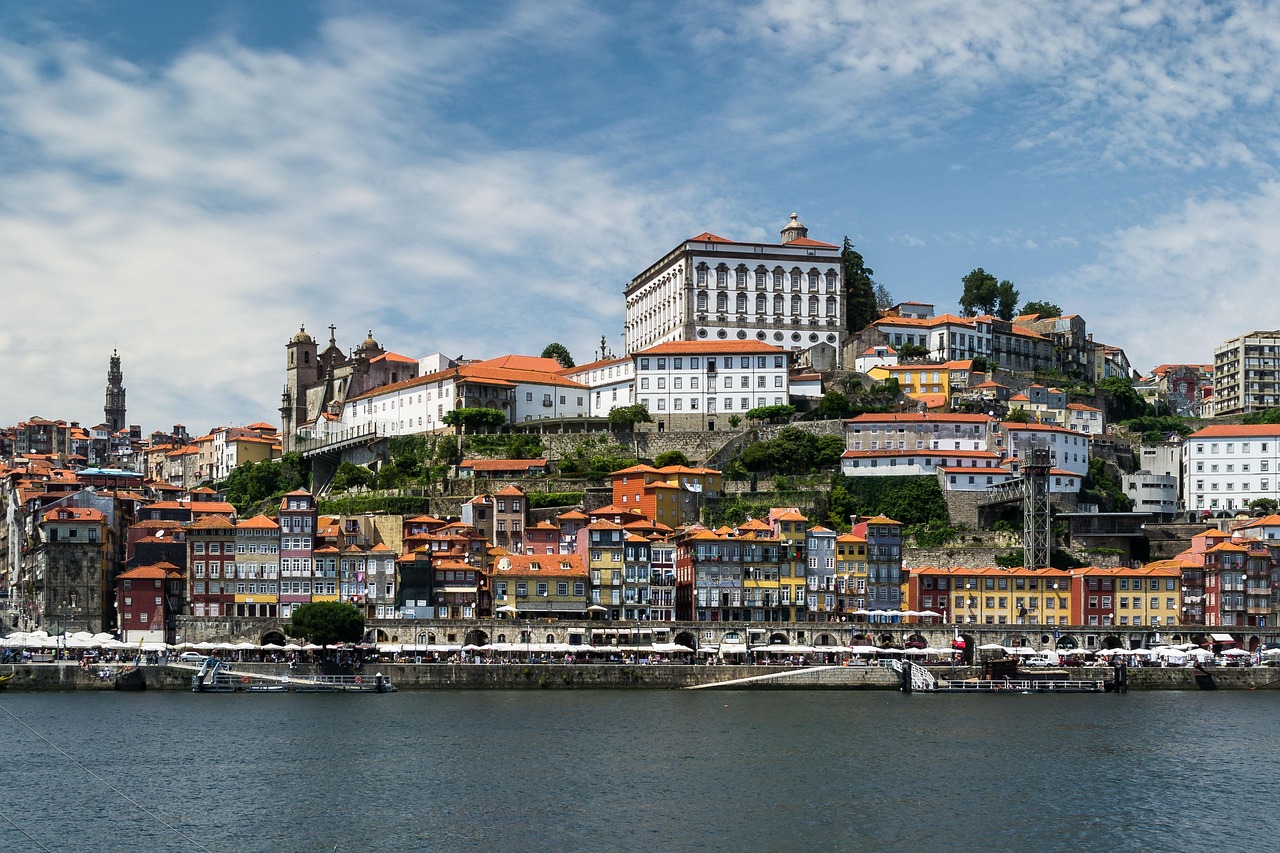
From Café Santiago, it’s a 15-minute walk down to the Ribeira district. But first, you must cross the Ponte D. Maria Pia, designed by Gustave Eiffel’s apprentice. Walking along its narrow metal walkway is a thrill. Once across, you’ll find yourself in the Ribeira, a UNESCO World Heritage site with a labyrinth of narrow, cobbled streets.
3:30 PM - The Clérigos Tower and the Art of Getting Lost
From the Ribeira, begin the steep climb towards the Clérigos Tower. Porto is a city of hills, and you earn your views here. The tower dominates the skyline. If you climb it, the 360-degree view is the best way to understand Porto’s layout. If not, just wander the streets behind the tower, around Rua de Cândido dos Reis and Rua Miguel Bombarda.
5:00 PM - The Sweet Pause: Majestic Café
Walk to the Majestic Café, a Belle Époque jewel. It’s famous for its hot chocolate, which is less a drink and more a small, warm swimming pool of thick, molten chocolate. It’s an indulgence, a moment to sit and watch the world go by. If you’re short on time, the nearby Confeitaria do Bolhão offers a more authentic experience.
6:30 PM - The Port Wine Lodge Experience
You cannot come to Porto and not cross the river to Vila Nova de Gaia. This is where the Port wine lodges (caves) have been aging their fortified wines for centuries. Walking across the Dom Luís I Bridge at dusk is magical. Choose a lodge—Graham’s, Cálem, or Taylor’s—for a tour and tasting. There’s nothing like tasting a 20-year-old Tawny Port in the very place it was born.
8:00 PM - A Light Dinner and the Train Home
You don’t want a heavy meal before a three-hour train ride. Find a small restaurant for some fresh grilled fish or a tasca for petiscos. Then, it’s back to São Bento station. The journey back to Lisbon is a time for reflection.
The Practicalities: Making the Day Work
To ensure your lisbon to porto train day trip goes smoothly, here are the key practicalities.
- The Return Ticket: When booking, you can buy a round-trip ticket (Ida e Volta). Be sure to book your return slot. The last train back to Lisbon is usually around 20:00 or 21:00.
- Packing: Travel light. A backpack is ideal. Comfortable shoes are non-negotiable. A portable charger is a lifesaver.
- Navigation: Porto’s center is very walkable, but you can also use the Metro or Uber for longer stretches.
- Cost Breakdown (Approximate): Train (Round Trip): €40 - €80; Lunch: €15 - €20; Port Lodge Tour: €10 - €20; Dinner: €15 - €25. Total: Around €85 - €150.
Is It Worth It? (lisbon to porto train time table and schedule review)
Is a three-hour train ride for a single day in a city worth it? Some might say it’s madness. I say it’s an act of passion. It’s a testament to the accessibility of modern travel and the compact beauty of Portugal. You return to Lisbon late at night, your body exhausted but your spirit soaring. You’ve tasted the North. You’ve inhaled its history. You’ve felt its rhythm. You’ve proven that you can have breakfast on one side of a country and dinner on the other, and in between, you can fit a whole lifetime of experience.