
Portinho da Arrábida: Beach Access & Insider Tips (2026)
There are places that visit you back—places that settle into your bones, changing the way you perceive color, silence, and the sheer, exuberant joy of being alive. For me, that place is a small, crescent-shaped pocket of paradise tucked beneath the looming limestone cliffs of the Serra da Arrábida: the Portinho da Arrábida. If you are looking for that specific shade of turquoise that usually belongs to the Caribbean but somehow made a detour to the Iberian Peninsula, you are in the right place.
But visiting the Portinho in 2026 isn’t just about showing up; it’s about strategy. It’s about knowing the rhythm of the tides, the secret to parking, and where to find the best grilled fish when the sun starts to dip behind the mountain. I’ve spent years navigating this coastline, from misty winter hikes to frantic summer parking hunts, and I’ve compiled everything you need to know to make your trip seamless, magical, and deeply authentic.
The Visual Shock: A Caribbean Lagoon in Europe
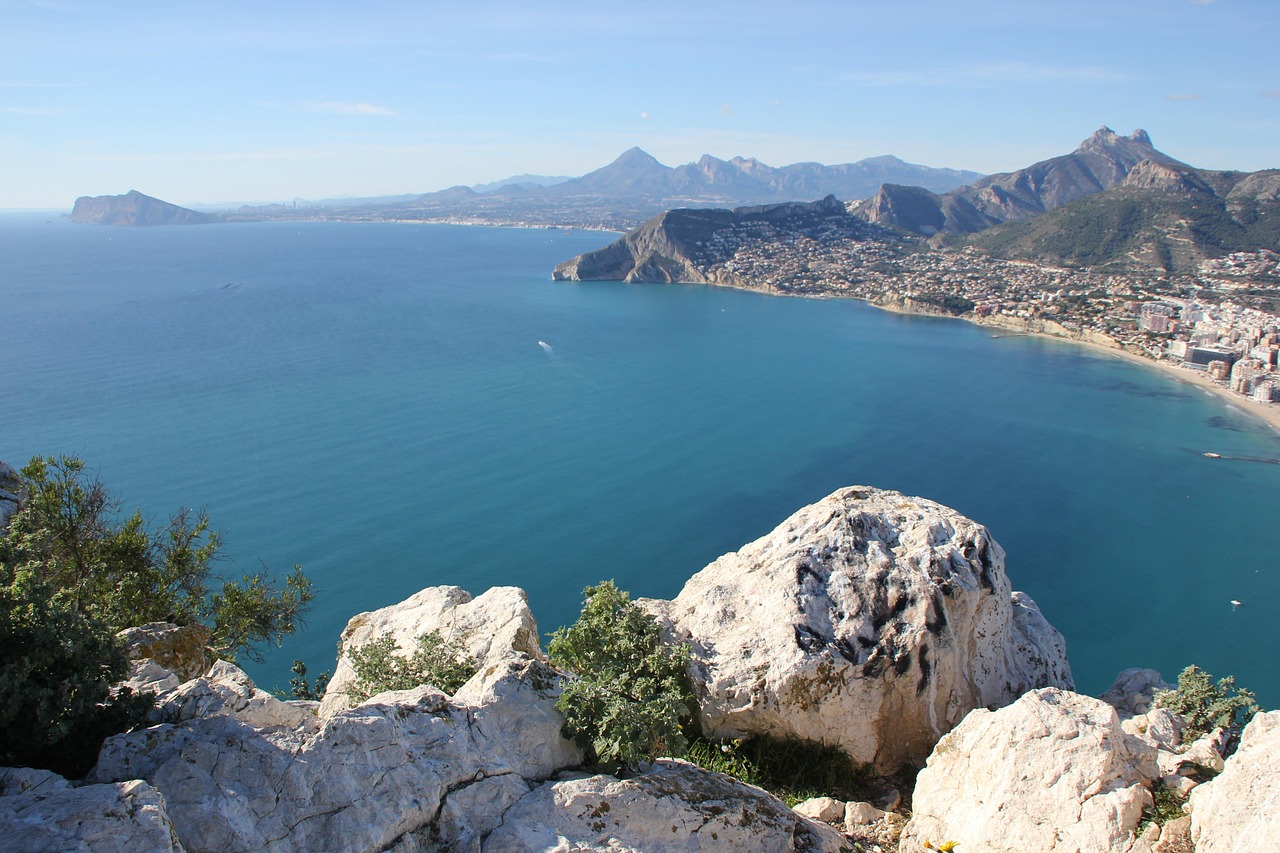
Before we get into the logistics, let’s talk about the feeling. The first time you round the final bend of the road winding down from Setúbal, the forest of pine and oak opens up, and the reveal is dramatic. The water isn't just blue; it is a kaleidoscope of turquoise, teal, and emerald, protected from the open Atlantic by the dramatic promontory of the Cabo Espichel to the south and the Arrábida massif to the north. The water is so clear that, even from the road, you can see the shadows of rocks on the sandy bottom.
This unique color is due to the white limestone sand and the sheltered nature of the bay. In 2026, the conservation efforts here are stronger than ever. The Arrábida Natural Park is a protected area, meaning development is strictly controlled. You won’t find high-rise hotels or neon signs here. What you will find is a sense of stepping back in time, to a Portugal that feels untouched and fiercely proud of its natural heritage.
Getting There: The 2026 Logistics Guide
Let’s be real: the biggest hurdle to enjoying the Portinho is getting there. The road is narrow, winding, and during peak season, it can feel like a competitive sport. Here is the breakdown of how to conquer the journey.
Portinho da Arrabida Beach Access 2026
Access to the beach itself is straightforward, but it requires a bit of planning. The main beach is split into two distinct areas. On the left (facing the sea), you have the sandy stretch reserved for swimming and sunbathing. On the right, there is a designated naturist area (Praia do Portinho Naturista). Both are easily accessible via wooden walkways that protect the fragile dune system. In 2026, the park authorities have installed new signage emphasizing the "leave no trace" policy. There are no lifeguards on duty naturally, so swimming is at your own risk; the water is generally calm, but the drop-off can be steep.
Portinho da Arrabida How to Get There by Public Transport
This is the question I get asked the most. Can you do it without a car? Yes, but it requires patience and a sense of adventure. There is no metro or train that goes directly to the beach. You are looking at a combination of train and bus.
Take the CP (Comboios de Portugal) train from Lisbon (Entrecampos or Roma-Areeiro stations) to Setúbal. The journey takes about 45 to 50 minutes. Once you arrive at Setúbal’s terminal, you will head to the bus station located right next to the train station (Terminus Rodoviário de Setúbal). You need to look for the Scotturb bus line 443, which is specifically labeled "Serra da Arrábida / Portinho." This bus takes you right into the park. However, be warned: in the summer months, the bus fills up quickly with hikers and beachgoers. The schedule is not as frequent as a city bus, so check the Scotturb website for the 2026 timetable beforehand. If you miss the last bus down, you are facing a very expensive taxi ride or a very long walk.
Portinho da Arrabida Parking Tips and Costs 2026
If you are driving, you are playing the game everyone plays. The road down is the N379. It is single-lane in many parts. Do not drive if you are nervous about heights or close encounters with other cars.
Parking is the biggest challenge. The main lot at the beach is small. In 2026, the parking situation has been slightly improved with a new electronic sign at the top of the descent that indicates whether the lot is full or not. If it says "LOTADO" (Full), do not attempt to go down. You will have to turn around, which is a nightmare on that narrow road.
Timing is Everything: Tides and Swimming
Portinho da Arrabida Best Time to Visit for Swimming
While the water is beautiful year-round, the swimming experience changes drastically with the seasons. The absolute best time for a long, leisurely swim is from late June to early October. The water temperature lags behind the air, so even if it’s 30°C (86°F) outside, the water might be a refreshing 19°C (66°F). It’s invigorating, to say the least.
However, I highly recommend visiting in the "shoulder seasons"—late May or late September. You avoid the crushing crowds of August, the parking is easier, and the light is softer, turning the cliffs golden in the late afternoon.
Portinho da Arrabida Tides and Sea Conditions Forecast
This is a critical safety tip. The Portinho is sheltered, but it is not a swimming pool. Because the beach is small and backed by cliffs, high tide can significantly reduce the amount of dry sand available. If you arrive at high tide, you might find yourself sitting right at the water's edge.
Before you leave your hotel, check a reliable tide forecast (I use the "Tabua de Marés" app for Portugal). You want to aim for mid-tide or low tide for the best beach experience. Furthermore, pay attention to wind forecasts. The "Nortada" (North wind) can whip up the sea conditions surprisingly fast. If the wind is howling, the water can get choppy, and the famous turquoise calmness vanishes. The water visibility for snorkeling is directly tied to these conditions; on a calm, sunny day after no rain, you can see 15 to 20 meters. After a storm, it can be cloudy for days.
Under the Water: Snorkeling and Nature
Portinho da Arrabida Snorkeling Spots and Water Visibility
If you love snorkeling, bring your gear. The rocky outcrops on the far right side of the beach (near the naturist area) are teeming with life. Because the water is so clear, you don't have to swim far to see schools of sea bream, octopus hiding in crevices, and the occasional moray eel. The rocky formations create natural pools that are perfect for beginners. Just be careful of the sea urchins in the deeper cracks—watch where you put your hands and feet.
Family, Comfort, and Accessibility
Portinho da Arrabida Family Friendly Facilities and Rentals
Gone are the days of roughing it completely. While Portinho retains a wild feel, it offers decent amenities for families. You will find a small café/restaurant near the entrance (more on that later) that sells ice cream, drinks, and simple snacks. There are public restrooms and outdoor showers to rinse off the salt.
You can also rent sun umbrellas and loungers in the summer, though the supply is limited. If you have young kids, bring a bucket and spade—the sand is fine and perfect for sandcastles. The water near the shore is shallow and generally calm, making it suitable for paddling, though constant supervision is mandatory.
Portinho da Arrabida Accessible Entrance for Strollers and Wheelchairs
This is a mixed bag. The main access path from the parking area down to the sand is a wooden boardwalk. It is flat and wide enough for a stroller or a manual wheelchair. However, the gradient is somewhat steep, so you will need assistance to push a wheelchair up or down.
Once you reach the sand, maneuvering becomes difficult. The boardwalk ends before the sand begins. While the sand is packed near the waterline, getting a wheelchair directly to the water's edge is challenging without specialized beach wheelchairs. As of 2026, the park management has been testing a "beach wheelchair" program, but availability is not guaranteed and usually requires advance booking through the park's environmental education center. If you have mobility issues, I recommend calling the park authorities a few days in advance to inquire about the current status of these facilities.
The Hiker’s Perspective: Trails and Miradouros
Portinho da Arrabida Hiking Trails to Miradouros
The beach is just the beginning. The Arrábida is a hiker's paradise. If you have the energy, I insist you take the trail that hugs the cliff face to the west of the beach. It is part of the "Trilho da Arrábida" (PR1).
The trail starts right near the beach entrance. It is a moderate hike, involving some steps and uneven terrain, but the payoff is immense. Within 20 minutes, you will reach the Miradouro da Rainha (Queen’s Viewpoint). The panorama opens up to the entire bay of Portinho and the deep blue sea beyond. On a clear day, you can see all the way to the horizon.
For a more challenging hike, you can continue up towards the Convento da Arrábida. This takes a few hours and is steep, but it offers a glimpse into the spiritual history of the mountain. The silence up there is profound, broken only by the wind and the distant cry of birds of prey circling the thermals.
Refueling: Food and Drink
Portinho da Arrabida Nearby Restaurants and Food Options
You cannot visit this region without eating seafood. The water you are swimming in is the same water that supplies the local fishing boats. There are two main ways to eat here:
1. The Beach Kiosk: Right at the top of the beach boardwalk is a modest kiosk/restaurant. In 2026, it is still run by the same family that has held the concession for years. It’s not fine dining. You order at the counter: bifana (pork steak sandwich), croquetes, or a simple plate of salada de polvo (octopus salad). The coffee is strong, and the cold beer is life-saving. It’s plastic chairs and plastic tables, but the view is worth a million dollars.
2. The Restaurants of Portinho (The Village): A 5-minute walk up the hill from the beach parking, you will find a small cluster of low-rise buildings that make up the "village." Here, you have two legendary spots:
This is the classic. It has a large terrace with sweeping views of the bay. The vibe is old-school Portuguese hospitality. The walls are covered in photos of celebrity visitors, but the prices remain surprisingly reasonable.
Address: Estrada do Portinho, 2900-311 Setúbal.
Hours: Generally open for lunch and dinner, but closed on Mondays (off-season) or certain days in winter. It is essential to book in advance during summer weekends (+351 265 769 023).
What to order: The "Arroz de Marisco" (Seafood Rice) is a pot of gold. It’s rich, tomato-based, and brimming with clams, shrimp, and crab. Also, try the "Lulas Recheadas" (Stuffed Squid). It is pure comfort food.
A smaller, more intimate spot, also with a terrace. It feels like eating at a relative’s house. The grilled fish here is exceptional—usually sea bass or sea bream (dourada), caught that morning. Served simply with boiled potatoes and a salad, it is perfection.
Address: Rua do Portinho, 2900-311 Setúbal.
Hours: Lunch and dinner, generally open 7 days a week in summer, reduced hours in winter.
What to order: "Robalo Grelhado" (Grilled Sea Bass). Don't ask for sauce; the freshness speaks for itself.
A Final Word on the 2026 Experience
As we move through 2026, travel is shifting. We are looking for authenticity, for nature, for places that respect the environment. The Portinho da Arrábida is a beacon of this. It is fragile. The cliffs are limestone and crumble; the water clarity depends on us keeping it clean; the peace of the place depends on visitors respecting the silence and the rules.
When you go, bring your trash back with you. Respect the nudists' space (it is a legitimate and long-standing part of the culture here). Watch your children closely. And take a moment, somewhere between the salt and the stone, to just stop. Look at that impossible blue water. Listen to the pine trees rustling. This is the magic of Arrábida. It is not just a beach; it is a sanctuary.