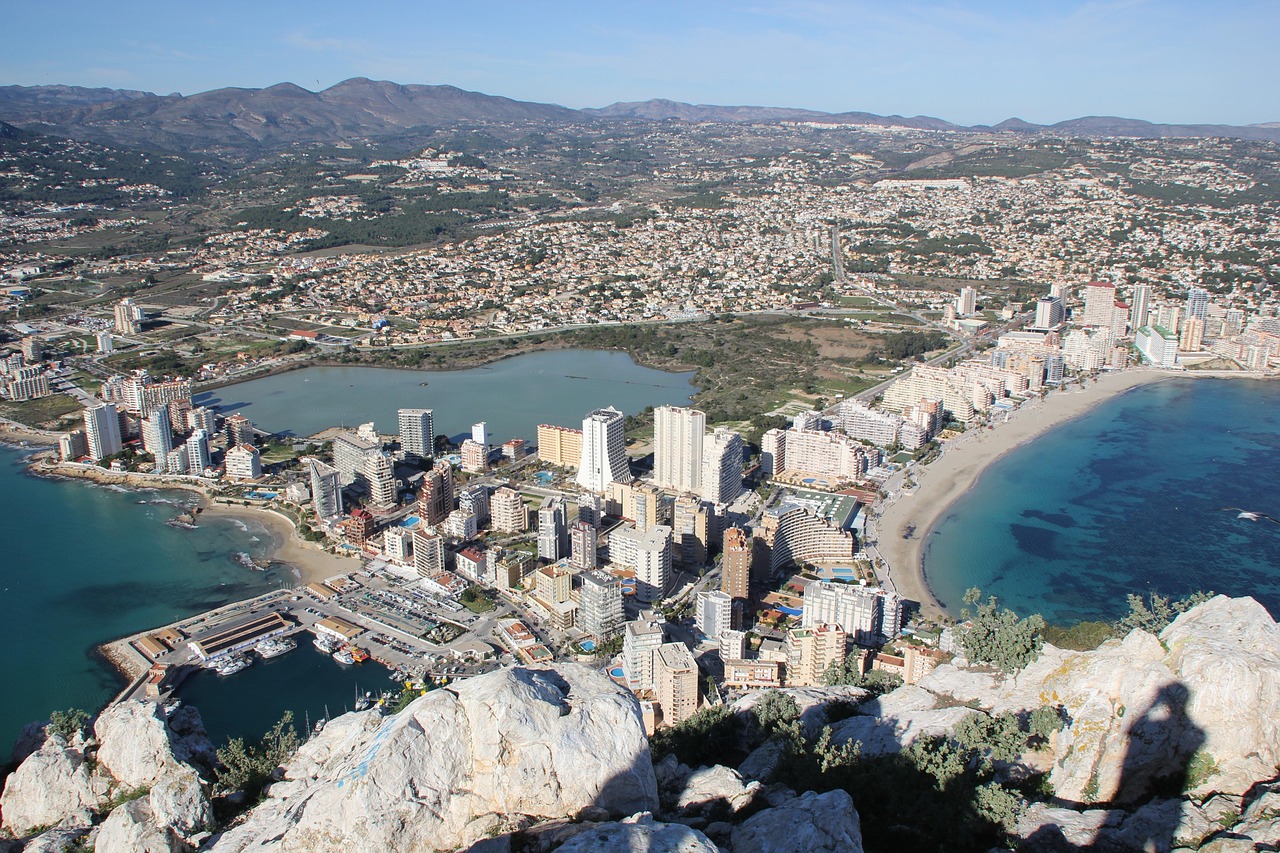
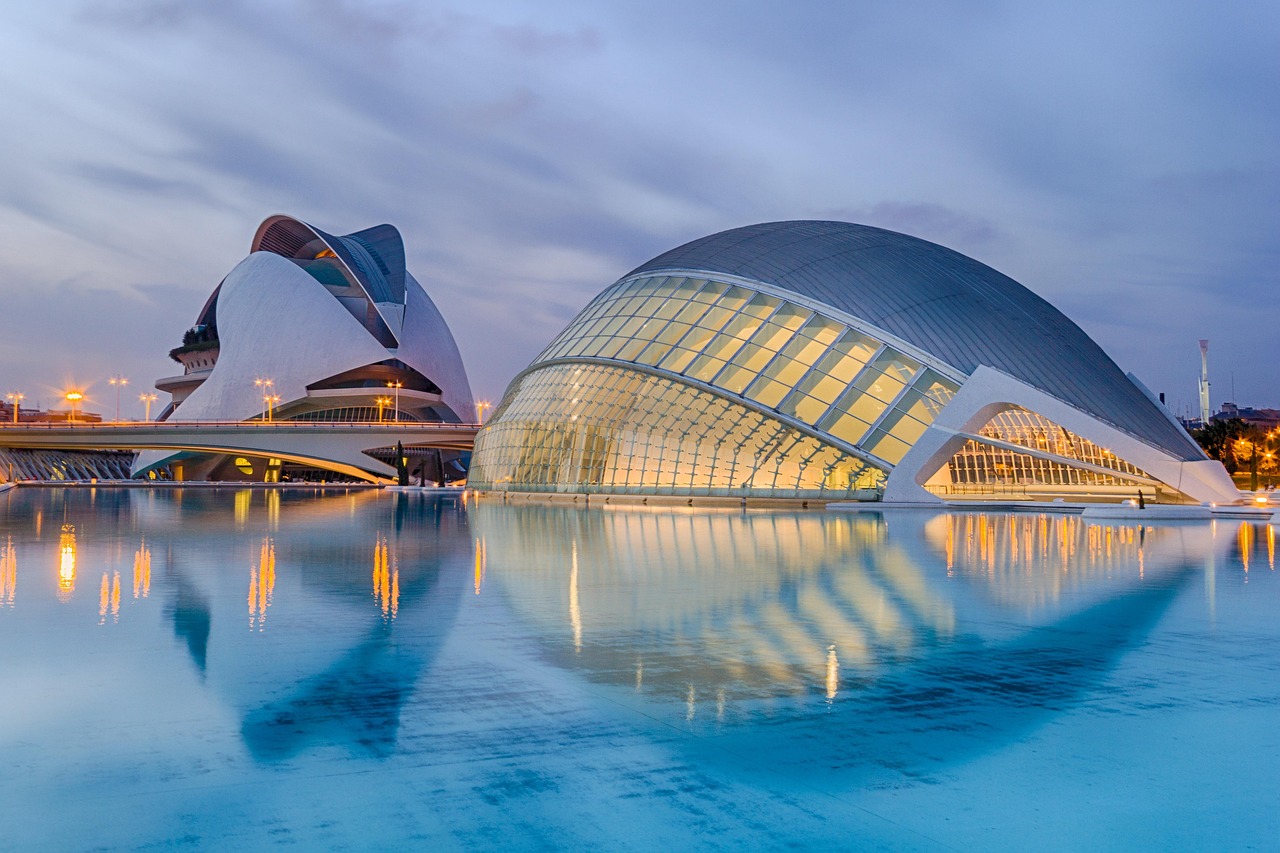
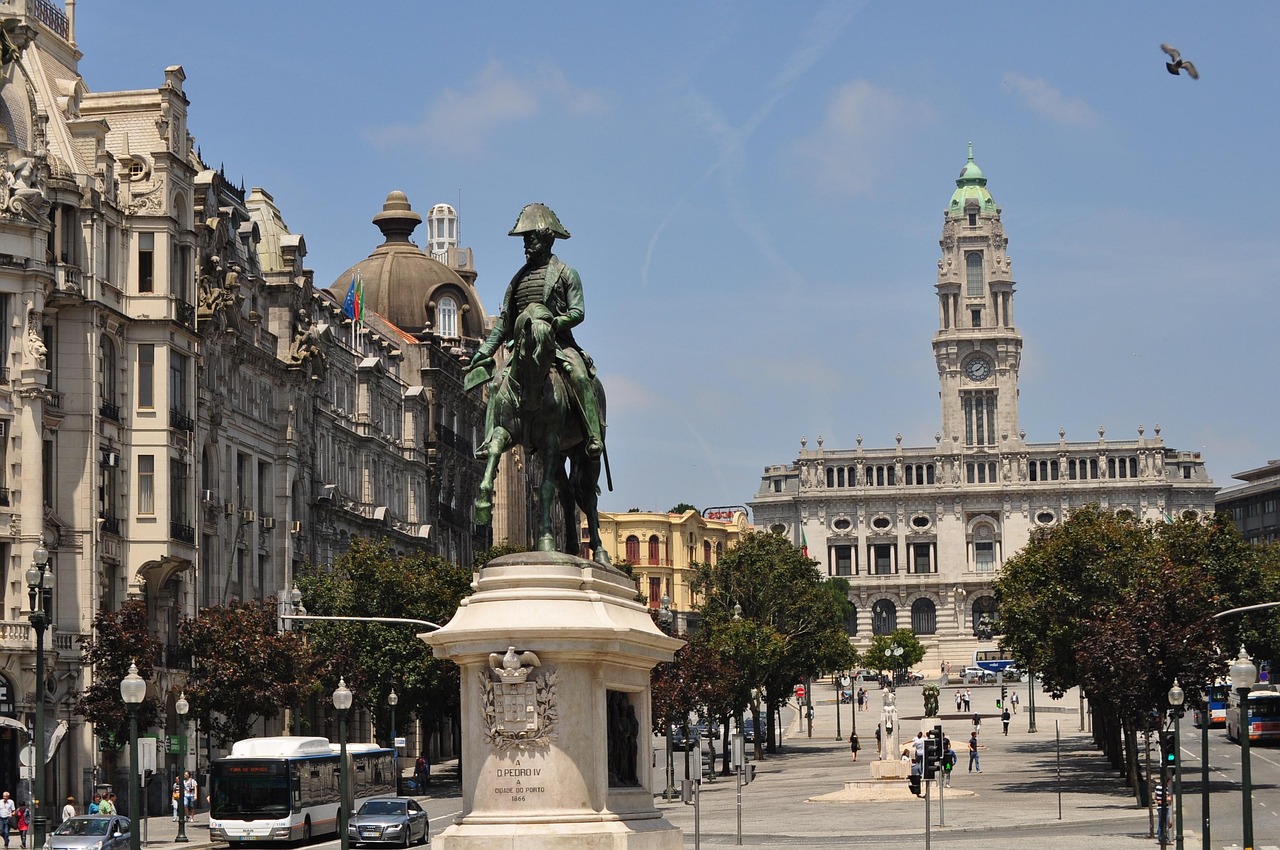
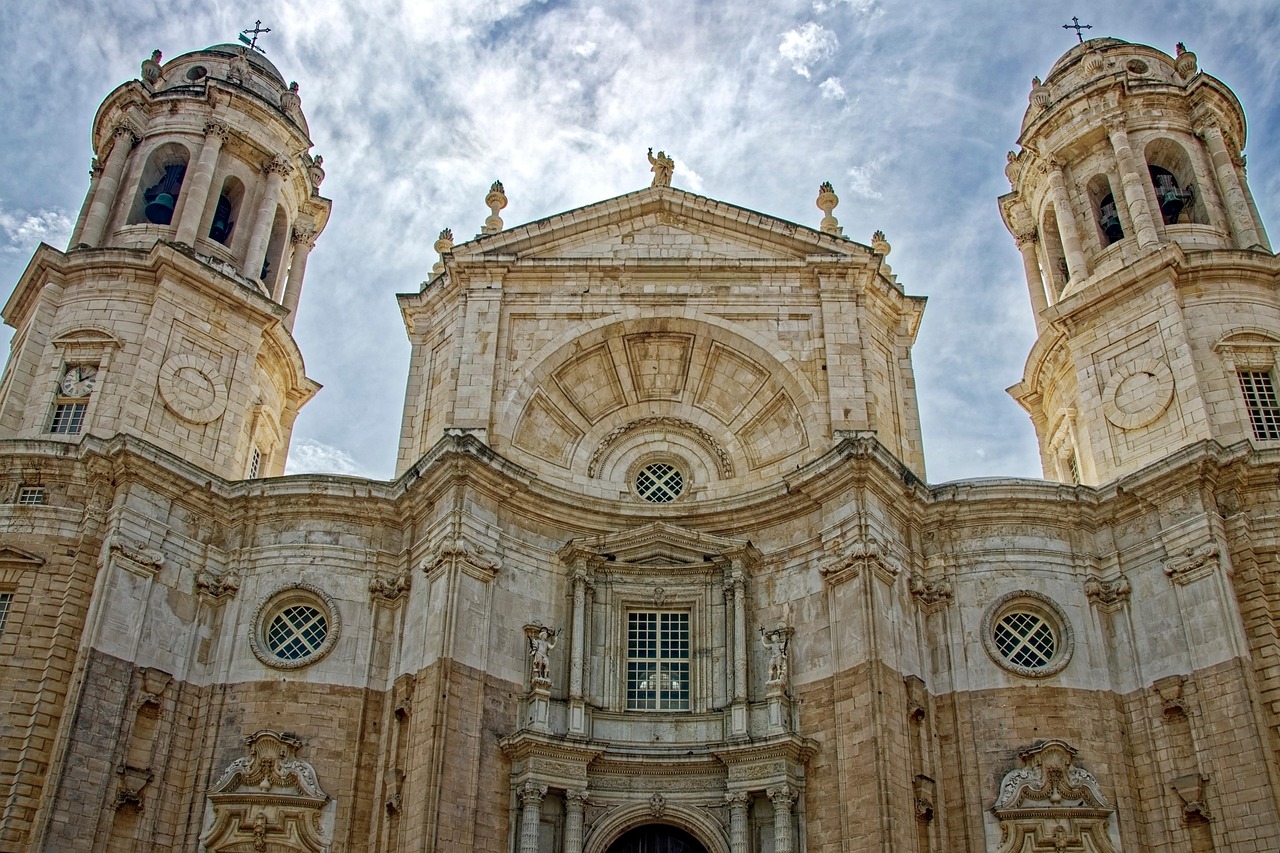

The first time I truly saw Setúbal, I was standing on the promenade of Praia da Galhosa, the wind whipping my hair across my face, tasting the distinct metallic tang of salt and industry on my lips. To the uninitiated, Setúbal—nestled deep in the Sado Estuary, flanked by the Arrábida mountains—often feels trapped in a postcard from the mid-20th century. It is a city of fishing boats, of the booming canning industry, and of a certain rugged, unpretentious resilience. But if you look closer, if you peel back the layers of azulejos and stucco, you’ll find something else happening. Beneath the surface of this historic port city, a quiet revolution is taking place. It is a revolution of glass, concrete, and timber; a shift toward a design language that whispers rather than shouts.
"As we approach 2025, the architectural narrative of Setúbal is shifting. For decades, 'modern' here meant functionality—cheap concrete blocks to house a booming workforce. But the 2025-2026 design forecast for the Setúbal District is something else entirely."
It is a sophisticated dialogue between the region’s industrial soul and the urgent, global demand for sustainability. This is your definitive guide to the modern architecture of Setúbal, not just as it stands today, but as it is evolving into the next two years.
The Context: From Salt to Solar
To understand where Setúbal is going, we must understand its roots. The city is defined by its "Mar e Terra" (Sea and Land) identity. The architecture of the past was pragmatic; the "Palácio da Companhia de Jesus" in nearby Azeitão speaks to the aristocratic past, while the salt pans and the towering cranes of the port speak to its industrial might.
However, the 2025 trend is a rejection of the "grey box." Architects in the region are increasingly looking to the Arrábida Natural Park for inspiration, not just materials. We are seeing a move toward "organic brutalism"—a style that honors the raw, concrete heritage of Portuguese modernism (think Álvaro Siza Vieira’s influence) but softens it with biomorphic shapes and heavy integration of greenery.
The "Casa na Arrábida" style—large, cantilevered volumes that seem to float over the limestone slopes—is the aspirational blueprint for the wealthy suburbs of Quinta do Anil and Aldeia de Paio Pires. These homes are defined by floor-to-ceiling glass walls that dissolve the barrier between the living room and the sweeping views of the estuary. The trend for 2025 is "framed views," where the window is not just a hole in the wall, but the primary piece of art in the home.
Trend Spotting: The 2025-2026 Aesthetic
If you are looking to build, buy, or simply appreciate the modern architecture of Setúbal in the coming years, here are the specific trends defining the district:
Trend 1 The Biophilic Industrial
Setúbal’s industrial heritage is being reclaimed. Instead of hiding the steel beams and ductwork, new renovations in the city center are exposing them. However, they are pairing this industrial grit with "biophilic" design—massive indoor plant installations, living walls, and reclaimed wood from old fishing boats.
In the new mixed-use developments springing up near the "Vila Nogueira de Azeitão," you’ll see this trend in spades: raw concrete floors polished to a high shine, contrasted with warm, teak joinery and lush vertical gardens.
Trend 2 Solar Minimalism
With the Alentejo sun beating down and the winter winds howling off the Atlantic, the 2026 minimalist home is a machine for living. We are seeing a surge in "passive solar" design. Architects are using deep overhangs and brise-soleil (sun breakers) that aren't just functional but sculptural.
Imagine a house painted in the soft, chalky whites of the Arrábida stone, punctuated by recessed shadows. It is a minimalism that feels cool to the touch, a necessary respite from the heat.
Trend 3 The "Estuário" Color Palette
While the structures are concrete and white, the interiors are shifting away from the stark Scandi-white. The 2026 forecast predicts a return to the colors of the Sado: muted teals, deep indigos, and the oxidized greens of weathered copper. It’s a sophisticated nod to the maritime context without resorting to kitschy nautical themes.
The Great Renovation Wave
Perhaps the most exciting aspect of Setúbal’s architectural scene is not new builds, but the renovation of the old "barracas" (traditional single-story houses) and mid-century apartments. The cost of land in the Lisbon metropolitan area is pushing developers and young families south to Setúbal. Here, they are buying crumbling structures and turning them into architectural gems.
The challenge, and the trend, is "sympathetic contrast." You don’t turn a 1960s block into a fake manor house. You strip it back, insulate it (a huge priority for 2025 energy standards), and wrap it in a new skin of Corten steel or burnt-wood cladding (Shou Sugi Ban). It is a style that respects the past while aggressively future-proofing the home.
A Deep Dive: Three Locations You Must Visit
To truly understand the modern pulse of Setúbal, you need to walk the streets. Here are three locations that exemplify the 2025-2026 design ethos.
Location 1: The Cultural Catalyst – Museu de Setúbal (Museu de São Julião)
The Museu de Setúbal is the anchor of the city’s cultural renaissance. Housed in the former Church and Convent of São Julião, the building is a masterclass in contemporary adaptation. The architecture here is a conversation between the 16th century and the 21st. The renovation respects the historic skeleton but inserts stark, modern volumes—glass boxes and white gallery spaces—that slide inside the stone ruins like a hand in a glove.
Walking through the permanent collection, you are constantly aware of the architecture. The way the modern lighting hits the ancient stone, the way the new staircases cut through the old cloister—it is a physical manifestation of Setúbal’s identity. This building is the blueprint for the adaptive reuse projects we expect to see explode in the Setúbal district between 2025 and 2026.
Location 2: The Residential Aspiration – The "Vale de Zebro" Villa Enclave
While not a single building, the Vale de Zebro area represents the cutting edge of residential modernism in the district. This is where the money is going. If you drive up from the city center toward the Arrábida foothills, the architecture shifts dramatically from traditional to avant-garde.
Here, the 2026 trend is "horizontal luxury." The houses hug the ground. You won’t see towering mansions; instead, you see long, low-slung pavilions with flat roofs and deep overhangs. The materials are crucial: local limestone (pedra rija), large format porcelain tiles that mimic concrete, and expansive sliding glass doors that can vanish entirely, turning the living room into a covered terrace.
Location 3: The Public Space of Tomorrow – Parque Urbano da Liberdade
You cannot talk about architecture without talking about the spaces that connect buildings. The Parque Urbano da Liberdade is undergoing a transformation that aligns perfectly with the 2025 urban design trends. It is becoming a model for "pocket parks" and sustainable urban drainage.
The architecture here is landscape architecture. Look for the new use of "permeable pavement" and native, drought-resistant planting schemes. The park features modern pergolas made of sustainably sourced timber that provide shade without blocking the sea breeze. It is a space designed for the human scale.
The Economics and Sustainability of Building in Setúbal (2025-2026)
For those reading this guide with a calculator in hand, the practical side of the modern architecture boom in Setúbal is just as important as the aesthetics. The cost of construction in Portugal has risen due to material shortages and labor demands, but Setúbal remains more affordable than the immediate periphery of Lisbon.
Renovation Costs
In 2025, expect renovation costs to range between €1,200 and €1,800 per square meter for a high-quality, energy-efficient modernization. New builds in the premium sectors (like the aforementioned Vale de Zebro) will command higher prices, but the value retention is excellent.
Regulatory Landscape
The real driver for 2025-2026 is the "Simplificar" program by the Portuguese government, aiming to streamline licensing. This is expected to accelerate the approval of modern architectural projects that meet strict sustainability criteria.
The nZEB Standard
Speaking of sustainability, this is non-negotiable. The "Near Zero Energy Building" (nZEB) standard is now mandatory. In Setúbal, this means:
- Solar orientation: Maximizing south-facing glass for winter heat gain, protected by summer shading.
- Thermal Insulation: Using cork (aglomerado de cortiça), a local, renewable resource, to insulate walls and roofs.
- HVAC: A shift toward air-source heat pumps and underfloor heating, powered by rooftop photovoltaic panels.
The architects of Setúbal are embracing these constraints as design opportunities. A south-facing roof covered in solar panels is no longer an eyesore; it’s a statement of intent.
The Human Element: Living the Modern Life
Ultimately, architecture is not about lines on a page; it is about how you feel when you wake up in the morning. The modern architecture of Setúbal is designed to embrace the rhythm of the sun.
Imagine a morning in a 2025-built apartment on Avenida Luisa Todorovich. You wake up, slide open the glass door to the balcony, and the air smells of the sea and the nearby orange groves. The interior is cool, silent, and flooded with light. The noise of the city is buffered by triple-glazed glass. You step out onto a balcony that features a "jardim vertical" (vertical garden) that insulates the wall and attracts hummingbirds.
Or imagine a Sunday afternoon in a renovated townhouse in the historic center. The exterior is traditional, painted a faded yellow, but the interior has been gutted. The kitchen is a monolithic island of white quartz. The floor is polished concrete with underfloor heating. You are hosting friends, and the layout flows effortlessly from the kitchen to the patio, where a Corten steel water feature provides a soothing background noise that masks the sounds of the street.
This is the promise of the 2025-2026 guide. It is not about building glass boxes in a field. It is about integrating the discipline of modern design with the chaotic, beautiful, sensory richness of Setúbal. It is about respecting the Arrábida mountains, honoring the Sado River, and creating spaces that allow the people of this region to live better, lighter, and more beautifully.