The Ultimate Guide to the Mafra to Ericeira Bus: Schedules, Tickets, and Scenic Travel
The first time I truly appreciated the magic of a bus ride in Portugal was not in a sleek, air-conditioned coach speeding down a highway, but on a local bus winding its way through the rolling, cork-oak-dotted hills of the Ribatejo. It was a slow, rhythmic affair. Through the smeared glass, I watched the landscape shift from manicured vineyards to rugged, pine-scented terrain. The air, thick with the scent of wild thyme and damp earth, drifted in through a cracked window. It was on that journey, listening to the gentle murmur of Portuguese conversation and the hiss of the bus’s pneumatic brakes, that I realized these metal vessels are more than just transport; they are the veins of a region, pumping life, stories, and commuters from the historic heartlands to the wild, beating heart of the Atlantic coast.
This is precisely the feeling I get when thinking about the route from Mafra to Ericeira. On the surface, it is a simple query, a search bar blinking with a practical need: "Mafra to Ericeira bus schedule." But beneath that practicality lies a journey rich with contrast. You are moving from the monumental, landlocked grandeur of the Mafra National Palace—a town defined by baroque ambition and royal history—to the salty, wind-whipped freedom of a World Surfing Reserve. It is a transition from stone to sea, from the structured to the wild. And the bus is your humble, reliable chariot for this passage.
The Modern Conductor: Understanding Carris Metropolitana
For years, navigating the suburbs of Lisbon and its surrounding jewels was a patchwork of different companies, each with its own quirks, tickets, and territories. Then came the integration, the great unification: Carris Metropolitana. This is the name you need to know. It is the operator that now stitches together the transport network, making the journey from Mafra to Ericeira smoother and more accessible than ever before.
Before this change, you might have hopped on a bus with a different local name, fumbling for exact change or trying to decipher an older, more isolated timetable. Now, the green and white livery of Carris Metropolitana is a familiar sight, a symbol of the connectedness of the Lisbon Metropolitan Area. It signifies a modern approach to a classic mode of travel. This isn't the red double-decker of London or the rattling streetcar of New Orleans; this is a sleek, efficient system designed to serve the sprawling, beautiful suburbs that make up this region.
When you board a Carris Metropolitana bus, you are stepping into a system that values punctuality and clarity. The buses are typically modern, clean, and equipped with digital displays announcing the next stop—a godsend for a traveler who might not recognize the subtle shift from the urban sprawl of Mafra to the more rugged, coastal villages along the way. The drivers, often weathered men with a no-nonsense demeanor, are the unsung heroes of this route. They know every bend in the road, every request stop, and every local who boards with a familiar nod. They are the guardians of the timetable, and while they might not offer a guided tour, their steady hand on the wheel is what makes this journey possible.
The Heart of the Journey: Mafra’s Bustling Hub
Your journey begins in the formidable shadow of the Palácio Nacional de Mafra. You can almost feel the weight of history as you make your way to the bus stop. The main bus terminal in Mafra is a place of transit and anticipation, located conveniently near the town center. It’s a hub of activity, a microcosm of local life.
Mafra Bus Terminal (Terminal Rodoviário de Mafra)
- Address: Praça do Império, 2640-000 Mafra, Portugal
- General Hours: The terminal is generally active from ~5:30 AM to 11:00 PM. The first bus to Ericeira usually departs around 6:00 AM.
- Practical Tip: Rely on the live bus timetable for actual departures, as the terminal itself is a public space.
Standing here, you are surrounded by the rhythm of daily life. There’s the elderly woman with a cart full of fresh produce, likely heading home after a morning market. There’s the group of teenagers, headphones on, laughing as they plan their day. And there’s the lone traveler, like yourself, checking their phone one last time, trying to match the digital timetable to the physical reality of the buses parked at the curb.
The Scenic Route: A 45-Minute Cinematic Experience
The journey itself is a piece of living cinema. The bus schedule from Mafra to Ericeira is frequent enough that you rarely have to wait long, but the time spent on board is the real treasure. The route is approximately 15-18 kilometers and, depending on traffic and the number of stops, takes anywhere from 35 to 50 minutes. But don't look at your watch. Look out the window.
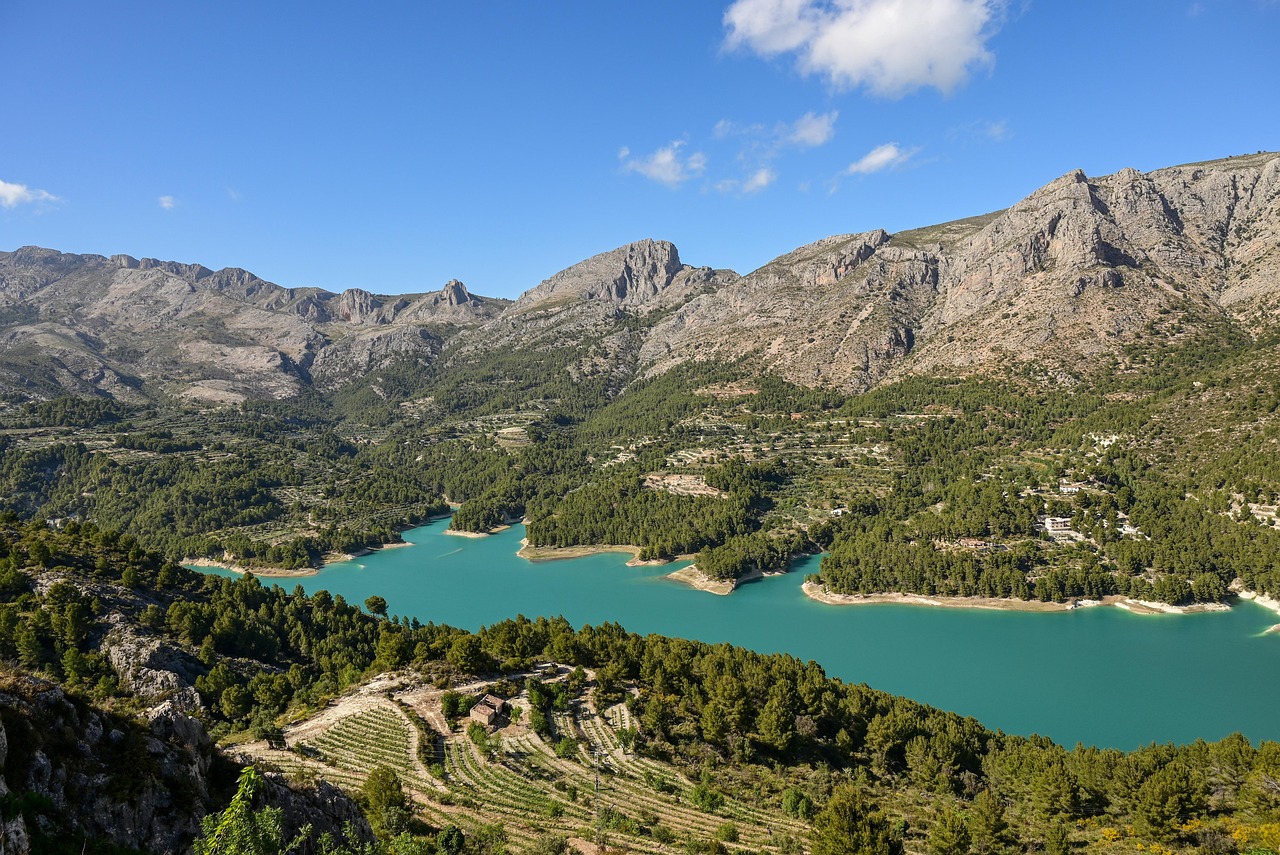
You’ll leave the stately, almost imposing architecture of Mafra behind. The bus will navigate the town's perimeter, past local shops and residential streets where life is lived at a slower pace. Soon, the landscape begins to open up. Fields give way to rolling hills, and the sky, a vast and often brilliant blue, feels immense. On a clear day, you can see the distant shimmer of the Atlantic.
The route takes you through charming enclaves like Santo Isidoro, known for its agricultural roots. You’ll see plots of land where locals grow their vegetables, a patchwork of green and brown. The air begins to change subtly, the terrestrial scents of earth and grass slowly infused with a briny, salty tang. It’s the smell of the ocean calling you closer.
The Arrival: Ericeira’s Salty Embrace
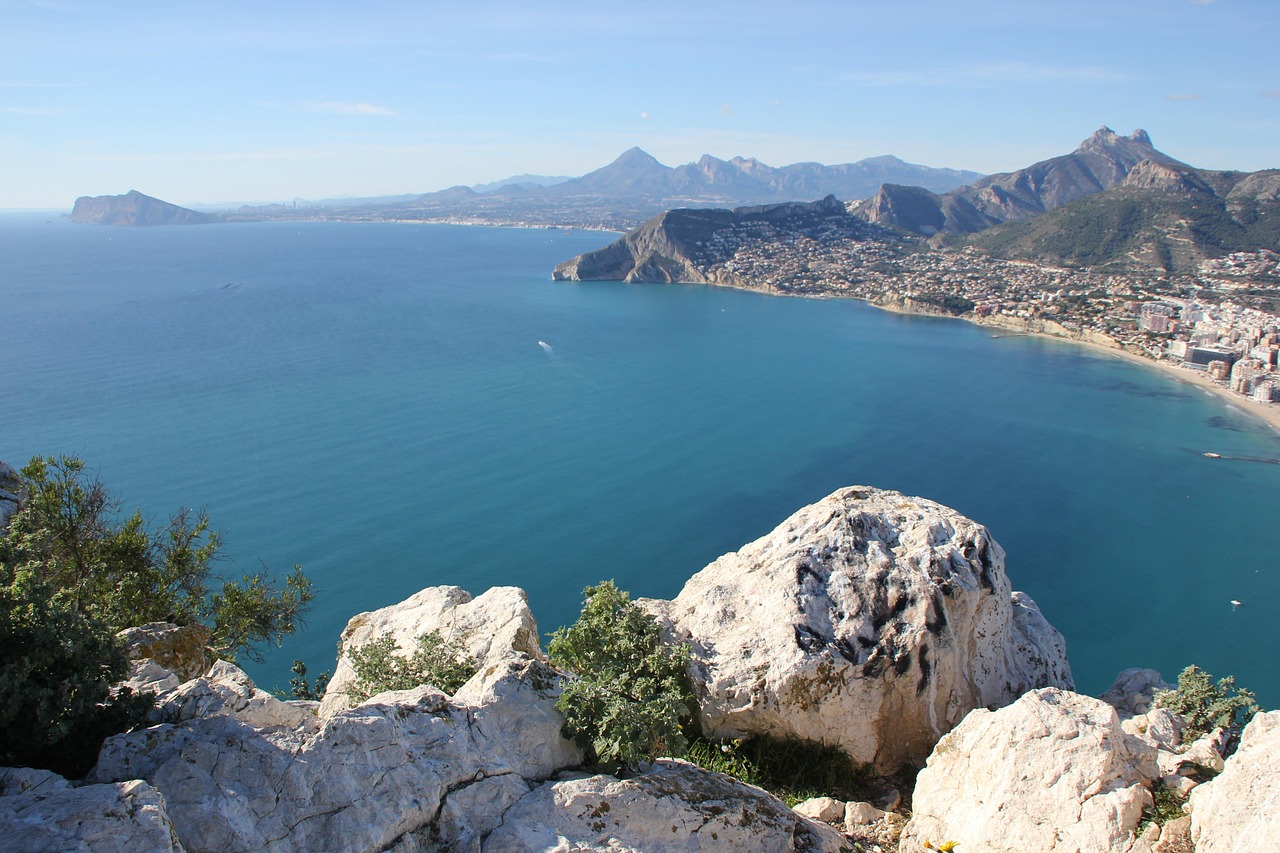
As the bus descends into Ericeira, the atmosphere shifts palpably. The air grows cooler, crisper, and carries the unmistakable scent of salt and seaweed. You’ll see the first signs of the fishing village heritage—whitewashed houses with blue trim, fishing nets piled on a dock, perhaps a trawler heading out to sea. The bus navigates the town’s narrow streets, a stark contrast to the wider roads of Mafra, and finally comes to a stop at its modern, functional terminal.
Ericeira Bus Terminal (Terminal Rodoviário da Ericeira)
- Address: Rua da Barrosa, 2655-001 Ericeira, Portugal
- Arrival Time: The first bus from Mafra typically arrives around 6:30 AM. The last arrivals are usually around 10:00 PM.
- Location: Just a short walk from the town center and the main fishing harbor.
Stepping off the bus is like walking into a different world. You are immediately enveloped by the sound of the ocean—a constant, rhythmic roar that underpins everything in Ericeira. This is where the practicalities of the bus schedule fade and the joys of arrival take over. You’ve made it. You’ve traded the landlocked history of Mafra for the maritime soul of Ericeira.
The Nuts and Bolts: Tickets, Prices, and Practicalities
Now, let’s get down to the brass tacks. You want to know about tickets, prices, and how to make this journey seamless.
Tickets and Fares
The Mafra to Ericeira route is a short-haul journey within the Lisbon Metropolitan Area. A single ticket purchased directly from the driver typically costs around €2.50 - €3.00. However, for the savvy traveler, the Viva Viagem card is essential.
This reusable, rechargeable green card costs about €0.50 to purchase initially. When loaded with money ("zapping"), the fare drops to around €1.60 - €2.00. The card can be topped up at machines in major metro stations or at designated kiosks.
Booking and Frequency
For this route, online booking is not required; it is a turn-up-and-go service. The "online booking" aspect is best used for checking the Mafra to Ericeira bus timetable on the official Carris Metropolitana website, Moovit, or Google Maps for real-time schedules.
- Off-Peak: Buses run approximately every 45-60 minutes.
- Peak Season (Summer): Frequency increases dramatically, with buses every 20-30 minutes.
- Journey Duration: The journey takes between 35 and 50 minutes.
Last Departure and Key Stops
A critical piece of information is the Mafra to Ericeira bus last departure. The final bus from Mafra is typically around 9:30 PM, but this is subject to change, so always double-check on the day. In Mafra, start your journey at the Terminal Rodoviário de Mafra. In Ericeira, you will arrive at the Terminal Rodoviário da Ericeira.
In the end, the Mafra to Ericeira bus is a testament to the enduring appeal of bus travel. It’s democratic, it’s scenic, and it’s deeply connected to the rhythm of local life. It’s a journey that offers more than just transportation; it offers a perspective. It allows you to witness the subtle, beautiful shifts in a landscape, to feel the pulse of the region, and to arrive at your destination not just dropped off, but fully arrived, with the scent of the sea already on your clothes and the sound of the waves already in your ears. And that, I believe, is the only way to truly travel.