

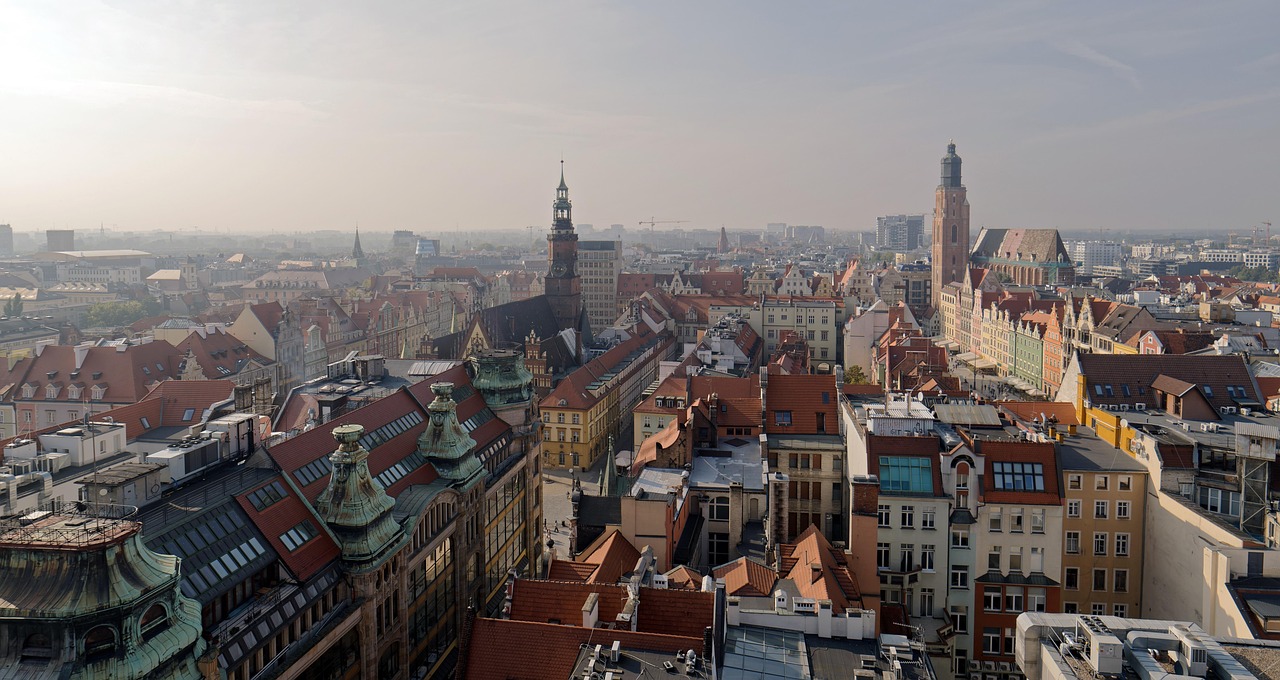
Let’s be honest, we’ve all been there. You land in Lisbon, the sun is hitting those iconic terracotta roofs, the air smells of salt and grilling sardines, and you feel that intoxicating blend of freedom and panic. Freedom because you’re in one of Europe’s most beautiful, soulful cities. Panic because you realize you have exactly twelve hours to squeeze a lifetime of experience into a day trip, and you did that thing where you packed based on wishful thinking rather than reality.
I’ve made every mistake in the book. I’ve worn blisters onto my feet that still haunt me in my dreams. I’ve been caught in a sudden downpour without a jacket, looking like a drowned rat while locals strolled past, dry and smug under their jaunty umbrellas. I’ve forgotten a portable charger and spent the last two hours of my trip frantically searching for an outlet instead of watching the sunset over the Alfama district.
So, I’m writing this for you. Think of me as your slightly older, much more cynical sister who has lived through the Lisbon day trip chaos and come out the other side with a killer packing list and a deep appreciation for sensible shoes. This isn't just a list of things to throw in a bag; it’s a blueprint for a perfect day. We’re going to cover the ten things that will elevate your day from "survivable" to "sublime." These are the items you’ll look back on at 10 PM, feet sore but happy, and think, "Damn, I’m glad I packed that."
Let’s dive in.
1. The "Anti-Blister" Footwear: Your Day’s Foundation
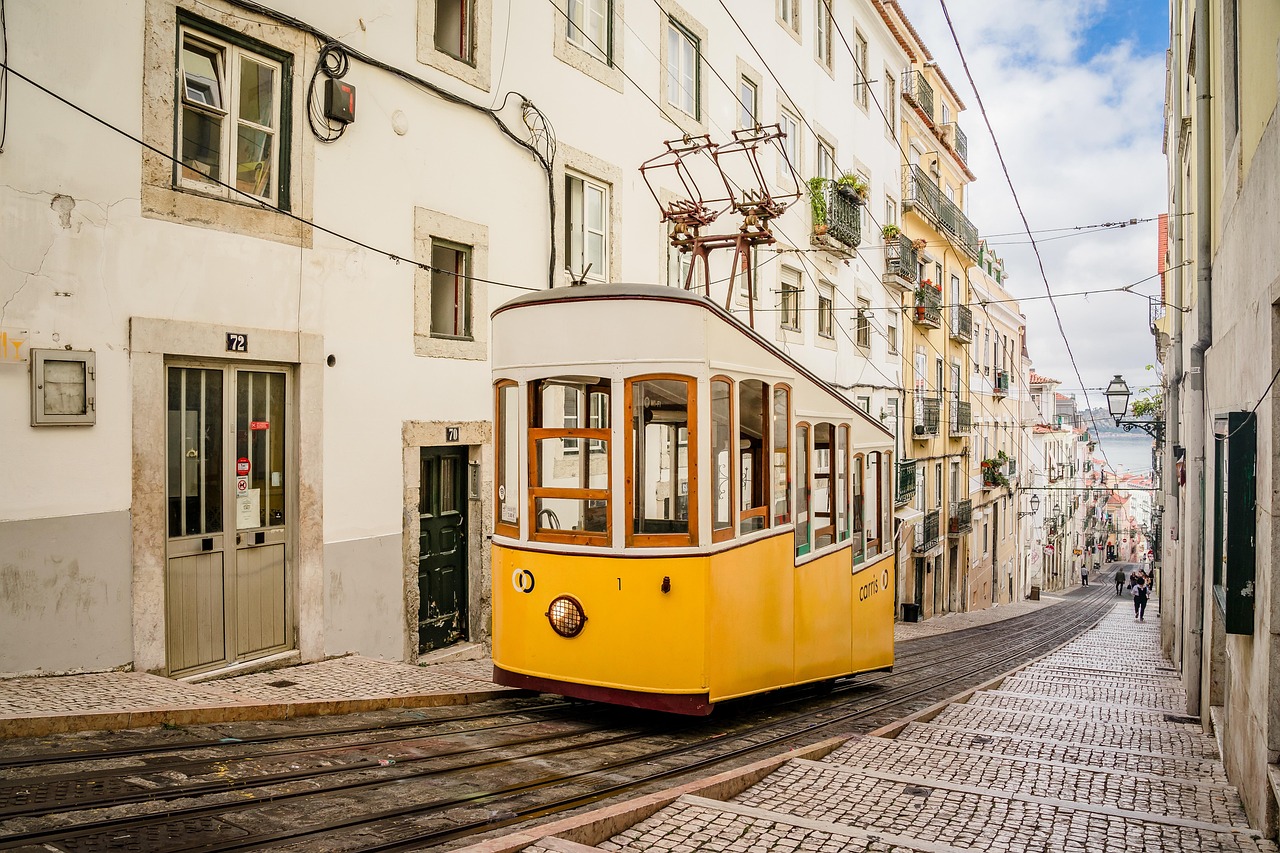
I know, I know. You want to look cute. You have those brand-new leather sandals or those sleek, minimalist sneakers that look amazing on Instagram. I am here to tell you to put them back in the closet. Lisbon is a city built on seven hills, and the pavement is a cruel mistress composed of two things: ancient, uneven cobblestones (the calçada portuguesa) that are a slipping hazard when wet, and steep, relentless inclines.
Your feet are the engine of your day trip. If they fail, the trip fails.
My non-negotiable is a pair of well-broken-in, supportive walking shoes with a decent grip. For me, that’s a pair of trail running shoes or high-quality, cushioned sneakers. They don’t have to be fashionably clunky, but they must prioritize function. Think of it this way: you’ll be walking over 20,000 steps, easy. You’ll be navigating the labyrinthine streets of Alfama, climbing up to the Castelo de São Jorge, and potentially dodging the little yellow trams that seem to materialize out of nowhere. A good sole is your best friend.
I remember my first trip. I wore a pair of fashionable espadrilles. By noon, I was walking like a newborn foal. By 2 PM, I was sitting on a bench near the Fado Museum, openly weeping while trying to get a pebble out of my shoe. A lovely local woman took one look at my flimsy footwear and just shook her head, a gesture of pure pity. Don’t be me. Save the fashion footwear for the flat, tiled streets of Chiado after 6 PM. For the day, prioritize comfort above all else.
2. The Layering Trinity: Dressing for "Four Seasons in One Day"
Lisbon’s weather in 2026 is as unpredictable as a cat on a hot tin roof. The city sits at the mouth of the Tagus River, and the Atlantic Ocean is right there, whispering its meteorological secrets to the wind. You can start your morning in a sunny, warm haze, find yourself in a chilly, shadowy alleyway an hour later, and then get caught in a sun-shower that leaves you damp and confused.
This is why the Layering Trinity is a non-negotiable.
- Base Layer: A breathable t-shirt or tank top. Think cotton, linen, or a technical fabric that wicks moisture. You will be moving, and you will get warm.
- Mid-Layer: A light long-sleeved shirt, a thin sweater, or a fleece. This is your temperature regulator. It’s for the moments the wind whips up Rua Garrett, for sitting in an air-conditioned café, or for the surprisingly chilly evening air that rolls in around 6 PM.
- Outer Layer: A packable, lightweight, and (crucially) waterproof or water-resistant windbreaker. This is your shield. I have a ridiculously thin, crinkly jacket that folds into its own pocket. It’s not stylish, but it has saved me from countless downpours. It blocks the wind, it sheds the rain, and it weighs nothing.
The mistake people make is packing one "heavy" item, like a chunky wool sweater. It’s too hot to walk in, and it’s a pain to carry. The Trinity system allows you to adapt in seconds. You add or subtract layers as you go, staying comfortable from the first pastel de nata to the last glass of Vinho Verde.
3. The Daypack: Your Mobile Basecamp
You need a bag. Not a purse that digs into your shoulder, not a tote bag that swings around and hits strangers, but a proper daypack. This is your command center.
My weapon of choice is a 20-25 liter, lightweight backpack with a zippered main compartment and at least one external pocket. Why so specific? Because Lisbon demands it.
First, security. Pickpockets are an unfortunate reality in any major tourist city, and they are skilled. A backpack worn on your back in a crowded metro car is a risk. I prefer a "sling" style bag that I can wear across my chest, or a traditional backpack that I can keep in my line of sight. The key is zippers that close securely. Avoid open-top totes like the plague.
Second, utility. You need space for your water bottle (we’ll get to that), your extra layers, your snacks, and any souvenirs you might pick up (a small bottle of Ginja, perhaps?). The external pocket is vital for things you need to grab quickly: your phone, your transit card (Viva Viagem), your sunglasses. Fumbling in the main compartment while jostling for a spot on the Number 28 tram is a recipe for disaster.
A good daypack is also a place to stash a small, foldable tote bag. These are brilliant for popping into a Mercado da Ribeira (Time Out Market) to grab some cheese or bread for an impromptu picnic, without having to carry a shopping bag all day.
Pro Tip: If you’re feeling fancy, there are also several "Water Genius" fountains around the city that offer filtered, chilled water for a small fee. But the public fountains are free and part of the charm. Just make sure your bottle has a secure lid—you don’t want it spilling all over your bag or, worse, your passport.
4. The Hydration Hero: The Reusable Water Bottle
Lisbon is surprisingly hot in the summer. You’ll be walking, climbing, and sweating. And the Portuguese sun has a way of making you thirsty. Buying plastic water bottles all day is not only expensive but also environmentally grim.
My essential is a sturdy, lightweight reusable water bottle (around 500-750ml). The magic of Lisbon is that it is dotted with public water fountains (chafarizes) that provide fresh, cold, and perfectly drinkable water. You’ll see them in squares, near churches, and in parks. Topping up your bottle is a piece of cake.
There’s a specific joy in finding one of these fountains. It feels like a discovery, a small connection to the city’s history and its practical, sun-drenched present. I once found a beautiful, tiled fountain near the Feira da Ladra flea market, refilled my bottle, and felt like I had unlocked a secret level of the city.
5. The Sun Shield: A Hat, Sunglasses, and Sunscreen
The Lisbon sun is a deceiver. It feels gentle, especially with the ocean breeze, but it is relentless. The light here has a particular quality—a bright, sharp clarity that bounces off the pale buildings and the Tagus River. It’s beautiful, but it’s also brutal.
This is where the Sun Shield comes in.
- Hat: A brimmed hat is your best friend. It doesn’t have to be a giant, floppy sunhat (though I salute those who commit). A simple baseball cap, a straw hat, or a panama hat will do. It keeps the sun off your face, out of your eyes, and, crucially, helps regulate your head temperature, preventing heat exhaustion.
- Sunglasses: Non-negotiable. The glare from the white and yellow buildings, especially in Alfama and Baixa, is intense. You need good UV protection. Plus, they allow you to people-watch and admire the architecture without squinting.
- Sunscreen: Don’t be fooled. I don’t care if you’re "not a sunscreen person." Lisbon will change your mind. Apply it in the morning to your face, neck, and any exposed skin. Pack the tube and reapply midday, especially if you’re near the water. A sunburn on day one of your trip is a tragic way to spend the next few days indoors with aloe vera.
6. The Power Up: Portable Charger and Universal Adapter
Your phone is your map, your camera, your translation tool, your ticket validator, and your connection to the world. In a city where you rely on it to navigate winding streets and book last-minute dinner reservations, a dead battery is a catastrophe.
A slim, high-capacity portable charger is a lifesaver. I recommend one that can charge your phone at least twice. You don’t need a giant brick; a lightweight model that fits in your daypack’s external pocket is perfect. You can top up your charge while you’re sitting on the tram or enjoying a coffee.
And let’s not forget the universal adapter. Portugal uses Type C and Type F plugs (the standard European two-pin). If you’re coming from North America or the UK, you will not be able to charge anything without an adapter. I once spent a frantic evening in Lisbon trying to find an open electronics store because I had packed the wrong adapter for my laptop. Don’t be that person. Get a solid universal adapter with a USB-C port.
7. The Lisbon-specific Fashion Essentials: Style Meets Sensibility
This category is for the details that elevate your comfort and style in the specific context of Lisbon.
First, a lightweight scarf or pashmina. This is the most versatile item you can pack. It weighs nothing and can be used in a dozen ways:
- As a shawl to cover your shoulders if you want to pop into the Sé Cathedral (cathedral etiquette often requires covered shoulders).
- As a blanket for an impromptu picnic in the Jardim da Estrela.
- As a shield from the wind on the Miradouro de Santa Catarina.
- As a fashion accessory to dress up a simple t-shirt and jeans for an evening Fado show.
Second, for 2026, consider the local vibe. Lisboners have a relaxed but put-together style. Think "effortless chic." Linen trousers, well-fitting jeans, simple cotton dresses. If you’re a photographer, you’ll want to look at your packing list through a different lens—literally. A polarizing filter can be a game-changer for cutting the glare on the Tagus River or the wet cobblestones after a rain shower. And a small, lightweight camera bag is better than a huge, intimidating one if you want to blend in.
8. The Snack Stash: Because "Hangry" is Real
Portuguese food is a highlight of any trip, but you can’t plan your entire day around meal times. Queues for famous restaurants can be long, and sometimes you just need a little boost to get you up that last hill in Alfama.
This is why I always pack a small "snack stash."
- A banana (nature’s perfect packaging).
- A granola bar or a packet of nuts.
- A small bag of Salame de Chocolate (a delicious, dense chocolate and cookie log, a must-try if you haven’t).
Having a small, non-perishable snack on hand prevents you from making bad decisions. It stops you from paying 10 euros for a mediocre sandwich at a tourist trap next to the Jerónimos Monastery because you’re too hungry to find somewhere better. It keeps your energy levels stable. It’s a small thing, but it makes a huge difference to your mood and your day.
9. The Cash and Card Combo: Navigating the Money Maze
Portugal is modern, and card payments are widely accepted, even for small purchases. You can tap your phone for a coffee, a tram ticket, or a souvenir. However, relying solely on cards is a rookie mistake.
I always carry a small amount of cash (around 30-50 euros) in small denominations. Why?
- The "Churros" Man: Some of the best street food vendors are cash-only.
- The Tiny Shop: That adorable little shop selling handmade ceramics in Alfama might have a minimum card spend or a finicky machine.
- Tipping: While not mandatory, it’s polite to leave a small cash tip for excellent service in a restaurant or for a helpful tour guide.
- Emergencies: If your card gets blocked or a machine eats it, you need a backup.
My system is this: keep the bulk of your cash and your main credit card in a secure, zipped pocket inside your daypack (or a money belt if you’re that way inclined). Keep a smaller amount, along with your daily-use card and transit card, in a more accessible pocket or a front-facing pouch. This way, you’re not flashing a wad of cash every time you buy a bottle of water.
10. The Attitude of Preparedness: The "Just in Case" Kit
This is the final, most important category. It’s a collection of small, lightweight items that solve problems you didn’t know you’d have. This is your "MacGyver" kit, all packed into a tiny ziplock bag or a small toiletry pouch.
- Plasters (Band-Aids): Specifically, the kind designed for blisters. Even with the best shoes, a long day on cobblestones can create a hotspot. A plaster can be the difference between continuing your day in joy or limping home.
- A Pen: You never know when you’ll need to fill out a customs form, jot down a phone number, or sign for something. The airport pen is always a gamble.
- Tissues/Small Pack of Wet Wipes: For everything from a runny nose to a sticky hand after eating a travesseiro in Sintra.
- Hand Sanitizer: Essential after touching tram poles and before grabbing a pastry.
- A reusable shopping bag (the foldable kind): It weighs nothing and is infinitely better than plastic if you decide to buy a bottle of wine or some fresh fruit.
This kit is the secret weapon of the seasoned traveler. It’s the quiet confidence that comes from knowing you can handle the small, annoying problems without derailing your day.
Putting It All Together: A Sensory Itinerary
So, you’ve packed your ten essentials. Your bag is light, your feet are happy, and you’re ready to conquer the city. What does this look like in practice?
Morning (9:00 AM): The Baixa & Chiado Awakening
You start your day in the Baixa district, the grid-patterned heart of the city. Your stomach is rumbling, so you make a beeline for Manteigaria - Chiado. The address is Rua do Carmo 19, and it’s open from 8:00 AM to 10:00 PM. This isn't just a bakery; it's a temple to the pastel de nata. You walk in and are hit by the smell of caramelized sugar and baking pastry, a scent so potent it feels sticky in the air. The sound is a symphony of whirring mixers and the crisp crackle of pastry as the bakers pull trays from the oven. You watch them dust the counters with flour, a cloud of white that settles like a gentle fog. You order one, still warm, and add cinnamon and powdered sugar. The first bite is a revelation: the custard is rich and eggy, the shell shatters into a thousand buttery shards. It’s messy, it’s hot, and it’s perfect. You’re glad you packed your napkins.
Late Morning (10:30 AM): The Alfama Ascent
With your blood sugar stabilized, you head towards Alfama. This is where your good shoes and your daypack shine. You navigate the steep, narrow streets, the calçada slick underfoot from the morning dew. The walls are covered in azulejos—painted ceramic tiles—in blues and whites, depicting scenes of ships, saints, and pastoral life. You can feel the history here; it’s in the very stones. You make your way up to the Castelo de São Jorge. The address is Rua de Santa Cruz do Castelo, and it’s open from 9:00 AM to 6:00 PM. The entrance fee is worth it for the view alone. You walk along the ancient battlements, the wind whipping your hair (you’re grateful for the hat). The view from up here is breathtaking. You can see the entire city sprawling below, the Tagus River a shimmering silver ribbon, the red roofs like a rumpled blanket. You pull out your light scarf as the wind picks up, wrapping it around your shoulders. You take photos, but you also just sit and absorb the panorama, a moment of pure, unadulterated awe.
Lunch (1:00 PM): A Taste of the Sea
You descend from the castle, your stomach now genuinely demanding lunch. You could go to a fancy restaurant, but today you’re feeling adventurous. You head towards the water, to the Time Out Market (Mercado da Ribeira). The address is Avenida 24 de Julho, and it’s open from 10:00 AM to midnight. This place is an assault on the senses in the best possible way. It’s a cacophony of clinking glasses, shouting vendors, and a hundred different conversations. The air is thick with the smell of grilling octopus, garlic, and fresh bread. It’s a vibrant, chaotic, delicious hub. You use your foldable tote bag to grab a bottle of Vinho Verde from a stall and find a space at a communal table. You eat grilled sardines with a side of peppers and a chunk of cornbread, washing it all down with the crisp, slightly fizzy wine. It’s loud, it’s crowded, and it’s one of the most authentic food experiences you can have.
Afternoon (3:00 PM): Belém and the Sweet Life
You hop on the famous Tram 15 towards Belém. You validate your Viva Viagem card, which you kept in your easily accessible pocket. You find a seat and watch the city roll by. Your first stop is the Pastéis de Belém. The address is Rua de Belém 84-92, open from 8:00 AM to 11:00 PM (until midnight in summer). Yes, this is the other famous custard tart place. The line here can be legendary, but it moves fast. Unlike Manteigaria, these are served straight from the oven, piping hot. The difference is subtle but profound; the pastry is flakier, the custard has a hint of lemon. You eat two. You don’t even feel guilty. You use the wet wipes from your "just in case" kit to clean your sticky fingers.
From there, you walk to the Jerónimos Monastery (Mosteiro dos Jerónimos), Largo do Império 1, open from 10:00 AM to 5:30 PM (check for seasonal changes). You don’t go inside—the line is immense—but you admire the staggering Manueline architecture from the outside. It’s like a lacework of stone, impossibly detailed and ornate. You then walk down to the riverfront to see the Padrão dos Descobrimentos (Monument to the Discoveries) and the Belém Tower. The latter is a fortress that seems to rise directly from the water, a symbol of Portugal’s seafaring past. The sun is starting to dip, casting a golden glow over everything. This is the magic hour. You find a bench, pull out your portable charger to give your phone a boost, and just watch the light change.
Late Afternoon/Early Evening (6:00 PM): The Golden Hour & Fado
You decide to head back towards the city center, but not before catching one last view. You take the metro or a bus up to the Miradouro de Santa Catarina. The address is simply near the top of Calçada do Sacramento, and it’s a viewpoint that’s always open. This is arguably the best spot in Lisbon to watch the sunset. You can see the 25 de Abril Bridge, the Cristo Rei statue across the river, and the boats gliding on the water. The light turns the city to gold and pink. Locals gather here with bottles of wine, musicians play softly, and the atmosphere is pure romance. Your scarf comes out again as the temperature drops.
For your final act, you head down into the maze of Alfama for a Fado experience. You avoid the tourist traps and find a small, authentic casa de fados. You won’t need the name of a specific one; just wander and let your ears guide you. Follow the sound of a mournful guitar and a soul-stirring voice. You find a small place, maybe near the Fado Museum. The room is dark, the air is thick with history and wine. You order a glass of red and listen. You don’t need to understand the Portuguese lyrics to understand the emotion. It’s a feeling of saudade—a longing, a nostalgia for something you might not have even lost. It’s the perfect, deeply human end to a day that started with a checklist and ended with a feeling.
You walk back to your transport, your feet aching but your heart full. You packed smart, you planned well, and you experienced Lisbon not just as a tourist, but as a participant. And tomorrow, you’ll do it all again.