

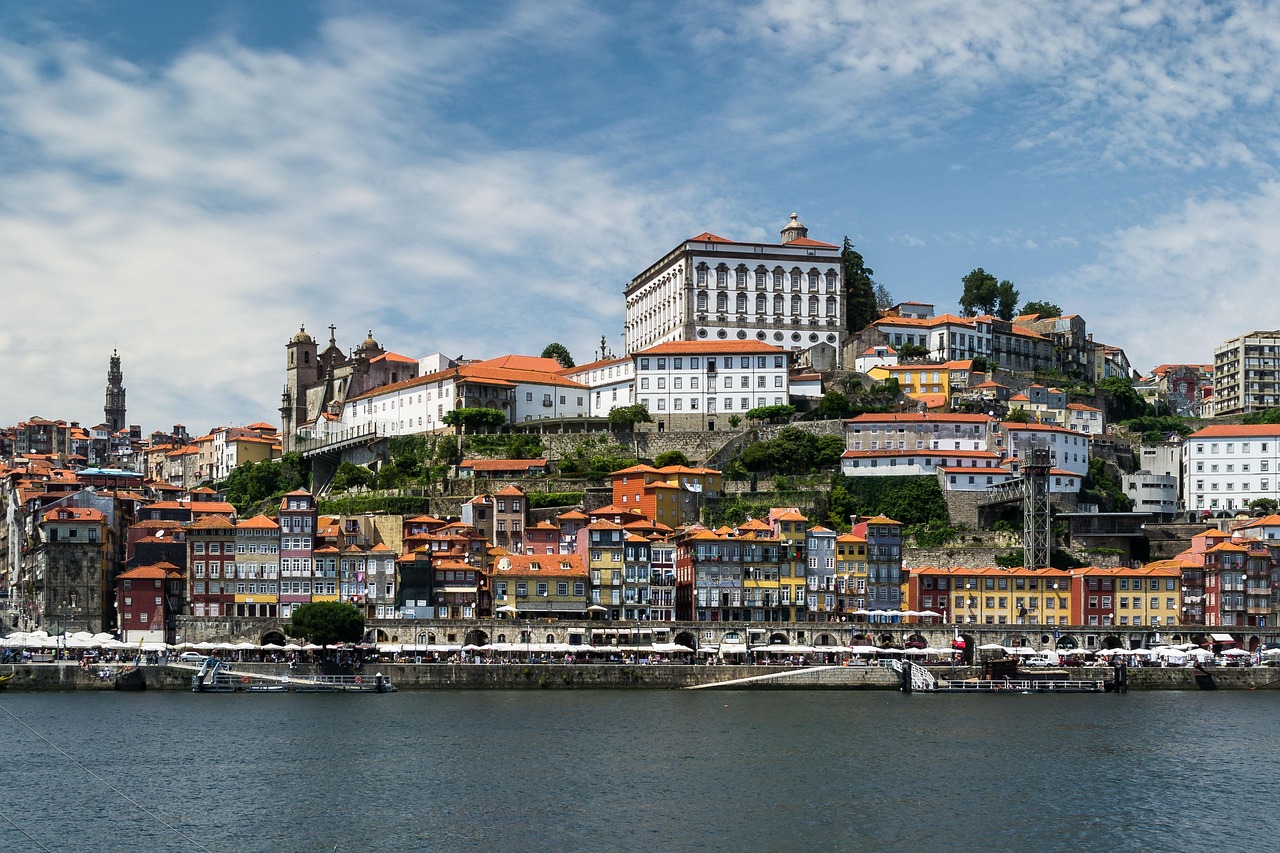




I still remember my first trip to Lisbon. I’d been wandering the steep, mosaic-tiled streets of Alfama for three days, letting the melancholic cry of fado guide my steps, fueling myself on bifana sandwiches and potent espressos. I loved it—the city’s golden light, its tiled facades, the way history felt etched into every cobblestone. But on the fourth day, a restlessness set in. The city, for all its beauty, felt dense, a little heavy. I craved a different texture, a different sound. I found it at the Cais do Sodré station, where I bought a simple green ticket that promised the Atlantic.
That first glimpse of Cascais, arriving by train, is a memory I’ve kept for over a decade. It wasn’t just the sight of the ocean; it was the sudden, palpable shift in the air. The tight, tiled corridors of Lisbon gave way to wide, sun-bleached avenues. The river smell turned to salt. The city’s hum was replaced by the cry of seagulls and the distant roar of the surf. It felt like taking a deep, satisfying breath after holding it for too long.
Now, in 2026, with travel more dynamic and conscious than ever, the question I see popping up in every forum and travel group is the same one I implicitly asked myself all those years ago: Is it worth it? Is the trip to Cascais still the perfect counterpoint to a Lisbon vacation, or is it an outdated cliché, a crowded trap for tourists? Having returned countless times, both in the peak of summer and the quiet of winter, I’m here to give you the ultimate verdict for 2026. The short answer is a resounding yes, but with a major caveat: you have to do it right. Let’s dive deep.
The Lisbon-Cascais Dynamic: Why You Need Both
First, let's address the "Cascais vs. Lisbon" debate. Framing them as competitors is the wrong approach. They are two halves of the same perfect travel coin. Lisbon is the grand, historic dame—the culture, the museums, the grand architecture, the nightlife. She is demanding and exhilarating. Cascais is her charming, laid-back younger sister—the easy-breezy coastal town that offers space, sea, and a more relaxed pace.
To visit Lisbon without seeing Cascais is to only see half the picture of this region. You miss the context of how the Portuguese elite once played and how the Atlantic shapes life here. To visit Cascais without seeing Lisbon is to get a beautiful but context-free beach vacation. The magic is in the juxtaposition. The energy you get from escaping the city’s intensity for a day, and the relief you feel when you return to its familiar embrace, is a travel high that’s hard to beat.
How Long Does the Cascais Day Trip Take from Lisbon in 2026?
This is one of the most practical questions, and the answer is beautifully simple. The journey is part of the experience.
The Best Way to Get from Lisbon to Cascais: The Train
The best way to get from Lisbon to Cascais in 2026 remains, without a doubt, the train. Forget the traffic on the A5 highway and the exorbitant cost of a ride-share. The train is reliable, cheap, and stunningly scenic.
You’ll want to head to the Cais do Sodré station, the same terminus as the famous Time Out Market. Trains run every 20-30 minutes from early morning until late at night. The journey takes about 40-45 minutes. It’s not a high-speed bullet train; it’s a comfortable commuter service that allows you to play the role of a local for a little while.
The key is to sit on the right-hand side of the train (if you’re facing the direction of travel) for the best coastal views as you leave Lisbon and head towards the sea. You’ll chug along the Tagus River, passing the sprawling 25 de Abril Bridge, then through the lush hills of the Arrábida Natural Park, and finally, you’ll see the first glimpses of the Atlantic crashing against the rocks. It’s a mini-road movie in under an hour.
The Cascais train station itself is an event. It’s a charming, historic building right in the town center, just a two-minute walk from the main street and the sea. You literally step off the train and you’re there. No need for a second bus or a long walk. In a world of complicated transfers, this seamless arrival is a genuine luxury.
What to Do in Cascais: A 1-Day Itinerary for 2026
Cascais is not a checklist city; it’s a place for wandering. But if you have one day, here’s how to make it count, blending the must-sees with the magic.
1. The Morning Stroll & The Cidadela (9:30 AM - 11:00 AM)
As you exit the station, don’t rush to the beach. Instead, walk straight into the heart of the old town. The main pedestrian street, Rua da Misericórdia, is lined with lovely shops, cafes, and the beautiful Igreja da Assunção church. Meander through the narrow backstreets. Your ultimate destination here is the Cidadela de Cascais, a 15th-century fortress that has been transformed into a breathtaking cultural and hotel complex. You can walk along the ancient ramparts, which offer sweeping views of the marina and the sea, and visit the art galleries within. The sense of history here is palpable, but it’s a living history, not a museum piece.
2. Lunch: A Taste of the Sea (12:30 PM - 2:00 PM)
You cannot visit a Portuguese fishing town without eating seafood. Cascais is brimming with options, but for an authentic, no-frills experience, head to O Pescador (Rua das Flores, 10B). It’s a small, family-run spot where the fish is grilled to perfection and the prawns are garlicky heaven. It’s not fancy, but it’s real. For something with a bit more buzz and a terrace, try Galeria House of Wonders, a bohemian spot with incredible views and a vibrant, eclectic atmosphere. The key here is to order the "catch of the day" and let them tell you what’s fresh.
3. The Golden Hour at Boca do Inferno (3:00 PM - 4:30 PM)
After lunch, take a walk along the coast westward from the town center. Follow the promenade that hugs the cliffs. This walk is an essential Cascais experience. You’ll pass grand Victorian villas, now luxury hotels, and see surfers braving the waves. The destination is Boca do Inferno, or "Hell’s Mouth." It’s a dramatic set of sea caves where the waves crash with thunderous force, sending plumes of spray high into the air. It’s a natural spectacle, but the real draw is the light in the late afternoon. The golden sun hits the cliffs and the water, creating a photographer’s dream. There’s a small café at the viewpoint where you can sit with a glass of wine and just watch the power of the Atlantic.
4. The Beach Time (You have options!)
Cascais has several beaches, and choosing the right one is key.
- Praia da Rainha (Queen’s Beach): This tiny, sheltered cove right in town was once the private beach of Queen Amelia. It’s charming, but gets packed.
- Praia do Guincho: If you’re willing to take a 10-minute bus ride (or a scenic walk/bike ride) further north, you’ll find this wild, windswept expanse of sand. It’s a paradise for surfers and kitesurfers. The dunes are massive, the water is powerful, and it feels untamed. This is my personal favorite for feeling the raw Atlantic energy.
- Praia da Ribeira: Located right in front of the fishing boats in the marina, this is the most convenient for a quick dip and a post-beach beer.
5. The Sundowner and the Return (5:30 PM onwards)
Before heading back to the train, find a spot on the marina for a sunset drink. The area is packed with bars. Grab a spot, order a Super Bock or a glass of vinho verde, and watch the fishing boats come in. It’s the perfect, relaxed end to a day. Then, simply stroll back to the station for your 40-minute journey back to the city, feeling refreshed rather than exhausted.
Cascais Beaches vs. Lisbon Beaches: The 2026 Comparison
Let’s be clear: Lisbon is not a beach city. You can dip your feet in the Tagus at the Cristo Rei statue or the Terreiro do Paço, but it’s a river, not the ocean. The water is murky and the current is strong. There are no golden sands for sunbathing within the city limits. The closest real beach to central Lisbon is Carcavelos, the stop just before Cascais on the train line. Carcavelos is a vast, beautiful beach, but it’s a massive, open stretch of sand that can feel less intimate and more crowded than the coves of Cascais.
Cascais offers variety. You have the sheltered, chic beaches in town for a quick, civilized swim, and the wild, dramatic beaches like Guincho for when you want to feel the wind in your hair and the raw power of nature. The water is the cold, clean Atlantic. For the true beach experience, Cascais wins, hands down.
Is Cascais Expensive for Tourists in 2026? A Budget Guide
This is a crucial point. Cascais has a reputation for being posh, and it is. This is where Lisbon’s money comes to play. But does that mean it’s inaccessible for the average traveler? Absolutely not.
Compared to Lisbon, Cascais is more expensive, but not exorbitantly so. Here’s the 2026 breakdown:
- Transport: The train is your budget savior. A return ticket from Lisbon to Cascais will cost you around €4-5. It’s an incredible value.
- Food: You can easily blow €100+ per person at a top-tier restaurant on the marina. But as I mentioned, local gems like O Pescador will serve you a phenomenal lunch for €20-€25. A bifana from a local kiosk is under €5. The key is to eat one or two "nice" meals and fill the rest with local, casual fare.
- Accommodation: This is where it gets pricey. A hotel room in Cascais in the summer can easily be double the price of a comparable room in Lisbon. This is why the day trip is the ultimate budget hack. You get the Cascais experience without the Cascais hotel bill.
- Activities: Most of the best things in Cascais—walking the coast to Boca do Inferno, wandering the Cidadela, exploring the backstreets—are free. The beaches are public.
Verdict: You can do Cascais on a budget. Stick to the train, pack a towel and a book for the beach, eat one main meal and keep the rest casual, and you’ll find it’s only marginally more expensive than a day in Lisbon.
Is Cascais Safe for Solo Travelers in 2026?
Yes, unequivocally. Cascais is one of the safest destinations I have ever visited, and this holds true for solo travelers, including women traveling alone. The vibe is relaxed, the streets are well-lit and busy even at night (in the high season), and the local population is affluent and respectful. You’ll see families strolling at 10 PM and solo travelers enjoying a glass of wine at a waterfront café without a hint of unease. Of course, you should practice common sense—watch your belongings in crowded areas—but the general atmosphere is one of complete security and tranquility. It feels like a community where people look out for one another.
The Best Time to Visit Cascais from Lisbon in 2026: Weather & Crowds
This is where the "2026 Verdict" gets nuanced. Your experience will be wildly different depending on when you go.
Summer (June - August)
The weather is glorious—hot, sunny, perfect for the beach. But this is also peak season. The town is bustling, the beaches are packed, and the train can feel like a sardine can. Restaurants need reservations, and the price of everything is at its highest. Is it worth it? Yes, if your primary goal is a beach day and you thrive on energy. But it requires more planning and patience.
The Shoulder Seasons (April-May & September-October)
This is the sweet spot, the Cascais I love most. The weather is often still beautiful, warm enough for a sweater and maybe a dip in the sea (the water is actually warmest in October!). The crowds are thinner, the town feels more relaxed, and you can find a table at a great restaurant without booking a week in advance. This is the perfect time for a day trip focused on walking, culture, and relaxed dining.
Winter (November - March)
Don’t write Cascais off in the winter. It has a stark, dramatic beauty. The beaches are empty, the waves are ferocious, and you’ll have the coastal paths almost to yourself. It’s the perfect time for a bracing walk followed by a cozy lunch in a local tasca. Many tourist-focused shops will be closed, and some restaurants might have limited hours, but the soul of the town remains. The weather is unpredictable—expect rain and wind—but you’ll also get stunningly clear, crisp days.
My Verdict for 2026: Aim for May or September. You get the best of all worlds: great weather, manageable crowds, and a town that feels like it’s breathing.
The Final Verdict: So, Is Cascais Worth It in 2026?
Yes. One hundred times, yes.
But the 2026 verdict comes with a refined understanding. The magic of Cascais from Lisbon isn’t just in the destination; it’s in the journey and the intention. Don’t go to Cascais because you feel you "should." Go because you crave the sea. Go because your feet ache from cobblestones and you need the softness of sand. Go because you want to taste grilled fish with the salt still in the air.
Cascais is worth it when you let it be what it is: a beautiful, relaxed, easy escape. It’s not a place to rush through with a checklist. It’s a place to breathe. It’s the deep exhale after the exhilarating effort of exploring Lisbon.
So, pack your swimming suit, buy that green ticket at Cais do Sodré, and find a seat on the right side of the train. The Atlantic is calling. And in 2026, it’s a call you should absolutely answer.