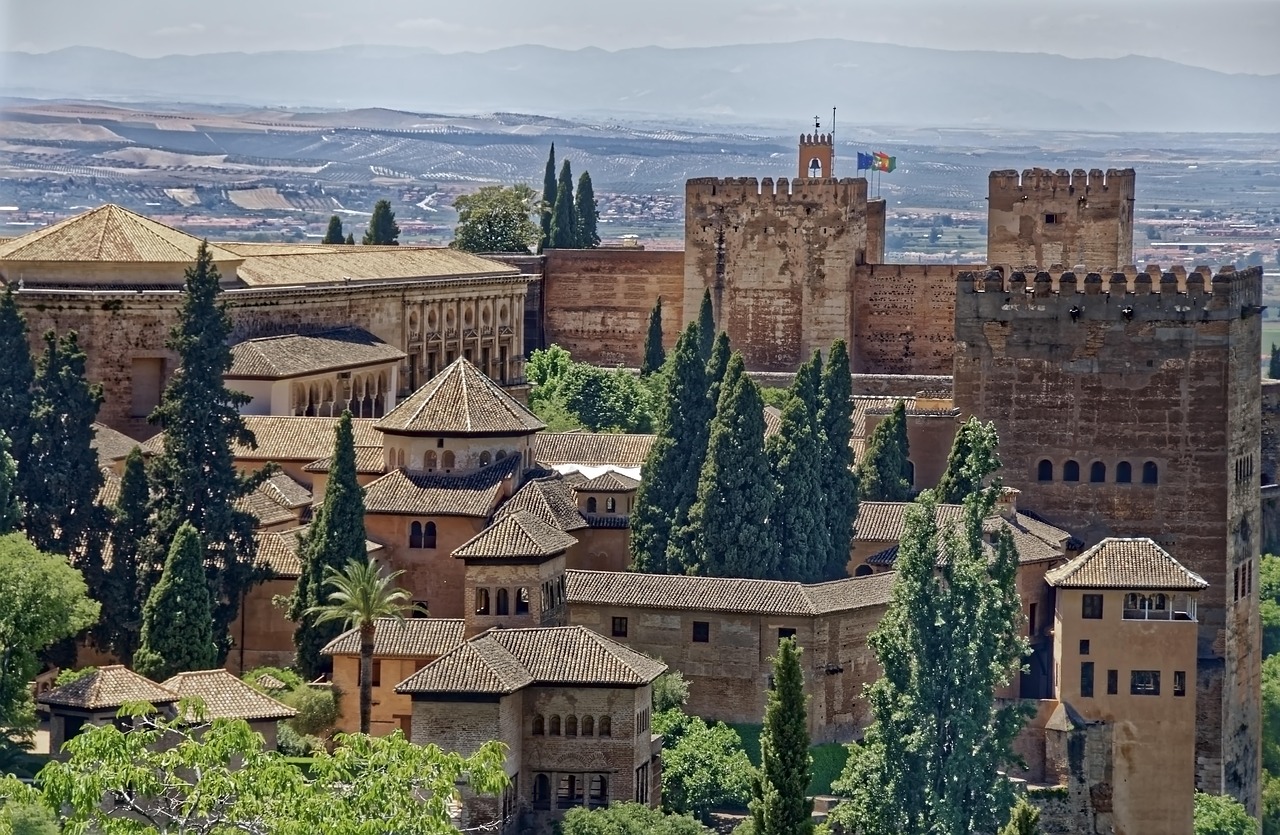


Hidden Sintra: Finding Quiet Trails Beyond the Palaces
The mist in Sintra has a way of rearranging your priorities. On my first trip, years ago, I did the ‘greatest hits’ circuit—Pena Palace at dawn, a breathless scramble through the Moorish Castle, the Quinta da Regaleira’s well-trodden Initiation Well. It was breathtaking, yes, but also… breathless. A constant jostle, a race for the perfect photo angle, a tourist economy built on queues. I left with a headache and a vague sense of having missed the point. The real magic, I suspected, wasn’t in the palaces but in the pine-scented silence between them, in the damp earth of a forgotten path.
It took me a decade and three more visits to finally peel back that layer. Sintra, I discovered, is a matryoshka doll of green. The town is the first, gaudy doll you pull apart. The famous palaces are the second. But the true heart of the place, the smallest, most precious doll, is the Parque Natural de Sintra-Cascais. And within that vast, protected expanse are veins of dirt and stone that most visitors never see. These are the quiet trails, the hidden gems, the routes where your own footsteps are the loudest sound. This is the Sintra that reveals itself not in grand gestures, but in the rustle of a lizard in the undergrowth, the sudden, shocking blue of a coastal cove, and the profound, soul-filling peace of having a mountain all to yourself.
If you’re reading this, you’re probably looking for that Sintra. The one that feels less like a theme park and more like a pilgrimage. You’re looking for the trails that don’t just show you a view, but ask for a little sweat and solitude in return. You’ve come to the right place. Let’s ditch the tour buses and find the quiet.
The Rota dos Moinhos: A Whisper of Industry and Wildflowers
My favorite way to begin an off-the-beaten-path day in Sintra is to completely avoid the town center’s gravitational pull. Instead, I head for the village of São Pedro de Sintra, a charming, slightly scruffy hamlet tucked just below the main peaks. From here, you can pick up a segment of the Rota dos Moinhos (Windmill Route), a network of old trails connecting the ruins of Sintra’s once-plentiful windmills.
The best place to start is at the Casa da Ribeira, a beautiful old building that now houses a small museum and community space. There’s a little bridge over a gurgling stream, and from there, the path begins its gentle ascent. This isn’t a dramatic, lung-busting climb; it’s a slow, meditative weave through a tapestry of green. The trail, often just a dirt track wide enough for two, is flanked by towering eucalyptus trees whose scent hits you in waves—a sharp, medicinal balm that clears the head. In spring, the banks are an explosion of color: pink and purple foxgloves, the defiant yellow of broom, and wild roses tumbling over stone walls.
You’re walking through history here, even if it’s quiet. Every so often, you’ll pass a skeletal windmill, its stone base all that remains, a ghost of a 19th-century industry. They stand like lonely sentinels, crowned with wild fennel and surveying the valley. The path eventually leads you up to the ruins of the Convento dos Capuchos, but the real joy is the journey itself. You’ll meet locals walking their dogs, a farmer on a tractor, but very few, if any, tourists. The soundscape is a symphony of birdsong and the rustle of leaves. It’s a beginner-friendly route in terms of navigation and gradient, but it offers a profound sense of place. You feel like you’re walking through the authentic, working countryside that has existed here for centuries, long before the first tourist ever dreamed of Pena Palace.
Practical Details: Rota dos Moinhos
- Address: Start at Casa da Ribeira, Rua da Ribeira, São Pedro de Sintra, 2710-512 Sintra, Portugal. You can park in the small lots around São Pedro or take the 435 bus from Sintra station and get off at the São Pedro stop.
- Hours: Open 24/7 as it’s a public trail. Best to start in the morning (8-10 AM) for the best light and cooler temperatures.
- The Vibe: Gentle, shaded, and deeply local. A walk through a living landscape, not a curated one. Expect mud after rain and a fair number of steps, but nothing a moderately fit person can’t handle.
The Initiation Beyond the Well: Losing Yourself in the Quinta’s Woods
Everyone knows the Quinta da Regaleira for its Initiation Well—that famous, inverted tower that has graced a million Instagram feeds. They descend the well, take their picture at the bottom, and exit through the gift shop. But they miss the entire point of the Quinta. The estate is a sprawling, 4-hectare labyrinth of esoteric symbolism and untamed nature. The real initiation isn’t going down the well; it’s getting lost in its upper woods.
After you’ve done the obligatory well visit (it’s worth it, I’ll admit), don’t head for the exit. Instead, follow the path away from the main buildings, uphill, towards the “Providence Mountain.” Most people don’t go this way. You’ll leave the manicured gardens behind and enter a world of towering, ancient trees, moss-covered grottoes, and hidden tunnels. The air grows cooler, damp with the smell of earth and decay and life. This is where you’ll find the “Tiled Cascades” and the “Unfinished Well,” a much more mysterious and atmospheric cousin to its famous sibling. There are subtle fountains, hidden benches, and statues of mythological figures peeking out from the foliage.
The paths here are a network of stone steps and dirt trails that crisscross the hillside. There’s no single right way to go. The joy is in the discovery. You might stumble upon a small cave and hear the trickle of water inside. You might find a clearing with a stone throne, perfectly placed for contemplating the forest. The sounds of the crowds below will fade, replaced by the wind in the canopy and the distant cawing of crows. This part of the Quinta feels ancient and wild, a testament to the vision of its former owner, Carvalho Monteiro, who wanted to create not just a garden, but a whole world. It’s a masterclass in creating a sense of solitude in a popular attraction. You just have to be willing to walk a few hundred meters uphill from the main flow. The paths can be slippery, so good footwear is essential.
Practical Details: Quinta da Regaleira Woods
- Address: Quinta da Regaleira, Rua Particular, 2710-567 Sintra, Portugal.
- Hours: Typically 10:00 AM – 6:30 PM (last entry 5:30 PM), but hours vary by season. Buy tickets online in advance to avoid the main entrance queue.
- The Vibe: Mystical, slightly eerie, and wonderfully overgrown. A fairytale forest that feels forgotten. It requires comfortable shoes for uneven stone steps and a willingness to wander without a map.
Cabreira’s Peak: The Mountain Without Tourists
Sintra Mountain (Serra de Sintra) is not a large mountain, but its highest point, the Cruz Alta, stands at 450 meters (1,476 feet). And you can reach it without ever setting foot on the overcrowded path that leads from the Moorish Castle. The secret is to start from the village of Almoçageme, on the western side of the mountain, and take the ancient Roman Road up.
The drive to Almoçageme is part of the adventure, winding through tiny villages and past Quintas hidden behind high stone walls. Parking can be found on the side of the road near the trailhead, which is marked as the “Estrada Romana” (Roman Road). This trail is a broad, stone-paved track that snakes its way steadily up the mountain. It’s a relentless but manageable climb, and as you ascend, the world opens up. You get glimpses of the coast to the west and the rolling hills to the east.
The magic of this route is the complete lack of infrastructure. There are no signs pointing to viewpoints, no benches, no ice cream stands. It’s just you, the ancient stones, and the forest. The vegetation changes as you climb—deciduous trees give way to the iconic Sintra pines. The air thins and smells of resin. When you finally reach the summit, the feeling is one of pure, unadulterated triumph. There’s a small stone marker and a communications tower, but that’s it. You can stand there and see the entire Sintra-Cascais coastline arc before you. On a clear day, you can see all the way to Lisbon. The best part? You will almost certainly be alone, or at most, share the peak with a handful of Portuguese hikers who know this secret. The descent can be tricky on loose gravel, so walking poles are a good idea if you have them.
Practical Details: Cruz Alta via Roman Road
- Address: The trailhead is located on the ER112-3, just outside the village of Almoçageme. Use GPS coordinates (38.7921, -9.4913) for a more precise location.
- Hours: 24/7. Best to start early to avoid the midday sun, as there is very little shade on the upper sections of the trail.
- The Vibe: A proper hike. Rugged, challenging, and immensely rewarding. This is for those who want to feel the burn in their legs and earn a truly panoramic view without the crowds. Expect uneven surfaces and a significant elevation gain.
The Secret Coast: A Tale of Two Coves (Praia da Ursa & Praia da Rainha)
The coastline of Sintra is as dramatic as its mountains, a series of jagged cliffs and wild beaches that feel a world away from the manicured gardens inland. Most visitors head to Cabo da Roca, the westernmost point of mainland Europe, and call it a day. They see the lighthouse, take the selfie, and leave. But just a little further south lie two of the most beautiful and inaccessible beaches in Portugal: Praia da Ursa and Praia da Rainha. They are the ultimate hidden gems, but they demand respect.
The journey to Praia da Ursa is not for the faint of heart. You park at the small lot near the lighthouse and follow a faint, unmarked path along the cliff edge. It’s exposed, with sheer drops, and the path can be treacherous, especially if it’s windy or damp. You’ll see the iconic “agulhas” (needles) of rock rising from the sea, but the path down to the beach itself is a steep, narrow, and rocky gully. You will need to use your hands to scramble down. It is not a beginner-friendly beach. But oh, the reward. When you get down, you are in a pristine cove of golden sand, framed by those colossal rock formations. The waves are powerful and thunderous. It’s a place that feels elemental and raw. It’s a place to be humbled by nature.
A slightly easier, though still challenging, option is Praia da Rainha (Queen’s Beach). It’s the next cove south of Ursa, and you can reach it by a path that branches off from the main trail. The descent is still steep, but it’s a bit shorter and less of a scramble than Ursa. Praia da Rainha is a small, intimate crescent of sand, tucked so deeply into the cove that it feels protected from the worst of the Atlantic’s fury. It’s named for Queen Amélie of Orléans, who supposedly loved to bathe here in secret. You can see why. It’s a perfect spot for a quiet picnic, but be warned: the tide comes in fast, and there’s no one to warn you. Check the tide tables before you go. And please, take nothing but pictures, leave nothing but footprints. These beaches are pristine because they are so difficult to reach.
Practical Details: Hidden Coves of Sintra
- Address: Start at the parking lot for Cabo da Roca, Estrada do Cabo da Roca, 2705-001 Colares, Portugal. The trails to the beaches begin from the southern end of the main viewing area.
- Hours: 24/7, but subject to weather and tide conditions. Do not attempt to descend if the sea is rough or the rocks are wet.
- The Vibe: Wild, untamed, and breathtakingly beautiful. A place that feels like the edge of the world. This is a serious undertaking, not a casual beach day. Sturdy hiking boots are non-negotiable.
A Perfect Off-the-Beaten-Path Sintra Day Trip Itinerary
So, how do you fit all this into a single day? You can’t, not fully. But you can choose your own adventure and create a day that feels uniquely yours. Here’s a blueprint for escaping the circus:
Morning (9:00 AM): The Rota dos Moinhos
Drive or take the train to Sintra, but bypass the main town. Head straight for São Pedro de Sintra. Grab a coffee and a pastry at a local pastelaria. Begin your hike on the Rota dos Moinhos. The cool morning air and soft light are perfect for this gentle trail. You’ll finish around 11:30 AM, feeling refreshed and connected to the landscape.
Lunch (12:00 PM): A Local Tasca in Colares
Instead of eating in the crowded historic center, drive 10 minutes towards the coast to the village of Colares. Find a local tasca like O Manel (or any spot filled with locals). Order grilled fish or a prego (steak sandwich) and a cold Sagres beer. You’ll eat better, cheaper, and in a far more authentic atmosphere.
Afternoon (1:30 PM): Choose Your Challenge
- Option A (The Mountain Climber): Drive to Almoçageme and tackle the Cruz Alta via the Roman Road. This will take you 2-3 hours of solid hiking. The sense of accomplishment is immense.
- Option B (The Explorer): Head to the Quinta da Regaleira. Spend your time deliberately getting lost in the upper woods, exploring the hidden corners most people miss. This will take about 2 hours.
Late Afternoon (4:30 PM): The Golden Hour Coast
Drive to Cabo da Roca. Ignore the main viewpoint crowds. Instead, walk the cliff path towards Praia da Rainha. You don’t even have to descend. Just sitting on the cliff edge above it, watching the light turn the sea to gold, is a profound experience. The descent is optional, but the view is essential.
Evening (6:30 PM): Sunset in Azenhas do Mar
Drive back towards Sintra through the Mucifal valley. Stop at a wine bar or restaurant in the village of Azenhas do Mar, a stunning white village perched on the cliffs, for a final glass of Vinho Verde as the sun sets. You’ll have seen the soul of Sintra, and you’ll be back in Lisbon before the last train, full of quiet memories instead of crowded frustration.
Final Thoughts: The Art of Seeking Quiet
Sintra’s reputation as a tourist magnet is not entirely unwarranted. The main attractions are genuinely spectacular. But they are only one facet of this multifaceted region. The true spirit of Sintra, for me, lives in the places where the only sound is the wind and the only ticket you need is a good pair of boots. It’s a place that rewards curiosity and a little bit of effort.
These trails I’ve shared are not just routes on a map; they are invitations. They ask you to slow down, to look closer, to listen harder. They offer a different kind of luxury: the luxury of space, of silence, of solitude.
So next time you plan a trip to Sintra, think beyond the palaces. Think about the damp earth of the forest floor, the sharp tang of the sea air, the feeling of a mountain peak under your feet. Go find the quiet. It’s waiting for you.