EN
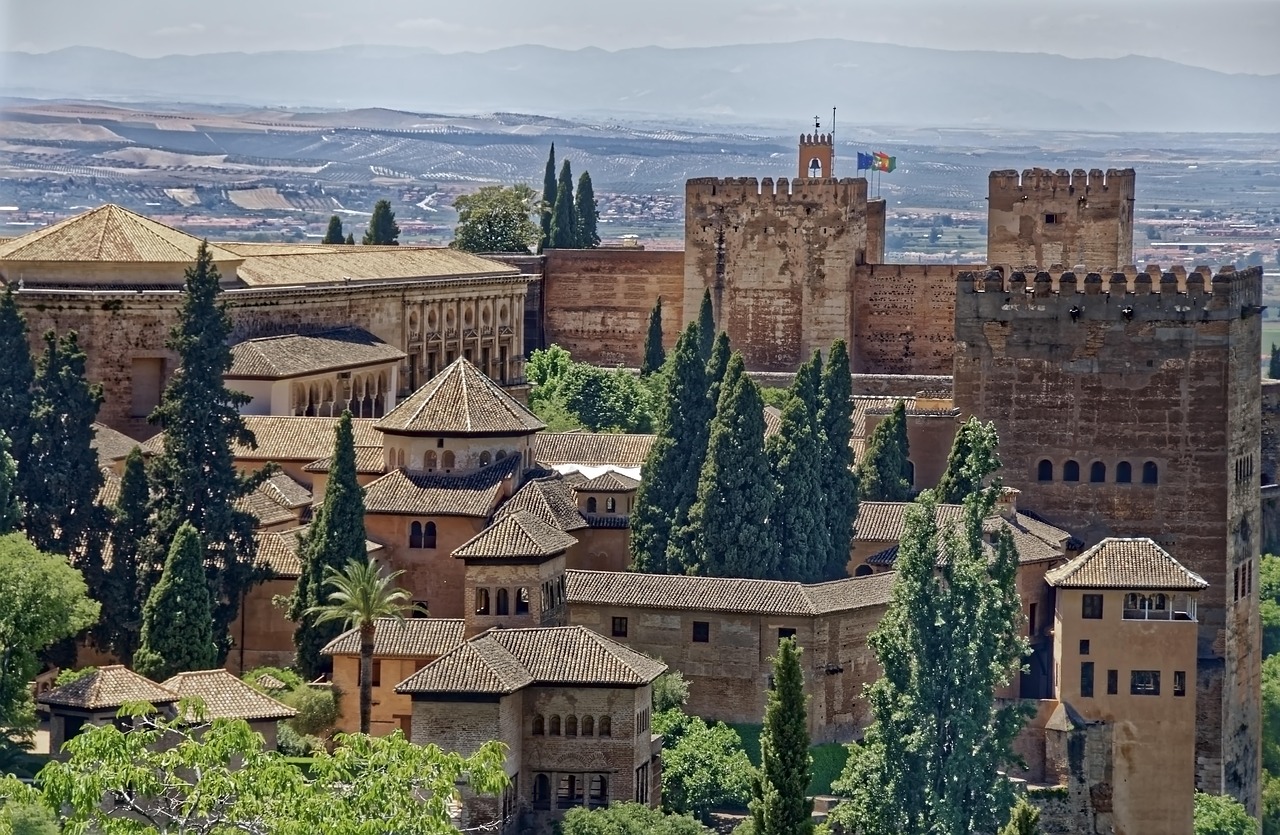
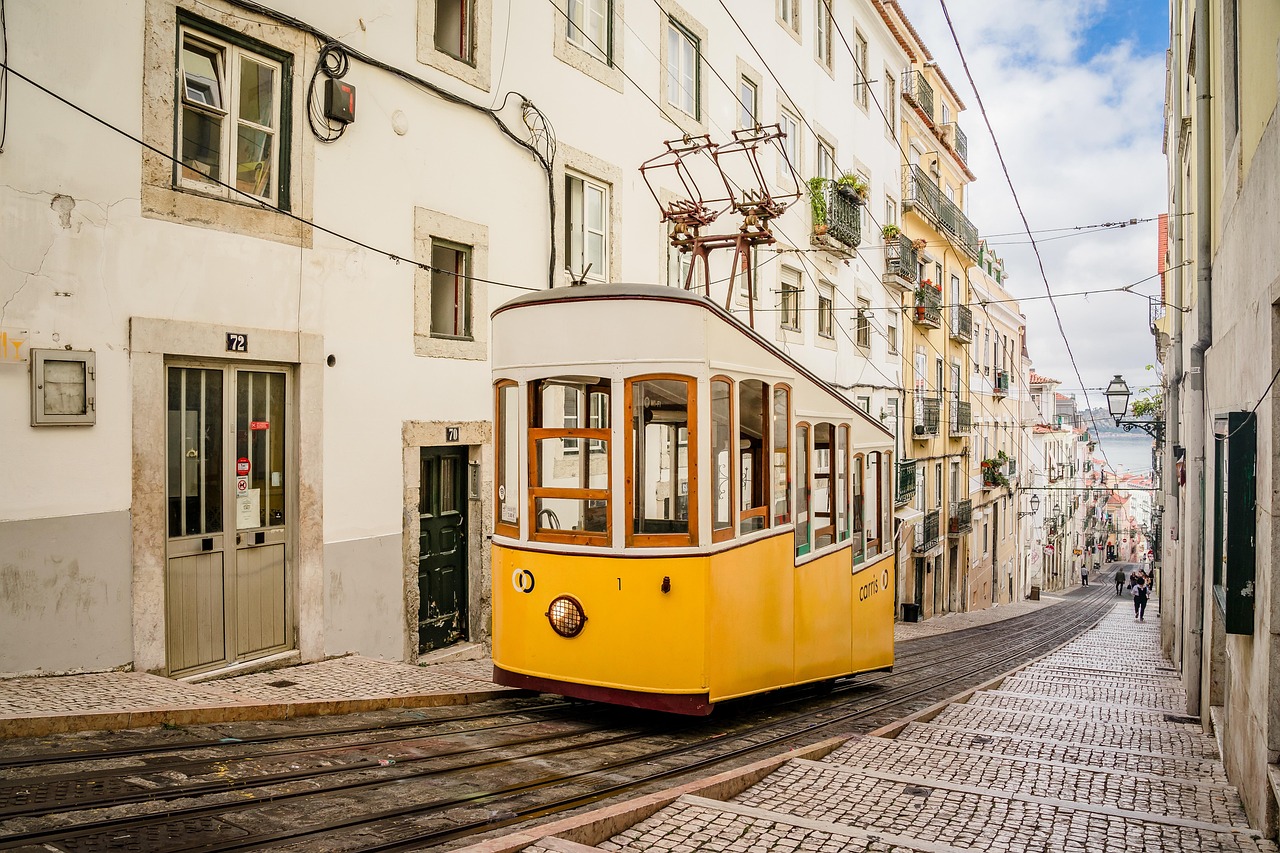
DISCOVER Lisbon WITH INTRIPP.COM
Explore.Create.Travel The Atlantic wind has a particular memory here. It doesn’t just blow; it carries stories. Standing on the ramparts of the Fortaleza de Peniche, you can feel the salt-laced breath of centuries pressing against your skin. It’s a physical sensation, a weight that is both heavy with history and strangely uplifting. In 2026, as Portugal continues to dazzle visitors with the sun-drenched charms of the Algarve and the cosmopolitan buzz of Lisbon, the fortress at Peniche remains a profound counterpoint. It is a stoic guardian of the west coast, a place where the narrative of a nation was rewritten, where prisoners of conscience once whispered their dreams through iron bars, and where the ocean stretches out to an infinite horizon. This isn't just a monument of stone and mortar; it is the country's soul carved into a rocky outcrop. To visit is to peel back the layers of a complex, often turbulent, but always resilient identity. It is an experience that engages not just the eyes, but the very core of your emotional compass. The journey to Peniche itself is a transition. You leave behind the manicured vineyards and rolling hills of the interior, and the landscape begins to tilt toward the sea. The air changes, becoming fresher, sharper, tinged with the unmistakable tang of brine. By 2026, the drive is smoother than ever, thanks to improved motorways, but the feeling of venturing to the edge of the continent remains. You are heading toward a headland that has long been a strategic pivot point for Portugal. Before the fortress even reveals itself in its full, formidable glory, you will likely spot the slender, elegant finger of the Cabo da Roca lighthouse in the distance—the westernmost point of mainland Europe—winking a silent greeting. But Peniche is different. It is less about romantic seascapes and more about enduring strength. The fortress sits low and broad, seemingly grown out of the very rock it stands on, its pale walls glowing honey-gold in the morning light or turning a brooding grey under the Atlantic storms. It doesn't shout for attention; it commands respect through its sheer, unyielding presence. Fortaleza de Peniche: A Bastion of Time Address: Rua do Castelo, 2520-001 Peniche, Portugal Hours: Tuesday to Sunday, 10:00 AM – 6:00 PM (Last entry at 5:15 PM). Closed on Mondays, January 1st, Easter Sunday, May 1st, and December 25th. Note: Hours can vary seasonally; it is always wise to check the official website of the Museu de Peniche before visiting. Price (Estimated 2026): Adults ~€5, Seniors/Students ~€2.50. Free entry on the first Sunday of each month and on Portugal's public holidays (for national citizens and residents). There are also combined tickets available that include the Museu Regional. To truly understand the Fortaleza de Peniche, you must first understand the ground on which it stands. The peninsula of Peniche has always been a natural fortress. Its location, jutting defiantly into the Atlantic, made it a vital lookout and a safe harbor for centuries. The story goes that the initial fortifications were born of necessity, a response to the constant threat of corsairs and pirates who preyed upon the coast. But the structure you see today, the grand, star-shaped citadel, is largely the work of the 17th century. It was built under the auspices of King Philip II of Spain (Philip I of Portugal), a monarch whose reign was marked by ambitious military architectural projects. The fortress was designed by the brilliant Italian engineer João Battista Antonelli, a name synonymous with some of the most formidable defensive works of the era. Walking through the main gate, you are stepping into a different timeline. The first thing that strikes you is the scale of the inner courtyard, the vast parade ground open to the sky. It’s a space designed to absorb the movements of troops, the bark of orders, and the clatter of military life. Today, it absorbs the quiet shuffle of visitors and the cry of gulls. The silence here is profound. It’s a silence that feels recent, haunted by the ghosts of the 20th century. For a significant period, the fortress served as a political prison. It was a place of confinement for those who dared to oppose the Estado Novo regime, the authoritarian government of António de Oliveira Salazar that held Portugal in its grip for nearly five decades. Names like Álvaro Cunhal, the charismatic leader of the Portuguese Communist Party, are inextricably linked to this place. In 1960, he staged a daring escape from the fortress, a feat of cunning and bravery that has passed into legend. As you explore the prison wing, with its stark, narrow corridors and heavy wooden doors, it’s impossible not to feel a shiver. You can see the small, barred windows from which prisoners would catch fleeting glimpses of the sea, a symbol of the freedom they craved. The graffiti etched into the walls by political prisoners in the 1960s is one of the most moving and powerful sights in the entire fortress. It is not grand art, but it is raw, desperate, and profoundly human. A simple drawing, a date, a name, a fragment of a poem—each mark is a testament to the resilience of the human spirit in the face of oppression. But the fortress is not solely defined by its 20th-century political drama. To focus only on that is to miss the grander sweep of its history. The military museum housed within the fortress walls offers a comprehensive journey back through time. Here, you will find artifacts from the restoration of Portuguese independence in 1640, a period when Peniche’s strategic importance was paramount. There are gleaming suits of armor, meticulously preserved muskets, and delicate porcelain that speaks of a more refined life lived within these stout walls during times of peace. The museum does an excellent job of contextualizing the fortress within the wider narrative of Portuguese history, from the Napoleonic Wars to the colonial conflicts in Africa. It helps you understand that this single location has been a silent witness to the entire spectrum of Portugal’s national experience. For those seeking the "hidden secrets" mentioned in our title, the true magic lies in the details and the quieter corners of the fortress. One of these is the Capela de Nossa Senhora da Conceição (Chapel of Our Lady of the Conception). It might seem like just another chapel, but its history is layered. It was here that the legendary escapee Álvaro Cunhal took refuge for a few hours after his escape, hiding in the bell tower. Another secret is the incredible acoustic phenomenon in the main courtyard. If you stand in a specific spot near the center and whisper, a person standing near the far wall can hear you with startling clarity, a testament to the precise, almost mathematical, engineering of the space. The fortress is also home to a small colony of rare bird species that nest in the nooks and crannies of the ancient walls. A patient visitor, especially in the early morning or late afternoon, might spot a peregrine falcon or a swift darting through the air. The "must-see views" are, without exaggeration, some of the best in all of Portugal. The fortress is built on a peninsula, which means you are surrounded by water on three sides. The most iconic viewpoint is from the western ramparts, looking out over the Praia do Porto. Here, the Atlantic waves, powerful and relentless, crash onto a wide, sandy beach that stretches towards the town. On any given day, you will see surfers bobbing in the water, waiting for the perfect wave, and families strolling along the shore. The contrast between the hard, unyielding stone of the fortress and the soft, shifting sands of the beach is a powerful visual. To the north, you can see the lines of fishermen mending their nets and the colorful boats bobbing in the port, a scene that has changed little over the generations. And to the south, the view extends towards the Berlengas Archipelago, a nature reserve of jagged islands that looks like something from a fantasy novel, especially on a clear day. Photographers, in particular, will find themselves in paradise. The play of light on the ancient stone is captivating. Early in the morning, the sun casts long, dramatic shadows that accentuate the geometric lines of the bastions. At noon, the walls are a brilliant, almost blinding white. But the magic hour is undoubtedly sunset. As the sun dips towards the horizon, the entire fortress is bathed in a warm, golden light that slowly deepens to fiery orange and then soft pink. The sky and the ocean become a canvas of breathtaking color. It is a moment of pure, unadulterated beauty that erases centuries of hardship and strife, leaving only a sense of awe. For the best shots, position yourself on the ramparts overlooking the sea, using the stone parapets as a foreground element to frame the vastness of the ocean. A visit to the fortress is not a rushed affair. It deserves time. A half-day is the minimum, but to truly absorb its atmosphere and explore its nooks and crannies, you should plan for a full day. This is why integrating it into a wider itinerary for Peniche is so rewarding. The town itself is a delight. It is a working fishing town first and a tourist destination second, which gives it an authenticity that is often missing elsewhere. After spending three or four hours immersed in the history of the fortress, the best thing to do is to walk down from the castle hill and lose yourself in the labyrinthine streets of the old town. The streets are narrow and winding, lined with traditional houses painted in shades of blue, yellow, and pink. You will hear the clatter of dominoes from a tiny tasca (tavern) where old men are debating the day's catch, and the smell of grilled sardines will follow you everywhere. When it comes to food, Peniche is a paradise for seafood lovers. You simply cannot leave without trying the local specialty: Percebes (Gooseneck Barnacles). These prehistoric-looking creatures are harvested from the treacherous, wave-battered rocks by daring fishermen known as "persegueiros." They are boiled in seawater and served simply. To eat them, you twist off the leathery skin to reveal a tender, pink stalk of meat inside. The taste is pure ocean—a burst of briny, sweet, umami flavor that is unlike anything else. It’s an expensive delicacy, but one that is worth every cent for the experience. Another must-try is the grilled fish. Whether it’s sea bass (robalo), sea bream (dourada), or the local favorite, chicharro (horse mackerel), it will be cooked to perfection over charcoal and served with boiled potatoes and a simple salad. For a truly memorable meal with a view, head to the area near the marina. In 2026, expect a few new, modern seafood restaurants to be sitting alongside the traditional, family-run establishments. Look for a place with a terrace. Sitting there, with a glass of crisp Vinho Verde or a local white wine, watching the fishing boats return as the sun sets behind the fortress is an experience that encapsulates the soul of Peniche. It is simple, beautiful, and deeply satisfying. For those looking to extend their exploration beyond the fortress and the town, Peniche is perfectly positioned for a variety of experiences. The most obvious is a boat trip to the Berlengas Archipelago. These islands are a UNESCO Biosphere Reserve and a haven for birdwatchers, geologists, and anyone who loves dramatic, untamed landscapes. The boat ride itself is an adventure, bouncing over the waves, and the arrival at the island feels like landing on a remote, forgotten outpost. The Fort of São João Baptista, a 17th-century fortress built on a rocky islet to defend the islands, is a smaller, more rugged cousin of the Peniche fortress and is well worth exploring. Then there are the beaches. Peniche is surrounded by some of the most famous surfing beaches in Europe. The aforementioned Praia do Porto is great for families and beginner surfers. A short drive or a longer walk will take you to Supertubos, a beach that hosts world-class surf competitions and is famous for its powerful, barreling waves. Even if you don't surf, it's a mesmerizing place to watch the athletes dance with the massive swells. For a more secluded and rugged experience, the beaches of the Peniche peninsula's southern coast, like Praia dos Bugges, offer stunning scenery and a sense of wild isolation. Accessibility is an important consideration for any traveler, and the Fortaleza de Peniche has made significant strides in this area. While the fortress is a historic structure with uneven surfaces and stairs, there are accessible routes. A ramp has been installed to provide access to the main courtyard, and the ground-floor museum and prison wing are largely navigable for those with mobility challenges. However, accessing the upper ramparts and the bastions does involve climbing stairs. It is always recommended to contact the museum directly before your visit in 2026 to get the most up-to-date information on accessibility and to see if any temporary assistance can be provided. The town of Peniche, with its steep, cobbled streets, can also be challenging for wheelchairs and strollers, but the main waterfront area is flat and easily navigable. Getting tickets for the fortress is straightforward. In 2026, the most reliable method is still to arrive at the ticket office on-site, located just inside the main entrance. Queues are generally not long, especially outside of the peak summer months. However, there is a growing trend for museums in Portugal to utilize online booking systems, and it is highly likely that the Fortaleza de Peniche will have this option fully operational by then. Checking the official website of the Museu de Peniche (under the auspices of the Portuguese Ministry of Culture) is the best way to confirm. This is also where you will find information on special exhibitions, guided tours, and any events that might be happening during your visit. The question of how the fortress compares to other historical sites is an interesting one. Many visitors to Portugal might be tempted to compare it to the Aljubarrota war site, the location of the pivotal 1385 battle that secured Portugal's independence. Aljubarrota is a field, an open landscape of historical imagination. You stand on the ground where armies clashed and envision the chaos of medieval warfare. Peniche is different. It is architecture. It is about enclosure, defense, and endurance over centuries. While Aljubarrota is a single, explosive moment in time, Peniche is a long, slow narrative. It tells a story of shifting power, of maritime dominance, of political repression, and of ultimate liberation. Visiting both sites in a single trip would provide an incredibly rich and contrasting perspective on the forces that have shaped Portugal. Aljubarrota gives you the battle; Peniche gives you the aftermath, the long watch, the quiet resistance. As 2026 unfolds, Peniche is a town that perfectly balances its heritage with a modern, forward-looking energy. The spirit of the fishermen and the farmers, the guardians of the land and sea, is still very much alive. This is a place where you can trace the scars of history with your fingers on a prison wall, and then twenty minutes later, feel the pure, uncomplicated joy of dipping your toes in the Atlantic. It is a place of profound contrasts: the silence of the cells and the roar of the ocean; the stark geometry of the fortress and the chaotic beauty of the tide pools; the weight of the past and the vibrant pulse of the present. A day trip to Fortress Peniche is more than just sightseeing. It is an emotional and sensory journey. It’s about tasting the salt on your lips, feeling the rough texture of ancient stone, hearing the whispers of history in the wind, and seeing some of the most magnificent coastal views imaginable. It’s about understanding that a place can be both a prison and a sanctuary, a site of sorrow and a source of immense pride. When you finally turn to leave, walking back down the hill as the fortress looms behind you, a silent, watchful sentinel, you carry a little of its strength with you. You have looked out from the edge of the world and you have seen not just a view, but the enduring story of a nation.
Fortaleza de Peniche
Peniche Portugal
fortress history
day trip from Lisbon
Berlengas
best viewpoints Peniche
accessible routes
Peniche beaches
Aljubarrota war site comparison
hidden history of fortress Peniche
fortress Peniche vs Aljubarrota
Fortaleza de Peniche sunset photography spots