The mist in Sintra has a texture to it. It isn't just water vapor; it’s a heavy, velvet curtain that rolls down from the Moorish Castle and swallows the green hills whole. It smells of damp earth, ancient stone, and the sweet, decaying perfume of camellias as old as the Portuguese monarchy. Standing there, looking up at the conical, candy-colored chimneys of the National Palace of Sintra, you feel the weight of time. Usually, that feeling is accompanied by the shuffle of thousands of feet, the cacophony of tour guide megaphones, and the desperate hunt for a gap in the crowd to snap a photo that doesn't include a stranger’s elbow.
But not today. Today, the air is still. The heavy oak doors are closed to the public. And I am holding a proposal in my hand that feels heavier than the granite foundation of this 14th-century fortress. It isn't just a ticket. It is a key. A key to the silence, to the shadows, to the history that breathes in the empty rooms.
This is the reality of the "Exclusive Early Access Proposal" currently circulating among a select group of travel curators, investors, and cultural philanthropists. It is a document that promises something the average traveler to Portugal can only dream of: the National Palace of Sintra, entirely to yourself, hours before the gates unlock, and perhaps, even after the last taxi has wound its way back down to the town below.
The Threshold: A Silence That Rings
To understand the magnitude of this opportunity, you first have to understand the typical Sintra experience. Sintra is a UNESCO World Heritage site, a place of "fantastic architecture" and "harmonious gardens" that Lord Byron famously called "glorious." It is also, in the high season of 2026, a victim of its own beauty. The line for the National Palace often snakes around the triangular square of the Praça da Rainha Santa Isabel, a restless dragon of sunburned tourists waiting for their turn to see the famous Swan Room.
The proposal on my desk promises to erase that dragon.
The logistics are simple but exquisite. You are met not at the main entrance, but at a discreet side gate used by dignitaries and restoration teams. The time? 7:30 AM. The sun is just beginning to burn off the mist, casting a pale, golden light that makes the whitewashed walls of the palace glow against the dark, brooding backdrop of the Sintra mountains.
The guide waiting for you isn't a standard tour guide reciting memorized dates. On this specific itinerary, my contact is Maria, a third-generation Sintra historian who actually looks the part of a romantic heroine, with a sharp wit and an encyclopedic knowledge of the Dukes of Braganza. She doesn't hold a flag; she holds a heavy iron key that jingles with a sound that belongs to the Middle Ages.
"Welcome," she whispers, not because she has to, but because the silence demands it. "The palace is still sleeping."
The Proposal: What You Are Actually Buying
So, what is this "Early Access Proposal" really offering? It’s not just a VIP ticket. It is a structured inquiry into the viability of ultra-exclusive, low-volume tourism as a model for preserving heritage sites. The document proposes three tiers of access, and reading through them feels like reading a menu of dreams.
1. The Dawn Entry: 50 people maximum. 8:30 AM entry. Private binaural audio guide. Coffee in the empty courtyard.
2. The Twilight Sojourn: Late afternoon entry timed for the "golden hour." Extended stay until sunset. Tasting menu in the historic stables.
3. The Restoration Patron: A "legacy donation" tier. Private after-hours tour with the Chief Architect. Access to the "Secret Rooms" and upper towers.
The Sensory Map: Exploring the Secret Rooms
If you secure this access, let me give you a sensory map of where to go. The proposal highlights the "Archival Access" tier. This involves stepping through a door that looks like a wall panel. We enter a corridor that runs behind the state rooms. The air here is cooler, smelling of beeswax and old paper.
The Kitchen and the Swan Room
Go to the Kitchen first. Even without the roaring fires, the scale of it is staggering. The massive copper pots hang like moons. You can almost hear the clatter of ladles and the shouting of orders. Next, the Swan Room. Without the crowd, you can actually experience the vertigo the architects intended when looking at the geometric patterns of the azulejos.
The Tower and the Secret Rooms
The most controversial and enticing part of the proposal is the access to the Tower. The proposal negotiates a "hard hat" tour of this area. The climb is steep, the steps worn into a shallow bowl. At the top, through a slit no wider than a finger, you see Sintra not as a postcard, but as a fortress.
One couple vetted for this tier described standing in the "Room of the Bats"—a dusty, high-ceilinged space where bats were historically encouraged to roost. They looked out through the arrow slits, watching the fog consume the town, feeling like ghosts themselves. "It wasn't like visiting a museum," the wife told me. "It was like waking up in a place that had been waiting for us."
Culinary Time Travel: The Taste of History
A major component of the "Early Access Proposal" is the culinary experience. The proposal includes a collaboration with the Confeitaria Nacional, the 18th-century bakery just across the square that served the royal court. As part of the exclusive package, a basket of their legendary Queijadas (cheese tarts) is brought to you, fresh from the oven.
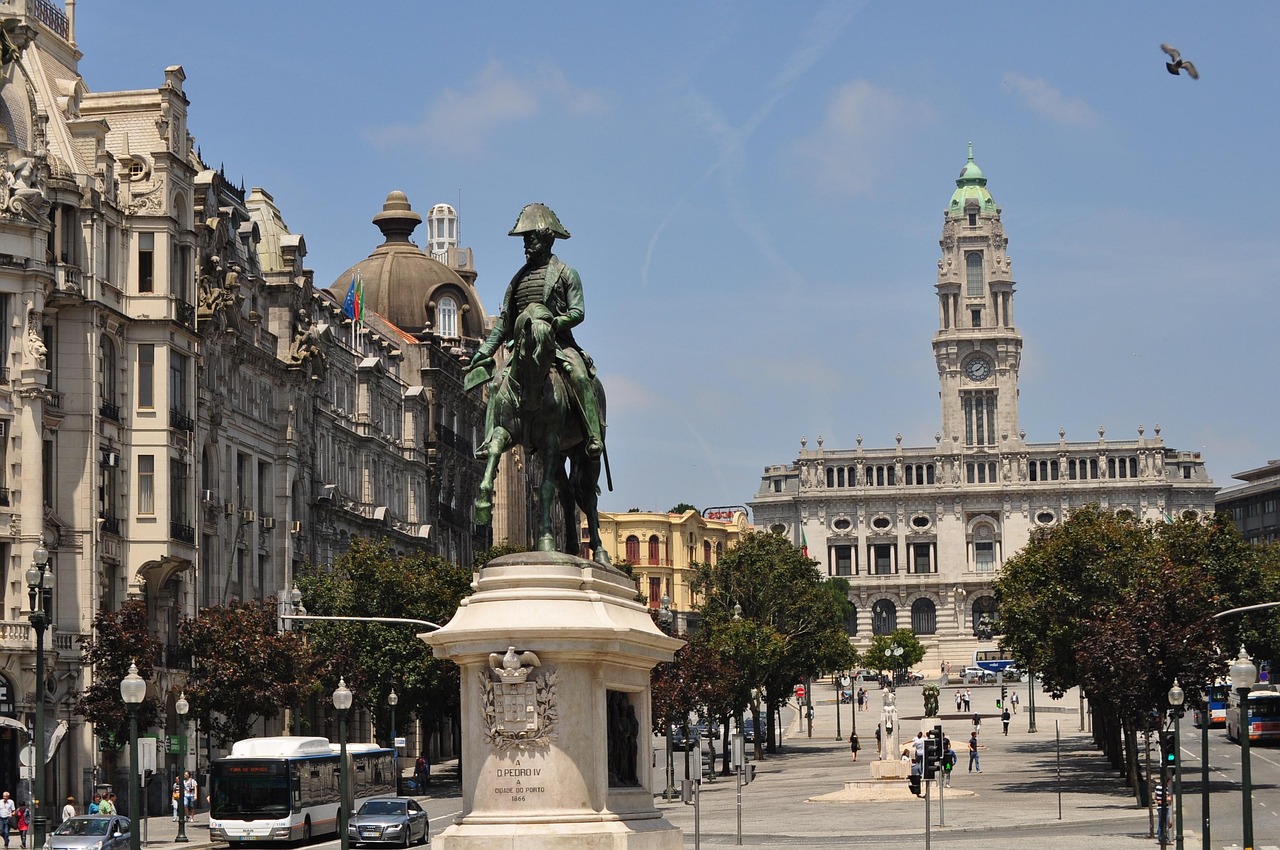
There is a specific moment when you bite into a warm queijada while sitting on a bench in the empty Palace of Sintra, looking at the statue of King Pedro IV. It is a complete synthesis of place and taste. For the "Twilight Sojourn," the menu is a recreation of a 15th-century feast, modernized with wild boar with chestnuts and wines from the Quinta da Romaneira.
The Investment in Silence: Why This Proposal Exists
In 2026, the tourism industry is grappling with "overtourism." Sites like the National Palace of Sintra are fragile. The humidity from the Atlantic and the sheer volume of human breath are damaging the frescoes. This "Early Access Proposal" is a strategic move. It shifts the economic model from high volume/low cost to low volume/high cost.
The revenue generated from these exclusive slots funds the restoration of the very rooms you are walking through. By paying a premium for the silence, you are literally buying the preservation of the stone. It is a way to save the past by selling a piece of the present.
The Logistics of the Dream
If you are considering responding to this proposal, the logistics are detailed in the appendices. It requires a minimum booking window of 6 months. This is due to the coordination required with the Direção-Geral do Património Cultural.
The proposal also outlines the "Concierge of History." This is a dedicated contact who handles everything from the moment you land in Lisbon. A car picks you up. You are driven up the winding roads of the Serra de Sintra, bypassing the traffic jams. The "Concierge" is the person who holds the keys. They are the ones who unlock the door to the Library—an room of 18th-century books that smell of vanilla and dust—and leave you alone there for twenty minutes.
Conclusion: A New Way to Travel
As a travel writer, I have seen the pendulum swing from mass tourism to "transformative travel." The "Exclusive Early Access Proposal: Inside Sintra National Palace" is the pendulum swinging to its extreme end. It is expensive. It is exclusive. Some might argue it is elitist. But I look at the crumbling facades of lesser-known monuments that have collapsed due to a lack of funding, and I see the logic.
The proposal ends with a quote from the Portuguese poet Fernando Pessoa: "The poet is a faker who is so good that his impostures have the ring of truth."
This experience feels like a beautiful forgery. It feels like a lie, because how can a place as famous as the National Palace of Sintra be yours, and yours alone? But the proposal makes it true. It turns the tourist into a traveler, the observer into a participant. If you find yourself in Sintra, looking up at those twin chimneys, remember that there is a door that is not visible to the naked eye. It opens with a heavy iron key, and on the other side, the palace is waiting. It is quiet. It is cool. And for a few precious hours, it is all yours.