
The alarm clock in my head rarely rings with the shrill urgency of a 6:30 AM departure, but for the promise of a perfect sunrise over the Tagus, I make an exception. It’s 2026, and the way we travel has fundamentally shifted. We aren't just looking for the "gram-worthy" shot or the checklist item; we are looking for connection, sustainability, and a rhythm that respects the land we’re treading on. Lisbon, a city that has always lived in the warm embrace of the Atlantic, is the perfect starting point for this new kind of exploration.
Gone are the days of blindly hopping into rental cars or joining crowded, gas-guzzling tour buses. The modern traveler—let’s call them the "Eco-Pilgrim"—knows that the real magic lies in the journey, not just the destination. For the 2026 traveler, "Sustainable Lisbon Day Trips" isn't just a buzzword; it's a methodology. It’s about using the excellent Portuguese rail network, packing a zero-waste lunch, and understanding that the most sustainable souvenir is a memory, not a plastic trinket.
I’ve spent the last decade wandering these cobbled streets and sun-drenched coastlines, and I’ve learned that the best trips are the ones that leave the lightest footprint. So, grab your reusable water bottle and your most comfortable walking shoes. We’re heading out for the ultimate eco-conscious guide to day-tripping from Lisbon in 2026.
The Morning Commute: Mastering Sustainable Transit
Before we dive into the destinations, we must address the elephant in the room: getting there. Lisbon’s public transport system is the beating heart of sustainable travel in the region. In 2026, the integration between the Metro, buses, and the Comboios de Portugal (CP) train network is seamless.
My personal ritual begins at Lisboa Santa Apolónia or Oriente Station. There is something grounding about starting a journey alongside locals commuting to work, sharing a space with students and retirees. It strips away the "tourist bubble" immediately. For the eco-conscious traveler, the train is non-negotiable. It reduces carbon emissions drastically compared to driving and offers a scenic, stress-free prelude to your adventure. The CP network is reliable, affordable, and the views—rolling cork oaks, distant mountains, the glint of the river—are part of the attraction.
Practical Tip: The 2026 Digital Commuter
Download the "CP – Comboios de Portugal" app for real-time schedules and mobile tickets. Look for the "Alfa Pendular" (AP) services for longer distances (like to Sintra or the Alentejo) as they are faster and more comfortable, but the "Intercidades" (IC) are perfectly fine for a budget-friendly, green option.
Destination 1: Sintra – The Fairytale Reimagined
Hours: Varies by attraction; typically 9:30 AM – 6:00 PM. The town is accessible 24/7.
Getting There: Take the CP urban train from Rossio Station (approx. 40 minutes). Do not drive; parking is a nightmare and antithetical to a sustainable trip.
Sintra. The very name conjures images of mist-shrouded palaces and Romantic architecture. For years, I avoided it, fearing the crowds. But in 2026, I’ve learned the Sintra "secret" that transforms it from a tourist trap into a sustainable haven: you must walk.
The eco-friendly way to do Sintra is to reject the infamous 434 bus loop. Instead, arrive early. Step out of the train station and breathe in the damp, eucalyptus-scented air. From here, the real adventure begins. The walk up to the Moorish Castle is steep, I won’t lie. My calves burn every time. But the physical exertion connects you to the history of this place. You are climbing the same paths soldiers and kings once trod.
By 10:00 AM, I was standing atop the ramparts of the Castelo dos Mouros, looking down at the tangle of green that is the Sintra-Cascais Natural Park. The wind whipped my hair, and the panoramic view of the Atlantic in the distance was worth every drop of sweat. The stone walls snake precariously over the boulders; holding onto the railing, feeling the rough granite under my palm, I felt a profound sense of place. This is not a museum piece; it is a living fortress.
From the Moorish Castle, the hike through the forest to the Palácio da Pena is a sensory delight. The air is cool, filtering through the canopy of centuries-old trees. You might spot a hoopoe or a firecrest if you’re quiet. The Palace itself is a psychedelic explosion of color and architectural whimsy. My advice? Skip the interior tour if the lines are snaking around the courtyard. The exterior is the true star. The Queen's Terrace offers a vantage point that makes you feel like you’re floating above the world.
For lunch, avoid the tourist traps near the main squares. I packed a sandwich with local cheese and presunto (cured ham) from a Lisbon mercearia, wrapped in beeswax cloth, and sat on a bench in the Quinta da Regaleira gardens. This UNESCO site is my favorite spot in Sintra. It’s less a house and more a puzzle left by a mystic. The Initiation Well—a subterranean tower you descend—is a literal journey into the earth. It’s dark, damp, and smells of moss and history. It’s the perfect metaphor for sustainable travel: digging deeper, looking beneath the surface.
In 2026, the Quinta da Regaleira has implemented strict timed entry to prevent overcrowding. Book weeks in advance. As I wandered the gardens, listening to the gurgle of hidden streams, I realized that Sintra isn't about seeing everything; it's about finding your own quiet corner in this enchanted forest.
Destination 2: Arrábida Natural Park & Azeitão – The Mediterranean Dream
Hours: The Park is open 24/7, but access to beaches like Portinho da Arrábida has summer hours (usually 9:00 AM – 8:00 PM) and capacity limits.
Getting There: Take the train from Roma-Areeiro or Entrecampos to Setúbal (approx. 1 hour), then a local bus or Uber (approx. 15-20 mins) to the park entrance.
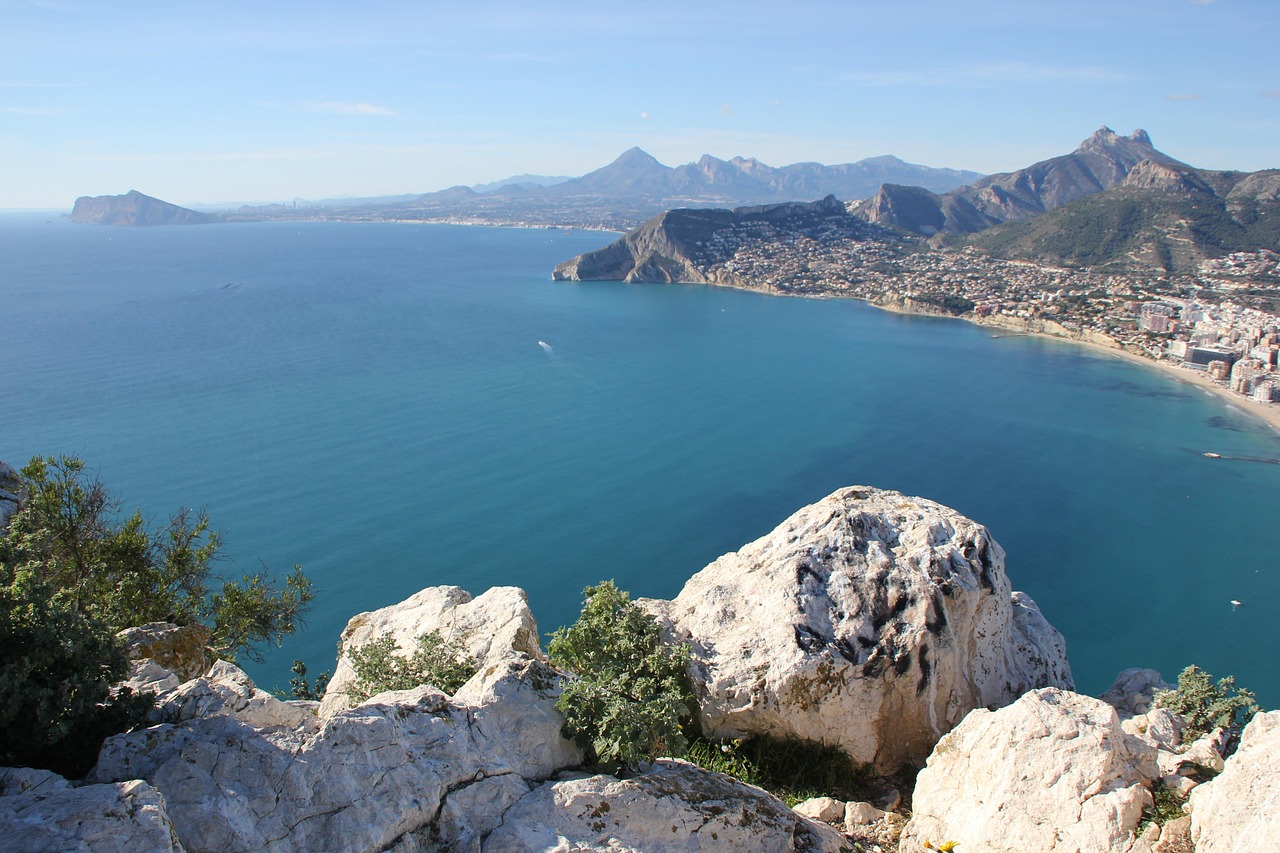
If Sintra is the moody Romantic, Arrábida is the vibrant athlete. This is where the limestone mountains plunge dramatically into turquoise waters that look more Caribbean than Atlantic. It is one of the most biodiverse regions in Portugal, and an eco-trip here is a lesson in geology and botany.
The Arrábida Natural Park is protected for a reason. The drive up is winding and narrow, which is why leaving the car behind is the smart move. I took the train to Setúbal, a charming city famous for its fried cuttlefish, and then hopped on the local bus that winds up the mountain. The bus ride itself is an attraction, offering vertiginous views of the Sado River below.
Once at the top, near the Convento da Arrábida, I began a hike along the trails that crisscross the mountain. The vegetation here is unique: Mediterranean scrub, wild thyme, and rockroses. In the spring (April/May), the mountains are a carpet of color. I stopped frequently, not just for the views, but to identify the flora. The silence, away from the main viewpoints, is profound. Broken only by the cry of a bird of prey circling overhead or the distant chug of a boat.
The highlight, however, is the beach. Portinho da Arrábida is a slice of paradise. The water is so clear you can see the schools of fish darting between your legs. Because access is restricted and the parking is limited (and expensive), the beach retains a sense of serenity. I spent an afternoon here, reading a book and dipping into the chilly water. The sand is coarse and white; the cliffs tower protectively over you. It feels like a secret world.
For a sustainable lunch, head down to the village of Azeitão at the foot of the mountain. This is wine country. I visited José Maria da Fonseca, one of the oldest wineries in Portugal. While they offer tours, I preferred simply visiting their cellar door to taste the Moscatel de Setúbal. Pairing a glass of this sweet, amber wine with a slice of Torta de Azeitão (a dense, almond-based cake) is a ritual I never skip. Supporting local producers who have stewarded this land for generations is the essence of eco-tourism. It’s commerce with a conscience.
Destination 3: Ericeira – The Surfing Soul & Marine Reserve
Hours: The town is always open; surf schools and specific attractions vary.
Getting There: Take the bus from Campo Grande (Metro Line Green) directly to Ericeira (Mafrense bus service, approx. 50 mins). The bus is modern, air-conditioned, and drops you right in the center.
Ericeira is different. It’s not a fairytale castle or a mountain park; it’s a breathing, living fishing town that has embraced a surf-and-soul culture. It is Europe’s only surf reserve, a designation that speaks to the quality of the waves and the commitment to protecting the marine environment.
Arriving in Ericeira, the first thing you notice is the smell: salt, drying fish, and kelp. It’s the smell of the ocean in its rawest form. I started my day with a walk along the Costa de Lisboa trail, a pedestrian path that hugs the cliffs. The views are relentless. To the left, the crashing waves of Praia dos Norte; to the right, the jagged coastline dotted with whitewashed houses.
The town itself is a maze of steep, narrow streets. I spent an hour just getting lost, finding hidden lookouts and small chapels. Lunch was a non-negotiable: Sardinhas Assadas (grilled sardines). I found a small family-run restaurant near the harbor, O Pescador, where the fish is caught that morning. Eating sardines is sustainable (they are abundant and reproduce quickly) and supports the local fishing fleet. Served with boiled potatoes and a salad of lettuce and tomato, drenched in olive oil, it’s the taste of the Portuguese summer.
O Pescador (Restaurant Spot)
Address: R. da Misericórdia 18, 2655-235 Ericeira
Hours: 12:00 PM – 3:30 PM, 7:00 PM – 10:30 PM
Note: A bustling, authentic seafood spot. Expect a wait during peak summer weekends.
In the afternoon, I engaged in the town’s true passion: the ocean. Instead of a motorized boat tour, I opted for a kayaking excursion with Ericeira Surf Center. Paddling out past the breakers, the perspective of the town from the water is magical. You see the red roofs climbing the hill, the grottoes carved by the sea, and the massive waves rolling in from the Atlantic. It’s a workout, it’s silent, and it allows you to observe marine life without disturbing it. We saw a pod of dolphins playing in the distance, a moment of pure, unscripted joy.
Ericeira Surf Center (Activity)
Address: Av. Dr. Carlos de Melo Gouveia 17, 2655-236 Ericeira
Hours: 9:00 AM – 7:00 PM (Book in advance for summer 2026)
Note: They offer surf lessons, SUP, and eco-friendly kayak tours. Great instructors who respect the ocean and local rules.
As the sun began to set, casting a golden glow over the Atlantic, I sat on the sea wall at Praia do Sul. The day trippers were gone, leaving only the locals and the surfers catching the last waves. This is the rhythm I chase. It’s not about rushing; it’s about syncing with the tides.
The 2026 Sustainable Traveler’s Toolkit
To truly master these day trips, you need a few practical strategies that go beyond the route.
1. The Zero-Waste Lunchbox
Portugal is making strides in reducing single-use plastics, but it’s still a work in progress. My strategy is the Tupperware revolution. Before heading out, I visit a local mercearia or the Mercado de Campo de Ourique. I buy a wedge of Queijo da Serra (mountain cheese), some crusty bread, and seasonal fruit (figs in August, oranges in winter). I pack it in reusable containers. Not only is this plastic-free, but it’s also cheaper and tastier than anything you’ll find at a train station kiosk.
2. Water Wisdom
The tap water in Lisbon is safe to drink. In 2026, the city has expanded "Fountains of the World" (Chafariz do Mundo) initiatives, making filtered water accessible. Carry a sturdy bottle. I use a stainless steel one that keeps water cool even on the hottest Arrábida days. Refill at cafes; most are happy to oblige if you ask politely.
3. Timing is Everything
The most sustainable action you can take is to avoid the peak crush of tourism. This means:
- Shoulder Season: April, May, late September, and October are magical in Lisbon. The weather is mild, the crowds are thinner, and prices drop.
- Early Mornings: Whether it’s the first train to Sintra or a dawn walk in Ericeira, starting early gives you a pristine experience and spreads the tourist load more evenly.
4. Digital Detox & Guide
Ditch the paper maps and guidebooks (unless they are second-hand!). Use your phone for navigation, but download offline maps of the regions beforehand to save battery and data. I rely on the CP app and the official Visit Portugal app for updates on trail closures or local events.
5. Supporting the Local Fabric
Sustainability isn't just environmental; it's economic. When you are out for the day, spend your money at places that are locally owned. That tiny café in Azeitão, the surf school run by locals in Ericeira, the family restaurant in Setúbal—your Euros keep these communities alive and independent.
The Return Journey: Reflections on the Tracks
As the train rattles back toward Lisboa Santa Apolónia in the twilight, the lights of the suburbs flickering past the window, I always feel a sense of completeness. The air on the train smells of damp wool and the faint aroma of the bifana sandwich someone is eating a few seats down. It’s a comforting, communal smell.
These day trips aren't just about seeing new places; they are about shifting your internal compass. The physical effort of hiking the Sintra hills, the salt spray from the Atlantic in Ericeira, the taste of Moscatel in Azeitão—they accumulate. They remind us that we are part of a larger ecosystem.
In 2026, the choice to travel sustainably from Lisbon is a choice to travel better. It’s slower, yes. It requires a bit more planning, absolutely. But the rewards are immeasurable. You leave with more than just photos; you leave with a connection to the land, a respect for the people who tend it, and the quiet confidence that you explored this beautiful corner of the world the right way.