There is a specific kind of freedom that comes from walking through an airport with nothing but a single bag slung over your shoulder. It is a feeling of defiance against the modern world’s insistence that more is better. When you are planning a day trip to Lisbon—a city built on seven hills, steeped in the smell of salt and toasted almonds, and ringing with the melancholic strum of a Portuguese guitar—the idea of checking a bag is not just a hassle; it is a strategic error. It is an anchor.
I learned this the hard way years ago, somewhere over the Atlantic, realizing I had packed for a fantasy version of myself who would somehow need three different types of heels and a hair dryer, while the real me just wanted to eat pastéis de nata and get lost in Alfama. For a day trip in 2026, the philosophy must be ruthless, chic, and deeply practical. This isn't just about saving money on baggage fees; it’s about buying time. Time you would spend waiting at the carousel is time you spend watching the sunset from the Miradouro da Senhora do Monte.
Here is the definitive guide to conquering Lisbon in a single day, carrying only what you need, and leaving no trace but a satisfied stomach and a happy heart.
The Vessel: Choosing Your Weapon
Before we discuss the contents, we must discuss the container. For a day trip, your "carry-on" is actually your personal item. We are talking about a sophisticated backpack, a sleek tote, or a weekender bag that fits strictly under the seat in front of you.
In 2026, the trend is moving away from the flimsy canvas tote and toward "tech-organizer" backpacks. Look for something with a dedicated laptop sleeve (even for a day trip, you might need your tablet for maps or tickets), a hidden pocket for your passport, and water-resistant material. Lisbon is known for sudden bursts of sunshine followed by a quick, warm drizzle. Your bag needs to handle both.
I personally swear by a leather backpack that has the structure of a briefcase but the comfort of a hiking pack. It looks good in a Chiado café but doesn’t scream "tourist." The golden rule: If you can’t fit a bottle of water, a light layer, and your dignity in it, it’s too small.
The Wardrobe: Layers and the "Lisbon Walk"
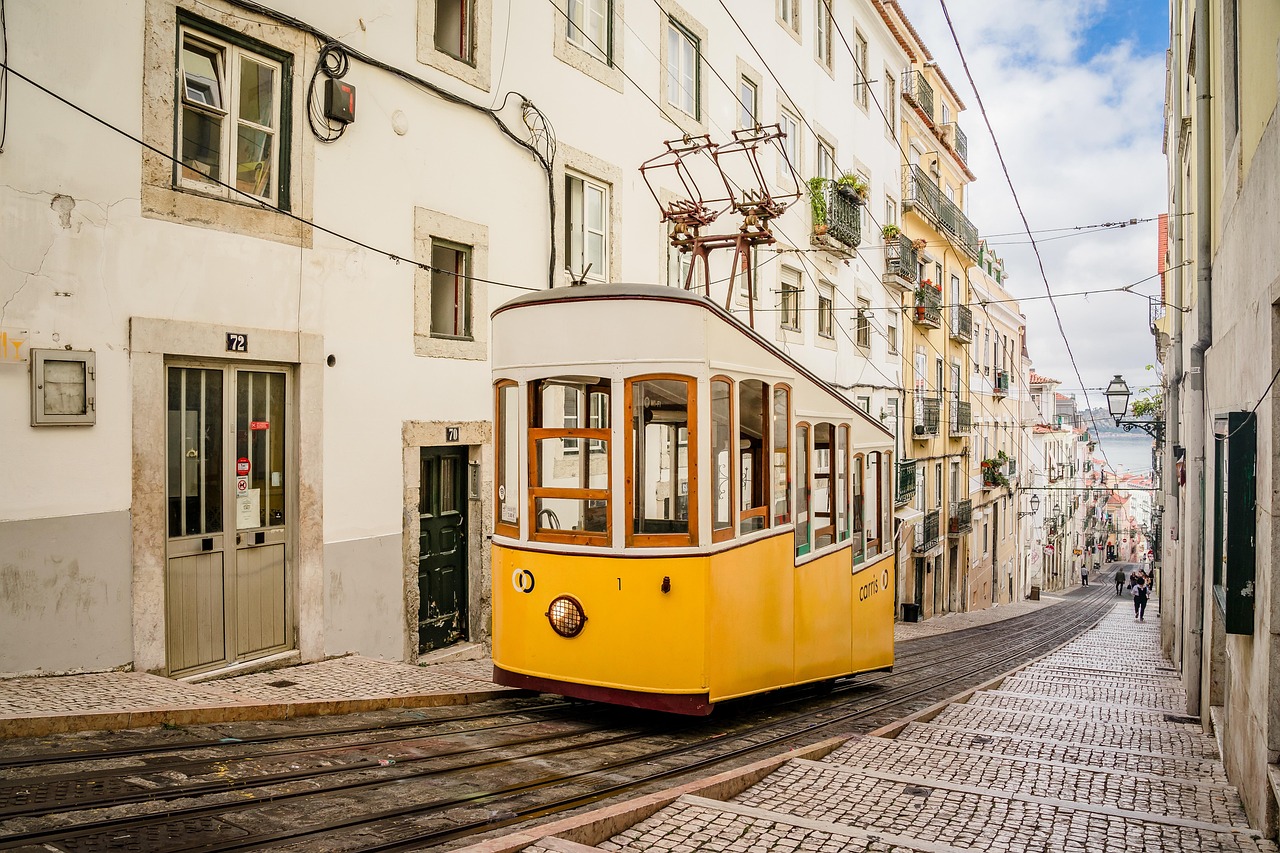
Lisbon is a walking city. You will walk on cobblestones (calçada portuguesa) that are beautiful but unforgiving. You will walk uphill, you will walk downhill, and you will walk along the river. Style is important here—the Portuguese have an effortless, understated elegance—but comfort is king.
The Shoes: The Critical Decision
Do not bring brand-new sneakers. Do not bring heels unless you are a professional stilt-walker. The cobblestones have gaps, and they are slippery when wet. You need shoes with grip and flexibility.
- The 2026 Recommendation: A pair of stylish, broken-in leather sneakers (think Veja or a clean Adidas Stan Smith) or chic, supportive flats. If you are visiting in the shoulder seasons (spring or autumn), bring a pair of ankle boots with a chunky, low heel for stability. Your feet will thank you by the time you reach the top of the Alfama district.
The Bottoms and Tops
The Bottoms: One pair is all you need. Choose dark-wash denim or tailored chinos. They hide the inevitable dust of the city and look appropriate whether you are sitting in a hole-in-the-wall wine bar or standing in line for the Tram 28. Avoid white linen pants; the city dust will claim them immediately.
The Top: A high-quality cotton or merino wool t-shirt or blouse. Merino wool is a superstar for day trips—it regulates temperature, meaning you won’t overheat in the midday sun or freeze during the riverfront breeze. It also resists odors, which is a bonus if you’re squeezing onto a crowded metro car.
The Layer and The Scarf
The Layer: The weather in Lisbon is generally mild, but the wind off the Atlantic can be brisk. Pack a lightweight, packable trench coat or a structured denim jacket. Avoid heavy hoodies; they take up too much space. A neutral color (beige, navy, or black) will match everything.
The Scarf: A lightweight silk or cotton scarf is the ultimate travel hack. It weighs nothing. It can be a shawl for modesty if you pop into the Church of São Roque, a blanket for the plane, or a windbreaker for your neck on the ferry to Cacilhas.
The Toiletries: The Liquid Roulette
Navigating airport security in 2026 is generally smoother thanks to advanced scanners, but why risk it? The goal is "fresh," not "full-glam."
- The Solid State: Switch everything to solids. Solid perfume sticks, shampoo bars, and conditioner bars eliminate the risk of spills and the 100ml liquid limit. Plus, they last forever.
- The "Two-in-One" Trick: A tinted moisturizer with SPF 50 is non-negotiable. Lisbon is sunny. The sun reflects off the Tagus River and the white buildings. You need protection. This replaces foundation, sunscreen, and moisturizer.
- The Essentials: A tiny stick of deodorant, a travel toothbrush (the kind that folds up), and a small tube of toothpaste. For makeup, a mascara and a tinted lip balm are all you need to look polished.
- The Perfume: Do not bring a glass bottle. Buy a travel atomizer and fill it with your scent. The smell of the city (roasted chestnuts, jasmine) will mix with it, creating a memory trigger you’ll smell every time you wear it back home.
The Tech & Documentation
In 2026, the digital nomad is the standard. However, redundancy is smart.
- Power Bank: Essential. You will be using your phone for maps, photos, and translation apps. Anker makes slim, high-capacity power banks that are carry-on safe.
- The Charger: One multi-port charger is enough. Leave the hair dryer at home; your hotel or Airbnb will have one.
- Physical Backups: While Lisbon is digital, keep a physical credit card and a photocopy of your passport in a separate pocket from your actual passport. Pickpockets exist in tourist hubs (Rossio Square, Tram 28), and if your phone dies, you need a backup plan.
- The "Lisbon Card": If you plan on museum hopping, buy the Lisboa Card online beforehand and save the QR code to your Apple Wallet. It covers transport and entry fees.
The "Anti-Theft" Measures
I hate to be the bearer of bad news, but Lisbon is a pickpocket’s playground. It’s not dangerous, but it is opportunistic. When you are packed light, you can keep your bag on your lap or in front of you at all times.
- The Decoy Wallet: Carry a cheap wallet with €20 and some expired cards in your back pocket or easily accessible outer pocket. If someone demands your wallet, toss it and walk away. Your real money and cards are in a hidden pocket inside your bag or a money belt worn under your shirt.
- The Crossbody Bag: If you carry a purse, it must cross your body. Never over the shoulder. When sitting at a café, the bag goes on your lap, never on the back of the chair or the floor.
The "Just in Case" Kit
These fit in a pocket but save the day:
- A reusable shopping bag (folded into a tiny square). You will buy things—olive oil, a ceramic sardine, a bottle of Ginjinha.
- A pocket-sized hand sanitizer.
- A few bandaids (for the inevitable shoe rub).
The Arrival: Where to Put Your Bag
Since you are traveling carry-on only, you might arrive early or have time to kill before your flight home. You do not want to haul your bag through the steep streets of Alfama.
There are several luggage storage spots in Lisbon, but if you want to be strategic, head to the Lisboa Welcome Center at Praça do Comércio. It is centrally located, secure, and allows you to drop your bags and start your day unencumbered.
A Perfect 12-Hour Itinerary for the Carry-On Traveler
Now that you are dressed, packed, and unburdened, here is how to spend your day. This route minimizes backtracking and maximizes the "Lisbon Vibe."
09:00 AM - The Pastéis de Nata Pilgrimage
Start at Pastéis de Belém.
Address: Rua de Belém 84-92, 1300-085 Lisboa, Portugal.
Hours: Daily, 8:00 AM – 11:00 PM.
This is not just a bakery; it is a historical monument. The line looks intimidating, but it moves fast. The interior is a labyrinth of blue and white tiles. Order three pastéis (one is never enough) and sprinkle cinnamon and powdered sugar on top. The crunch of the shell, the warmth of the custard—it’s the best breakfast in the world.
Why it works for carry-on: You can buy a box of six to take home (they stay fresh for 24 hours) and it fits easily in your tote. Do not eat them all now.
10:30 AM - The Jerónimos Monastery
Just a short walk from the bakery is the Jerónimos Monastery. It is a masterpiece of Manueline architecture, looking like it was carved from ivory and sea foam.
Address: Praça do Império 1400-206 Lisboa, Portugal.
Hours: Tuesday to Sunday, 10:00 AM – 6:00 PM (Closed Mondays).
Because you have your pre-booked digital Lisboa Card, you bypass the ticket line. The cloisters are breathtaking. The silence inside feels heavy with history. It’s a cool respite from the morning sun.
12:00 PM - Tram 15E to Cais do Sodré
Walk to the nearby tram stop and catch the 15E. Don’t get off at the tourist-heavy Time Out Market yet. Stay on until the end at Cais do Sodré. This is the riverfront hub.
Hours: Trams run all day, roughly every 10-15 minutes.
12:45 PM - Ferry to Cacilhas & Lunch
At Cais do Sodré, buy a round-trip ticket on the ferry to Cacilhas (on the south bank of the Tagus). The 10-minute ride offers the best view of the 25 de Abril Bridge and the Cristo Rei statue. It costs a few euros and feels like a mini-cruise.
Once in Cacilhas, walk along the waterfront toward Ponto Final.
Address: Rua do Cais 4, 2800-239 Cacilhas, Almada, Portugal.
Hours: Tuesday to Sunday, 12:00 PM – 10:00 PM (weather permitting).
This is a legendary riverside restaurant. You sit on rickety tables right over the water. You will eat clams (ameijoas à Bulhão Pato) and grilled sea bass. The Tagus is wide here, and the light is blindingly beautiful. It is the essence of Portuguese summer.
03:00 PM - The Alfama Maze
Take the ferry back and head to Alfama. This is the oldest district in Lisbon, a maze of narrow streets that survived the 1755 earthquake.
Location: Alfama, 1100-060 Lisboa, Portugal.
Hours: Always open, but shops close around 7 PM.
Here, you will test the durability of your shoes. Walk up to the Lisbon Cathedral (Sé de Lisboa). It is fortress-like and imposing. Then, get lost. Ignore the map. The beauty of Alfama is in the unexpected corners.
Stop at a Miradouro (viewpoint). Miradouro das Portas do Sol is iconic, but for a quieter moment, find Miradouro de Santa Luzia. It is decorated with bougainvillea and blue tiles.
05:30 PM - Chiado and the A Brasileira
Walk north toward Chiado. This is the chic, literary heart of Lisbon. Stop at A Brasileira.
Address: Rua Garrett 120, 1200-275 Lisboa, Portugal.
Hours: Daily, 8:00 AM – 12:00 AM.
It is a famous café, bustling and loud. Order a bica (espresso) and stand at the bar if you can (it’s cheaper and more authentic). You will be standing next to locals discussing politics and art. You can people-watch from here for hours.
07:00 PM - The Sunset at Miradouro da Senhora do Monte
If you have the energy, take an Uber or a steep walk up to the highest point in the city. This is the best spot to watch the sun go down. The city spreads out below you, a sea of red roofs and white walls. The light turns gold, then pink, then purple. It is a spiritual experience.
Address: Largo da Graça, 1100-267 Lisboa, Portugal.
Hours: Open 24 hours.
08:30 PM - Ginjinha and the Flight Home
Before heading to the airport, grab a quick shot of Ginjinha (sour cherry liqueur) at A Ginjinha.
Address: Rua das Portas de Santo Antão 7, 1150-264 Lisboa, Portugal.
Hours: Daily, 9:00 AM – 1:00 AM.
It’s a tiny hole-in-the-wall. Drink it on the street, like the locals do. It’s sweet, strong, and the perfect punctuation mark to a whirlwind day.
The Return: The "Airport Express"
Because you are smart and traveling carry-on, you have options. You can take the Metro (Red Line) directly from the city center to the airport. It takes about 30 minutes and is very cheap.
Alternatively, take the AeroBus. It departs from Marquês de Pombal and Cais do Sodré. It is comfortable, has space for your small bag, and runs every 20 minutes.
Final Thoughts on the 2026 Mindset
Packing for a day trip to Lisbon is an exercise in trust. Trust that you don't need the "just in case" outfit. Trust that the city will provide everything you need (which it does, in the form of pharmacies on every corner and shops that sell anything you might have forgotten).
The 2026 traveler is agile. They are present. They are not tethered to a heavy suitcase or the fear of losing it. When you step off the plane (or train, or bus) in Lisbon, and you walk straight out into the warm Atlantic air with just a light bag on your back, you feel like a local. You feel like you belong.
Lisbon is a city of light and shadow, of steep climbs and sweeping views. It demands movement. It asks you to lean in, to climb the stairs, to taste the sardine, to dance a little on the pavement. Don't let a heavy bag rob you of that.
Pack light. Walk far. Eat well. And let the melancholic soul of Lisbon fill the space you left empty in your bag.