
Costa da Caparica Surfing: Local Secrets & Best Waves 2026
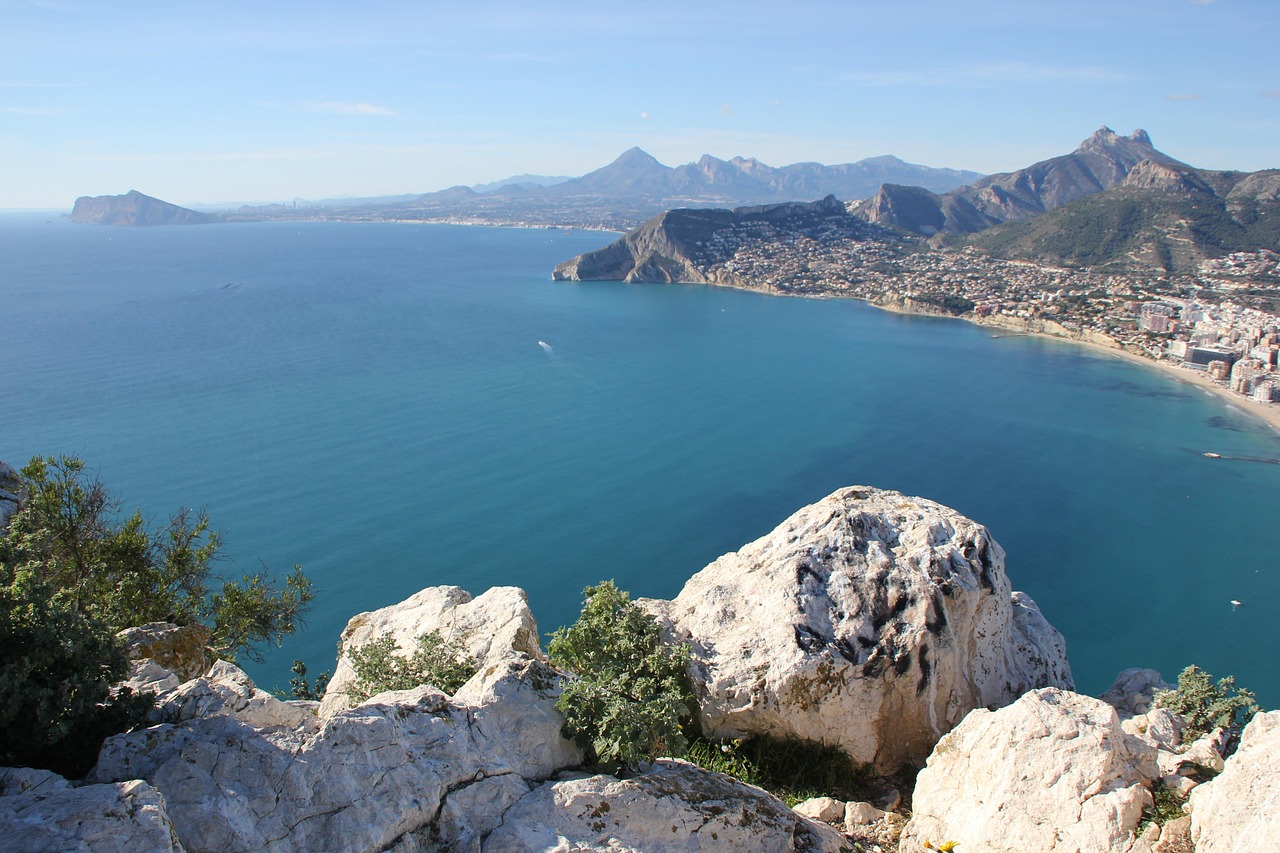
The air smells of salt, wild pine, and the savory promise of grilled chouriço. It is 6:00 AM on a Tuesday in October, and the Atlantic is roaring. I am standing on the wooden ramp of the Prainha, the wind biting at my cheeks, watching the first rays of 2026 sunlight slice through the morning mist to hit the dark, shifting water of the Caparica coast. This is the ritual. This is the heartbeat of the Lisbon surf scene.
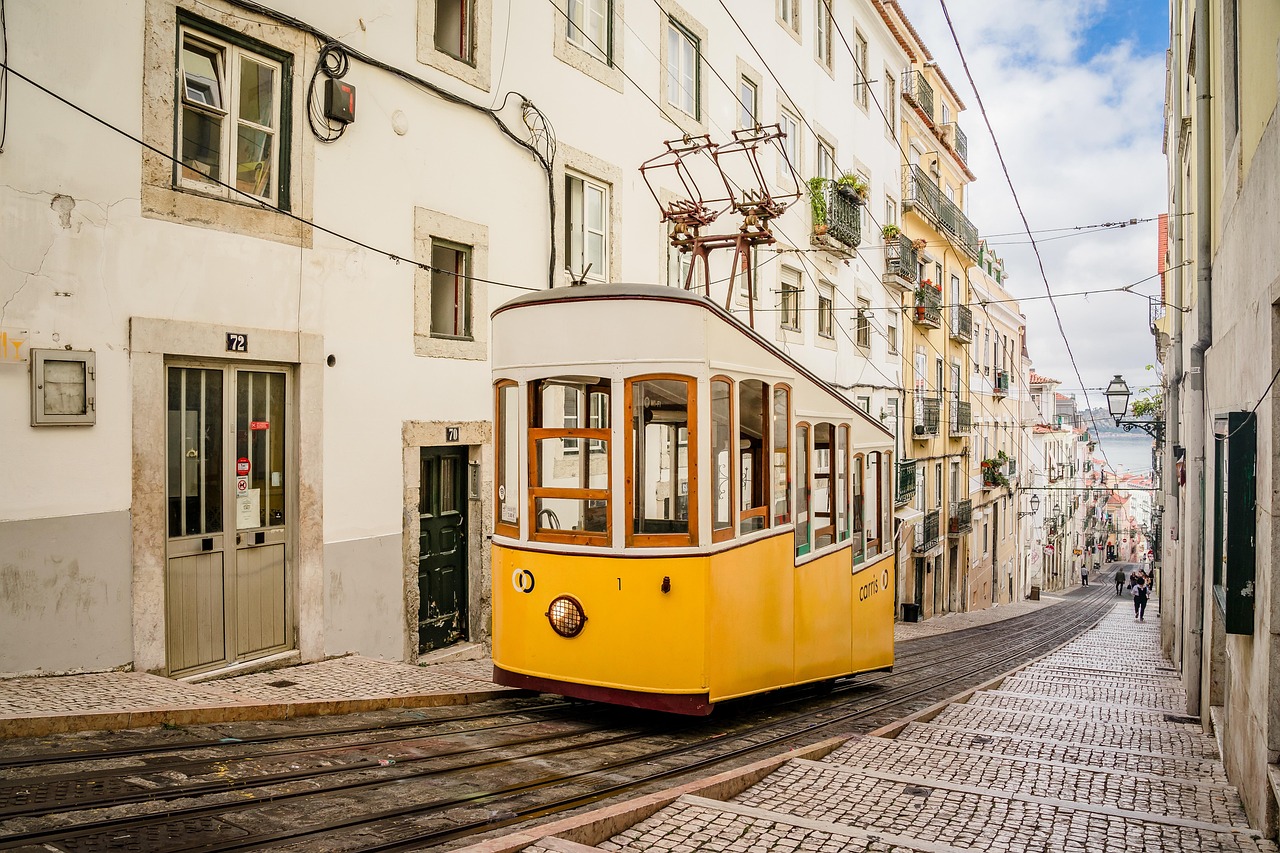
If you are reading this, you likely have an image of Portugal in your head. It involves golden light, old trams, and pasteis de nata. But the soul of this coastline, specifically Costa da Caparica, is forged in the brine of the Atlantic. It is a sprawling, 15-kilometer stretch of sand that acts as the surf playground for a city of millions. Yet, for the surfer, it is a labyrinth of currents, shifting sandbanks, and local politics that can be as unforgiving as the winter swells.
Welcome to the 2026 guide to Costa da Caparica. We aren't just going to talk about where to rent a board. We are going to talk about the sneaky backdoor peaks of Praia do Relógio, the best time to catch the winter groundswell without the crowds, and exactly where to find the Bifanas that taste like heaven after a four-hour session.
The Geography of Swell: Understanding the Coast
To surf Caparica like a local, you have to understand the layout. The coast is essentially a long barrier island separated from the mainland by the Lagoa de Albufeira. It faces due west. This is crucial. There is no protection from the full force of the North Atlantic. When a swell hits, it hits hard.
The coast is generally divided into two distinct vibes, dictated by the wind and the beach access.
1. The North Zone (Praia da Rainha down to Praia do Rei)
This is the posher, more sheltered side. It’s closer to the ferry terminal from Lisbon. The waves here are generally softer, breaking over sandier bottoms. It’s the domain of longboarders, first-timers, and the "café surf" crowd.
2. The South Zone (Praia do Farol down to Praia da Nova Vaga)
This is where the serious watermen and women go. The drive is longer, the beach is wilder, and the waves hold their shape better in a strong swell. This is where you find the "Cave" and the heavy peaks of Nova Vaga.
In 2026, the infrastructure has improved slightly—better boardwalks, more eco-friendly waste bins—but the raw nature remains. The wind is the master here. In winter, the dreaded Nortada (North Wind) blows offshore in the South Zone, creating hollow, heavy barrels. In summer, the Leste (East wind) blows from the land, often making the waves messy, forcing surfers to wake up at dawn to catch the glassy conditions before the thermal kicks in.
Praia da Rainha: The Queen of Beginners
Let’s start at the beginning. If you have never stood on a board, or if it has been a decade since you tried, Praia da Rainha is your sanctuary. Located just a short walk from the famous "Casa da Caparica" (the yellow house on the dunes), this spot is protected by a rocky outcrop that breaks the force of the larger waves.
"I remember bringing my cousin here in July of last year. He was terrified of the ocean. We rented a foam board from a shack near the dunes. The water was warm, the sand was golden, and the waves were rolling in like gentle carpets. Within an hour, he was popping up, screaming with a mix of terror and joy."
The Local Secret
Don’t just sit in the white wash. Walk slightly to the right of the main lifeguard tower. There is a subtle sandbank that creates a perfect, waist-high reform wave that is perfect for practicing turns. It’s a bit of a local knowledge spot; the older guys on foam boards go there to ride their logs.
Where to Eat
After the session, do not shower yet. Walk up the ramp to O Pescador (Av. da Liberdade). It’s a classic. Order the Arroz de Marisco. It’s not a "tourist" rice; it’s a spicy, tomato-rich bowl of oceanic perfection. The waiters are grumpy, the tables are plastic, and it is absolutely essential.
Praia do Relógio: The Clockwork of the Crowd
The "Clock Beach" is the heart of the scene. It gets its name from the old clock that used to sit atop the cliff (now replaced by a modern structure). This is the most accessible beach, right in the center of town. It is a chaotic, beautiful mess of surfers, families, and sunbathers.
In 2026, the rental scene here is booming. You cannot throw a stone without hitting a surf school. This is great for convenience, but be warned: the water here gets crowded. If you are an intermediate surfer, you will be dodging beginner longboards like you’re in a video game.
The Local Secret
The "Tombola" effect. The sandbars here shift violently. After a big storm, the entire lineup changes. The secret is to watch the water for 10 minutes before you paddle out. Look for the "double-ups"—where two waves combine into one. That’s where the A-frame peaks are. Usually, the best take-off spot is slightly to the left of the main lifeguard post, near the rocky bottom.
Where to Eat
You need a post-surf snack, and it must be a Bifana. Walk up the main street, look for O Manel (R. Dias da Silva 12). It’s a tiny, nondescript spot. They serve a pork sandwich soaked in a spicy garlic marinade that will haunt your dreams. Get two. You’ll regret getting only one.
Praia do Farol: The Lighthouse and the Power
Moving South. As you drive past the urban sprawl, the air clears. You pass the Farol (Lighthouse). This area is exposed. The waves here are raw. On a big winter day, the groundswell wraps around the rocks and creates wedgy, powerful waves that can hold sizes up to 10-12 feet.
This is where the locals who want to escape the Rainha crowds come. The vibe is more serious. You don’t see many foam boards here. It’s a thruster and fish-only zone.
The Local Secret
The "Rocks." Just south of the lighthouse, there is a jagged cliff face. A very specific swell direction (W/NW) and a dropping tide will create a hollow, barreling wave that breaks incredibly close to the rocks. It is dangerous. It is heavy. It is also one of the best waves on the coast. Do not attempt this unless you are confident in your ability to handle a beating and navigate a rocky exit.
Where to Eat
There is a kiosk right at the top of the ramp called Kiosque do Farol. It’s nothing fancy, but their coffee is strong, and their ham and cheese toasty (tostas) is the standard by which all other beach kiosks are judged. Sit on the wall, watch the surf, and recharge.
Praia da Nova Vaga: The Heavyweights
This is the end of the line for the accessible coast. Beyond this, you hit the dunes of the nature reserve. Nova Vaga is a strip of sand that feels like the edge of the world. It is exposed to the full fetch of the Atlantic. When the swell is up, Nova Vaga is a washing machine of whitewater and heavy drops.
"I once watched a surfer here get caught inside on a 6-foot set. It took him five minutes to get back to the beach, and he lost his board leash in the process. It was terrifying and mesmerizing."
The Local Secret
The "Cave" (Gruta). Technically located between Nova Vaga and Fonte da Telha, this is a rock arch that creates a unique wave refraction. On a mid-tide W swell, a left-hander peels along the rock shelf. It is a photographer's dream. To find it, walk south from the Nova Vaga ramp until you see the rock formation. It’s about a 15-minute walk in the sand.
Where to Eat
You are isolated here. You bring your own cooler. However, if you drive back toward the dunes, you will find the Churrasqueira Nova Vaga. It’s a hole-in-the-wall chicken joint. The Frango Assado (roast chicken) is legendary among the surfers who brave the south end.
The 2026 Gear Guide: Rentals and Shops
Renting gear in Caparica is easy, but quality varies. For 2026, I recommend avoiding the cheap foam-board-only shops if you want performance.
- Rapture Surfcamp & Shop: Located near the center.
- Address: R. Capitão João de Deus 14, 2825-493 Caparica.
- Hours: Mon-Sun 9:00 AM – 7:00 PM.
- Why: They maintain high-quality PU and Epoxy boards. If you are looking for a proper shortboard rental for the winter swells, this is your spot.
- Lisbon Surf Hostel & Shop: A bit more alternative vibe.
- Address: R. Capitão João de Deus 33, 2825-493 Caparica.
- Hours: Shop usually 10:00 AM – 6:00 PM.
- Why: Great for the budget traveler. They offer "all-inclusive" rental packages that include wetsuits (essential year-round in Portugal).
- Wet'n'Wild: The old school reliable.
- Address: Av. da Liberdade 10, 2825-006 Caparica.
- Hours: 9:00 AM – 6:00 PM.
- Why: They have a massive selection of wetsuits. In February 2026, the water temperature will be around 14-15°C. You need a 4/3mm or a 5/4mm. Do not cheap out on the wetsuit; the Atlantic is cold.
The Seasonal Rhythm: When to come in 2026
If you are planning a trip, the calendar matters. Caparica is not a consistent 365-day paradise like some tropical spots. It is a seasonal beast.
- September/October (The Golden Window): The summer crowds vanish, the water is at its warmest, and the first significant autumn swells arrive. This is the best time for intermediate to advanced surfers. The waves are clean, the sun is still out, and the vibe is relaxed.
- November to February (The Heavy Season): This is the domain of the locals. The Nortada is howling, the swells are groundswells from the deep ocean, and the waves are powerful. You need a good wetsuit and a high fitness level. But you will get the best waves of your life, often with only five people in the water.
- March to May (The Unpredictable Spring): Cold air, warming water. The swells become erratic. You can have three days of flat spell followed by a massive storm. It’s a gamble, but a beautiful one.
- June to August (The Summer Doldrums): Small, wind-affected waves. It is very crowded. Great for learning, frustrating for surfing. The water is warm, but you will be fighting for waves against hundreds of other surfers.
The "Caparica Hack": The Ferry vs. The Bridge
A crucial logistical tip for 2026: How to get there from Lisbon.
- The Bridge (Ponte 25 de Abril): If you have a car, you take the bridge. It’s fast (20 mins) but tolls apply (check via verde).
- The Ferry: From Cais do Sodré (Lisbon), take the ferry to Caparica. It costs about €1.20. The ride is 10 minutes. From the Caparica terminal, you can take a local bus (the "E" bus is the surf bus) or an Uber/Bolt to the beach.
The Hack: Take the ferry at 7:00 AM to beat the traffic. You will see all the local surfers on the boat, boards in hand, drinking their morning coffee. It’s the authentic way to start the day.
Safety and Etiquette: Don't Be a Kook
The locals in Caparica are generally friendly, but they have a code.
- Respect the Peak: The surfer closest to the breaking part of the wave has the right of way. Do not drop in.
- The "Caparica Snake": This is a specific local phenomenon where surfers paddle wide and catch waves from the inside, ruining the ride for those on the peak. Don't do it.
- Rips and Currents: The beaches here have strong lateral currents. If you get caught in one, don't panic and swim against it. Swim parallel to the shore until you are free, then swim in.
- Urchins: If you surf near the rocks (Farol/Nova Vaga), be careful of sea urchins. If you step on one, the traditional remedy is hot water and vinegar, but the pain is intense. Wear booties if you are walking in the rocky areas.
Beyond the Waves: The Soul of Caparica
Surfing is the reason we come, but it’s not the only reason to stay. Caparica in 2026 is a town that breathes at night.
After a sunset session, when the sky turns a bruised purple and the wind dies down, the town center comes alive. Walk down Rua Capitão João de Deus. There are new boutique shops popping up, but the old guard remains.
Go to Taberna Sal Grosso. It’s a tiny place with no sign, usually with a line outside. They serve tapas that are aggressively flavorful. Try the octopus salad and the pork belly. Wash it down with a Super Bock beer.
If you want to dance, head to NoSoloAlice. It’s a bar/club right on the beach (Praia do Relógio). In the summer, they have live DJs playing until 2:00 AM. There is nothing quite like dancing in the sand, smelling the salt, with the sound of the waves crashing 20 meters away.
The 2026 Forecast: What to Expect
Climate patterns are shifting. 2026 is predicted to be a year of erratic swells. The winter may bring more storms, meaning bigger waves but also more wind. The summers might be drier, meaning flatter conditions for longer periods.
This means flexibility is key. If you are coming for a week in July, plan for small waves and bring a longboard. If you are coming in January, bring your step-up shortboard and your thickest wetsuit.
A Final Anecdote: The Blue Door
I’ll leave you with this. Last winter, I was surfing Praia do Farol in a howling North wind. The waves were 8 feet, hollow, and cold. I was exhausted. I came in, shivering, my hands numb. I walked up the ramp, looking for somewhere to get warm.
I stumbled upon a small café I had never noticed before, marked only by a bright blue door. I walked in. It was empty except for an old man behind the counter. I asked for a coffee. He looked at my board, nodded, and poured a bica (espresso). Then he handed me a slice of warm pão com chouriço (bread with sausage) straight from the oven.
He didn't speak English; I spoke broken Portuguese. We didn't need words. He knew I had just battled the ocean. He knew I was cold. That slice of bread and that coffee tasted better than any Michelin-star meal I’ve ever had.
That is Costa da Caparica. It is not just a surf spot. It is a place of struggle and reward, of cold wind and warm community. It is a place where the Atlantic dictates your schedule, and you learn to live by its rhythm.
So, check the forecast for 2026. Pack your 4/3mm wetsuit. Respect the locals. Eat the bifana. And when you catch that perfect wave at the Prainha as the sun rises over the Tagus, remember that you are part of a long lineage of wave-riders who have found solace in this wild, beautiful strip of sand.
See you in the water.