
There are places in the wine world that feel like secrets whispered on the wind. They aren’t the grand châteaux of Bordeaux or the rolling, manicured hills of Tuscany. They are wilder, rawer, and infinitely more romantic. The Colares wine region, tucked away on the westernmost fringe of continental Europe, just a windswept drive from Lisbon, is exactly that. It is a place of profound beauty and stubborn resilience, a viticultural unicorn where vines struggle against the Atlantic not just to survive, but to create something breathtakingly unique. This isn't just wine; it's a liquid story of sand, sea, and the sheer will of the people who refuse to let this magic disappear.
The Terroir of Resistance
For years, Colares was a ghost in the Portuguese wine narrative, a region nearly wiped out by the phylloxera epidemic of the late 19th century. But unlike so many other places, it didn't fully reinvent itself. It held on. Today, it’s experiencing a quiet renaissance, drawing in wine lovers and sommeliers who are tired of the predictable and are hungry for something with a true sense of place—a "terroir" that you can taste, smell, and feel in your bones.
To understand Colares is to understand a dialogue between two powerful forces: the deep, ancient sands that make up its soil and the relentless, salty breath of the Atlantic Ocean. And when you taste the wine, you realize that this dialogue isn't a struggle; it's a dance.
The Magic of the Sand
Let’s start with the ground beneath your feet, because in Colares, the ground is everything. Most of the world’s great vineyards sit on clay, limestone, or granite. Colares is different. It is defined by its massive, rolling dunes of sand that stretch for miles, a geological oddity that would be a viticultural death sentence almost anywhere else.
Phylloxera and the Ancient Dunes
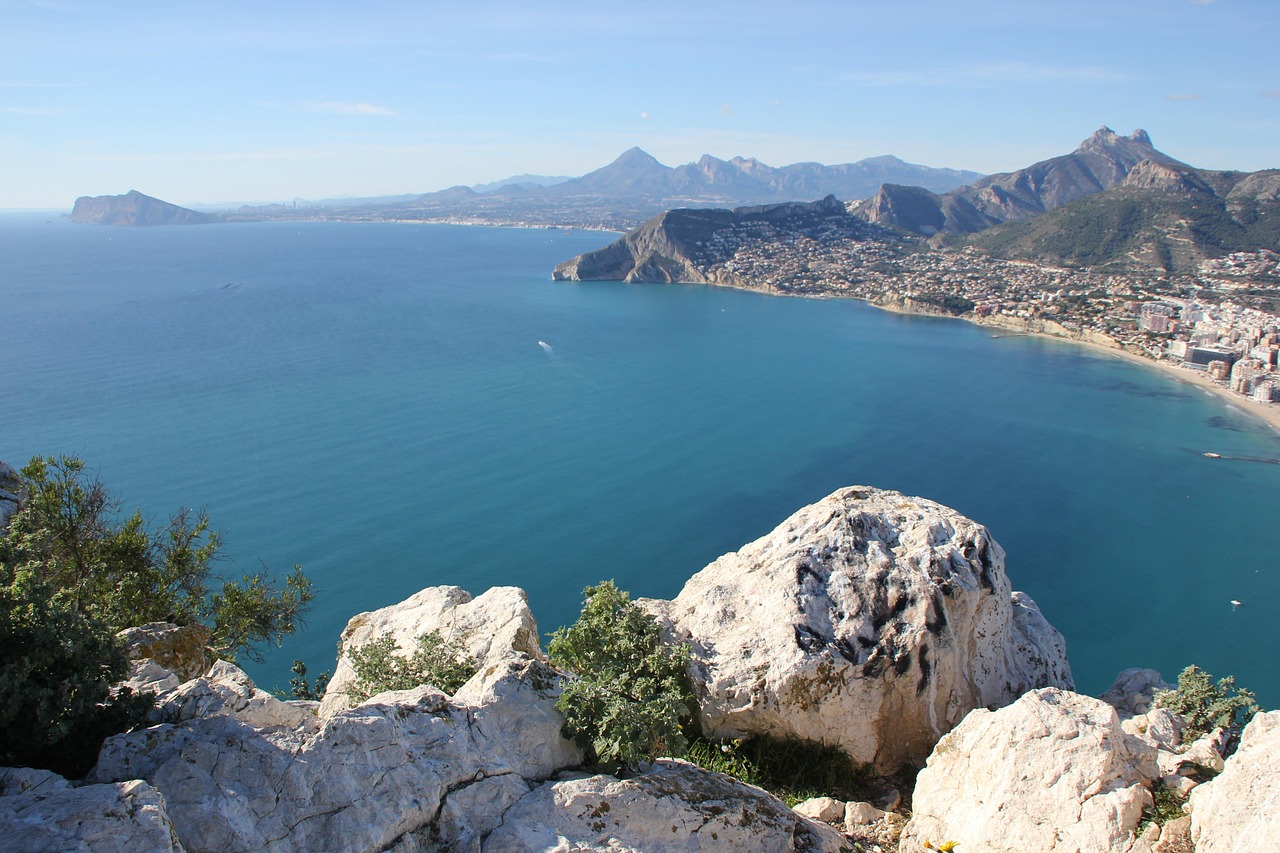
When I first drove into the region, the landscape took me by surprise. It wasn't the dense, green tapestry of Douro or the sun-baked hills of the Alentejo. It was a palette of soft golds, sea-greens, and the deep, shimmering blue of the Atlantic. The vines here don't grow on hillsides; they grow in what are essentially ancient beach dunes, some reaching 30 kilometers inland.
Sand is notoriously poor at retaining water and nutrients. It heats up quickly under the sun and cools down just as fast. However, phylloxera, the pest that decimated vineyards worldwide, cannot survive in these pure, shifting sands. This is the miracle that saved Colares. While the rest of the world had to graft their vines onto American rootstocks, the old, ungrafted vines of Colares—some over a hundred years old—simply kept growing.
Survivalist Viticulture
This creates a vineyard landscape unlike any I’ve ever seen. The vines, typically the Ramisco (for reds) and Malvasia Fina (for whites), are trained on low trellises, often just a foot or two off the ground, protected from the wind by the dunes themselves. They look more like sprawling, gnarled bushes than the orderly rows we often associate with viticulture. They are survivors.
They send their roots down, down, down through 10, 20, sometimes even 30 feet of pure sand, desperately searching for the precious water table below. This intense struggle, this search for life, is what concentrates the flavors in the grapes. It’s a survivalist viticulture that results in wines of incredible tension, minerality, and elegance. The sand doesn't just provide a defense against pests; it imparts a distinct saline, almost chalky texture to the wine, a signature that you can trace right back to the ancient seabed it once was.
The Breath of the Atlantic: The Saline Soul
If the sand is the bones of Colares, the Atlantic is its soul. The ocean is omnipresent here. You can smell it in the air—a sharp, bracing scent of salt and seaweed. You can hear it, a constant, rhythmic roar that provides a soundtrack to the vineyards. You can feel it in the cool breeze that whips off the water, even on a summer afternoon.
The salt-laden air that blows through the vineyards leaves its mark on the grapes, and ultimately, in the glass. When you taste a Colares white, especially one made from Malvasia Fina, the first thing that hits you is this incredible saline quality. It’s not just "minerality"; it's the taste of the sea. It’s a briny, savory edge that makes your mouth water and begs for seafood.
The Wines: A Taste of Place
So, what does this magical combination of sand and sea actually taste like in a glass?
Whites: Malvasia Fina
A young Colares white is a revelation. It’s pale, almost crystalline, in the glass. The nose is a burst of citrus, white flowers, and that distinct salty tang. On the palate, it’s lean, sharp, and incredibly energetic. There’s no heavy oak or buttery texture here. It’s pure, unadulterated fruit and minerality.
Reds: The Noble Ramisco
The reds, made from Ramisco, are a different beast entirely. This is a grape that demands patience. In its youth, Ramisco can be firm and tannic. But give it time, and it blossoms. These are not powerful, fruit-bomb reds. They are wines of elegance, structure, and profound complexity.
"A well-aged Colares Ramisco is a thing of beauty. The color deepens from a bright ruby to a brickish garnet. The aromas evolve from fresh red cherries to complex notes of dried figs, tobacco leaf, forest floor, and a hint of leather."
And always, running through it all, is that subtle saline thread, a reminder of the ocean just a few miles away.
A Pilgrimage to the Wineries
A trip to Colares is not a simple affair of booking a tasting online. Many of the most authentic producers are small, family-run affairs. Here are a few essential stops:
- Quinta de Chocapalha: A modern anchor for the region, offering professional tours and a benchmark for quality.
- Quinta do Sanguinheiro: The soul of the dunes. A rustic, authentic visit right in the middle of the vineyard land.
- Quinta do Piloto: A passionate, intimate project where you can really connect with the winemaker and the land.
Beyond the Glass
You cannot talk about Colares without talking about its surroundings. The region is anchored by the charming town of Sintra, a UNESCO World Heritage site. The vineyards are closer to the coast, near wild, windswept beaches like Praia das Maçãs.
The food culture here is intrinsically linked to the wine. This is a coast of fishermen. The seafood is astonishingly fresh. Pairing a plate of razor clams with a chilled glass of local Malvasia Fina is one of life’s great pleasures. The wine cuts through the richness, the salt in the wine echoing the salt in the sea and on the fish. It’s a perfect, symbiotic relationship.
Why Colares Matters in 2026
In a world increasingly dominated by homogenous, commercially driven wine styles, Colares stands as a beacon of authenticity. It’s a region that hasn’t bent to the will of international critics or market trends. The wines are not easy to make, nor are they easy to produce on a massive scale. They are, by their very nature, a boutique production.
For the wine lover, discovering Colares is like finding a secret chord. It’s a reminder that wine can be more than just a beverage; it can be a transportive experience. When you hold a glass of Colares, you are holding the Atlantic breeze, the shifting sands, and the legacy of generations of vignerons who saw magic in a difficult place.
Go there. Walk the dunes. Taste the ocean.