
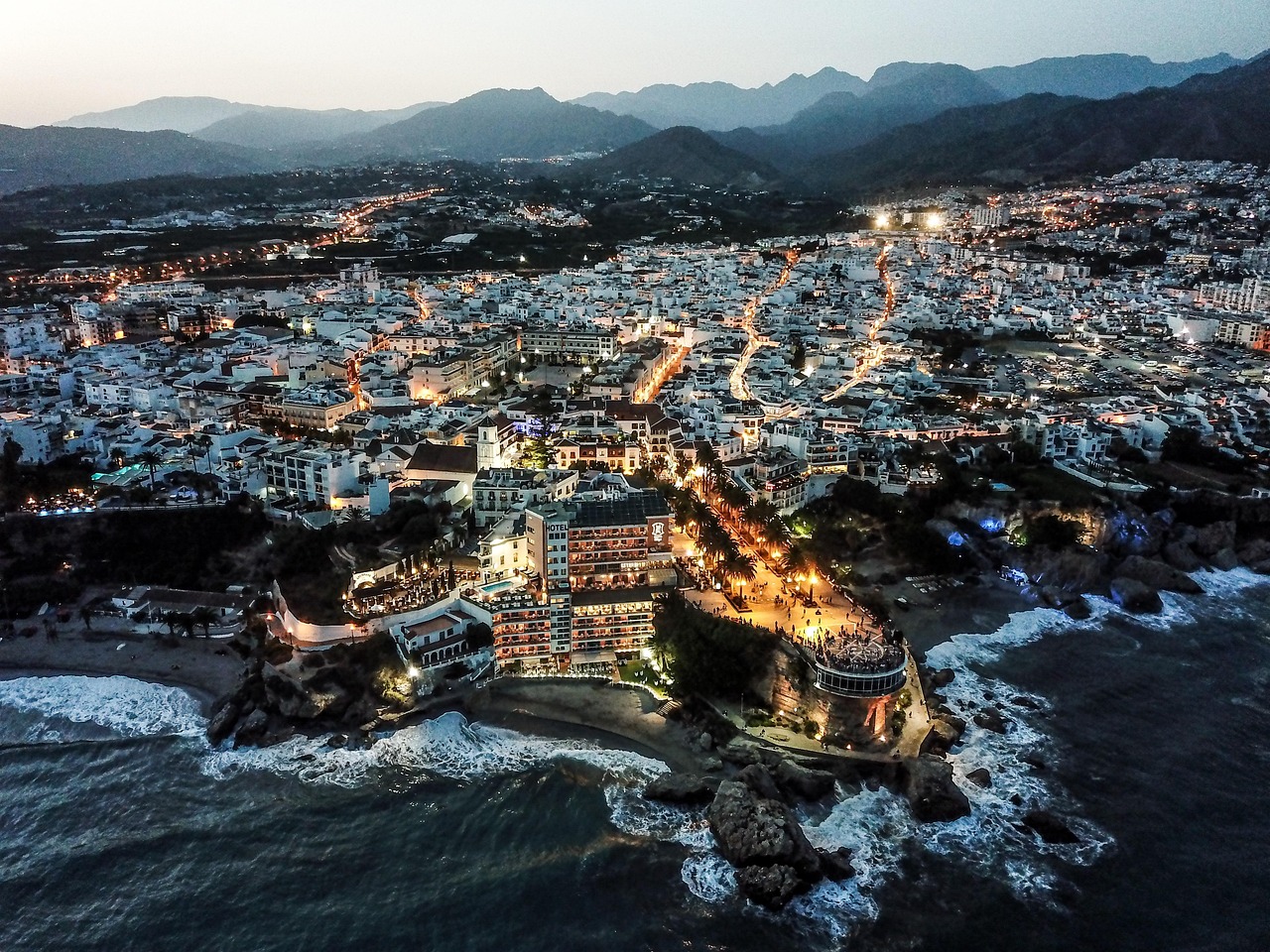

The first time I truly found Cascais, I wasn’t standing in the manicured gardens of the Cidadela, nor was I fighting for a square meter of sand on the sprawling, golden expanse of Praia da Rainha. It was a Tuesday in late September, the kind of day where the Atlantic wind carries the scent of salt and drying seaweed. I had taken the train out of Lisbon, chasing a rumor whispered by a fisherman in Cais do Sodré. He’d told me about a cove, a "golfe" tucked beneath the cliffs of Guincho, where the water was so clear you could count the pebbles dancing in the surf.
I walked past the miradouro, past the tourists snapping photos of the lighthouse, and followed a dirt path that hugged the coastline. The wind was fierce up there, whipping my hair across my face, but as I descended a crumbling, hand-hewn stone staircase carved into the cliffside, the world went silent. The wind dropped to a whisper. There it was: a sliver of pale sand, no more than fifty meters long, flanked by towering ochre rocks. That moment changed how I travel. It taught me that Cascais, the polished jewel of the Riviera, still holds its cards close to its chest. It is a place of dualities: the glamorous resort town that the world sees, and the rugged, wild coastline that the locals guard jealously. In 2026, as the world continues to spin faster and travel becomes more algorithmic, the search for these pockets of solitude feels more urgent than ever.
1. Praia da Rainha (Queen’s Beach): The Royal Secret
Let’s start with the paradox. Praia da Rainha is technically the most famous small beach in Cascais. It sits right in the town center, a stone's throw from the Museu Condes de Castro Guimarães. Yet, if you ask a tourist for the best beach in town, they will point you toward Praia da Rainha, and they will go there, stand on the narrow strip of sand, take a selfie, and leave. They miss the point entirely. The secret isn't the beach itself, but the behavior required to enjoy it. Locals know that Praia da Rainha is a morning beach. It is a 9:00 AM beach. Before the day-trippers arrive from Lisbon, before the sun reaches its zenith and burns off the marine layer, this place is a sanctuary. The water here is calmer than the exposed beaches, protected by a rocky outcrop that creates a natural pool effect.
2. Praia da Poça: The Surfer’s Sanctuary
If you drive west along the coast road towards Guincho, you will pass the massive, wind-whipped dunes of Praia do Guincho. It is spectacular, yes, but often packed with kitesurfers and tourists. Just before you reach the Guincho parking lot, look to your left. You will see a small, unassuming dirt path leading down the cliff. This is the entrance to Praia da Poça. The name translates roughly to "The Pit" or "The Puddle," which is charmingly humble for such a dramatic setting. This beach is not for the faint of heart. It requires a descent down a steep, sometimes slippery trail. The beach is narrow, squeezed between the imposing Cabo da Roca cliffs.
3. Praia da Raposeira: The Hidden Gem of Alcabideche
To find the true "hidden" beaches, you must leave the coastline momentarily and head inland towards the village of Alcabideche. This is the rural heartland of the Cascais municipality, where farmers grow corn and raise cattle. Locals know that the best way to access the rugged western beaches isn't always from the sea cliffs, but from the dirt tracks that cut through the farmland. Praia da Raposeira is accessed via a dirt road that feels like you are driving through a private estate. Because it is harder to reach than the others, Raposeira offers a sense of isolation that is rare in the Lisbon region. It is wild.
4. Praia da Ursa: The Dramatic Queen
I cannot write a secret beach list without including Praia da Ursa, though "secret" is becoming a stretch. It is Instagram-famous, yes, but its sheer difficulty of access keeps the masses away. It is arguably the most beautiful beach in Portugal, and certainly the most dramatic. Located at the very tip of Cabo da Roca (the westernmost point of mainland Europe), it is flanked by two massive, needle-like rock spires (the "Ursa" or "Bear" rocks) that rise from the surf like gothic architecture. Getting down is an adventure. There are two ways: a steep, slippery goat path to the right, or a slightly longer, scree-covered path to the left. Neither is easy.
5. Praia da Ribeira (Alcabideche): The River Mouth
Not to be confused with the Ribeira de Cascais near the town center, this Ribeira is in the village of Alcabideche. It is a beach that is technically accessible by car, but you have to know where to turn off the main road. It sits where the Rio Alcabideche meets the Atlantic. Because of the river inflow, the water here is significantly warmer than the freezing Atlantic waters of the open coast. It is also much calmer. This makes it a favorite for families, but because of its location slightly off the beaten path, it never feels as crowded as the town beaches.
6. Praia da Aguda: The Fishing Village Charm
South of Cascais town, heading towards the marina and the train station, there is a small promenade. Just past the "Parque da Guia," you’ll find a tiny inlet that looks more like a harbor than a beach. This is Praia da Aguda. It is tucked beneath the railway line and the main coastal road, hidden in plain sight. Aguda is not about sprawling sands; it is about atmosphere. It is a pocket of old Portugal. The water here is usually calm, protected by the breakwater. Fishing boats bob gently on the surface. Old fishermen sit on the concrete edge mending their nets or playing cards. It is incredibly picturesque and intimate.
7. Praia da Rainha (The Upper Viewpoint): The Perspective Shift
I am returning to Praia da Rainha, but with a twist. The secret here isn't to go down to the sand, but to stay up top. There is a small, often overlooked viewpoint (miradouro) on the cliffside just above the eastern end of the beach. You access it via a small gate in the railing of the road. From here, the perspective shifts entirely. You are looking down at the "Queen's" domain. You see the geometry of the bay, the turquoise water turning to deep blue, the white foam of the waves. You see the people on the sand looking like ants. This is a spot for contemplation.
The 2026 Traveler’s Guide to Cascais Waters
As we look toward 2026, the way we travel is evolving. We are more conscious of sustainability, more respectful of local communities, and more desperate for authenticity. Cascais is preparing for this. The train line is being upgraded to allow for higher frequency, making these beaches more accessible without the need for a car (except for Raposeira and Ursa).
The Golden Rules of the Local:
- Respect the Tides: The Atlantic is powerful. Many of these beaches (Poça, Ursa, Aguda) change character entirely depending on the tide. Always check a tide app like "Tabua de Marés."
- Pack It In, Pack It Out: The hidden beaches have no bins. A local will never leave a wrapper behind. The ocean is our pantry and our playground; we treat it with reverence.
- The Early Bird: If you visit between June and September, the only way to have these places to yourself is to go before 9:00 AM. The locals know this. We trade sleep for solitude.
- The "Banho" Ritual: A dip in the Atlantic is not just cooling off; it is a reset. It is a daily ritual for many. Don't be afraid of the cold. Run in, submerge, and come out gasping, feeling more alive than you have in years.
Cascais is waiting for you. Not the Cascais of the souvenir shops and the crowded promenades, but the Cascais of the wind, the rocks, and the cold, clear water. It is a place that rewards curiosity and effort. It is a place that, once you find its secret corners, feels like a second home. The waves are calling. Will you answer?