

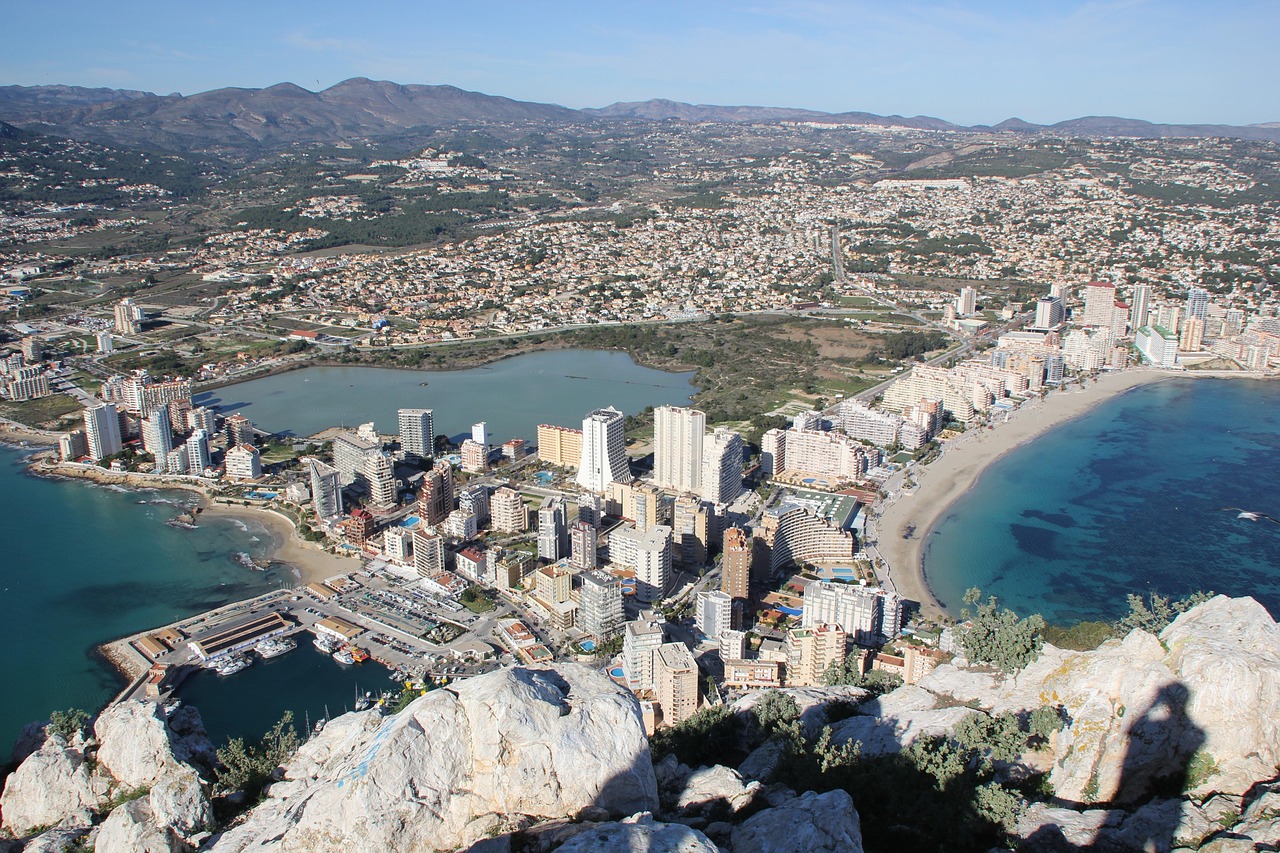
The salt hits you before the sound does. It’s a fine, invisible mist carried on the Atlantic breeze, settling on your lips and your coffee rim as you step off the train. You’re technically still in the Lisbon metropolitan area, but the air feels different here—sharper, wilder, more awake. You are standing on the platform of Carcavelos, a town that sits like a well-kept secret in the crook of the Riviera, and just beyond the station, the ocean is roaring.
I’ve been chasing waves up and down the Portuguese coast for over a decade. I’ve surfed the heavy barrels of Nazaré (from a safe distance, thank you very much) and paddled out in the quiet coves of the Algarve. But Carcavelos holds a specific, gritty charm that keeps drawing me back. It isn’t the prettiest beach in Portugal. It doesn’t have the dramatic cliffs of the Algarve or the pristine white sands of the islands. What Carcavelos has is energy. It has a pulse. It is the Ultimate Lisbon Surf Escape because it manages to be wild and civilized all at once—a place where you can catch a hollow wave in the morning and drink a crisp Vinho Verde overlooking the fort in the afternoon.
This is the story of Carcavelos in 2026, a guide to its waves, its tastes, and its rhythm. If you are looking for a manicured resort experience, look elsewhere. If you want to feel the Atlantic in your bones, keep reading.
The Morning Ritual: Waves, Wetsuits, and Waiting
The surf culture here is ancient. Before the Instagram influencers and the boutique hostels, there were the locals, the "barrigas" (literally "bellies," the old-timers), watching the horizon with the patience of statues. To understand Carcavelos, you have to understand the water.
The beach is a long, golden arc of sand backed by a busy road and a railway line. It’s accessible, perhaps too accessible, which is part of its chaotic charm. The waves here are predominantly beach breaks, meaning the waves break over sand. This is excellent news for beginners. The sandbars soften the blow, making falls less terrifying and mistakes less costly than they would be on a jagged reef.
Surfing for Beginners: Carcavelos Beach Surf Lessons
If you’ve never stood on a board, Carcavelos is your classroom. The swell is consistent, pushed by the sheer size of the Atlantic, but the geography protects it from becoming a washing machine of doom (most of the time).
- The Experience: You’ll likely be renting a foam board (soft top) and a thick 5mm wetsuit. The water temperature rarely breaks 18°C (64°F), even in summer. Don’t let this scare you. The wetsuit technology in 2026 is incredible; you’ll be toasty.
- The Lesson: Expect the standard "pop-up" drills on the sand, followed by the awkward paddle out. The key here is positioning. The rip currents can be strong, so stick close to your instructor. They know the safe channels.
- Where to Go: Look for the surf schools clustered near the main fort. The instructors are usually bilingual locals who have been riding these waves since childhood.
Best Time to Surf in Carcavelos, Portugal
While the summer brings smaller, fun waves perfect for learning, the real magic happens when the days get shorter. The "Best time" depends on your skill level.
- For Beginners (June - August): Smaller, waist-high waves. Crowded, but friendly.
- For Intermediate/Advanced (October - March): This is when the North Atlantic storms send swell after swell. The waves get bigger, faster, and more powerful. It’s raw, cold, and utterly addictive. The winter swell of Carcavelos is a beast that demands respect.
The Logistics: Getting There, Parking, and The 2026 Water Quality
Let’s address the practicalities, because nothing kills a buzz like a parking ticket or a polluted swim.
The Train: The Lifeline
The absolute best way to get here is the Cascais Line. Depart from Lisbon’s Cais do Sodré station. It’s a scenic 25-30 minute ride. You hop off at the "Carcavelos" stop. The beach is a two-minute walk from the platform. In 2026, the trains have been updated with better frequency, but weekends still get packed with Lisboners escaping the city heat. Pro tip: Go on a Tuesday morning if you can.
Where to Park at Carcavelos Beach on Weekends
If you drive, you are playing a game of chess against hundreds of other drivers. The streets behind the beach are narrow and permit-restricted.
- The Strategy: Do not aim for the front row. Drive up the hill towards the residential area or towards the Fort of São Julião da Barra. You might have to walk 15 minutes, but you will save your sanity.
- The Alternative: The paid lots near the casino (yes, there is a casino right there) fill up by 10 AM. Don’t rely on them.
Water Quality and Safety 2026
The water quality in Carcavelos is generally excellent, monitored weekly by the local council and the Portuguese Environment Agency. However, like all urban beaches, heavy rains can wash runoff into the bay. In 2026, there is a new real-time app called "Qualidade Praia" that gives live updates. Generally, if it hasn’t rained in 48 hours, the water is pristine. Regarding safety: The lifeguard service runs from May to September. Outside of these months, you are surfing at your own risk. The winter waves here can sweep you off your feet in the shorebreak. Respect the ocean.
Midday: The Hunger and The Fort
Surfing consumes a surprising amount of energy. After two hours in the water, you’ll be ravenous. Carcavelos is not short on food, but the quality varies wildly. You want the view, but you don't want the tourist trap prices.
The Lunch Spot: Fort of São Julião da Barra
Walking up the ramparts of this 16th-century fort is non-negotiable. It’s a fortress that has guarded the entrance to the Tagus River for centuries. Today, it houses a military academy, but the grounds are open to the public.
- Address: Forte de São Julião da Barra, 1400-200 Carcavelos, Portugal.
- Hours: The park/grounds usually open 09:00 – 18:00 (last entry 17:30). The museum inside has specific hours, usually Tuesday to Sunday, 10:00 – 18:00. Always check for military exercises which can close the site.
- The Vibe: Stark, historic, windswept. The views from the top looking back towards the Tagus and out to the Atlantic are spectacular.
- The Food: While the fort itself doesn't have a sprawling restaurant, the Chá do Forte is a small kiosk/café right at the entrance. Grab a bifana (pork steak sandwich) and a Super Bock beer. It’s simple, cheap, and the taste of salt in the bread is perfection.
Carcavelos Beachfront Restaurants with Sea View
If you want a sit-down meal with your toes in the sand (metaphorically, you’re wearing shoes), head to the promenade.
- O'Farnel: A local chain that does reliable Portuguese tavern food. It’s bustling, loud, and authentic. The Bacalhau à Brás (shredded cod with onions and crispy potatoes) is a heavy hitter after a surf.
- A Praça: Located on the main square, slightly back from the beach. Great for people-watching.
- The 2026 Trend: Look out for the pop-up "Tasca do Mar" concepts. These are temporary kitchens set up near the lifeguard towers in the summer, serving fresh ceviche and grilled sardines. They are unpretentious and fantastic.
The Afternoon: Exploring the Town and The "Other" Beach
Once the waves die down or your energy wanes, walk the promenade. Carcavelos connects to Praia da Poça and Praia do Guincho (not to be confused with the famous Guincho further west).
The town center is a grid of traditional shops, a bakery that smells of burnt sugar, and a pharmacy that seems to sell everything. It’s real life. It’s not a stage set for tourists.
The Secret Spot: Carcavelos River Beach (Praia Fluvial)
Most tourists miss this. About a 10-minute walk from the main beach, following the stream inland, you find a calm, river-fed beach. It’s shielded from the big waves and wind. In the summer, this is where local families hang out. It’s a completely different vibe—quiet, shallow, and warm. It’s a great place to recover from the surf beatings.
The Evening: Sunset and The Train Home
There is a specific magic to the sunset in Carcavelos. The sun drops into the ocean to the west, but because of the geography, you also get the reflection of the light on the Tagus estuary to the east. The sky turns a bruised purple and gold.
The Drink:
Find a spot on the promenade wall. There is no better seat in the house. If you want a structured drink, head to Bar do Rio (located near the river mouth area) or the kiosks lining the beach. They stay open late in the summer.
The Journey Back:
Waiting for the train at night is a sensory experience. The sound of the waves is louder in the dark. The smell of the Atlantic is stronger. You sit on the train, tired, salt-crusted, and smelling faintly of neoprene and fried fish. You watch the lights of Lisbon draw closer, and you feel like you’ve been gone for a week, not a day.
Where to Stay: From Hostels to Luxury
If you decide to stay the night (and you should, at least once), Carcavelos offers a range of options, though it’s less saturated than Cascais.
Cheap Hostels Near the Surf:
- Hostel Goodmorning Lisbon: While technically in Lisbon, the "Goodmorning" brand has opened a spot closer to the Riviera. However, for true proximity, look for "Casa do Mar" guesthouses. In 2026, the concept of "Surf Hostels" has evolved. You are looking for places that offer board storage and early morning coffee. Expect to pay around €30-€50 a night for a dorm or private room. The vibe is communal; you’ll be swapping wave reports with surfers from Brazil, France, and Australia.
The Splurge:
- Hotel Palácio Estoril: A short taxi ride away. This is old-world glamour. James Bond drank a martini here (literally, the bar is famous for it). It’s a stark contrast to the grit of Carcavelos, but a lovely way to end the day if you have the budget.
The Deep Dive: Sunrise Yoga and Winter Swells
Let’s touch on two specific niches that are exploding in 2026.
Carcavelos Beach Sunrise Yoga and Surf Retreats:
The combination of cold water and movement is a massive wellness trend. Local instructors are now offering "Sunrise Flow" sessions on the sand before the surf crowd arrives. Imagine this: It’s 7:00 AM, the air is crisp, the fort is a silhouette against the rising sun, and you are moving through a sun salutation. Then, immediately after, you sprint into the waves. It’s a dopamine hit that pharmaceutical companies would kill to replicate. Several retreat centers in the area now offer packages that include accommodation, yoga, and surf coaching.
Carcavelos Beach Winter Swell and Wave Conditions:
For the hardened surfer, winter is the season. The water is near 13°C. You need a 5/4mm wetsuit, boots, gloves, and a hood. The waves are often double overhead. The beach breaks shift sand constantly, creating hollow, tubing waves. It is dangerous. It is cold. It is the best surfing of the year. The crowds vanish. It’s just you, the locals, and the raw power of the Atlantic. If you are advanced, come in December. Just be prepared to be humbled.
The 2026 Update: Why Now?
Carcavelos is changing. The "Lisbon Surf Escape" is becoming more formalized. The municipality has invested in better changing facilities (they were sorely needed) and there is a renewed focus on environmental protection. The water quality is the best it’s been in decades.
However, the soul remains. You can still buy a coffee for a euro at the kiosk. The fisherman still mend their nets on the promenade. The teenagers still play football on the sand, oblivious to the surfers paddling out.
So, pack your bag. Don’t worry about the fancy gear. Bring a towel, a sense of adventure, and an appetite. The Atlantic is waiting, and the train is boarding.