

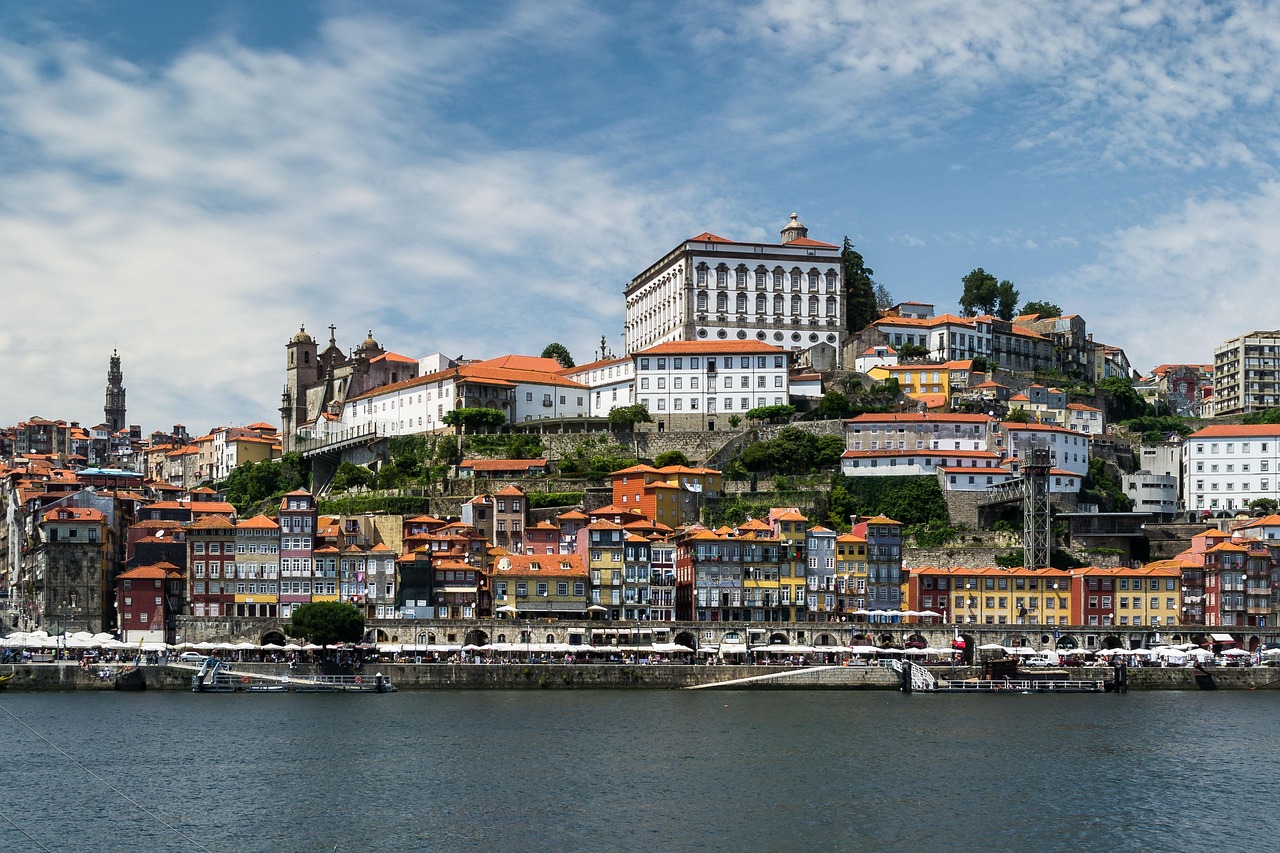
There is a specific scent that hangs in the air of Sintra’s historic center, a fragrance that you won’t find in any bottle. It is a heady mix of damp ancient stone, the sharp, clean perfume of eucalyptus drifting down from the mountains, and the unmistakable, mouth-watering aroma of charcoal-grilled sardines mingling with the sweet promise of freshly fried churros. For decades, Sintra was a day-tripper’s paradise, a fairytale backdrop where tourists would snap photos, buy a plastic crown, and then retreat to the coast. But 2026 has marked a shift. The travelers who return, and the locals who fiercely protect their culture, are digging deeper. They are looking for the heart of this mystical town, and as always, the heart is found at the dinner table.
I have been eating my way through the Sintra mountains for over a decade, often with a local guide who refuses to let me order the "tourist menu." What follows is not just a list of places to eat; it is a map of memories, a collection of dining rooms where the food is exceptional, but the atmosphere is the secret ingredient. If you want to know where the people of Sintra actually eat in 2026, pull up a chair.
Tascantiga: The Pulse of the Village
To find Tascantiga, you have to surrender to the labyrinth of the historic center. Tucked away on Rua Gil Vicente, a street that feels more like a living room than a thoroughfare, this is the antithesis of the grand, view-heavy restaurants that line the main squares. It is intimate, buzzing, and unapologetically Portuguese. The walls are lined with wine bottles and chalkboards scrawled with the day’s offerings.
I remember my first visit here, years ago. I was shivering, having just come down from the cold winds of the Moorish Castle. I ordered a glass of red wine and a plate of their signature pica-pau (marinated pork). The meat arrived glistening and pungent with mustard and beer, sizzling slightly on a terracotta plate. The owner, a man with a booming voice and an apron that had seen better days, recommended I try the "Açorda de Bacalhau" (codfish stew with bread). It was a revelation—garlicky, cilantro-heavy, and warming to the bone.
In 2026, Tascantiga remains a favorite for locals because it treats traditional Alentejan dishes with the respect they deserve. It is loud, it is cramped, and it is perfect. Do not come here for a quiet romantic whisper; come here to feel the energy of the town.
- Address: Rua Gil Vicente 9, 2710-591 Sintra, Portugal
- Hours: Tuesday – Sunday, 12:00 PM – 3:30 PM and 7:00 PM – 10:30 PM (Closed Mondays)
- Why Locals Love It: The authentic Alentejan flavors and the bustling, unpretentious tavern atmosphere.
- The Insider Order: Pica-Pau and a carafe of house red wine.
Incomum by Luis Santos: The Modern Twist
If Tascantiga is the grandmother’s kitchen, Incomum is the stylish, artistic cousin who studied in Lisbon and brought modern techniques back home. Located right on the Praça da República, the town’s main square, Incomum has a front-row seat to the comings and goings of Sintra. The interior is sleek, dark, and moody, with a design that feels like a high-end art gallery. However, the locals flock here not for the decor, but for the audacity of the chef.
Luis Santos is a magician with flavors. He takes the codfish—Portugal’s holy grail—and reinvents it. I once had a "Bacalhau à Brás" here that replaced the traditional straw potatoes with delicate, crispy leeks. It sounds like a small change, but it transformed the dish from a comfort food staple into something ethereal. The wine list is curated with an obsession for regional gems, specifically the robust reds from the Colares region, which grow in sand right next to the Atlantic.
In 2026, Incomum is the spot for locals celebrating an anniversary or closing a business deal. It is sophisticated without being stuffy. The service is attentive, knowledgeable, and eager to explain the provenance of every ingredient.
- Address: Praça da República, 2710-592 Sintra, Portugal
- Hours: Tuesday – Saturday, 12:30 PM – 3:00 PM and 7:30 PM – 10:30 PM; Sunday, 12:30 PM – 3:00 PM (Closed Mondays)
- Why Locals Love It: Creative, high-end Portuguese cuisine that respects tradition while pushing boundaries.
- The Insider Order: The tasting menu with wine pairings, specifically the Colares wines.
Tertúlia Alfrêdo: The Living History
You cannot talk about dining in Sintra without mentioning the historic cafés, and Tertúlia Alfrêdo is the crown jewel. Located in the Solar de S. Sebastião, a building dating back to the 18th century, this place is an institution. It was once a meeting point for intellectuals and artists, and the atmosphere still holds that creative, bohemian weight.
Walking in feels like stepping into a sepia photograph. The tiled floors, the heavy wooden chairs, and the waiters in their formal attire transport you back in time. While many tourists stop here for a coffee, locals stay for the evening "petiscos" (tapas). It is one of the few places where you can get a proper "Bifana" (marinated pork sandwich) served with a side of history.
I once sat on their terrace in late October, watching the fog roll into the valley while eating a simple plate of presunto (cured ham) and queijo da serra (mountain cheese). The contrast between the sharp, creamy cheese and the salty ham, set against the backdrop of the National Palace’s twin chimneys, is a sensory experience I still dream about. In 2026, it remains a staple for the older generation of Sintra residents and those who appreciate the slow pace of a traditional Portuguese evening.
- Address: Largo Dr. Virgílio Horta, 2710-592 Sintra, Portugal
- Hours: Daily, 10:00 AM – 9:00 PM (kitchen usually closes around 8:00 PM)
- Why Locals Love It: The historical significance, the terrace views, and the reliable, traditional petiscos.
- The Insider Order: A glass of Ginjinha (sour cherry liqueur) and a plate of presunto.
Apeadeiro: The Scenic Escape
Located slightly uphill from the main historic center, near the entrance to the Quinta da Regaleira, Apeadeiro is where you go when you want to feel like you are dining in a garden. The restaurant is named after the old railway stop (it used to be a halt for the train going up the mountain). The setting is magical, with tables nestled under lush trees and vines.
The food here is robust and homely. It is famous for its "Cozido à Portuguesa," a massive stew of boiled meats, sausages, and vegetables. It is heavy, stick-to-your-ribs food, but executed with a lightness that surprises first-timers. The locals love Apeadeiro for family gatherings on Sundays. There is a sense of occasion here, a communal joy in sharing large platters of grilled fish or meat.
Sitting on the terrace in the summer of 2026, surrounded by the scent of jasmine, you forget that you are in a busy tourist town. The noise fades, replaced by the clinking of glasses and the hum of conversation. It is a sanctuary.
- Address: Rua Dr. Alfredo Costa, 2710-593 Sintra, Portugal
- Hours: Tuesday – Sunday, 12:00 PM – 3:30 PM and 7:00 PM – 10:00 PM (Closed Monday)
- Why Locals Love It: The beautiful garden setting and generous portions of traditional stews and grilled meats.
- The Insider Order: The grilled sea bass or the Cozido on a cooler day.
Cantinho de São Pedro: The Hidden Gem
Finding Cantinho de São Pedro requires a bit of determination. It sits on a tiny, steep street near the São Pedro de Sintra church, away from the main tourist drag of the historic center. This is a "tasca" in the truest sense of the word—small, family-run, and fiercely loyal to its regulars.
The menu is written on a chalkboard and changes based on what the local market provided that morning. There is no pretense here. You come for the "Arroz de Pato" (duck rice) or the "Sardinhas Assadas" (grilled sardines) when they are in season. The rice is dark, rich with duck stock and blood, and topped with crispy chorizo. It is a dish that demands silence while you eat it.
I recall bringing a friend here who was skeptical about "authentic" dining experiences. He watched as the owner, Maria, argued loudly with a customer about politics, then turned around and served us the most tender octopus salad I have ever tasted. He left a convert. In 2026, this place is a fortress of authenticity. It is where the police officers, the shopkeepers, and the old men of Sintra eat their lunch.
- Address: Rua Dr. Virgílio Horta 8, 2710-592 Sintra, Portugal
- Hours: Monday – Friday, 12:00 PM – 3:00 PM; Saturday, 12:00 PM – 2:30 PM (Closed Sunday)
- Why Locals Love It: Unbeatable value for money and dishes that taste exactly like a Portuguese grandmother’s cooking.
- The Insider Order: The daily "Prato do Dia" (Dish of the Day) and a quick espresso at the counter.
Mar das Histórias: The Romantic Splurge
For those looking for the "best restaurants in Sintra historic center with a view," Mar das Histórias is the answer. Situated within the Tivoli Palácio de Seteais, a stunning 18th-century palace, the restaurant offers a panoramic view of the mountains and the coastline that is nothing short of cinematic.
While the setting is grand, the food is surprisingly contemporary. Chef Diogo Rocha focuses on "emotional cuisine," connecting dishes to the legends of Sintra. The presentation is artful—think edible flowers and sauces painted onto the plate with a brush. It is undeniably expensive, and for that reason, it isn't a daily haunt for locals. However, it is the definitive spot for a major celebration.
I went here for a birthday in 2024, and we sat on the terrace as the sun set, turning the sky purple and orange. The "Sintra Forest" dish arrived, a recreation of the local flora on a plate, featuring foraged mushrooms and wild herbs. It was theatrical, delicious, and deeply connected to the place. In 2026, it remains the pinnacle of romantic dining in the historic center.
- Address: Rua Dr. Alfredo Costa 21, 2710-592 Sintra, Portugal (Tivoli Palácio de Seteais)
- Hours: Daily, 12:30 PM – 3:00 PM and 7:00 PM – 10:00 PM
- Why Locals Love It: The unparalleled views and the creative, high-concept tasting menus for special occasions.
- The Insider Order: The "Sintra Legacies" tasting menu.
Café Saudade: The Late-Night Rendezvous
Dining in Sintra isn't just about the main courses; it's about the rituals that bookend the meal. Café Saudade is a small, unassuming spot near the National Palace. It is famous for one thing in particular: the "Cachorrinho" (little dog). This is the Portuguese answer to the hot dog, but infinitely better. It is a toasted bread roll filled with a garlicky, spicy sausage and covered in melted cheese and a fried egg.
It is the perfect late-night food. After a few glasses of wine at a local bar, the locals migrate here. The air is thick with the smell of sizzling butter and cheese. The atmosphere is lively, chaotic, and fun.
In 2026, Café Saudade remains the king of the "tascas" for the younger crowd. It is affordable, open late, and hits the spot perfectly after a long day of hiking up the mountain. It’s a reminder that sometimes the best food is the simplest.
- Address: Rua Portela de Sintra 16, 2710-595 Sintra, Portugal
- Hours: Thursday – Saturday, 10:00 AM – 10:00 PM; Sunday – Wednesday, 10:00 AM – 8:00 PM
- Why Locals Love It: The legendary Cachorrinho and the lively, unpretentious late-night vibe.
- The Insider Order: The "Cachorrinho Especial" with an extra egg.
Conclusion: Dining as an Act of Discovery
The best restaurants in Sintra’s historic center in 2026 are not necessarily the ones with the biggest signs or the most Instagram followers. They are the places that understand the rhythm of the mountain. They are the ones that serve food to warm you up when the mist rolls in, or to cool you down with a crisp Vinho Verde on a hot July afternoon.
To eat like a local in Sintra, you must be willing to wander. You must turn off the main street, look for the places where the Portuguese language flows freely, and embrace the slow pace of the meal. Whether you are splurging on a palace view or grabbing a late-night sausage sandwich, you are participating in a tradition that has sustained this magical town for centuries. So, in 2026, put down the map, follow the smell of the grill, and let Sintra feed you.