
Escaping the Capital: The Best Multi-Day Trips from Lisbon for 2026
There is a specific gravity to Lisbon that makes it hard to leave. It’s a city of seven hills and a thousand miradouros, where the yellow trams rattle like old bones and the smell of grilling sardines mingles with sea salt and the faint, sweet decay of azulejo tiles. But if you let that gravity hold you for too long, you miss the true magic of central Portugal.
The secret is that the best parts of the country are orbiting Lisbon, close enough for a long weekend but distinct enough to feel like a completely different world. If you are planning a trip in 2026, do not confine yourself to the capital. Pack a bag, grab a window seat on the train, and go chasing the horizon. Here is how to spend your days exploring the palaces, vineyards, and coastlines that make Portugal an endless source of wonder.
The Cinematic Fairytale: Sintra and Cascais (2–3 Days)
There is a reason the Romanticists lost their minds over Sintra. It isn’t just a town; it’s a mood, a misty dreamscape where the forests seem to swallow time. In 2026, the tourism infrastructure is smoother than ever, but the mystery remains. A two-day trip here is the perfect antidote to the urban buzz of Lisbon.
Highlights of the Sintra Coast
Start your first morning early—impossibly early if you want to beat the tour buses. Head straight for the Palácio da Pena. Perched atop the Sintra mountains, this castle looks like a fever dream painted in strawberry red and custard yellow. It is the ultimate example of 19th-century Romanticism, a clash of Moorish and Manueline styles that shouldn't work but absolutely does. The views from the battlements stretch all the way to the Atlantic on a clear day. Afterward, descend into the lush gardens. Don't skip the Valley of the Lakes; it feels like stumbling into a prehistoric greenhouse.
By lunch, you’ll want to retreat to the historic center. Skip the tourist traps lining the main square and duck into Tascantiga (Rua Consiglieri Pedroso 12). It’s a tiny, standing-room-only spot that serves incredible petiscos (Portuguese tapas). Order the presunto (cured ham) and a glass of local wine. It’s loud, chaotic, and utterly authentic.
In the afternoon, walk off the lunch by heading to the Quinta da Regaleira. If Pena is the dream, Regaleira is the puzzle. This estate is famous for its initiation wells—deep, circular shafts that you can walk down into the earth. It feels like filming a scene from Inception. The tunnels connect different parts of the garden, leading to hidden grottoes and waterfalls. It takes hours to explore properly, so wear shoes with grip.
For your second day, use Sintra as a base to explore the coast. Take the bus 434 or a short Uber ride down to Cabo da Roca, the westernmost point of mainland Europe. The cliffs here are sheer and dramatic, the waves crashing with a violence that is both terrifying and beautiful. It is windy, so hold onto your hat.
Then, curve back toward Cascais. This is the old summer playground of Portuguese royalty, and it still holds a certain glamour. The town center is a maze of whitewashed houses and cobblestone streets. Walk along the marina, where the yachts bob like toys, and head to the Boca do Inferno (Mouth of Hell). It’s a cliff formation where the sea crashes into a cave, creating a plume of spray that looks like smoke.
The Atlantic Fortress: Porto & The Douro Valley (3–4 Days)
If Sintra is a fairytale, Porto is a novel—gritty, romantic, and full of complex characters. While you can do Porto as a long day trip, that is a rookie mistake. You need at least three days here to truly appreciate the city's melancholic beauty and the agricultural marvel of the Douro Valley.
Exploring Northern Portugal
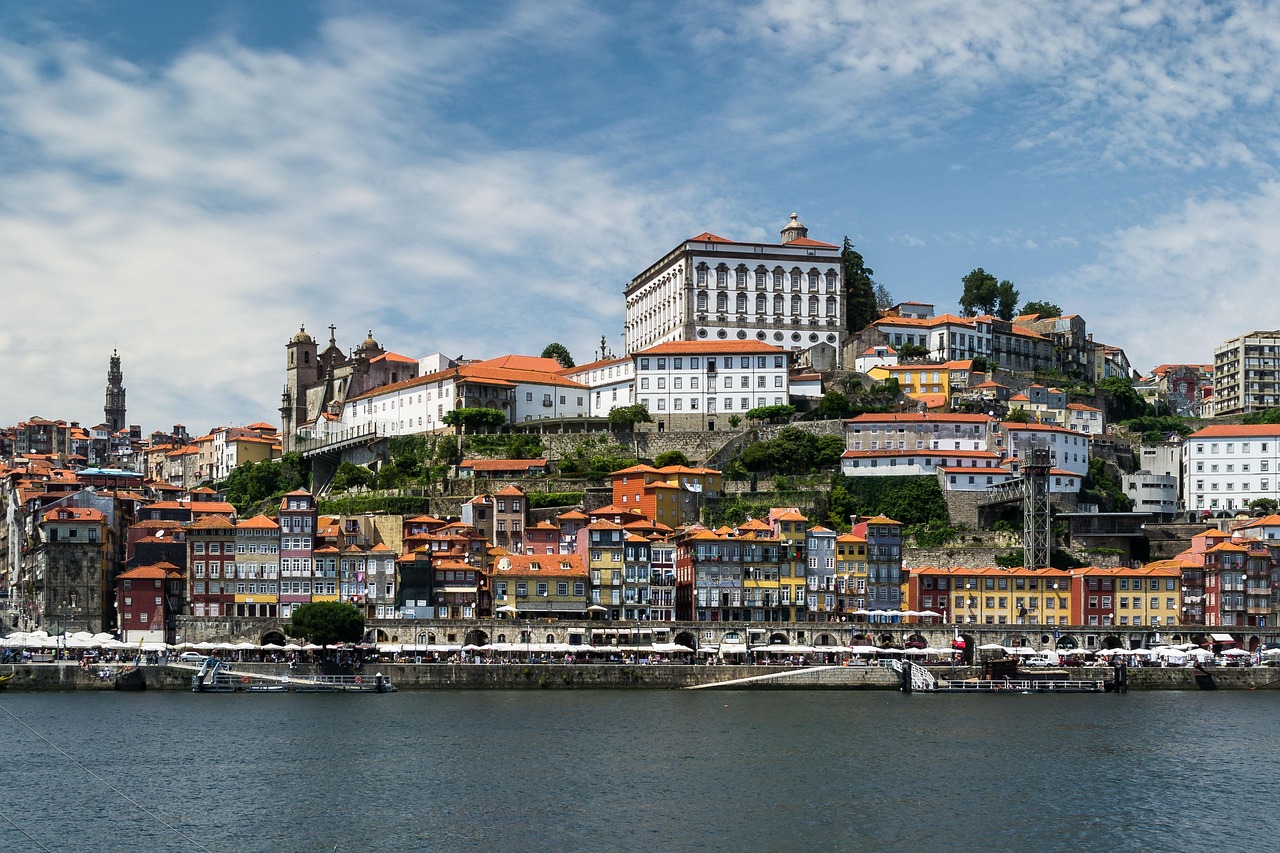
Take the high-speed train (Alfa Pendular) from Lisbon’s Santa Apolónia station. It takes about three hours, hugging the coastline for parts of the journey. When you arrive, the first thing you must do is walk the Ribeira. This riverside district is a jumble of tall, colorful houses stacked precariously on top of one another. It is chaotic, loud, and stunning. Cross the top deck of the Dom Luís I Bridge at sunset. The view of the river turning gold while the lights of Vila Nova de Gaia (across the river) flicker on is one of Portugal’s defining images.
The next day is for the wine. You cannot go to Porto and not drink Port. Cross the bridge on foot to Vila Nova de Gaia, where the historic Port houses have their cellars. I recommend Graham’s Port Lodge. The walk up the hill is steep, but the views are superior, and the tasting experience is polished. Learn the difference between a Ruby and a Tawny, and feel the warmth of the alcohol spreading through your chest.
On the third day, you must see the source. Book a full-day tour into the Douro Valley. Yes, it is touristy, but it is also the oldest demarcated wine region in the world. The terraced vineyards clinging to the steep slopes are an engineering feat that defies logic. A typical tour includes a boat ride on the river (the perspective from the water is serene and silent) and a lunch at a working Quinta (wine estate). If you prefer independence, rent a car, but be warned: the roads are narrow and hairpin-turn heavy.
Before leaving, eat a Francesinha. It is a sandwich that defies the laws of physics: bread, steak, ham, sausage, covered in melted cheese and drowned in a beer-based sauce, often topped with a fried egg. It is a heart attack on a plate, and it is delicious. Try it at Café Santiago (Rua Passos Manuel 226).
The Sun-Soaked Sanctuary: The Algarve (3–5 Days)
When Lisbon gets too chilly or too crowded, the Algarve is the answer. While many head straight to the resorts of Albufeira, the true magic of the southern coast lies in its western edges and its hidden coves. For 2026, I suggest focusing on the "Costa Vicentina" approach—wild, rugged, and beautiful.
The Best Spots in Southern Portugal
Start by renting a car. The Algarve is difficult to do without one, as the best beaches are separated by scrubland and hills. Drive south, stopping first in Sagres. This feels like the edge of the world. The fortress, built by Henry the Navigator, stands guard over cliffs that drop vertically into the churning Atlantic. The beaches here—like Mareta and Tonel—are swept by winds and popular with surfers. It is not a "lazy beach" destination; it is elemental and bracing.
Spend one day exploring the "Golden Triangle" of Lagos, Alvor, and Portimão. Lagos is the base for the most famous sea caves, specifically the Ponta da Piedade. You can take a small boat tour through the grottoes carved by erosion. The water is an impossible shade of turquoise that looks photoshopped. It is crowded, yes, but the beauty is undeniable. For lunch, head to O Camilo in Lagos for fresh seafood with a view.
Spend the next day driving east toward Tavira. Tavira is the most charming town in the Algarve, having retained its Moorish layout and Roman bridge. It feels slower, more local. From here, take the ferry to the Ilha de Tavira, a massive sandbar beach that feels like a desert island. The water is calm and shallow, perfect for a long, meditative float.
If you are looking for luxury, base yourself in Vilamoura. The marina is slick and glamorous, filled with people who look like they own yachts (and some who actually do). The golf courses here are world-class. If you are looking for budget and bohemian vibes, stay in Aljezur, a town of whitewashed houses clinging to a hill, surrounded by acres of eucalyptus.
The "Don't Miss" Detour: Évora and the Alentejo (2 Days)
If you have an extra weekend and want to escape the coastal crowds, head north of the Algarve into the Alentejo region. The landscape changes from green hills to rolling golden plains dotted with cork oaks and vineyards. Évora is the capital of this region, a walled city that feels like an open-air museum.
Highlights of the Alentejo
The highlight here is the Capela dos Ossos (Chapel of Bones). It is exactly what it sounds like: a chapel lined entirely with human skulls and femurs. It is macabre, yes, but the inscription at the entrance reads, "We bones that are here, await yours." It is a humbling memento mori. Afterward, climb the Giraldo Tower for a panoramic view of the white houses and black slate roofs.
Practical Tips for 2026 Travel
- Booking: 2026 is shaping up to be a high-demand year. Book trains (Comboios de Portugal) and major tours at least 2–3 months in advance, especially for Porto and the Douro.
- Transportation: The train network is excellent for Sintra and Porto. For the Algarve and Évora, a rental car is highly recommended. However, parking in Sintra and Lisbon is a nightmare—use "Park & Ride" services if driving.
- Dining: The Portuguese eat late. Dinner reservations for 8:30 PM or 9:00 PM are standard. If you show up at 6:00 PM, you’ll likely be the only one there.
- Packing: Layers. Always layers. Lisbon can be sunny while Sintra is shrouded in fog (the "Capuchos" effect), and the Algarve can be windy.
Portugal is a country of infinite variety, accessible within a few hours of its capital. Don't just visit Lisbon; let Lisbon be your launching pad. Whether you are sipping Tawny Port in a cool cellar in Gaia, shivering on the cliffs of Sagres, or getting lost in the gardens of Regaleira, you are participating in a centuries-old tradition of discovery. The best multi-day trips from Lisbon aren't just about covering distance; they are about peeling back the layers of a country that reveals itself slowly, generously, and with great flavor. Go, and let the Atlantic wind guide you.